
 الصين
الصين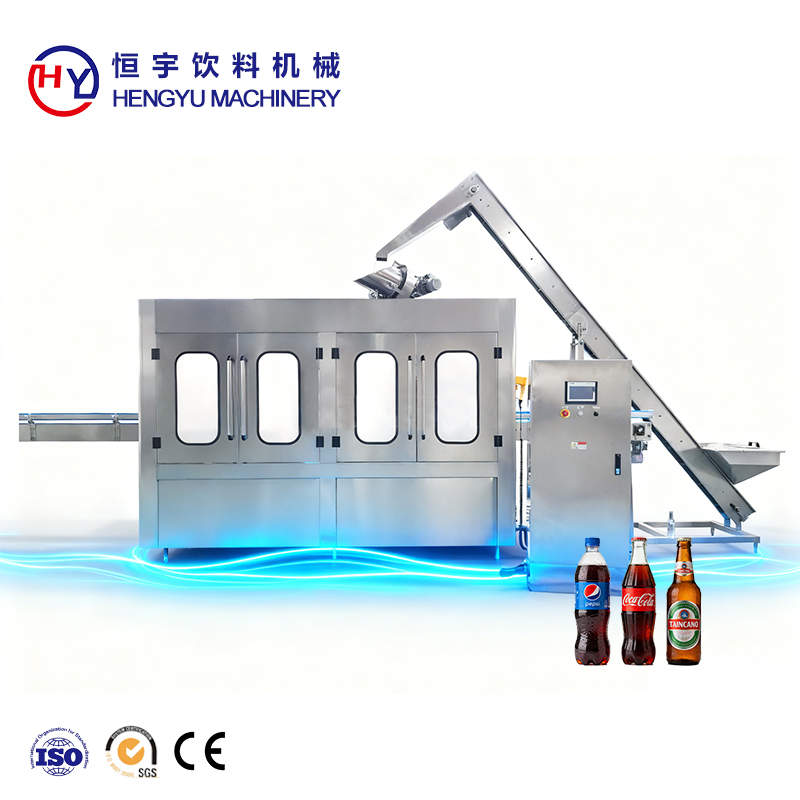
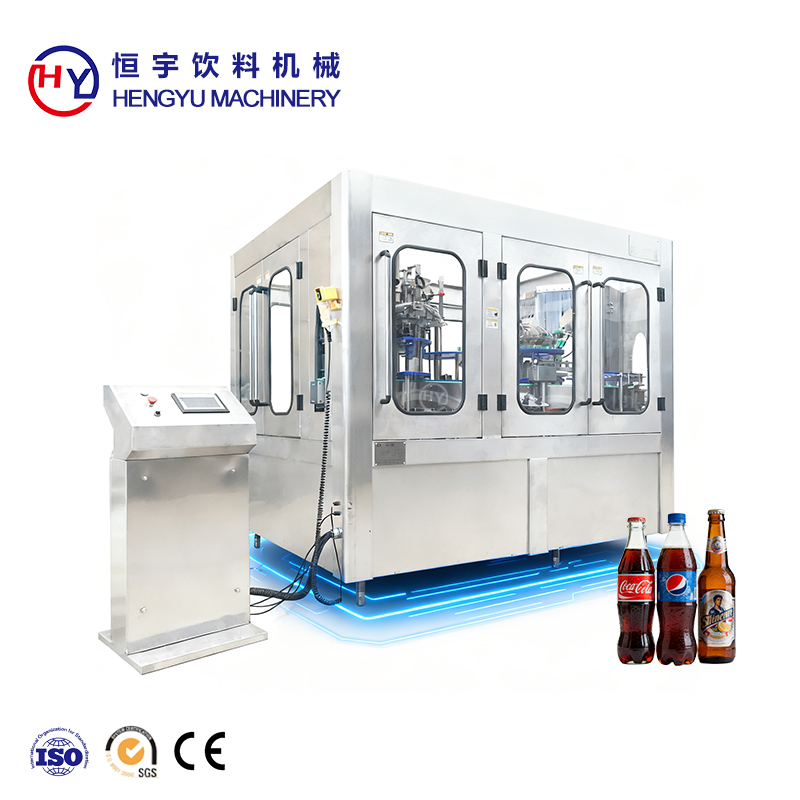
تُعَدُّ آلات تعبئة المشروبات الغازية استثمارًا حيويًّا لشركات تصنيع المشروبات التي تسعى إلى تحسين كفاءة الإنتاج وجودة المنتج. ويُعَدُّ التحكُّم في فقدان الرغوة أثناء عملية التعبئة أحد أكبر التحديات في إنتاج المشروبات الغازية. فعند تعبئة هذه المشروبات بسرعةٍ كبيرةٍ أو دون التحكُّم المناسب في الضغط، تتكوَّن رغوةٌ مفرطةٌ تؤدِّي إلى هدر المنتج وتفاوت مستويات التعبئة وتراجع الربحية. ولذلك، فإن فهم الطريقة التي تعالج بها آلات تعبئة المشروبات الغازية هذه المشكلة أمرٌ جوهريٌّ لأي شركة مشروبات تهدف إلى تحقيق أقصى عائد ممكن والحفاظ على هوامش ربح تنافسية في السوق اليوم.
تتمحور العلوم الكامنة وراء تقليل الرغوة في آلات تعبئة المشروبات الغازية حول أنظمة متطورة لإدارة الضغط والتحكم في درجة الحرارة وتنظيم التدفق. وتستخدم آلات تعبئة المشروبات الغازية الحديثة تقنية الضغط المعاكس وتصميم فوهات دقيقة للحفاظ على سلامة المنتج أثناء صبه في العبوات. وبفهم الآليات التي تمنع فقدان الرغوة، يمكن لشركات إنتاج المشروبات اختيار المعدات التي تؤثر مباشرةً على أرباحها من خلال خفض الهدر في المنتج وتحسين الاتساق التشغيلي.
تقنية التحكم في الضغط في آلات تعبئة المشروبات الغازية
أنظمة الضغط المعاكس ومنع الرغوة
تُعَدُّ تِقْنِيَّةُ الضَّغْطِ المُضادِّ حَجَرَ الزَّاوِيَةِ فِي إِدَارَةِ الرَّغْوَةِ بِكَفَاءَةٍ فِي آلاتِ تَعبئةِ المَشْرُوبَاتِ الغَازِيَّةِ. وَتَعْمَلُ هَذِهِ النِّظَامُ بِتَعبئةِ الزُّجَاجَةِ مُسْبَقًا بِغَازِ ثَانِي أُكْسِيدِ الكَرْبُونِ عِنْدَ ضَغْطٍ مُضْبُوطٍ يُمَاثِلُ أَوْ يَتَفَوَّقُ قَلِيلًا عَلَى ضَغْطِ المَشْرُوبِ الغَازِيِّ المَصْرُوفِ. وَعِنْدَما تَسْتَخْدِمُ آلاتُ تَعبئةِ المَشْرُوبَاتِ الغَازِيَّةِ الضَّغْطَ المُضادَّ، يَظَلُّ البِيئَةُ الدَّاخِلِيَّةُ لِلزُّجَاجَةِ فِي حَالَةِ تَوَازُنٍ مَعَ السَّائِلِ القَادِمِ، مَا يَمْنَعُ التَّحَلُّلَ السَّرِيعَ لِلغَازِ الَّذِي يُسَبِّبُ تَكَوُّنَ الرَّغْوَةِ. وَيَكْفِي هَذَا التَّوَازُنُ الدَّقِيقُ لِكَيْ تَحْفَظَ آلاتُ تَعبئةِ المَشْرُوبَاتِ الغَازِيَّةِ مُسْتَوَيَاتِ التَّكَرْبُنِ فِي المَنْتَجِ، فَضْلًا عَنْ تَخْفِيفِ الرَّغْوَةِ بِشَكْلٍ كَبِيرٍ مُقَابِلِ الطُّرُقِ التَّقْلِيدِيَّةِ لِلتَّعبئةِ.
تَعْدِيلُ الضَّغْطِ وَمُرَاقَبَتُهُ
تتميَّز آلات تعبئة المشروبات الغازية المتطوِّرة بأنظمة رصد ضغط فوريٍّ وتعديل تلقائيٍّ تستجيب لتغيرات درجة حرارة المشروب ومستويات الكربنة. ويمكن للمُشغِّلين ضبط آلات تعبئة المشروبات الغازية بدقة لتناسب خصائص المنتج المحددة، مما يضمن أداءً ثابتًا عبر تركيبات المشروبات المختلفة. وتتواصل أجهزة استشعار الضغط المدمجة في آلات تعبئة المشروبات الغازية باستمرار مع أنظمة التحكم، ما يسمح للمعدات بالحفاظ على ظروف التعبئة المثلى طوال دورات الإنتاج. ويقضي هذا النهج الآلي على التخمين ويضمن أن تفي كل زجاجة تملأها آلات تعبئة المشروبات الغازية بمعايير الجودة مع تقليل فقدان الرغوة إلى أدنى حدٍّ ممكن.
تنظيم درجة الحرارة وإدارة قابلية الذوبان الغازية
أنظمة التبريد في آلات تعبئة المشروبات الغازية
يتعلّق التحكّم في درجة الحرارة مباشرةً بذوبانية الغاز في المشروبات الغازية، ما يجعله عاملاً حاسماً في كيفية تقليل آلات تعبئة المشروبات الغازية لخسارة الرغوة. وتُبقي المشروبات الباردة ثاني أكسيد الكربون داخلها بكفاءة أعلى، مما يقلّل من ميل الغاز للانطلاق على شكل رغوة أثناء عملية التعبئة. وتضمّ آلات تعبئة المشروبات الغازية الممتازة أنظمة تبريد مدمجة أو تعمل بالتنسيق مع خزانات المنتج المبرّدة مسبقاً للحفاظ على نطاقات درجة الحرارة المثلى. وبإبقاء المشروبات عند درجات حرارة تتراوح بين ١ و٤ درجات مئوية، تقلّل آلات تعبئة المشروبات الغازية بشكل كبير القوى الحرارية الديناميكية التي تحفّز تشكّل الرغوة وخسارة المنتج.
تجهيز المنتج قبل التعبئة
غالبًا ما تتضمّن آلات تعبئة المشروبات الغازية المتطوّرة غرفًا لضبط حالة المنتج، والتي تُثبّت درجة حرارة المشروب ومستويات التكربن مباشرةً قبل بدء عملية التعبئة. ويسمح هذا المجال التمهيدي لآلات تعبئة المشروبات الغازية بضمان ظروفٍ متسقةٍ في كل دورة تعبئة، ما يلغي التقلّبات التي قد تؤدّي إلى تكوّن رغوة مفرطة. ويشمل عملية الضبط في الآلات الحديثة لتعبئة المشروبات الغازية أنظمة دقيقة لإدخال الهواء، التي تساعد على تثبيت تركيب المشروب، مما يقلّل أكثر من احتمال تكوّن الرغوة. وعندما تضبط آلات تعبئة المشروبات الغازية المنتج بطريقة منهجية، يحقّق المشغّلون اتساقًا بين عمليات التعبئة، ما ينعكس مباشرةً في خفض الهدر وتحسين الربحية.
تصميم الفوهة وتحسين التدفّق
هندسة متقدّمة للفوهة في آلات تعبئة المشروبات الغازية
تطوَّر التصميم المادي لفوَّهات التعبئة تطوُّرًا كبيرًا، وتتميَّز آلات تعبئة المشروبات الغازية الحديثة بفوَّهات متخصِّصة مُصمَّمة خصيصًا لتطبيقات المشروبات الغازية. وتضمُّ هذه الفوَّهات في آلات تعبئة المشروبات الغازية غرفًا عدَّة وممرَّات ضيِّقة تقلِّل تدريجيًّا من سرعة التدفُّق كلَّما اقترب السائل من فتحة الزجاجة. وتدلُّ تصاميم الفوَّهات المبتكرة في آلات تعبئة المشروبات الغازية على توجيه تيار المشروب بزوايا ومعدَّلات دقيقة تمنع الانسكاب والاضطراب، وهما العاملان الرئيسيان في تكوُّن الرغوة. وبضبط طريقة إفلات المشروب الغازي إلى الزجاجات عبر آلات تعبئة المشروبات الغازية، يحقِّق المصنعون إزالة الاهتزاز الميكانيكي الذي لا تستطيع الفوَّهات التقليدية تجنُّبه.
دقة معدل التدفُّق وكشف الرغوة
تُنظِّم آلات تعبئة المشروبات الغازية معدلات التدفق بدقة تصل إلى جزء من الألف من الثانية، وتُعدِّل سرعة التوصيل استنادًا إلى أجهزة استشعار كشف الرغوة في الوقت الفعلي المُركَّبة داخل الزجاجة. ويمكن لهذه الآلات المتقدمة لتعبئة المشروبات الغازية أن تُبطِئ معدل التعبئة عند ارتفاع مستويات الرغوة، مما يحمي سلامة المنتج ويمنع الانسكاب. وتراقب قدرة كشف الرغوة في آلات تعبئة المشروبات الغازية تقدُّم عملية التعبئة باستمرار، وتجري تعديلات دقيقة على موضع الفوهة والضغط خلال كل دورة تعبئة. وبفضل هذه الاستجابة الذكية، فإن آلات تعبئة المشروبات الغازية تتكيف ديناميكيًّا مع التغيرات في ظروف المنتج، ما يضمن تحقيق أفضل النتائج بغض النظر عن العوامل الخارجية التي قد تؤدي عادةً إلى الهدر.
الأسئلة الشائعة
ما مدى الضغط المحدَّد الذي يجب أن تحافظ عليه آلات تعبئة المشروبات الغازية أثناء الإنتاج؟
تتراوح درجة الضغط المثلى لآلات تعبئة المشروبات الغازية عادةً بين ٣,٥ و٥,٥ بار، رغم أن المواصفات الدقيقة تعتمد على تركيبة المشروب المحددة ومستويات الكربنة. ويحتاج كل منتج إلى إعدادات ضغط مخصصة في آلات تعبئة المشروبات الغازية، لذا ينبغي على الشركات المصنعة التعاون عن كثب مع متخصصي المعدات لتحديد المعايير الأولية. وتسمح معظم آلات تعبئة المشروبات الغازية للمشغلين بتعديل الضغط في الوقت الفعلي، ما يتيح تحسين الإعدادات حسب أنواع المشروبات المختلفة دون الحاجة إلى تعديلات في المعدات.
كم نسبة الفاقد من المنتج التي يمكن لآلات تعبئة المشروبات الغازية الفعّالة عادةً منعها؟
يمكن لماكينات تعبئة المشروبات الغازية المُعايرة بشكلٍ سليم أن تقلل من خسارة المنتج الناتجة عن الرغوة بنسبة تتراوح بين ٦٠ و٨٥ في المئة مقارنةً بمعدات التعبئة التقليدية. وتعتمد نسبة التخفيض الفعلية الم log достигها على الظروف الأولية، ومواصفات المنتج، ومدى التزام المشغلين بإجراءات الصيانة الدورية لماكينات تعبئة المشروبات الغازية وفقاً لإرشادات الشركة المصنعة. وتبيّن الدراسات الصناعية أن الاستثمارات في ماكينات تعبئة المشروبات الغازية عالية الجودة تُعوِّض نفسها عادةً خلال فترة تتراوح بين ١٨ و٣٠ شهراً فقط من خلال خفض الهدر، دون احتساب مزايا زيادة سرعة الإنتاج وثباته.
هل يمكن تحديث خطوط الإنتاج الحالية لتتضمَّن ماكينات تعبئة مشروبات غازية حديثة؟
يمكن للكثير من خطوط الإنتاج الحالية استيعاب آلات تعبئة المشروبات الغازية المُحسَّنة من خلال خدمات التحديث التي تقدِّمها شركات تصنيع المعدات. وتعتمد إمكانية تحديث آلات تعبئة المشروبات الغازية على مواصفات نظام الناقل، والبنية التحتية الكهربائية، والمساحة المتاحة على الأرض. وينبغي لمصنِّعي هذه الآلات الذين يقيِّمون عمليات التحديث أن يستشيروا مورِّدي المعدات لتقييم ما إذا كانت البنية التحتية الحالية قادرةً على دعم آلات تعبئة المشروبات الغازية الحديثة، أو ما إذا كان استبدال الخط الكامل سيكون أكثر فعالية من حيث التكلفة نظراً للقيود المفروضة على المنشأة والأهداف الإنتاجية طويلة الأجل.