
 CN
CN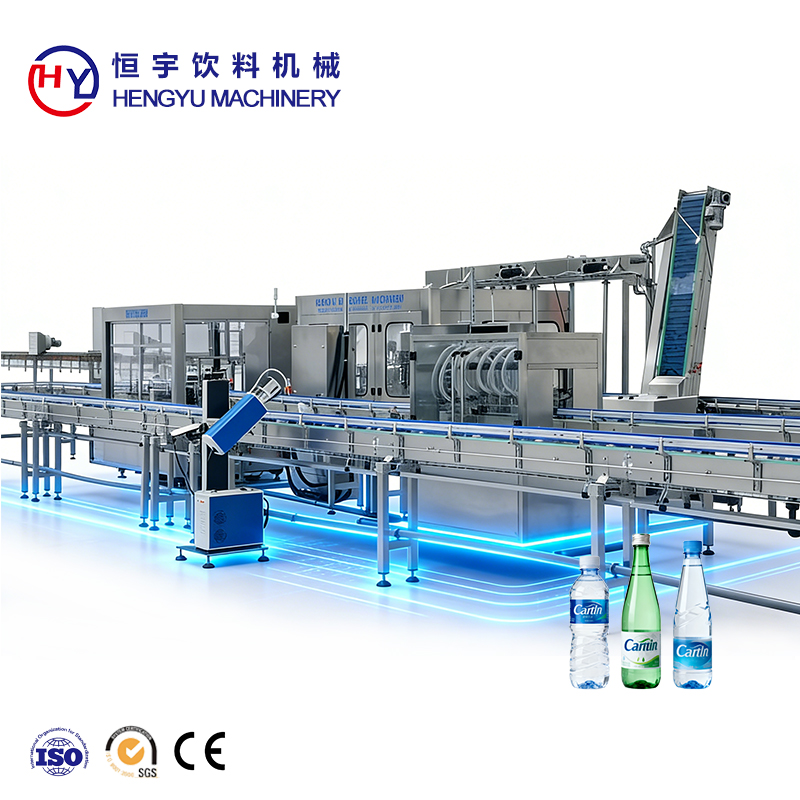
انتخاب مناسب ماشین تعبیه آب یکی از حیاتیترین تصمیمات سرمایهگذاری است که یک تولیدکننده نوشیدنی میتواند اتخاذ کند. آیا شما یک واحد کوچک بطریسازی را اداره میکنید یا تولید در مقیاس بزرگ را مدیریت میکنید، دستگاه پرکنی آبی که انتخاب میکنید، تأثیر مستقیمی بر کارایی عملیاتی، کیفیت محصول و سودآوری نهایی شما خواهد داشت. اهمیت این امر به این دلیل است که یک دستگاه پرکنی آب نامناسب میتواند باعث ایجاد گلوگاهها، افزایش ضایعات و آسیب به شهرت برند شما از طریق کیفیت نامنظم شود. از سوی دیگر، دستگاه پرکنی آب مناسب که دقیقاً متناسب با حجم تولید و مدل کسبوکار خاص شما طراحی شده باشد، داراییای بلندمدت محسوب میشود که رشد پایدار را تحریک میکند.
پیش از اختصاص بودجه برای خرید دستگاه پرکن آب، باید ابعاد فنی، عملیاتی و مالی متعددی را ارزیابی کنید. این راهنمای جامع شما را در طول عوامل کلیدی هدایت میکند که سرمایهگذاری خوب را از اشتباه گرانقیمت جدا میسازد. درک این عوامل به شما کمک میکند تا دستگاه پرکن آبی را انتخاب کنید که نیازهای امروزی را برآورده کند و همچنین زیرساخت شما را برای فرصتهای رشد فردا آماده سازد.
ظرفیت تولید و نیازمندیهای سرعت
تعیین نیازهای ظرفیت تولید شما
ظرفیت تولید دستگاه پرکن آب شما باید دقیقاً با نیازهای فعلی شما برای خروجی و روند رشد پیشبینیشده همسو باشد. دستگاه پرکن آبی که ظرفیت آن ۶۰۰۰ بطری در ساعت است، اگر واحد شما به ۱۰۰۰۰ بطری در ساعت نیاز داشته باشد، محدودیتهای جدی ایجاد خواهد کرد. برعکس، خرید دستگاه پرکن آبی بزرگتر از نیاز که برای ۱۵۰۰۰ بطری در ساعت طراحی شده، در حالی که تنها به ۸۰۰۰ بطری در ساعت نیاز دارید، منجر به هدررفت سرمایه و پیچیدگی غیرضروری در عملیات میشود. حجم حداکثری روزانهٔ تولید خود را محاسبه کنید، سپس ۱۵ تا ۲۵ درصد ظرفیت اضافی برای پوشش افزایش فصلی تقاضا و رشد آینده بدون نیاز به تعویض زودهنگام تجهیزات در نظر بگیرید.
هماهنگسازی سرعت با ترکیب محصولات شما
اندازههای مختلف بطری، مواد ساخت بطری و انواع درپوشها نیازمند سرعتهای پرکردن متفاوتی هستند. مشخصات فنی دستگاه پرکن آبی که انتخاب میکنید باید قادر به مدیریت دقیق ترکیب محصول خاص شما باشد. دستگاه پرکن آبی که برای بطریهای PET یک لیتری بهینهسازی شده است، عملکردی متفاوت از دستگاهی دارد که برای بطریهای دو لیتری یا ظروف شیشهای طراحی شده است. مشخصات فنی هر دستگاه پرکن آبی که در نظر دارید را بررسی کنید تا اطمینان حاصل کنید که میتواند بهطور پایدار سرعت مورد نیاز شما را در تمامی انواع محصولاتی که در حال حاضر تولید میکنید یا در سه تا پنج سال آینده قصد معرفی آنها را دارید، تأمین کند.
سطح اتوماسیون و قابلیت ادغام
تعادل بین عملیات دستی، نیمهاتوماتیک و کاملاً اتوماتیک
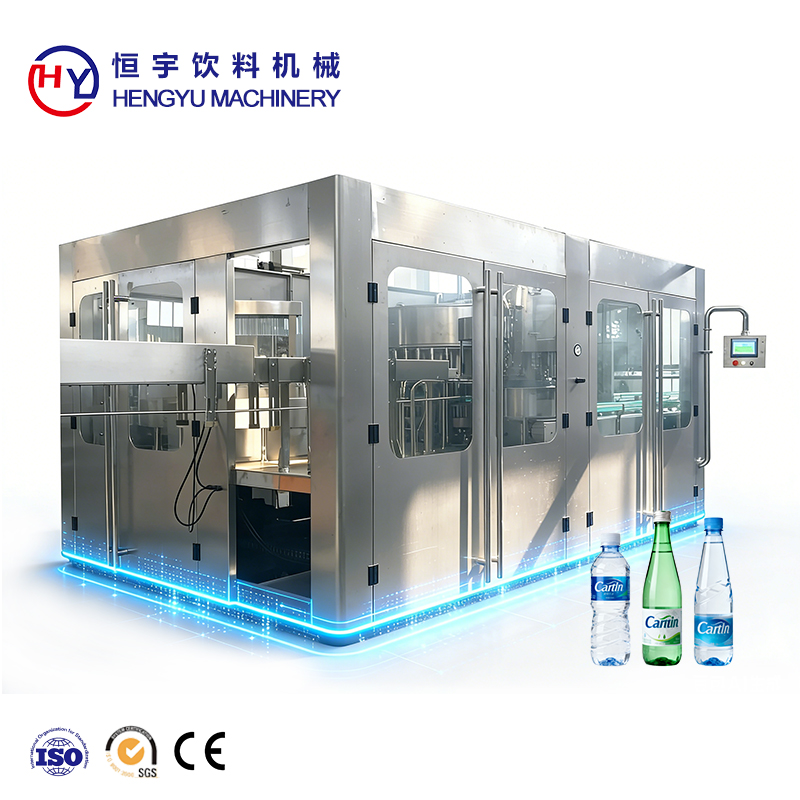
سطح اتوماسیون دستگاه پرکنی آب شما بهطور مستقیم بر هزینههای نیروی کار، یکنواختی و قابلیت گسترش تأثیر میگذارد. دستگاه پرکنی آب نیمهاتوماتیک نیازمند این است که اپراتورها بهصورت دستی بطریها را در جای مناسب قرار داده و چرخههای پرکنی را فعال کنند؛ بنابراین این دستگاه برای تولید انبوه کوچک یا محصولات تخصصی مناسب است. دستگاه پرکنی آب کاملاً اتوماتیک، قرار دادن بطریها، پرکردن، دربگذاری و برچسبزنی را با حداقل مداخلهٔ انسانی انجام میدهد و در حجمهای بالاتر، یکنواختی عالیتری ایجاد کرده و هزینهٔ نیروی کار هر واحد را کاهش میدهد. مدل فعلی نیروی انسانی و ساختار هزینههای خود را ارزیابی کنید تا مشخص شود آیا سرمایهگذاری اولیه در دستگاه پرکنی آب با اتوماسیون بالاتر، صرفهجویی در نیروی کار و بهبود کیفیت را برای عملیات خاص شما توجیه میکند یا خیر.
یکپارچهسازی سیستم و آمادگی برای صنعت ۴٫۰
امکانات مدرن بهطور فزایندهای نیازمند دستگاه پرکنی آبی هستند که بهصورت یکپارچه با سیستمهای موجود مدیریت تولید، نرمافزارهای کنترل کیفیت و پلتفرمهای ردیابی موجودی کار کنند. به دنبال دستگاه پرکنی آبی با قابلیتهای نظارت دیجیتال، صفحهنمایش عملکرد در زمان واقعی و ثبت دادهها باشید. دستگاه پرکنی آبی که بهخوبی یکپارچه شده است، امکان نگهداری پیشبینیشونده را فراهم میکند، زمان ایستکردن را کاهش میدهد و بینشهای قابل اجرا درباره کارایی تولید ارائه میدهد. قبل از خرید، اطمینان حاصل کنید که تأمینکننده دستگاه پرکنی آب امکان اتصال از طریق API را فراهم میکند یا مستندات روشنی برای یکپارچهسازی با سیستمهای فعلی شما ارائه میدهد.
مواد ساختمانی، دوام و نیازهای نگهداری
استیل ضدزنگ و استانداردهای مواد مناسب برای غذا
موادی که در دستگاه پرکننده آب شما استفاده میشوند، تأثیر مستقیمی بر ایمنی محصول، انطباق با مقررات و هزینههای عملیاتی بلندمدت دارند. دستگاه پرکننده آبی که از فولاد ضدزنگ غذایی ساخته شده باشد، در برابر خوردگی مقاوم است، شرایط بهداشتی را حفظ میکند و استانداردهای سختگیرانه سلامت و ایمنی را که در اکثر قلمروها اجباری است، رعایت میکند. استفاده از مواد نامناسب در دستگاه پرکننده آب ممکن است باعث نفوذ آلایندهها به محصول، ایجاد نقض مقررات و نیاز به تعویض مکرر قطعات شود. قبل از تصمیمگیری نهایی، اطمینان حاصل کنید که دستگاه پرکننده آبی که انتخاب میکنید، از موادی ساخته شده که برای تماس با مواد غذایی و نوشیدنیها گواهیشدهاند و دارای گواهیهای مربوط به بهداشت و سلامت هستند.
دسترسی آسان به نگهداری و موجود بودن قطعات
دستگاه پرکن آبی که دسترسی به آن برای نگهداری دورهای سخت باشد، هزینههای عملیاتی پنهانی را از طریق افزایش زمان توقف و هزینههای نیروی کار خدمات ایجاد میکند. طراحی دستگاه پرکن آب را بررسی کنید تا اطمینان حاصل شود که اجزای حیاتی مانند آببندها، شیرها و نازلها بدون نیاز به جداسازی گسترده، بهسرعت قابل دسترسی هستند. در دسترس بودن قطعات نیز به همان اندازه مهم است — اطمینان حاصل کنید که تأمینکنندهٔ انتخابی شما از دستگاه پرکن آب، موجودی قطعات قابل اعتمادی را نگهداری میکند و میتواند اجزا را در بازهٔ ۴۸ تا ۷۲ ساعت تأمین کند. دستگاه پرکن آبی که از سوی تأمینکنندهای با پشتیبانی ضعیف زنجیرهٔ تأمین عرضه شده باشد، ممکن است در تعمیرات اضطراری و اختلالات تولید، هزینههایی بسیار بیشتر از صرفهجویی اولیه در خرید تجهیزات برای شما ایجاد کند.
انطباق با مقررات، بهداشت و استانداردهای کیفی
رعایت مقررات و گواهینامههای صنعتی
دستگاه پرکنندهٔ آب شما باید با تمام مقررات اعمالشدهٔ مربوط به تولید مواد غذایی و نوشیدنی در بازار شما سازگان داشته باشد. مناطق مختلف استانداردهای متفاوتی را در زمینهٔ بهداشت، کیفیت محصول و گواهیدهی تجهیزات اجرا میکنند. دستگاه پرکنندهٔ آبی که برای رعایت استانداردهای اروپایی CE طراحی شده است لزوماً نیازمندیهای سایر حوزههای قضایی را برآورده نمیسازد. پیش از خرید، اطمینان حاصل کنید که دستگاه پرکنندهٔ آب انتخابشدهٔ شما دارای گواهیهای لازم است و در برابر مقررات خاصی که در محل فعالیت واحد شما و بازارهای هدف اعمال میشوند، آزمایش دیده شده است. این اقدامات دقیق از انجام تغییرات پرهزینهٔ بعدی یا رد تجهیزات پس از نصب جلوگیری میکند.
شاخصهای کیفیت و یکنواختی محصول
دقت و یکنواختی پرکردن دستگاه پرکن آب شما بهطور مستقیم بر کیفیت محصول و رضایت مشتری تأثیر میگذارد. سطح دقت دستگاه پرکن آب را ارزیابی کنید—که معمولاً بر حسب میلیلیتر اندازهگیری میشود—تا اطمینان حاصل شود که با مشخصات محصول شما همخوانی دارد و «ارسال اضافی» ( giveaway ) را به حداقل میرساند. دستگاه پرکن آبی با دقت ناکافی، محصول را در اثر پرکردن بیش از حد هدر میدهد یا کمبود محصول ایجاد میکند که منجر به شکایات مشتریان میشود. از سازنده درخواست دادههای عملکردی کنید که نشان دهد چگونه این دستگاه پرکن آب در طول دورههای تولید طولانی، در دماهای متغیر و با انواع مختلف بطریهایی که قصد استفاده از آنها را دارید، دقت خود را حفظ میکند.
هزینه کل مالکیت و بازگشت سرمایه
هزینههای سرمایهای در مقابل اقتصاد عملیاتی
قیمت خرید دستگاه پرکننده آب تنها یکی از عناصر هزینهٔ کلی است. هزینهٔ کلی پنجساله را محاسبه کنید، از جمله نصب، آموزش، نگهداری، قطعات یدکی، مصرف انرژی و زیانهای احتمالی تولید ناشی از توقفهای کاری. دستگاه پرکننده آب گرانتری که قابلیت اطمینان بالاتری دارد و هزینههای بهرهبرداری پایینتری دارد، اغلب عملکرد مالی بهتری نسبت به گزینهٔ ارزانتری ارائه میدهد که نیازمند تعمیرات مکرر و مصرف انرژی بیش از حد است. چندین سناریوی مختلف را با گزینههای متفاوت دستگاه پرکننده آب مدلسازی کنید تا بهترین گزینه برای بازده سرمایهگذاری در شرایط تولید خاص شما شناسایی شود.
تامین مالی، پشتیبانی و رابطه با فروشنده
گزینش گزینههای تأمین مالی، پوشش گارانتی و تعهدات پشتیبانی بلندمدت ارائهشده توسط فروشنده را در خصوص خرید دستگاه پرکن آب ارزیابی کنید. یک فروشنده معتبر دستگاه پرکن آب خود را با گارانتی جامع، پشتیبانی فنی سریع و برنامههای آموزشی همراه میکند تا از بهرهوری بیشینه تجهیزات اطمینان حاصل شود. برخی از فروشندگان قراردادهای خدماتی ارائه میدهند که شامل نگهداری پیشگیرانه میشوند و این امر از بروز خرابیهای غیرمنتظره جلوگیری کرده و عمر تجهیزات را افزایش میدهد. این عناصر پشتیبانی را در فرآیند انتخاب فروشنده لحاظ کنید، زیرا تأثیر قابلتوجهی بر ارزش بلندمدت سرمایهگذاری شما در دستگاه پرکن آب دارند.
سوالات متداول
برای یک واحد تولیدی نوپا، ظرفیت مناسب دستگاه پرکن آب چقدر باید باشد؟
برای یک استارتآپ، در طی ۱۸ تا ۲۴ ماه اول، دستگاه پرکنی آبی را خریداری کنید که ظرفیت آن با حجم تولید پیشبینیشدهی شما هماهنگ باشد و دارای ذخیرهی ظرفیت ۲۰ درصدی باشد. شروع کار با دستگاه پرکنی آبی با اندازهی مناسب، نه بسیار بزرگتر و نه بسیار کوچکتر از نیاز، به مدیریت جریان نقدی کمک میکند و از نیاز به تعویض زودهنگام جلوگیری مینماید. بسیاری از تأمینکنندگان طرحهای ماژولار برای دستگاههای پرکنی آب ارائه میدهند که میتوانند با رشد کسبوکار شما ارتقا یابند.
دستگاه پرکنی آب چندگاه باید تحت نگهداری قرار گیرد؟
یک دستگاه پرکن آب با طراحی مناسب نیازمند نگهداری پیشگیرانهٔ دورهای در هر ۴۰ تا ۶۰ ساعت کارکرد است که معمولاً معادل فواصل هفتگی یا دو هفتگی بسته به الگوی شیفتها میشود. سازندهٔ دستگاه پرکن آب برنامهٔ دقیق نگهداری را ارائه میدهد که شامل تعویض آببندیها، تمیزکردن نازلها و بررسی سیستم میشود. رعایت پروتکل توصیهشدهٔ نگهداری عمر دستگاه پرکن آب شما را افزایش میدهد و از خرابیهای زودرس جلوگیری میکند.
آیا میتوانم دستگاه پرکن آب خود را با افزایش نیازهای تولید ارتقا دهم؟
بسیاری از مدلهای مدرن دستگاه پرکن آب قابلیت ارتقای ماژولار را دارند، از جمله نازلهای با سرعت بالاتر، سرپرهاي پرکن اضافی و بهبودهای اتوماسیون. قبل از خرید، از فروشنده بپرسید که آیا دستگاه پرکن آب شما قابل ارتقا است و کدام اجزا را میتوان بهصورت عقبگرد نصب کرد. این قابلیت به شما اجازه میدهد ظرفیت را بدون جایگزینی کامل تجهیزات گسترش دهید و سرمایهٔ اولیهٔ خود را حفظ کنید.