
 CN
CN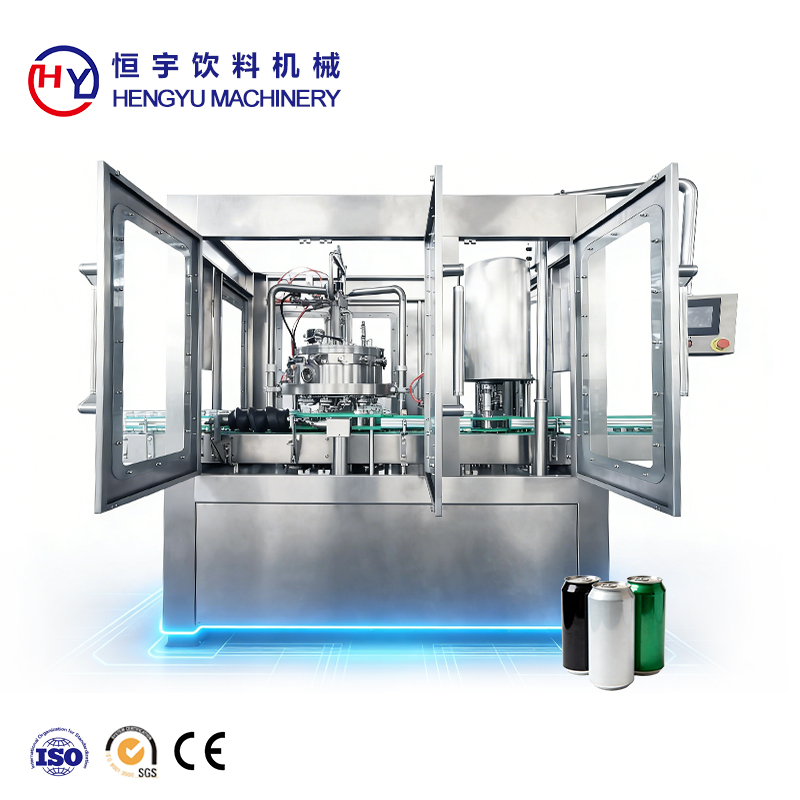
Výber správneho stroja na plnenie plechoviek je jednou z najdôležitejších investícií, ktoré môže nápojová továreň urobiť. Stroj na plnenie plechoviek, ktorý si vyberiete, priamo ovplyvňuje rýchlosť výroby, kvalitu výrobku, prevádzkové náklady a dlhodobú ziskovosť. Bez ohľadu na to, či vyrábate perlivé bezalkoholové nápoje, pivo, energetické nápoje alebo špeciálne nápoje, výkon vášho stroja na plnenie plechoviek bude formovať vašu konkurencieschopnú pozíciu na trhu. Tento sprievodca vás prevedie základnými faktormi, ktoré je potrebné posúdiť pri výbere stroja na plnenie plechoviek, ktorý zodpovedá konkrétnym výrobným požiadavkám a rastovej trajektórii vašej továrne.
Priemysel nápojov vyžaduje presnosť, spoľahlivosť a efektivitu od každého zariadenia na výrobu. Kvalitný stroj na plnenie plechoviek sa stáva základom vašej prevádzky a určuje, ako konzistentne spĺňate požiadavky zákazníkov pri zachovaní prísnych štandardov kvality. Správny stroj zníži výpadky, minimalizuje stratu výrobkov a zabezpečí, že každá plechovka bude naplnená presne podľa špecifikácií. Pochoptenie technických možností, prevádzkovej flexibility a podporného ekosystému stroja na plnenie plechoviek pred nákupom predchádza drahým chybám a udržiava vašu továreň konkurencieschopnou.
Pochoptenie kapacity a rýchlostných požiadaviek stroja na plnenie plechoviek
Určenie vašich požiadaviek na výrobný objem
Pred investíciou do napĺňacej linky pre plechovky je potrebné stanoviť súčasné požiadavky na výrobu a realistické projekcie rastu. Napĺňacia linka pre plechovky navrhnutá na 5 000 plechoviek za hodinu bude nedostatočná, ak vaša továreň zvyčajne vyrába 12 000 plechoviek za hodinu. Naopak, nákup príliš veľkej napĺňacej linky pre plechovky spôsobí zbytočné kapitálové náklady a prevádzkovú neefektivitu. Vypočítajte svoj maximálny denný výrobný objem, sezónne kolísania dopytu a plánované rozšírenie kapacity v nasledujúcich troch až piatich rokoch. Táto analýza zabezpečí, že investícia do napĺňacej linky pre plechovky bude primerane škálovateľná v súlade s rastom podniku bez nutnosti drahých výmen alebo modernizácií.
Výber rýchlosti a výstupných parametrov
Každý stroj na plnenie plechoviek má špecifické rýchlostné hodnotenia vyjadrené počtom plechoviek za minútu alebo za hodinu. Tieto hodnotenia predstavujú teoretický maximálny výkon za ideálnych podmienok. V praxi v továrni závisí skutočný výkon od niekoľkých faktorov, vrátane času potrebného na prepnutie medzi typmi výrobkov, intervalov údržby a úrovne zručností obsluhy. Pri posudzovaní stroja na plnenie plechoviek si vyžiadajte údaje o výkone z reálnych prevádzkových podmienok, nie z laboratórnych meraní. Stroj na plnenie plechoviek s hodnotením 40 plechoviek za minútu môže v vašej výrobnej prevádzke konzistentne dosahovať len 35 plechoviek za minútu – takéto informácie sú dôležité pre presné plánovanie výroby a rozvrhovanie pracovnej sily.
Kľúčové technické funkcie, ktoré určujú výkon stroja na plnenie plechoviek
Presnosť a konzistencia plnenia
Presnosť vašej napĺňacej strojovej linky pre plechovky priamo ovplyvňuje konzistenciu výrobku a dodržiavanie predpisov. Moderné napĺňacie strojové linky pre plechovky využívajú pokročilé senzorové technológie a objemové alebo hmotnostné napĺňacie systémy, ktoré zabezpečujú presnosť v rozmedzí niekoľkých mililitrov alebo gramov na plechovku. Nápoje s oxidom uhličitým vyžadujú špeciálne napĺňacie strojové linky pre plechovky vybavené funkciami kompenzácie tlaku, aby sa zabránilo pretečeniu a strate výrobku počas napĺňania. Hmotnostné napĺňacie systémy v náročných napĺňacích strojových linkách pre plechovky ponúkajú vyššiu presnosť v porovnaní s čisto objemovými prístupmi, najmä pri spracovaní nápojov s rôznymi úrovňami uhlíkovej saturácie alebo za rôznych teplotných podmienok. Preskúmajte, či napĺňacia strojová linka pre plechovky obsahuje monitorovanie v reálnom čase, automatické nastavovacie funkcie a podrobné výrobné správy na sledovanie presnosti naplnenia počas každej smeny.
Všestrannosť pre rôzne typy nápojov
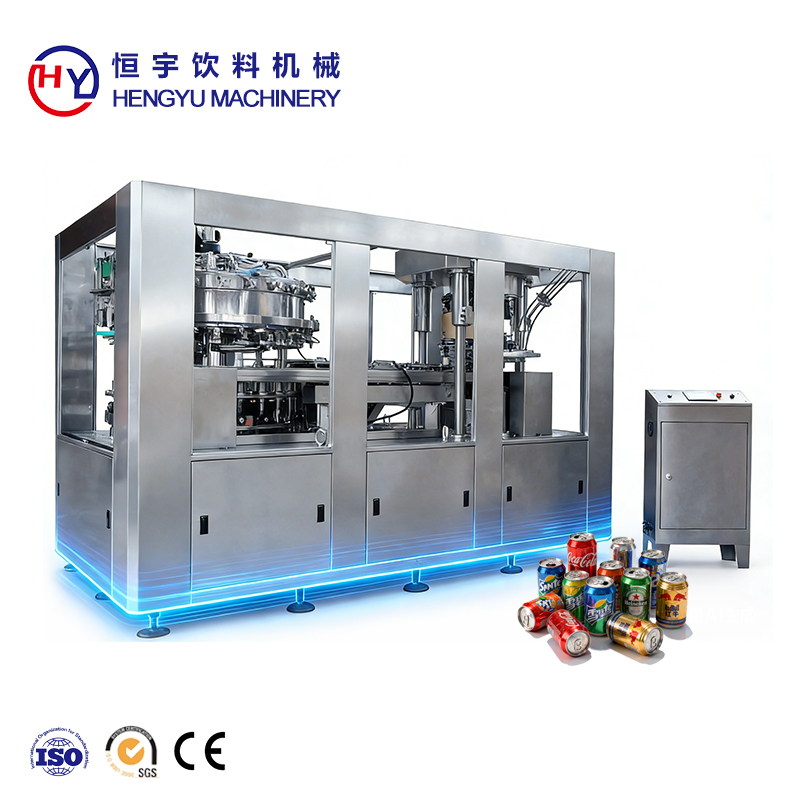
Pružný stroj na plnenie plechoviek, ktorý spracováva viacero typov nápojov, zvyšuje prevádzkovú účinnosť a znižuje zložitosť výmeny. Niektoré stroje na plnenie plechoviek sa vyznačujú výbornými výsledkami pri uhlíkovaných nápojoch, avšak majú problémy so stálymi nápojmi, džúsmi alebo viskóznymi výrobkami. Zvážte, či váš vybraný stroj na plnenie plechoviek vyžaduje minimálnu úpravu pri prechode medzi rôznymi veľkosťami plechoviek alebo formuláciami výrobkov. Pokročilé stroje na plnenie plechoviek sú vybavené rýchlo vymeniteľnými tryskami, programovateľnými ovládacími prvkami a prispôsobiteľnými nastaveniami tlaku, ktoré umožňujú prispôsobiť sa rozmanitým výrobným scenárom bez predĺženej výpadkovej doby. Táto všestrannosť je obzvlášť cenná pre továrne, ktoré vyrábajú sezónne výrobky, obmedzené edície alebo špeciálne formulácie vyžadujúce rýchle prepnutie výroby.
Spoľahlivosť, údržba a celkové náklady na vlastníctvo
Hodnotenie trvanlivosti a kvality výroby
Trvanlivosť stroja na plnenie plechoviek určuje jeho produkčnú životnosť a návratnosť investície. Vysoko kvalitné stroje na plnenie plechoviek sú vyrobené z nehrdzavejúcej ocele, ktorá odoláva korózii spôsobenej kyslými nápojmi a častými postupmi čistenia. Preskúmajte mechanické komponenty, pohonné systémy a materiály tesnení použité vo vašom potenciálnom stroji na plnenie plechoviek. Potravinové materiály a modulárny dizajn umožňujú jednoduchšiu výmenu opotrebovateľných dielov bez úplného vypnutia celého systému. Požiadajte o informácie o predpokladanej životnosti kritických komponentov a dostupnosti náhradných dielov. Stroj na plnenie plechoviek navrhnutý pre pätnásťročnú prevádzkovú životnosť s ľahko dostupnými náhradnými dielmi ponúka lepšiu dlhodobú hodnotu v porovnaní s lacnejšou možnosťou s obmedzenou infraštruktúrou podpory.
Podpora, školenie a prevádzková efektívnosť
Podpora poskytovateľa stroja na plnenie plechoviek významne ovplyvňuje úspech vašej prevádzky. Kvalitní dodávatelia poskytujú komplexné školenia personálu, podrobné prevádzkové manuály a rýchlu technickú podporu. Overte, či váš dodávateľ strojov na plnenie plechoviek ponúka diaľkovú diagnostiku, plánovanú preventívnu údržbu a zásoby náhradných dielov, aby sa minimalizovalo núdzové výpadky. Zohľadnite celkové náklady na vlastníctvo, vrátane spotreby energie, spotreby vody, požiadaviek na čistiace prostriedky a pracovných nákladov na prevádzku a údržbu. Stroj na plnenie plechoviek s vyššou počiatočnou cenou, ale nižšími prevádzkovými nákladmi, často dosahuje lepší ekonomický výkon počas celej doby jeho životnosti. Požiadajte o podrobné porovnanie nákladov, ktoré presahuje len počiatočnú cenu a zahŕňa prevádzkové náklady za päť rokov.
Často kladené otázky
Aké veľkosti a materiály plechoviek dokáže moderný stroj na plnenie plechoviek spracovať?
Súčasné napĺňacie stroje pre plechovky spracúvajú štandardné hliníkové plechovky s objemom od 200 mililitrov do 500 mililitrov, pričom niektoré vyššie modely akceptujú plechovky až do jedného litra. Väčšina napĺňacích strojov pre plechovky je navyše kompatibilná s plastovými a cinkovanými nádobami pomocou rýchlo vymeniteľných komponentov. Vždy overte, či vybraný napĺňací stroj pre plechovky podporuje presné rozmery a materiály plechoviek používaných vo vašich súčasných aj plánovaných výrobných linkách.
Ako často vyžaduje napĺňací stroj pre plechovky údržbu a čistenie?
Dobrá náplňovacia stroj na plechovky vyžaduje čistenie po každej výmene produktu a dennú dezinfekciu, aby sa udržali hygienické štandardy. Podrobné plány údržby sa líšia podľa modelu stroja a mali by ich poskytnúť výrobcovia. Pravidelná preventívna údržba náplňových strojov na plechovky sa zvyčajne vykonáva týždenne alebo mesačne, v závislosti od intenzity používania a typu nápoja. Investícia do náplňového stroja na plechovky s priateľskými protokolmi čistenia zníži požiadavky na pracovnú silu a prerušenia výroby.
Aké regulačné certifikáty by mal mať náplňový stroj na plechovky pre výrobu nápojov?
Vaša napľňovacia strojna pre plechovky musí spĺňať miestne predpisy týkajúce sa bezpečnosti potravín a odvetvové štandardy pre vybavenie na výrobu nápojov. Medzi bežné certifikáty patria označenie CE pre zhodu s európskymi predpismi, zhoda s požiadavkami FDA pre zariadenia určené na trh Spojených štátov a odvetvové štandardy. Skontrolujte, či dokumentácia k vašej napľňovacej strojnii pre plechovky obsahuje všetky príslušné certifikáty a či dodávateľ poskytuje overenie zhody pre vaše cieľové trhy.