
 CN
CN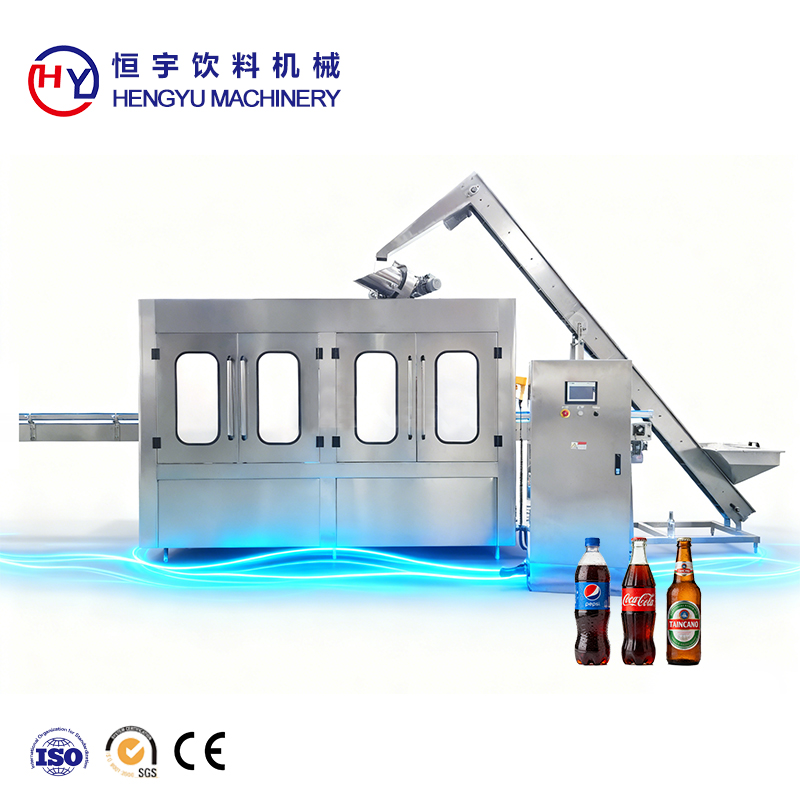
Energibesparande tekniker i dryckesfyllningsmaskiner har blivit avgörande för moderna produktionsanläggningar som söker minska driftskostnaderna utan att försämra kvaliteten på produktionen. Eftersom energikostnaderna fortsätter att stiga globalt står dryckestillverkare inför ökad press att införa lösningar som minimerar elanvändningen utan att påverka produktionens hastighet eller produkternas integritet. Integrationen av energibesparande tekniker i dryckesfyllningsmaskiner utgör en strategisk investering som ger både omedelbara kostnadsminskningar och långsiktiga hållbarhetsfördelar. Att förstå dessa tekniker gör det möjligt för tillverkare att fatta välgrundade beslut om utrustningsuppdateringar och processoptimering.
Modernare dryckesfyllningsoperationer kräver betydande elektrisk effekt för funktioner som pumpning, kyling, försegling och etikettering. Energibesparande tekniker i dryckesfyllningsmaskiner möter denna utmaning genom innovativa motorkonstruktioner, variabla frekvensomvandlare och intelligenta styrsystem. Dessa tekniker fungerar tillsammans för att optimera energiförbrukningen över alla maskinkomponenter, vilket resulterar i mätbara minskningar av effektförbrukningen både under toppproduktion och i viloläge. För dryckestillverkare som kör flera fyllningslinjer kan de sammanlagda besparingarna från energibesparande tekniker i dryckesfyllningsmaskiner representera betydande årlig kostnadsåtervinning.
Motoreffektivitet och drivsystem
Avancerad motorteknik
Grunden för energisparande teknik i dryckesfyllningsmaskiner börjar med högeffektiva elmotorer som är utformade för att minimera värmeavgivning och mekanisk friktion. Premiumeffektiva motorer med klassificering IE3 eller högre ger avsevärt bättre prestanda än standardindustrimotorer. Energisparande teknik i dryckesfyllningsmaskiner integrerar dessa avancerade motorer med optimerade lageranordningar och magnetiska konstruktioner. Förbättrad motoreffektivitet översätts direkt till lägre elanvändning under fyllningscykler, vilket minskar den totala energianvändningen i dryckesproduktionsverksamheten.
Variabelfrekvensdrivare
Frekvensomriktare utgör en avgörande komponent i energibesparande tekniker för dryckesfyllningsmaskiner, vilket gör att operatörer kan justera motorns hastighet baserat på verkliga produktionskrav i realtid. Istället för att driva motorer med konstant full hastighet möjliggör frekvensomriktare att dryckesfyllningsmaskiner kan arbeta med minskad hastighet under perioder med lägre volym. Energibesparande tekniker i dryckesfyllningsmaskiner som använder frekvensomriktare kan uppnå energibesparingar på 20 till 40 procent jämfört med drift vid fast hastighet. Denna dynamiska hastighetsjustering bibehåller flexibiliteten i produktionen samtidigt som slöseri med energi undviks vid delbelastning.
Hydraulisk systemoptimering
Tryckstyrning och flödesreglering
Hydrauliska system i dryckesfyllningsmaskiner förbrukar betydlig energi, vilket gör dem till primära mål för energioptimering. Energibesparande tekniker i dryckesfyllningsmaskiner använder proportionella reglerventiler som reglerar tryck och flöde med hög precision, vilket eliminerar onödig effektförlust genom strypning. Lastkänslomhydraulpumpar justerar automatiskt tryckutmatningen för att anpassa sig till det faktiska systemets krav, en nyckelfunktion hos moderna energibesparande tekniker i dryckesfyllningsmaskiner. Detta efterfrågeanpassade tillvägagångssätt förhindrar att hydraulsystemen ständigt drivs vid maximalt tryck, vilket minskar energiförbrukningen avsevärt.
Värmeåtervinningssystem
Energibesparande tekniker i dryckesfyllningsmaskiner integrerar ofta värmeåtervinningssystem som fångar upp termisk energi från hydrauliska system för produktiv användning. Kylkraven för hydraulvätskor genererar betydande spillvärme som energibesparande tekniker i dryckesfyllningsmaskiner kan omleda till uppvärmning av processvatten eller anläggningsutrymmen. Genom att återvinna och återanvända denna termiska energi minskar dryckesfyllningsdrift både kylkostnader och primär energiförbrukning. Denna sluten cykel visar hur omfattande energibesparande tekniker i dryckesfyllningsmaskiner hanterar flera förbrukningspunkter samtidigt.

Styrsystem och automationsintelligens
Prediktiv underhåll och prestandaövervakning
Intelligenta kontrollsystem inbyggda i moderna dryckesfyllningsmaskiner spårar driftparametrar kontinuerligt, vilket möjliggör energibesparande teknik i dryckesfyllningsmaskiner att identifiera ineffektiviteter innan de eskalerar. Övervakning i realtid av motorström, trycknivåer och termiska förhållanden gör det möjligt for operatörer att optimera inställningar för maximal effektivitet. Energibesparande teknik i dryckesfyllningsmaskiner med prediktiv analys kan varna operatörer om pågående mekaniska problem som ökar energiförbrukningen. Genom att hålla utrustningen i bästa skick bevarar denna energibesparande teknik i dryckesfyllningsmaskiner effektiviteten under en längre livslängd.
Optimering av produktionsschemaläggning
Avancerade styrsystem för dryckesfyllningsmaskiner kan samordna produktionsplaner för att minimera startcykler och ideella perioder, vilket är kärnfunktionaliteter hos energibesparande tekniker i dryckesfyllningsmaskiner. Genom att sammanföra produktionsomgångar minskas antalet maskinstarter, vilka förbrukar en oproportionerlig mängd energi. Energibesparande tekniker i dryckesfyllningsmaskiner optimerar sekvensplaneringen för att upprätthålla konstant linjehastighet och minimera accelerations- och decelerationscykler. Denna intelligenta schemaläggningsfunktion, som ingår i omfattande energibesparande tekniker i dryckesfyllningsmaskiner, kan minska den totala anläggningens energiförbrukning med 5 till 15 procent genom bättre operativ samordning.
Kylsystemets effektivitet
Drickfyllningsoperationer kräver ofta omfattande kylning för att bibehålla produktemperaturen under bearbetningen. Energibesparande tekniker i drickfyllningsmaskiner optimerar kylprestandan genom kompressorer med varierbar hastighet och intelligent termostatstyrning. Istället för att driva kylsystemen vid konstant kapacitet justerar energibesparande tekniker i drickfyllningsmaskiner kylutgången baserat på den faktiska termiska belastningen. Avancerade kylstyrningar som är integrerade i energibesparande tekniker i drickfyllningsmaskiner förhindrar temperaturöverskridning, vilket annars skulle utlösa onödig kompressorverkning. Dessa förbättringar av kylsystemets hantering kan minska kylkostnaderna med 25–35 procent per år.
Överväganden för genomförandet
Att använda energibesparande tekniker i dryckesfyllningsmaskiner kräver en noggrann utvärdering av nuvarande utrustningens kapacitet och produktionskrav. Anläggningar bör utföra grundläggande energikartläggningar för att fastställa förbrukningsmönster innan energibesparande tekniker implementeras i dryckesfyllningsmaskiner. Återbetalningstiden för investeringar i energibesparande tekniker i dryckesfyllningsmaskiner ligger vanligtvis mellan två och fem år, beroende på nuvarande energipriser och produktionsvolym. Underhållsprotokoll och operatörsträning säkerställer att energibesparande tekniker i dryckesfyllningsmaskiner ger varaktiga prestandafördelar under hela deras driftsliv.
Vanliga frågor
Hur stor andel av energikostnaderna kan energibesparande tekniker i dryckesfyllningsmaskiner minska?
Energibesparande tekniker i dryckesfyllningsmaskiner minskar vanligtvis energikostnaderna med 20 till 40 procent jämfört med konventionella system, där resultaten varierar beroende på utrustningens ålder, produktionsvolymen och regionens elpriser. Moderna lösningar som kombinerar frekvensomriktare, högeffektiva motorer och intelligent styrning uppnår den övre delen av detta intervall. Den sammanlagda effekten av flera energioptimeringstekniker i dryckesfyllningsmaskiner förstärker besparingen över alla driftsystem.
Är energibesparande tekniker i dryckesfyllningsmaskiner kompatibla med befintlig produktionsutrustning?
Många energisparande tekniker för dryckesfyllningsmaskiner kan monteras efteråt på befintlig utrustning, även om kompatibiliteten beror på den specifika maskinarkitekturen och styrsystemen. Variabla frekvensomvandlare och lastkänsliga hydraulpumpar integreras ofta med äldre system, medan vissa energisparande tekniker för dryckesfyllningsmaskiner kräver utbytesutrustning. Att rådfråga utrustningsexperter hjälper till att avgöra vilka energisparande tekniker för dryckesfyllningsmaskiner som passar bäst för nuvarande installationer.
Hur påverkar energisparande tekniker för dryckesfyllningsmaskiner produktionshastigheten och kvaliteten?
Energisparande tekniker för dryckesfyllningsmaskiner är utformade för att optimera effektiviteten utan att försämra produktionsprestanda eller produktkvalitet. Avancerade styrsystem säkerställer konsekvent fyllningsnoggrannhet och förseglingens integritet samtidigt som energiförbrukningen minskar. Den energibesparande teknologier i dryckesfyllningsmaskiner från specialiserade tillverkare säkerställer att förbättringar av hastighet och effektivitet kompletterar snarare än försämrar produktionsstandarderna.
Innehållsförteckning
- Motoreffektivitet och drivsystem
- Hydraulisk systemoptimering
- Styrsystem och automationsintelligens
- Kylsystemets effektivitet
- Överväganden för genomförandet
-
Vanliga frågor
- Hur stor andel av energikostnaderna kan energibesparande tekniker i dryckesfyllningsmaskiner minska?
- Är energibesparande tekniker i dryckesfyllningsmaskiner kompatibla med befintlig produktionsutrustning?
- Hur påverkar energisparande tekniker för dryckesfyllningsmaskiner produktionshastigheten och kvaliteten?