
 CN
CN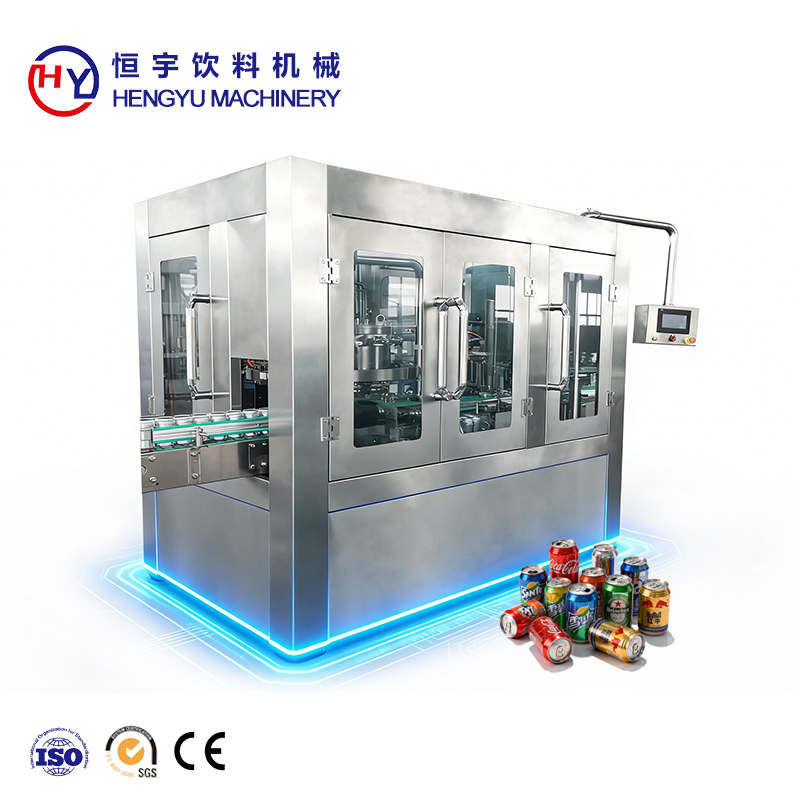
Zamonaviy ichimliklar ishlab chiqarish aniqlik, tezlik va doimiylikni talab qiladi. Yuqori tezlikdagi banka to'ldirish uskunalari avtomatlashtirilishi iste'molchilarning o'sib borayotgan talablarini qondirish va qat'iy sifat standartlarini saqlash maqsadida ishlab chiqaruvchilar uchun zarur ahamiyat kasb etdi. Yuqori tezlikdagi banka to'ldirish uskunalari avtomatlashtirilishi qo'l bilan bajariladigan ishlarning samarasizligini yo'q qiladi, mahsulotlarning sarfini kamaytiradi va har bir bankaning aniq to'ldirish darajasi hamda xavfsizlik talablariga mos kelishini ta'minlaydi. Gazlangan shirin ichimliklar, pivo yoki energiya ichimliklarini ishlab chiqarishdan qat'i nazar, yuqori tezlikdagi banka to'ldirish uskunalari avtomatlashtirilishi ishlab chiqarish chizig'ini mehnat intensiv operatsiyalardan aqlli, o'z-o'zini sozlaydigan tizimlarga aylantiradi va minimal odam qatnashishi bilan doimiy ishlaydi.
Ichimlik sanoati sifatni pasaytirmasdan ish quvvatini oshirishga doimiy bosimda turadi. Yuqori tezlikdagi banka to'ldirish mashinalarida avtomatlashtirish ushbu muammo hal etiladi, chunki bu mashinalarga ilg'or sensorlar, aniq pompa va haqiqiy vaqt rejimida nazorat qilish tizimlari integratsiya qilinadi. Bu mashinalar daqiqasiga yuzlab bankalarni to'ldirib, aniq bosim darajasini saqlab, ortiqcha to'ldirishni oldini oladi va nuqsonlarni darhol aniqlaydi. Yuqori tezlikdagi banka to'ldirish mashinalarida avtomatlashtirishni ishlab chiqarish jarayonlariga jamlash — samarali kengaytirishga intilayotgan va operatsion xarajatlarni kamaytirishga harakat qilayotgan ishlab chiqaruvchilar uchun muhim raqobat afzalligini anglatadi.
Yuqori tezlikdagi banka to'ldirish mashinalarida avtomatlashtirishni tushunish
Asosiy avtomatlashtirish texnologiyalari
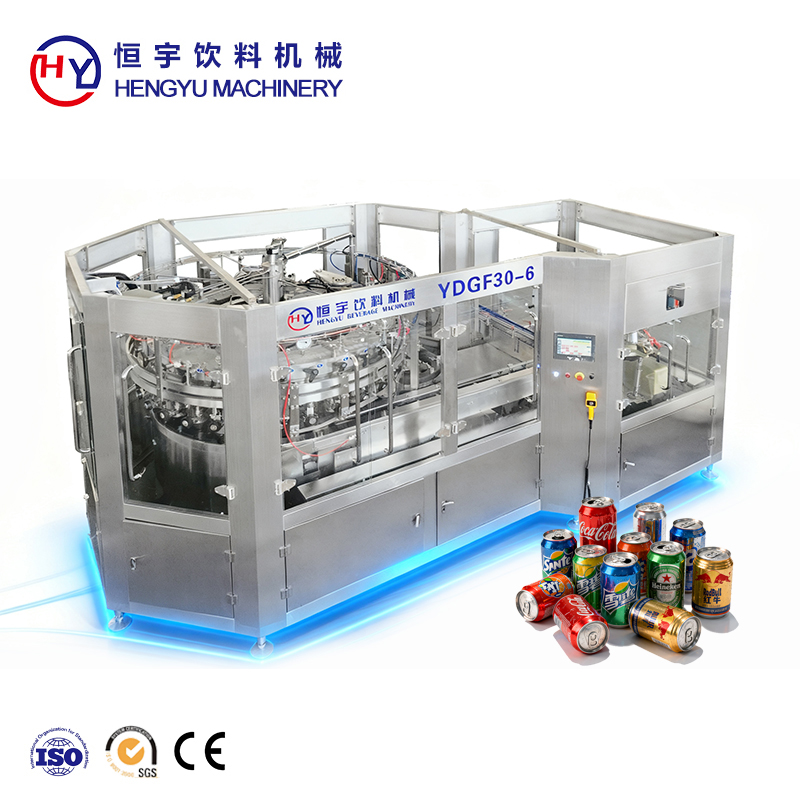
Yuqori tezlikdagi banka to‘ldirish uskunalari avtomatlashtirilishi bir nechta o‘zaro bog‘langan texnologiyalarga tayanadi, ular birgalikda uzluksiz hamkorlik qiladi. PLC (dasturlanuvchi mantiqiy boshqaruvchi) tizimlari zamonaviy to‘ldirish operatsiyalarining miyasini tashkil etadi va sensor ma’lumotlarini qayta ishlash orqali to‘ldirish hajmini haqiqiy vaqtda sozlaydi. Yuqori tezlikdagi banka to‘ldirish uskunalari avtomatlashtirilishiga asoslangan servodrayvli quvurlar mahsulotning g‘ovakligi yoki karbonallashtirilganlik darajasidan qat’i nazar, aniq miqdordagi suyuqlikni yetkazib beradi. Har bir bankaning ostidagi og‘irlik sensorlari to‘ldirish aniqligini millisekundlar ichida tekshiradi va dasturlangan parametrlardan tashqari qolgan bankalarni rad etadi. Yuqori tezlikdagi banka to‘ldirish uskunalari avtomatlashtirilishining bunday darajasi har bir partiyani bir xil sifat ko‘rsatkichlarida saqlashni ta’minlaydi, bu esa brend obro‘sini va iste’molchilarning ishonchini himoya qiladi.
Ishlab chiqarish liniyalari bilan integratsiya
Yuqori tezlikdagi banka to‘ldirish uskunalari avtomatlashtirilishi yuqoridagi banka qadoqlash uskunalari — jumladan, yuvish uskunalari, depalletizatorlar va konveyer tizimlari bilan silliq integratsiya qiladi. Butun liniya birlashtirilgan tizim sifatida ishlaydi, ya'ni yuqori tezlikdagi banka to‘ldirish uskunalari avtomatlashtirilishi liniyaning yuqoridagi va pastdagi uskunalari bilan aloqa qiladi, optimal liniya muvozanatini saqlaydi va tor aylanish nuqtalarini oldini oladi. To‘ldirish bosqichida kechikishlar sodir bo‘lganda, yuqori tezlikdagi banka to‘ldirish uskunalari avtomatlashtirilishi yuvish uskunalarga chiqishni sekinlashtirishni so‘raydi; bu esa to‘planishni oldini oladi va mahsulotlarga zarar yetkazishni kamaytiradi. Bu sinxronlashish qobiliyati yuqori quvvatda ishlaydigan korxonalar uchun mahsulot butunligini saqlamay turib maksimal quvvatga erishishda yuqori tezlikdagi banka to‘ldirish uskunalari avtomatlashtirilishining muhim ahamiyatini ko‘rsatadi.
To‘ldirish operatsiyalarida avtomatlashtirilishning samaradorlik afzalliklari
Ishlab chiqarish samaradorligi va quvvati
Avtomatlashtirilmasdan yuqori tezlikdagi to'ldirish odatda 15 dan 20 gacha odam operatorlarni talab qiladi: ular hajmlarni to'ldirish, bosimni kuzatish va nuqsonli bankalarni olib tashlash bilan shug'ullanadi. Yuqori tezlikdagi banka to'ldirish uskunalari uchun avtomatlashtirish bu vazifalarni bitta operatorga birlashtiradi, u avtomatlashtirilgan jarayonni kuzatib boradi va faqat tizim diagnostikasi ogohlantirish berdiyida aralashadi. Zamonaviy avtomatlashtirish yuqori tezlikdagi banka to'ldirish uskualarida daqiqasiga 2000 dan ortiq banka to'ldirish tezligini ta'minlaydi va qo'l bilan bajariladigan ishlarda saqlab bo'lmasa bo'ladigan doimiylik standartlarini saqlaydi. Tezlik afzalligi bevosita daromad o'sishiga aylanadi; avtomatlashtirilgan yuqori tezlikdagi banka to'ldirish uskualaridan foydalangan ishlab chiqaruvchilar bir xil xodimlar soni bilan yarim-avtomatlashtirilgan alternativlarga nisbatan ancha yuqori kunlik hajmlarni qayta ishlash imkoniyatiga ega.
Sifat Nazorati va Muvofiqlik
FDA kabi nazorat organlari hamda ichimlik sanoati konsortsiumlari qadoqlashda aniq to'ldirish va sig'imning butunligi bo'yicha qat'iy talablarni belgilaydi. Yuqori tezlikdagi banka to'ldirish avtomatlarida amalga oshiriladigan avtomatlashtirish real vaqtda o'lchov tizimlarini joriy etadi, bu esa har bir to'ldirish operatsiyasini hujjatlarga qo'shadi va nazorat talablaridan yuqori darajada mos keladigan qonuniy hujjatlarni yaratadi. Yuqori tezlikdagi banka to'ldirish avtomatlarida amalga oshiriladigan avtomatlashtirish dasturda belgilangan me'yorni buzishni aniqlaganda, bekor qilish darhol amalga oshiriladi va mos kelmaydigan mahsulot iste'molchilarga yetib bormaslikka olib keladi. Bunday avtomatlashtirilgan qonuniy moslik imkoniyati javobgarlik xavfini kamaytiradi va qimmatli mahsulotlarni qaytarishni oldini oladi. Yuqori tezlikdagi banka to'ldirish avtomatlarida amalga oshiriladigan avtomatlashtirishning o'ziga xos ma'lumotlar yozish funksiyasi shuningdek, trendlarni tahlil qilish imkonini beradi va operatorlarga uskunalar avariyasiga olib keladigan muammolarni oldindan bashorat qilish imkonini beradi.
Iqtisodiy va operatsionellik foydalaridan
Chiqindi miqdorini kamaytirish orqali xarajatlarni kamaytirish
Mahsulot chiqindilari ichimliklar ishlab chiqarishda katta xarajatlarga sabab bo'ladi. Sifatsiz to'ldirish mahsulotni xarob qiladi, kam to'ldirish esa mijozlarning noroziligiga va ehtimoliy tartibga rioya qilmaslikka olib keladi. Yuqori tezlikdagi banka to'ldirish avtomatlarida avtomatlashtirish aniq hajm nazorati orqali chiqindilarni minimal darajada kamaytiradi; bu, qo'lda to'ldirishda 2 dan 4% gacha bo'lgan chiqindilarga qaraganda, odatda mahsulot yo'qotishini 0,5% dan kam darajaga kamaytiradi. Yiliga millionlab birlik ishlab chiqaradigan korxonalar uchun bu aniqlik yuzlab ming dollarlik qaytarilgan mahsulot qiymatini anglatadi. Yuqori tezlikdagi banka to'ldirish avtomatlarida avtomatlashtirish shuningdek, nuqsonli bankalarni avtomatik ravishda rad etish orqali qayta ishlashga bo'lgan ehtiyojni kamaytiradi, ya'ni ular mijozlarga tarqatilmaydi va keyinchalik qaytarilmaydi.
Xizmat ko'rsatish va umumiy egallash narxi
Avtomatlashtirilgan tizimlarga rejalashtirilgan texnik xizmat ko'rsatish talab qilinadi, lekin bu yarim avtomatlashtirilgan ishlab chiqarishda bashorat qilinmaydigan mehnat resurslariga qo'yiladigan talablarga qaraganda ancha arzon. Yuqori tezlikdagi banka to'ldirish mashinalarida avtomatlashtirish doimiy ravishda ishlaydi va texnik xizmat ko'rsatish muddatlari yaxshi hujjatlashtirilgan bo'lib, korxonalar ishlab chiqarishning rejalashtirilgan uzilishlarida to'xtatishni rejalashtirish imkonini beradi. Zamonaviy yuqori tezlikdagi banka to'ldirish mashinalarida avtomatlashtirishga ulangan bashorat qiluvchi texnik xizmat ko'rsatish funksiyalari operatorlarga avariyaga olib keladigan ishlash belgilarini avariyadan oldin ogohlantiradi va kutilmagan avariya holatlarni bartaraf etadi. 10 yillik korxona yashash muddati davomida yuqori tezlikdagi banka to'ldirish mashinalarida avtomatlashtirish uchun umumiy egallash xarajatlari — kapital investitsiyasi, texnik xizmat ko'rsatish va mehnat xarajatlarini tejash — mehnat intensiv variantlarga nisbatan sezilarli foyda olish imkonini beradi.
Sanoat sohalari va vaziyatlar
Gazlangan ichimliklar ishlab chiqarish
Gazlangan soddalashtirilgan ichimliklar bosimni boshqarish va qopqoq hosil bo'lishini nazorat qilish tufayli noyob qiyinchiliklarga duch keladi. Gazlangan ichimliklar uchun mo'ljallangan yuqori tezlikdagi banka to'ldirish avtomatlarida avtomatlashtirish, har bir bankani pastidan to'ldirish orqali amalga oshiriladi; bu CO2 ning qopqoq hosil qilmasdan chiqib ketishiga imkon beradi. Bu maxsus tizimlar to'ldirish jarayoni davomida bosim muvozanatini saqlash uchun yuqori tezlikdagi banka to'ldirish avtomatlarida avtomatlashtirish texnologiyasidan foydalanadi. Yetakchi soddalashtirilgan ichimlik ishlab chiqaruvchilari bu yuqori tezlikdagi banka to'ldirish avtomatlarida avtomatlashtirish usuliga tayanib, kuniga minglab bankalarga ±2 millilitr aniqlikda to'ldirish hajmini ta'minlaydi va mahsulotlar chizig'ida doimiy ta'm va matssizlikni saqlaydi.
Kraft va sanoat biri to'ldirish
Bir fermentatsiyasi uchun saqlash muddati va ta'm profilini saqlash uchun to'ldirish paytida kislorod miqdorini minimal darajada tutish talab qilinadi. Bir uchun yuqori tezlikdagi banka to'ldirish moslamalaridagi avtomatlashtirish degazatsiya stansiyalari va inert gaz bilan to'ldirish tizimlarini o'z ichiga oladi, ular to'ldirish naychalari bilan birga ishlaydi. Yuqori tezlikdagi banka to'ldirish moslamalaridagi avtomatlashtirish konfiguratsiyasi eritilgan kislorod miqdorini e'tiborga olinmaydigan darajaga tushiradi va maqsadli to'ldirish hajmini saqlaydi. Kichik bir brendlari (craft breweries) mahsulotlarini sifat jihatidan farqlaydigan xususiyatlarni saqlab turishda ishlab chiqarish hajmini oshirish uchun yuqori tezlikdagi banka to'ldirish moslamalaridagi avtomatlashtirishni barcha ko'proq qo'llaydi. Yuqori tezlikdagi banka to'ldirish moslamalaridagi avtomatlashtirish orqali amalga oshiriladigan aniq boshqaruv partiyalar orasidagi barqarorlikni ta'minlaydi va xum moylari hamda karbonatlanish darajasining nozik muvozanatini saqlashga yordam beradi.
Tez-tez so'raladigan savollar
Yuqori tezlikdagi banka to'ldirish moslamalaridagi avtomatlashtirish qanday qilib barqaror to'ldirish hajmlarini ta'minlaydi?
Yuqori tezlikdagi banka to‘ldirish avtomatlaridagi avtomatlashtirish bir necha tasdiqlash usullaridan bir vaqtning o‘zida foydalanadi. Har bir banka ostidagi og‘irlik sensorlari haqiqiy mahsulot massasini o‘lchaydi va uni dasturlangan maqsadlar bilan solishtiradi. Bir vaqtda, to‘ldirish kamerasi ichidagi daraja sensorlari mahsulot balandligini kuzatib boradi va shu tufayli nozullar aniq vaqtida to‘xtaydi. Yuqori tezlikdagi banka to‘ldirish avtomatlaridagi avtomatlashtirish shuningdek, temperaturaning o‘zgarishi yoki mahsulotning g‘ovakligi o‘zgarishlari tufayli to‘ldirish tezligi o‘zgarganda nasos tezligini mikrosekunddan-mikrosekundga moslashtiruvchi teskari aloqa halqalarini o‘z ichiga oladi. Bu ko‘p qavatli tasdiqlash yuqori tezlikdagi banka to‘ldirish avtomatlaridagi avtomatlashtirishning to‘ldirish aniqlikini qo‘lda bajariladigan operatsiyalarga qaraganda ancha tor do‘ira ichida saqlashini ta’minlaydi.
Yuqori tezlikdagi banka to‘ldirish avtomatlaridagi avtomatlashtirish qanday texnik xizmat ko‘rsatish talablarini qo‘yadi?
Yuqori tezlikdagi banka to‘ldirish avtomatlarida avtomatlashtirishni amalga oshirish uchun oldindan ta’mirlash talab qilinadi: har 500 ish soatidan keyin nozullarni tekshirish, har chorakda g‘ishtaklarni almashtirish va oyiga bir marta sensorlarni moslash. Komponentlarning nosozligi bashoratsiz tarzda ketma-ket sodir bo‘ladigan yarim avtomatik tizimlardan farqli o‘laroq, yuqori tezlikdagi banka to‘ldirish avtomatlarida avtomatlashtirish rejalashtirilgan ta’mirlash asosida ishlaydi, shu sababli korxonalar to‘xtovlarni oldindan rejalashtirish imkoniyatiga ega. Aksariyat ishlab chiqaruvchilar yuqori tezlikdagi banka to‘ldirish avtomatlarida avtomatlashtirish uchun batafsil ta’mirlash protokollarini nashr etadilar va bu oraliqlarni maxsus tashqi xizmatlar chaqirishsiz zavod ta’mirlash xodimlari boshqara oladi. Yuqori tezlikdagi banka to‘ldirish avtomatlarida avtomatlashtirishni to‘g‘ri ta’mirlash uskunaning yashash muddatini 15 yildan ortiq davom ettiradi va eng yuqori samaradorlik ko‘rsatkichlarini saqlaydi.
Yuqori tezlikdagi banka to‘ldirish avtomatlarida avtomatlashtirish turli xil mahsulot turlarini qabul qila oladimi?
Ha, zamonaviy avtomatlashtirish yuqori tezlikdagi banka to‘ldirish uskunalari karbonlangan ichimliklardan sharbatga o‘tishda tez almashtirish imkonini beradigan dasturlanuvchi retsept sozlamalarini o‘z ichiga oladi. Operatorlar avtomatlashtirish yuqori tezlikdagi banka to‘ldirish uskunalari boshqaruv paneliga kirib, mos mahsulot profilini tanlaydi va to‘ldirish hajmi, bosim darajasi va sikl vaqti kabi parametrlarni bir necha daqiqada sozlaydi. Ba’zi avtomatlashtirish yuqori tezlikdagi banka to‘ldirish uskunalari tizimlari avtomatik sensorlar almashtirish va nozullarning joylashuvini moslashtirish funksiyasini ham o‘z ichiga oladi, bu esa almashtirish vaqtini 15 daqiqadan kamroq qiladi. Bu moslik avtomatlashtirish yuqori tezlikdagi banka to‘ldirish uskunalari bir xil korxodada bir nechta ichimlik brendlari uchun shartnoma asosida ishlaydigan korxonalar uchun juda qulay qiladi.
Mundarija
- Yuqori tezlikdagi banka to'ldirish mashinalarida avtomatlashtirishni tushunish
- To‘ldirish operatsiyalarida avtomatlashtirilishning samaradorlik afzalliklari
- Iqtisodiy va operatsionellik foydalaridan
- Sanoat sohalari va vaziyatlar
-
Tez-tez so'raladigan savollar
- Yuqori tezlikdagi banka to'ldirish moslamalaridagi avtomatlashtirish qanday qilib barqaror to'ldirish hajmlarini ta'minlaydi?
- Yuqori tezlikdagi banka to‘ldirish avtomatlaridagi avtomatlashtirish qanday texnik xizmat ko‘rsatish talablarini qo‘yadi?
- Yuqori tezlikdagi banka to‘ldirish avtomatlarida avtomatlashtirish turli xil mahsulot turlarini qabul qila oladimi?