
 CN
CN
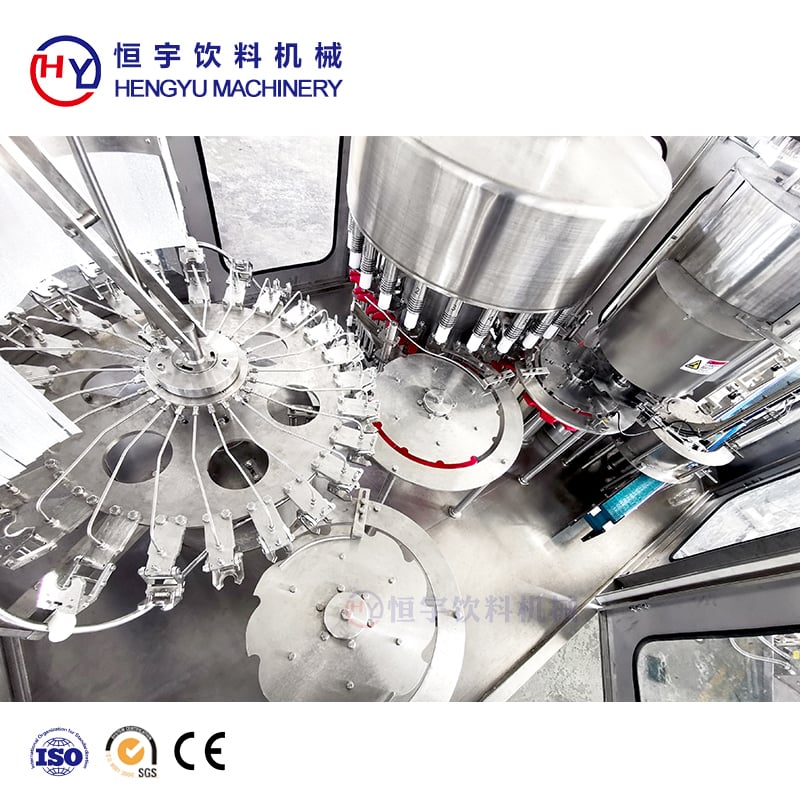
Regulatory Foundations and the Multi-Barrier Safety Framework
FDA, EPA, and ISO Standards Specific to Bottled Water Production Lines
The bottled water industry works within a pretty strict set of regulations. The FDA has these things called Good Manufacturing Practices (GMPs) that basically require companies to test for microbes every day, protect their source water, and keep detailed records about how they clean everything. Meanwhile, the EPA has its own rules about what counts as safe water quality, especially when it comes to public water sources that get turned into bottled water. There's also this international standard called ISO 22000 that many companies follow. It covers all sorts of food safety stuff like figuring out potential hazards in the process, tracking where ingredients come from, and constantly looking for ways to improve operations throughout the whole manufacturing chain. If companies don't follow these rules properly, they face real problems. For instance, if they fail to check their filtration systems or disinfection processes regularly, might force them to recall products and slap them with fines that can go over $100k each time (according to FDA data from 2023). All these different standards work together to maintain cleanliness and safety right from the moment water is drawn from its source until it ends up sealed in bottles ready for sale.
Implementing the Multi-Barrier Approach Across the Bottled Water Production Line
Most industries rely on what's called a multi barrier system for safety these days. Basically, they stack different control measures one after another to catch any possible contaminants throughout the whole process. The source water goes through reverse osmosis first, knocking out around 99% of all those dissolved solids and pesky microorganisms. Then comes UV light treatment that takes care of viruses and bacteria. After that, ozone gets injected into the mix, providing ongoing disinfection without messing with the taste or smell. When containers are being sealed, sterile air purging combined with positive pressure environments helps stop any airborne stuff from getting back in. Facilities that set up four or more of these verified barriers see about 70% fewer quality problems compared to places that just do one step according to NSF International data from 2023. And now with IoT sensors monitoring each step in real time, operators can spot when something goes off track pretty quickly, so they can fix issues before bad products ever reach customers.
Microbial and Chemical Hazard Control at Critical Control Points
Testing Protocols Before, During, and After Filling on Bottled Water Production Lines
Effective hazard control isn't just about how often we test but when those tests happen throughout the process according to HACCP standards. Let's start at the beginning. The source water gets checked thoroughly before anything else happens. We run all sorts of microbiological tests looking for bad stuff like E. coli, coliform bacteria, and Pseudomonas. Chemical checks also happen for things like heavy metals, nitrates, and pesticides that might be lurking around. Throughout the system, there are these automated sensors constantly watching over parameters such as turbidity levels, pH balance, conductivity readings, and chlorine residual amounts so they can catch any strange changes early on. When it comes time to actually fill containers, inline analyzers make sure there's enough ozone or chlorine present between 0.2 and 1.0 parts per million. At the same time, robots grab samples from the filler nozzles themselves to check surfaces for biological contamination right then and there. After everything goes into its container, pressure decay tests automatically confirm if seals hold up properly. For quality assurance, random batches get tested for what's called heterotrophic plate counts (HPC). According to FDA guidelines, anything below 500 colony forming units per milliliter is considered safe for final products. Companies following this three stage approach with proper documentation in their HACCP plans see roughly an 89 percent drop in problems related to contamination compared to facilities that only do final checks at the end line, according to research published by the Global Water Safety Audit Consortium back in 2022.
From Source to Sealed Container: Ensuring Water Integrity Through the Production Line
Water safety isn't just hoped for—it's built into every step of the process. When water first comes out of the ground, ultraviolet light and reverse osmosis systems knock down pathogens by around 99.99% before anything gets close to bottles. The conveyor belts themselves fight contamination too, made from special materials that resist microbes while keeping clean air flowing around them as bottles move along. For virus protection, facilities inject just enough ozone (about 0.4 mg per liter) throughout the system. Sensors constantly check these levels to make sure everything stays within safe ranges without changing how the water tastes or smells. Before products leave the facility, inspectors run high tech cameras looking for tiny particles bigger than 50 microns and also double check that all those tamper-proof lids are properly sealed. Plants that follow this comprehensive approach see dramatically fewer problems requiring recalls when audited over five years. This shows how combining different kinds of protections across the whole production chain keeps consumers safe from source to store shelf.
Sanitary Design, CIP Validation, and Ongoing Hygiene Assurance
CIP System Validation and Equipment Sanitation for Bottled Water Production Lines
CIP validation goes way beyond regular cleaning—it's actually a scientific process to check if equipment surfaces reach certain standards for both microbes and chemicals without taking anything apart. When it comes to bottled water production lines, we need solid evidence that biofilm starters, leftover organic stuff, and any remaining sanitizers have been properly removed from all those parts including fillers, storage tanks, valves, and tubing according to FDA and EHEDG rules. The validation process typically involves checking surfaces before and after cleaning cycles using ATP tests, analyzing rinse water samples for traces of detergents and sanitizers left behind, plus doing focused swabs in areas where problems tend to hide most, like around filler nozzles and gasket connections. Automated CIP systems definitely help maintain consistent results because they can tightly control factors like solution strength, water temperature, how fast things move through the system, and exactly how long everything stays in contact. This cuts down on the inconsistencies that often come with manual operations. Regular maintenance also plays a big role here. Replacing worn seals at set intervals, making sure flow meters stay calibrated correctly, and regularly checking pump gaskets helps stop tiny leaks that might become breeding grounds for harmful bacteria. All these combined efforts keep PET bottle filling lines sterile, which reduces chances of contamination, unexpected shutdowns, and potential issues with regulators.
Continuous Monitoring and Preventive Maintenance in Modern Bottled Water Production Lines
These days, continuous monitoring and regular preventive maintenance aren't just nice to have features anymore. They're actually essential for keeping operations safe. Modern facilities use real time sensor networks throughout production lines. These sensors keep tabs on things like temperature changes, pressure levels, how fast liquids move through pipes, ozone concentrations, and even how much product gets filled into containers. All this information goes straight into advanced analytics systems that spot small problems before they turn into big issues. For instance, these systems can catch when UV light transmission starts dropping off or when valves begin showing increased back pressure. According to industry standards, companies that implement these kinds of proactive measures typically see between 20% and 35% fewer unexpected shutdowns. Automated lubrication systems help maintain clean bearings without introducing contaminants, while digital records for nozzle calibrations offer concrete evidence that dosing remains accurate. Maintenance tasks ranging from adjusting belt tightness to swapping out filters now get logged with timestamps and assigned responsibilities through cloud based maintenance management systems. When we combine all these physical components with software tools and proper documentation procedures, what we get is something quite different from traditional maintenance practices. Instead of waiting for breakdowns, maintenance becomes a continuous process that can be tracked and verified. This approach not only meets FDA Good Manufacturing Practice requirements but also builds lasting confidence among consumers who care about product quality.
FAQ
What are Good Manufacturing Practices (GMPs) for bottled water?
GMPs require companies to test for microbial contamination daily, protect source water, and maintain detailed cleaning records to ensure product safety.
What role does UV light play in bottled water production?
UV light is used to treat source water, eliminating viruses and bacteria as part of a multi-barrier safety approach to ensure water integrity.
Why is ozone used in bottled water production lines?
Ozone provides ongoing disinfection without affecting the taste or smell of the water, ensuring safety throughout the production process.
How is continuous monitoring implemented in modern production lines?
Modern facilities use real-time sensor networks to monitor various parameters, which help detect and resolve issues before they become significant problems.