
 CN
CN
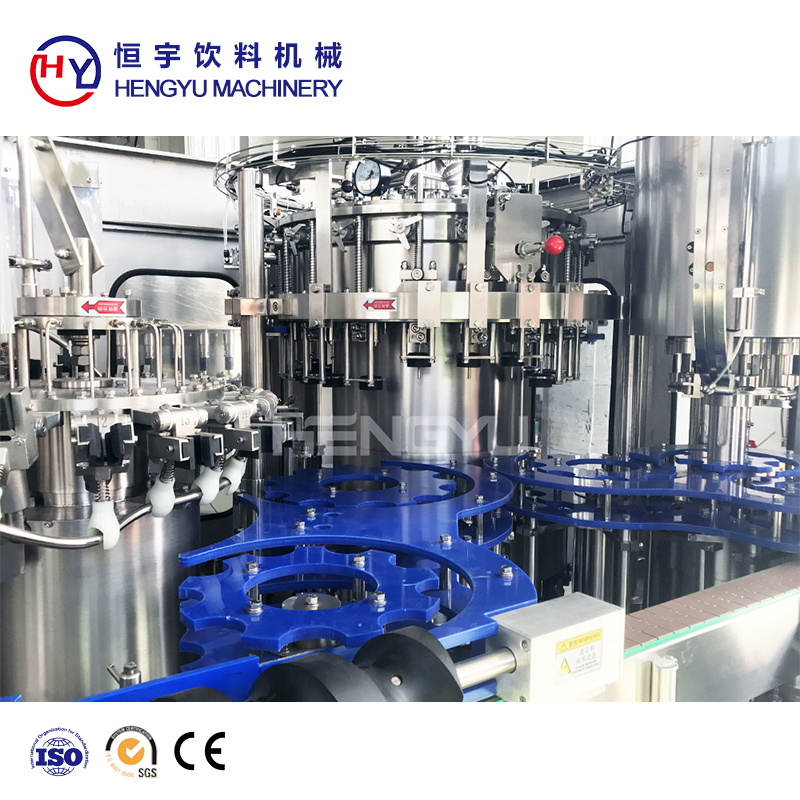
Diagnosing Bottlenecks in Your Bottled Water Production Line
Measuring Throughput Gaps: Bottling Speed, Changeover Time, and OEE Analysis
To get a handle on where production is falling short, look at three key performance indicators. Start by comparing actual bottling speeds to what the equipment should be capable of. When there's a gap of more than 15%, it usually means something isn't quite right with the machinery or maybe the settings need adjusting. Next up, keep an eye on how long it takes to switch between different products. Many plants lose around 20 to 30 minutes every shift because these transitions aren't optimized properly. And finally, figure out Overall Equipment Effectiveness, or OEE for short. This number comes from multiplying uptime, speed, and product quality. Top performers hit over 85% OEE, but most bottled water lines struggle around 60 to 70% efficiency, which amounts to roughly 12 days lost each month. Regular checks on OEE help identify if problems come from broken machines, those little stoppages that nobody notices, or simply poor quality control issues throughout the process.
Spotting Hidden Constraints: Sanitation Cycles, Labeling Lag, and Filler Starvation
There's more going on than just obvious slowdowns in production. Three hidden problems tend to really drag down output across manufacturing floors. Let's talk about cleaning schedules first. Plants need these regular sanitization breaks to stay compliant with regulations, but they eat up valuable time if they don't line up properly with actual production needs. Take those lines that require a quick 10 minute cleaning every hour - that adds up to around 16% lost running time over the course of a day in many food processing facilities. Then there's the labeling bottleneck. When the label applicator can't keep pace with what comes before it, bottles start piling up everywhere. The filler machines then run out of things to work on even though everything after them is ready to go. We've seen this happen repeatedly where conveyor belts just aren't moving fast enough to feed the filling heads at their full speed. These kinds of stop-and-go problems rarely show up in standard performance reports. But plant managers who install real time monitoring systems and actually read through their shift logs will notice these patterns emerging between the numbers.
Strategic Capacity Expansion for Bottled Water Production Lines
Demand-Driven Scaling: Aligning Investment with B2B Forecast Horizons
When expanding a bottled water production operation, getting in sync with business-to-business demand predictions is essential if companies want to steer clear of expensive mistakes on either side of investment decisions. Looking at market trends from the past three years combined with old order records helps spot where actual capacity falls short. Summer months typically bring spikes in demand, so many producers opt for modular additions that boost output by around 15 to 20 percent temporarily without spending big bucks upfront. Smart manufacturers focus on machinery that can switch configurations fast enough to handle different bottle sizes within half an hour or so, which keeps them from losing valuable orders when customer preferences shift suddenly. Following this strategy based on solid research saves hundreds of thousands each year in wasted resources tied up in unused equipment, plus it means being ready when new contracts come knocking at just the right moment.
Why Linear Equipment Additions Fail: The Diminishing Returns of Isolated Upgrades
Adding standalone high-speed fillers without downstream integration creates costly bottlenecks. Consider these limitations of fragmented upgrades:
| Upgrade Type | Throughput Gain | Hidden Costs |
|---|---|---|
| Filler-only | 8–12% | Labeler jams (+17% downtime) |
| Capper upgrade | 5–7% | Sanitation delays (+22% cycle time) |
| Conveyor expansion | 3–4% | QC backlog (+34% rejection rate) |
When companies invest in equipment separately instead of as part of a complete system, they end up creating major efficiency problems. Take for instance when someone buys a 24,000 bottles per hour filler but only has 18,000 BPH cappers available. That setup basically throws away around a quarter of what could be produced. What happens next? Maintenance costs go through the roof while actual production growth stays stubbornly below 10%. Real growth comes from redesigning entire production lines so everything works together. Modern factories are starting to layer automation technologies like cloud based OEE monitoring systems that help match up the different parts of the line at their optimal speeds. When manufacturers take this whole picture approach, they stop paying those hidden costs from disconnected machinery and actually see real results. Most plants report anywhere from 30% to almost 40% better throughput after making these kinds of comprehensive changes.
Selecting and Integrating High-Throughput Equipment for Bottled Water Production Lines
Speed vs. Compliance: Balancing Output Targets with FDA/ISO Sanitation Requirements
High-capacity bottling equipment must achieve throughput targets while adhering to strict FDA and ISO sanitation standards. Production lines face critical trade-offs:
- Accelerating cycle times risks incomplete sterilization during cleaning-in-place (CIP) cycles
- Over-prioritizing compliance can create bottlenecks, reducing OEE by up to 30%
Leading facilities resolve this by implementing precision-controlled fillers with automated sterilization protocols that maintain hygiene without compromising speed.
Modular, Integrated Line Solutions: Seamless Scalability Without Process Fragmentation
Modern production lines leverage modular design principles to eliminate compatibility gaps between equipment. Integrated systems demonstrate:
| Integration Approach | Traditional Lines | Modular Lines |
|---|---|---|
| Changeover Time | 45–60 minutes | ≤15 minutes |
| Downtime Impact | 22% production loss | <7% production loss |
| Scalability Cost | High retrofit expenses | Plug-and-play upgrades |
By standardizing communication protocols and utility interfaces, facilities achieve 25% faster capacity expansion while maintaining uninterrupted bottling operations.
Sustaining Gains: Workflow Optimization and Predictive Downtime Reduction
Data-Backed Maintenance: Benchmark Insights from 12 High-Volume Bottled Water Facilities
Moving away from fixing problems after they happen toward predicting them before they occur is what really makes operations run smoothly. Looking at recent industry reports, plants that have adopted sensor based maintenance systems typically see around 30 to maybe even 50 percent less unexpected downtime, plus their equipment tends to last about 20 to 40 percent longer than usual. The reason behind these improvements lies in constantly monitoring things like vibrations, temperatures, and pressure levels throughout the facility. This lets maintenance staff spot signs of wear long before something actually breaks down and stops production. Take filling nozzles for instance - sensors can often detect when seals are starting to degrade well over three days before any actual failure happens, giving teams time to replace them during regular cleaning periods instead of causing emergency shutdowns. There's another benefit too: companies report keeping roughly a quarter less spare parts in storage while still having what they need when emergencies do strike. What we're seeing across different manufacturing sites is pretty telling. When facilities combine these predictive tools with consistent work procedures, changeovers between production runs get about 18 percent faster, and overall equipment effectiveness jumps anywhere from 12 to maybe 15 points higher. Bottom line? Plants that want to maintain their output capacity need to look beyond just gathering data and start using it to anticipate issues before they become problems.
FAQ
What is the ideal OEE percentage for bottled water production lines?
Top performers in the industry aim for an OEE of over 85%. However, many bottled water lines struggle with an efficiency of about 60% to 70%.
How can companies reduce downtime during sanitation cycles?
Facilities can minimize downtime by aligning sanitation schedules with actual production needs and using precision-controlled fillers with automated sterilization protocols to maintain hygiene without compromising speed.
Why do isolated equipment upgrades fail to deliver expected returns?
Isolated upgrades often lead to bottlenecks because they do not integrate well with existing systems. This mismatch can cause increased downtime, higher maintenance costs, and limit production growth.
How can predictive maintenance systems improve operations?
Predictive maintenance systems use sensors to monitor equipment, allowing facilities to anticipate and address issues before they lead to downtime. This approach typically results in 30%-50% less unexpected downtime and longer equipment lifespan.