
 CN
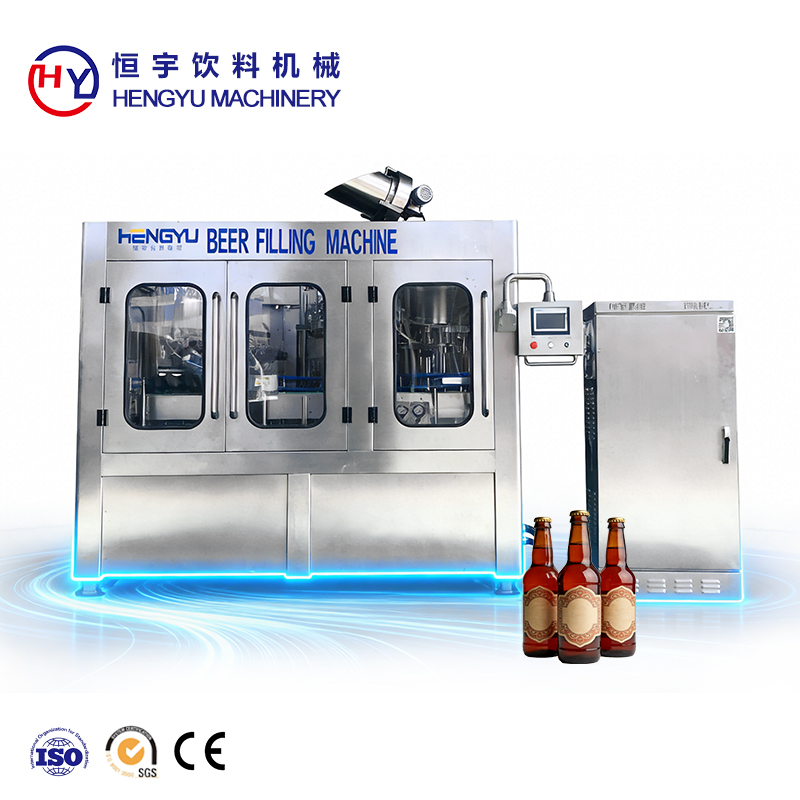
Modern breweries face intense pressure to increase production capacity while maintaining consistent quality and reducing operational costs. The beer filling machine has emerged as one of the most critical investments for breweries seeking to scale output without compromising product integrity. High-speed beer filling machines represent a fundamental shift in how breweries approach production efficiency, enabling facilities to move from manual or semi-automated processes to fully optimized filling operations that can handle thousands of bottles per hour.

A beer filling machine works by automating the entire filling process, from bottle positioning to liquid transfer to sealing, all executed at remarkable speeds. This automation eliminates human error, reduces product loss, and ensures every bottle receives the exact volume specified. For breweries competing in regional or national markets, investing in a modern beer filling machine directly translates to higher throughput, faster order fulfillment, and improved profit margins. Understanding how high-speed filling technology works and the specific advantages it delivers is essential for any brewery planning expansion or modernization.
How Modern Beer Filling Machines Enhance Production Speed
Achieving Consistent High-Capacity Output
The primary advantage of a high-speed beer filling machine is its ability to process significantly more bottles per hour than manual or older semi-automated systems. Contemporary beer filling machine models can reach fill rates between 3,000 and 5,000 bottles per hour, depending on bottle size, product specifications, and system configuration. This dramatic increase in throughput allows breweries to meet larger orders without expanding physical floor space or hiring substantially more staff. The beer filling machine achieves this velocity through precisely engineered mechanical components, servo-controlled valve systems, and intelligent timing mechanisms that work in perfect synchronization.
Reducing Downtime and Maintenance Requirements
Advanced beer filling machine designs minimize unplanned downtime through robust construction and self-diagnostic systems. Modern machines feature quick-change components, automated cleaning cycles, and predictive maintenance alerts that notify operators before problems develop. When a beer filling machine is engineered with fewer moving parts and higher-grade materials, it operates more reliably and requires less frequent servicing. This reliability improvement directly increases the average hours of productive operation per week, amplifying the effective production capacity beyond the machine's rated speed alone.
Key Operational Benefits of Beer Filling Machine Technology
Precision Volume Control and Quality Consistency
Every bottle filled by a modern beer filling machine dispenses precisely the same volume, meeting regulatory requirements and consumer expectations without variance. This accuracy eliminates overfill waste and underfill complaints, protecting brand reputation and regulatory compliance. The beer filling machine achieves this precision through electronic level sensors, servo-controlled pistons, or pressure-based filling methodologies that adapt to variations in bottle geometry or product density. For breweries operating across multiple bottle sizes or product types, a versatile beer filling machine with changeable filling heads and software-adjustable parameters provides enormous operational flexibility.
Integrated Quality Assurance and Contamination Prevention
High-speed beer filling machine systems incorporate integrated vision inspection, pressure validation, and contamination detection systems that verify each bottle meets quality standards before it leaves the filling zone. These real-time checks identify defects—including improper seals, foreign particles, or insufficient fill—and automatically remove compromised bottles from the production line. A beer filling machine equipped with such validation prevents defective products from reaching customers, safeguarding market reputation and reducing costly recalls. The systematic approach to quality assurance embedded within the beer filling machine framework transforms filling from a production step into a critical quality gateway.
Strategic Advantages for Brewery Growth and Competitiveness
Scaling Production Without Proportional Cost Increases
One of the most compelling business cases for adopting a beer filling machine is the ability to increase output volume without proportionally increasing labor costs. Once installed and optimized, the beer filling machine operates continuously with minimal human supervision, making the cost per bottle substantially lower than labor-intensive alternatives. This improved unit economics becomes especially valuable as breweries grow, because a single beer filling machine investment supports significantly larger production volumes compared to manual filling approaches. For breweries targeting regional expansion or new market entry, the efficiency gains from a beer filling machine often determine whether the investment is viable.
Meeting Market Demand and Order Fulfillment Speed
Markets reward breweries that can fulfill orders quickly and reliably, and a beer filling machine directly enables faster order turnaround. Distributors and retailers prefer suppliers who can meet unexpected demand spikes or rush orders without delays. When a brewery has invested in a high-capacity beer filling machine, that facility becomes more attractive to large customers who need dependable supply chains. The beer filling machine's speed and reliability transform the brewery into a more competitive market participant, capable of pursuing larger contracts and geographic expansion that would be impossible with slower filling methods.
FAQ
What distinguishes a high-speed beer filling machine from basic filling equipment?
A high-speed beer filling machine incorporates advanced servo controls, precision sensors, integrated quality assurance systems, and robust construction that enables consistent operation at 3,000 bottles per hour or higher. Basic equipment typically operates at much slower speeds and lacks integrated validation or self-diagnostic capabilities. The beer filling machine represents a generational leap in capability and reliability, translating to significantly lower operational costs and higher uptime percentages across an extended service life.
How does a beer filling machine improve inventory management and reduce waste?
The precision volume control of a modern beer filling machine eliminates overfill waste while preventing underfill complaints or regulatory violations. Accurate filling reduces inventory shrinkage and allows breweries to forecast stock requirements with greater confidence. Additionally, fewer defective bottles produced by the beer filling machine's integrated quality checks means less waste reaching storage or requiring rework, improving overall material efficiency and profitability.
What factors should breweries consider when selecting a beer filling machine?
Breweries should evaluate bottle size compatibility, target fill speed, space constraints, integration with existing equipment, ease of changeover between product types, and ongoing technical support when choosing a beer filling machine. The beer filling machine must align with current production volumes and anticipated growth projections to justify the investment. Additionally, comparing reliability ratings, warranty coverage, and service network availability helps ensure the beer filling machine performs consistently and receives responsive support throughout its operating life.