
 CN
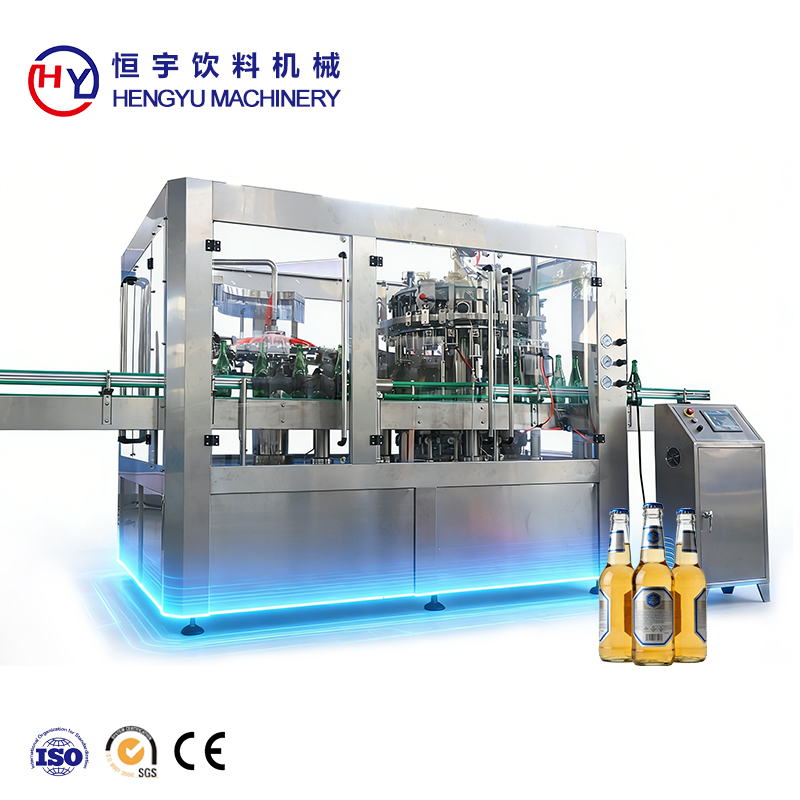
The efficiency of a modern brewery depends heavily on precise equipment performance, and the beer filling machine represents one of the most critical components in any production line. Among the many technical challenges that beverage producers face, foam management stands out as a persistent concern that directly impacts productivity, product quality, and operational costs. Excessive foam during the filling process leads to overfill conditions, product loss, contamination risks, and slower cycle times. Understanding how foam control technology functions within modern beer filling machines can help producers optimize their operations and maintain competitive advantage in today's fast-paced beverage industry.

A beer filling machine integrates multiple subsystems to deliver consistent, high-quality output under demanding production schedules. The foam control technology embedded within modern beer filling machines uses sophisticated sensors, pressure regulation systems, and advanced nozzle design to minimize foam generation while maintaining fill accuracy and speed. This article explores the mechanisms, benefits, and implementation considerations of foam control in contemporary beer filling machines, providing manufacturers and operators with actionable insights for selection and optimization.
Mechanisms of Foam Control in Beer Filling Machines
Pressure and Temperature Management
Foam formation occurs when pressurized beer releases dissolved carbon dioxide rapidly upon exposure to atmospheric conditions or when the beer filling machine nozzle creates turbulence. Modern beer filling machines combat this through precise pressure regulation that maintains optimal conditions throughout the filling cycle. Temperature control is equally critical because warmer beer releases CO2 faster, increasing foam risk. Advanced beer filling machine designs incorporate pre-cooling chambers and temperature sensors that ensure the product reaches the nozzle at the ideal viscosity and gas saturation level, dramatically reducing foam generation without compromising carbonation levels.
Nozzle Technology and Flow Dynamics
The nozzle design of a beer filling machine fundamentally determines how product enters the container. Counter-pressure nozzles represent a breakthrough innovation where a beer filling machine operator can maintain back-pressure during filling, preventing rapid CO2 release. Modern beer filling machines employ multi-stage nozzles that deliver product in controlled layers, minimizing turbulence and foam buildup. Additionally, soft-fill technology integrated into advanced beer filling machine models reduces the velocity of incoming product, allowing the liquid to cascade gently into bottles rather than impacting with force that generates excessive foam.
Operational Benefits of Foam Control in Beer Filling Machines
Enhanced Production Efficiency
Effective foam control in a beer filling machine translates directly into higher throughput and reduced downtime. When foam remains unchecked, a beer filling machine experiences frequent stoppages for cleaning, adjustment, and error correction. Bottles overflow due to foam displacement, sensors misread fill levels, and operators must intervene constantly. A beer filling machine equipped with advanced foam control technology maintains consistent fill accuracy throughout extended production runs, allowing breweries to achieve rated capacity consistently while minimizing the labor hours required for supervision and maintenance.
Product Quality and Consumer Satisfaction
Consumer perception of beer quality begins with the filling experience itself. Excessive foam in a beer filling machine process can trap contaminants, create air pockets that compromise product shelf life, or result in underfilled containers that disappoint customers. Modern foam control systems in a beer filling machine ensure that each bottle receives the precise volume of properly carbonated product, maintaining flavor profile consistency and head formation when the consumer pours the beverage. This attention to detail supported by advanced beer filling machine technology strengthens brand reputation and customer loyalty.
Waste Reduction and Cost Efficiency
Product loss from overflow represents a direct financial impact that compounds across millions of bottles annually. A beer filling machine without adequate foam control can waste 2 to 5 percent of production through overflow alone, plus additional losses from rejected bottles and line stoppages. Investing in a beer filling machine with integrated foam control technology recovers this margin, offsetting the equipment investment within months for high-volume producers. Beyond product recovery, reduced downtime and maintenance requirements lower operational labor costs, making foam-controlled beer filling machine systems financially compelling for operations of any size.
Advanced Features in Contemporary Beer Filling Machines
Intelligent Sensor Integration
Today's beer filling machine technology relies on multiple sensor types to monitor foam levels, pressure dynamics, and fill accuracy in real-time. Capacitive sensors detect foam presence and signal the beer filling machine to adjust nozzle positioning or back-pressure automatically. Pressure transducers monitor system dynamics throughout the fill cycle, and the beer filling machine controller adjusts parameters microsecond by microsecond to maintain optimal conditions. This intelligent feedback loop means that a beer filling machine responds instantly to variations in product characteristics, ambient conditions, or container geometry, maintaining consistent performance regardless of external variables.
Software Optimization and Predictive Maintenance
Modern beer filling machine systems incorporate sophisticated software algorithms that learn from historical production data and optimize filling parameters continuously. Machine learning models embedded in a beer filling machine can predict potential foam issues before they manifest, recommending preventive adjustments that maintain peak performance. Additionally, a beer filling machine with predictive maintenance capabilities alerts operators to component wear patterns, scheduling servicing before equipment failure disrupts production. This proactive approach transforms a beer filling machine from a reactive piece of equipment into an intelligent system that maximizes uptime and reliability.
Flexibility Across Container and Product Variations
Modern breweries often fill different container sizes, shapes, and materials while also producing varying beer styles with different carbonation levels. A well-designed beer filling machine accommodates this complexity through quick-change nozzles, adjustable pressure profiles, and software configurations that adapt instantly to product switching. The foam control capability of a beer filling machine must function equally well whether filling a 12-ounce bottle, a 16-ounce can, or a 750-milliliter specialty bottle. Advanced beer filling machine designs provide this flexibility without sacrificing precision or requiring lengthy changeover periods.
FAQ
How does back-pressure technology reduce foam in a beer filling machine?
Back-pressure technology maintains atmospheric or positive pressure inside the bottle during the filling cycle of a beer filling machine. By keeping internal pressure elevated, the dissolved carbon dioxide remains in solution rather than escaping rapidly as the product enters the container. A beer filling machine with counter-pressure nozzles can release this back-pressure gradually as the fill approaches completion, allowing the final volume to settle naturally without foam eruption. This mechanism allows a beer filling machine to fill at higher speeds while maintaining superior foam control compared to vacuum or gravity-based systems.
What is the relationship between beer temperature and foam in a beer filling machine?
Temperature significantly influences gas solubility and CO2 release rates in a beer filling machine process. Beer that is too warm contains higher vapor pressure and less dissolved CO2 retention, creating excessive foam when filling. A beer filling machine must maintain product temperature within a narrow optimal range, typically 34 to 38 degrees Fahrenheit for lagers and 50 to 55 degrees for ales. Chilling systems integrated into modern beer filling machine designs keep product at these precise temperatures throughout the filling cycle, preventing temperature fluctuations that would trigger foam generation and compromising the beer filling machine performance.
Can foam control technology be retrofitted to existing beer filling machines?
Partial retrofitting is possible for some existing beer filling machine installations, though complete integration of advanced foam control may require equipment replacement. Upgrading nozzles, adding pressure regulation components, or installing sensor systems can improve foam performance on an older beer filling machine. However, many legacy beer filling machine designs lack the control architecture and software sophistication to fully leverage advanced foam control technology. Brewery operators evaluating a beer filling machine upgrade should consult with equipment specialists to determine whether retrofitting will deliver adequate improvement or whether investing in a new beer filling machine with integrated foam control represents better long-term value.