
 CN
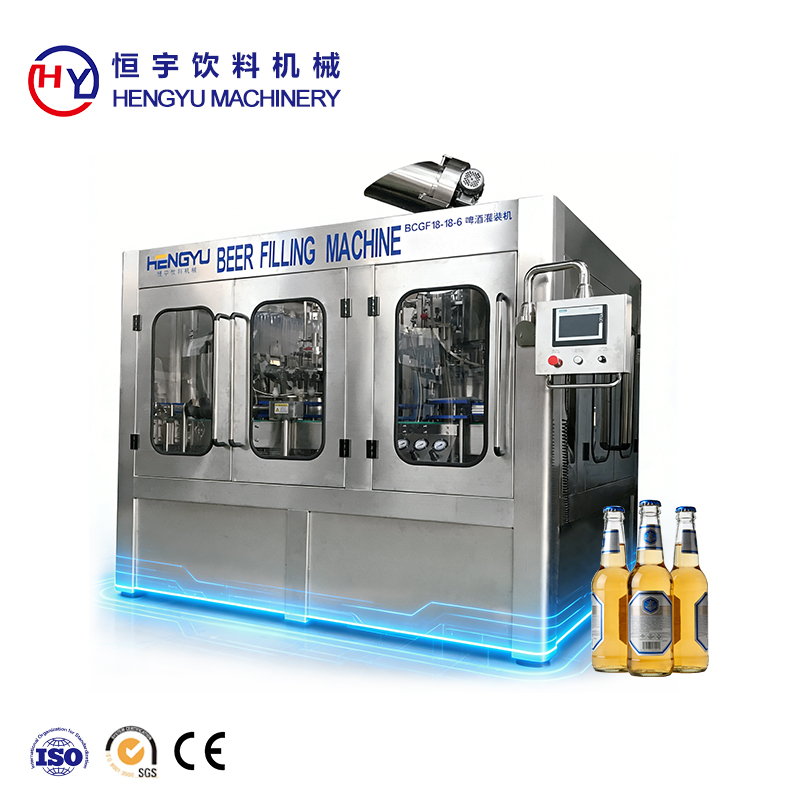
Maintaining a beer filling machine is critical to sustaining reliable brewery operations and protecting your production investment. Equipment that operates continuously under high pressure and speed demands proactive care to prevent unexpected breakdowns, quality inconsistencies, and costly downtime. A beer filling machine represents a significant capital asset, and regular maintenance directly impacts production efficiency, product safety, and profitability across the entire brewing operation.

Breweries of all sizes understand that a well-maintained beer filling machine delivers consistent performance, reduces contamination risks, and extends equipment service life by years. Neglecting maintenance schedules creates cascading problems: premature component wear, seal failures, pressure inconsistencies, and ultimately, product quality degradation that damages brand reputation. This guide outlines actionable maintenance strategies designed specifically for beer filling machine operations, addressing prevention, inspection protocols, and long-term durability.
Understanding Beer Filling Machine Operational Demands
Pressure, Speed, and Continuous Operation
A beer filling machine operates under demanding conditions that require specialized maintenance attention. Modern beer filling machine systems handle fills at speeds exceeding 1,000 bottles per hour while maintaining precise pressure control, accurate volume measurement, and strict sanitation standards. The beer filling machine must contend with carbonated beverage characteristics, temperature fluctuations, and material compatibility issues that accelerate component degradation without proper care. Seals, gaskets, and pressure sensors endure constant mechanical stress, making preventive inspection and replacement essential to avoid sudden failures during production runs.
Impact on Product Quality and Brand Safety
The beer filling machine directly influences final product quality and consumer safety. Maintenance failures compromise fill accuracy, leading to underfilled or overfilled bottles that violate regulatory standards and create customer dissatisfaction. Contamination pathways emerge when a beer filling machine develops seal leaks or internal corrosion, potentially introducing foreign particles or microbial growth into the product. Beer filling machine maintenance prevents these quality hazards by ensuring sterile pathways, accurate dosing, and reliable capping integration across the production line.
Core Preventive Maintenance Protocols for Beer Filling Machine Efficiency
Daily Beer Filling Machine Inspection and Cleaning
Daily inspection forms the foundation of beer filling machine longevity. Each morning before production startup, operators should visually inspect the beer filling machine exterior for visible corrosion, fluid leaks, loose fasteners, or damaged hoses. Verify that the beer filling machine nozzles are clean and free from residual product buildup, as dried carbonated beer creates mineral deposits that reduce sealing effectiveness and accuracy. Check the beer filling machine pressure gauges and temperature displays against established baseline parameters; deviations signal internal component wear or system calibration drift that requires immediate investigation before processing begins.
Lubrication and Seal Replacement Cycles
Systematic lubrication of the beer filling machine mechanical components prevents friction-induced wear and extends component life significantly. Follow the equipment manufacturer's specifications regarding lubrication intervals, lubricant types, and application points for your specific beer filling machine model. Most commercial beer filling machine systems require scheduled seal and gasket replacement every 6–12 months, depending on production volume and beverage type. Stainless steel gaskets and food-grade seals in your beer filling machine resist corrosion and product interaction better than standard materials; prioritize these during replacement cycles to maintain long-term reliability and contamination prevention.
Advanced Maintenance Strategies for Extended Beer Filling Machine Performance
Calibration and Pressure System Monitoring
Accurate filling volume depends on precise pressure calibration within the beer filling machine system. Quarterly calibration checks ensure that your beer filling machine delivers consistent dosing and meets regulatory fill accuracy requirements within ±0.5% tolerance. Monitor the beer filling machine pressure regulators, relief valves, and pressure sensors monthly using certified test equipment; readings outside specification indicate internal valve degradation or sensor failure requiring service. Document all beer filling machine calibration records for traceability and regulatory compliance, enabling quick identification of performance trends that signal approaching component failure in your filling equipment.
Component-Specific Maintenance for Beer Filling Machine Reliability
Different beer filling machine components require tailored maintenance approaches. Nozzles and valve seats experience the most wear; inspect these beer filling machine elements weekly for erosion, leakage, or carbonation escape patterns. The beer filling machine bowl and manifold require descaling every 30 days using food-approved cleaning solutions to prevent calcium and mineral buildup that distorts pressure and fill accuracy. Control systems and electrical connections in your beer filling machine should be checked quarterly for corrosion or loose terminals, particularly in humid brewing environments. Implement a component lifecycle tracking system that schedules beer filling machine part replacement before failures occur, transforming reactive emergency repairs into predictable, planned maintenance that minimizes production interruptions.
FAQ
How frequently should a beer filling machine undergo complete servicing?
Most commercial beer filling machine equipment requires comprehensive servicing every 12 months, with intermediate inspections conducted quarterly. The beer filling machine service schedule should increase if production volume exceeds design capacity or if product type changes significantly. Always consult your beer filling machine manufacturer's maintenance manual, as specific service intervals depend on machine age, model, production speed, and operational environment. Implementing a documented service calendar ensures consistent attention and prevents oversight that leads to unexpected beer filling machine failures.
What are the primary signs that a beer filling machine needs immediate maintenance?
Critical warning signs for your beer filling machine include noticeable pressure fluctuations, inconsistent fill volumes, visible fluid leakage around seals, unusual vibration or noise during operation, and discoloration or scaling inside the beer filling machine bowl. Performance degradation—such as slower fill speed or failed quality checks—indicates internal component wear requiring urgent beer filling machine inspection and repair. Foam generation or carbonation escape from the beer filling machine nozzle also signals seal compromise or pressure system malfunction that demands immediate service to maintain product integrity.
Can brewery staff perform beer filling machine maintenance, or should it require certified technicians?
Daily inspection, cleaning, and documentation tasks can be performed by trained brewery staff using standardized beer filling machine maintenance checklists. However, pressure system diagnostics, seal replacement, calibration adjustments, and internal component service should be handled by certified technicians familiar with your specific beer filling machine model. Complex repairs and electrical troubleshooting require specialized expertise to avoid safety hazards and equipment damage. Establishing a hybrid approach—staff handling routine beer filling machine inspection and preventive cleaning while certified technicians manage advanced service—optimizes cost efficiency while maintaining equipment reliability and operator safety.