
 CN
CN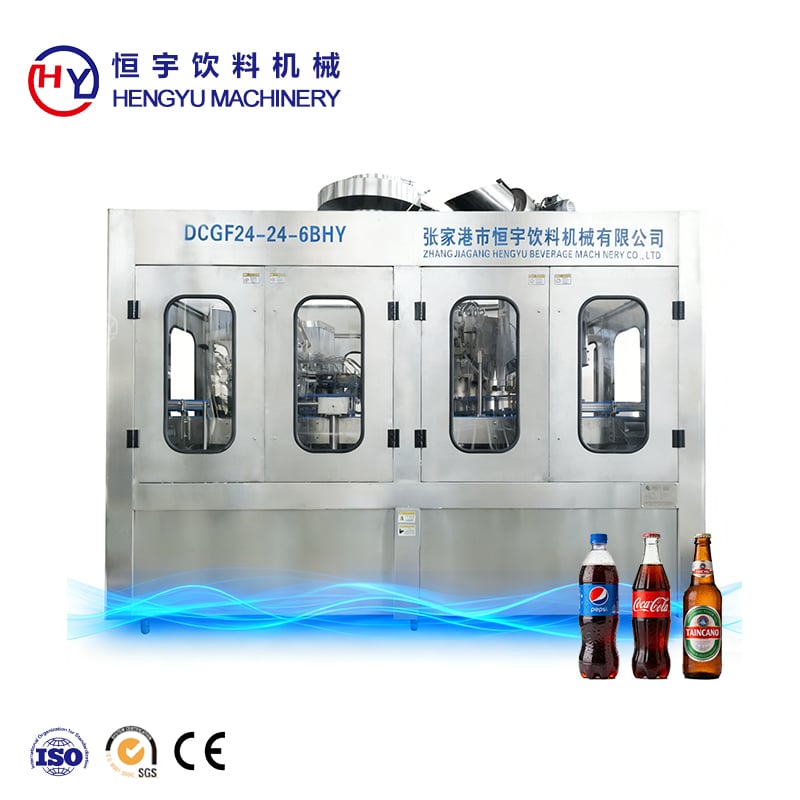
A beverage filling machine is essential infrastructure for any modern facility handling multiple beverage product lines. Whether producing water, juice, sports drinks, or specialty beverages, the right beverage filling machine directly impacts production capacity, product quality, and operational profitability. Multi-product beverage plants face unique challenges when selecting equipment that can seamlessly switch between different container sizes, fill volumes, and beverage types without extensive downtime or reconfiguration. Understanding how a beverage filling machine operates and what features matter most helps plant managers make informed decisions that align with business growth and market demands.
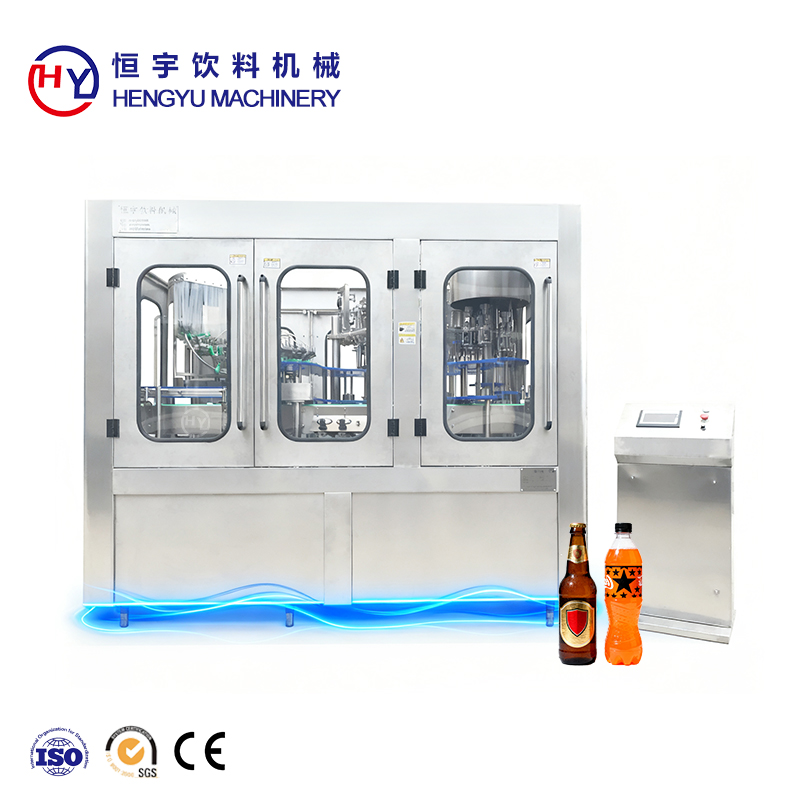
Modern beverage plants require flexible solutions that go far beyond simple fill-and-cap operations. A contemporary beverage filling machine must handle variable production volumes, accommodate multiple SKUs, maintain strict hygiene standards, and deliver consistent fill accuracy. The investment in an advanced beverage filling machine represents a strategic decision that affects downstream processes including labeling, capping, packaging, and distribution. Plant operators must evaluate technical specifications, integration capabilities, maintenance requirements, and total cost of ownership to ensure their beverage filling machine delivers both immediate performance and long-term reliability.
Core Technology and Filling Mechanisms
How a Beverage Filling Machine Operates
Every beverage filling machine relies on precise volumetric measurement and controlled dispensing to achieve consistent product quality. The fundamental process begins with container positioning and feeding into the filling chamber, where the beverage filling machine applies positive or vacuum pressure to transfer liquid at a controlled rate. Most industrial-grade beverage filling machine systems use piston fillers, rotary gear pumps, or time-based flow control to maintain accuracy within ±1% variation. The beverage filling machine then triggers capping or sealing equipment immediately after fill completion, minimizing air exposure and maintaining product integrity. Understanding these mechanical fundamentals helps plant managers appreciate why equipment selection directly impacts production stability and waste reduction.
Multi-Product Capability and Flexibility
A multi-product capable beverage filling machine must accommodate rapid changeovers between different container geometries, fill heights, and beverage viscosities without complete line shutdown. Modern beverage filling machine designs include adjustable fill nozzles, programmable fill volumes, and quick-change mechanical components that enable operators to switch between SKUs in 15 to 30 minutes. The beverage filling machine control system stores recipe parameters for each product variant, allowing automated transitions when recipes are called up. High-speed beverage filling machine platforms typically operate between 100 and 500 containers per minute depending on container size and fill volume, providing scalability as production demand fluctuates. This flexibility transforms the beverage filling machine from a single-purpose asset into a versatile production backbone supporting portfolio diversification.
Selection Criteria for Multi-Product Beverage Plants
Production Volume and Speed Requirements
Matching beverage filling machine capacity to actual production demand prevents both underutilization and bottleneck risk. A beverage plant producing 50,000 liters daily requires a different beverage filling machine specification than one processing 500,000 liters daily. Plant managers must project demand across all product lines and select a beverage filling machine that delivers 70% to 85% of nameplate capacity during normal operations, leaving room for peak periods without constant maximum-speed running. The beverage filling machine should also feature variable speed control to reduce energy consumption and wear during lower-demand shifts. Specifying a beverage filling machine with adequate speed reserve ensures reliable performance as product portfolios expand and market opportunities emerge.
Container Compatibility and Configuration
Multi-product operations introduce complexity around container standardization and beverage filling machine adaptability. A facility handling 5-gallon bottles, 2-liter plastic bottles, and aluminum cans simultaneously requires a beverage filling machine engineered for rapid format changes. The beverage filling machine must feature adjustable height guides, interchangeable nozzle assemblies, and programmable logic to manage different fill sequences for each format. Choosing a beverage filling machine with modular construction and scalable filler blocks reduces reconfiguration time and minimizes specialized tooling inventory. Before purchasing, beverage plants should conduct compatibility trials with their existing container suppliers to confirm the beverage filling machine performs optimally across their full range of package styles.
Hygiene, Sanitation, and Regulatory Compliance
Beverage production operates under strict food safety regulations, making beverage filling machine cleanliness and design critical selection factors. A compliant beverage filling machine must feature easy-to-access internal passages, stainless steel contact surfaces, and CIP (Clean-in-Place) compatibility to meet FDA, FSMA, and international beverage standards. The beverage filling machine design should eliminate dead legs, crevices, and hard-to-clean zones where microbial growth or product residue could accumulate. Validation documentation for your beverage filling machine should include microbial testing results, material certifications, and operational cleaning protocols. Selecting a beverage filling machine with proven regulatory approval protects brand reputation, prevents costly recalls, and streamlines compliance audits.
Operational Advantages and Return on Investment
Efficiency Gains and Waste Reduction
An optimized beverage filling machine reduces product spillage, overfill losses, and rejected containers, directly improving gross margins. Modern beverage filling machine systems achieve fill accuracy within ±0.5% of target volume, translating to 99% container acceptance rates on most production runs. The beverage filling machine reduces manual intervention and labor costs by automating repetitive fill tasks across all product categories. Real-time monitoring sensors in an advanced beverage filling machine detect blockages, pressure anomalies, and mechanical faults before they cascade into line stoppages. Plants investing in a high-precision beverage filling machine typically recover equipment investment within 18 to 36 months through combined efficiency, quality, and labor savings.
Scalability and Future Growth Planning
Selecting a beverage filling machine platform designed for modularity supports portfolio expansion without replacing core infrastructure. A scalable beverage filling machine allows incremental capacity additions by adding filler heads or upgrading control logic rather than purchasing entirely new lines. As product demand grows, the same beverage filling machine platform can be reconfigured for new beverages, container sizes, or geographic markets. Future-proofing your investment in a beverage filling machine means evaluating spare parts availability, manufacturer support roadmaps, and software upgrade paths. Choosing a beverage filling machine from suppliers committed to long-term equipment evolution ensures your facility remains competitive as consumer preferences and regulatory requirements shift.
FAQ
What factors determine the right beverage filling machine size for my plant?
Plant size depends on projected annual beverage volume across all products, peak demand periods, container types, and available floor space. Most facilities select a beverage filling machine rated 20% to 30% above peak demand to accommodate unexpected surges and reduce strain. You should also factor in scheduled maintenance windows and the time needed for changeovers between product runs when sizing your beverage filling machine. Consulting with equipment manufacturers and comparing capacity against competitor benchmarks helps ensure your beverage filling machine investment aligns with realistic growth projections.
How long does it take to switch between products on a modern beverage filling machine?
High-speed changeovers are a hallmark of modern beverage filling machine design, typically requiring 15 to 45 minutes depending on container geometry differences and fill volume ranges. If switching between 5-gallon bottles and 2-liter bottles on the same beverage filling machine, mechanical guides and quick-release components minimize manual intervention. Automated nozzle adjustment systems on advanced beverage filling machine models reduce changeover time further by eliminating manual calibration. Most beverage filling machine platforms store multiple recipe configurations in memory, enabling operators to execute changeovers with just a few button presses once equipment is physically reconfigured.
What maintenance schedule should I expect for a beverage filling machine?
A well-maintained beverage filling machine requires daily cleaning, weekly inspections, and quarterly preventive maintenance to ensure consistent uptime and performance. Manufacturers typically recommend replacing wear components like gaskets, seals, and pump elements every 12 to 24 months depending on beverage type and production volume. Your beverage filling machine maintenance team should monitor fill accuracy trends, pressure gauges, and vibration levels to detect degradation early. Following the supplier's documented maintenance protocol for your beverage filling machine prevents premature failures, extends asset life, and protects product quality across all beverage product lines.