
 CN
CN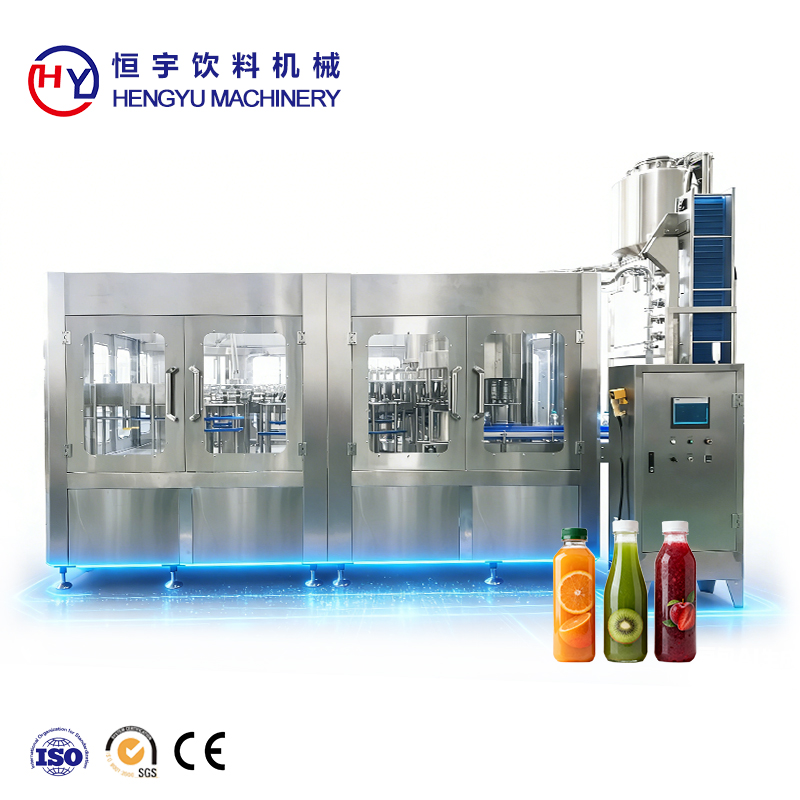
Precision and consistency are the cornerstones of modern beverage production, and achieving these goals depends critically on the performance of your beverage filling machine. Whether you operate a small craft beverage facility or a large-scale production plant, the accuracy of your beverage filling machine directly affects product quality, customer satisfaction, and operational profitability. Inaccurate filling leads to product giveaway, regulatory compliance issues, and damaged brand reputation. Understanding how to maximize the accuracy of your beverage filling machine is essential for staying competitive in today's demanding beverage market.

Modern beverage producers recognize that a beverage filling machine represents one of their largest capital investments and a critical determinant of production yield. When a beverage filling machine operates outside specification, even by small margins, the cumulative financial impact over a production run can be substantial. This guide provides practical strategies for optimizing your beverage filling machine to ensure consistent, accurate fills that meet regulatory standards and minimize waste.
Calibration and Setup Fundamentals for Your Beverage Filling Machine
Understanding Volumetric Precision in Your Beverage Filling Machine
The foundation of filling accuracy begins with proper calibration of your beverage filling machine. Every beverage filling machine uses either volumetric or gravimetric measurement systems, and understanding which approach your equipment employs is crucial. Volumetric systems, common in many beverage filling machine designs, measure the volume of liquid dispensed into each container. These systems must be calibrated to account for temperature variations, liquid viscosity, carbonation levels, and container geometry. A well-calibrated beverage filling machine will maintain fill volumes within plus-or-minus 2 percent of target specifications, which significantly reduces both underfill and overfill incidents that compromise profitability.
Initial Setup Procedures for Beverage Filling Machine Performance
When commissioning a new beverage filling machine or making significant operational changes, conduct thorough setup procedures that verify all mechanical and electronic components function within design tolerance. Begin by running at least 100 test containers through your beverage filling machine without beverage to verify mechanical motion, sensor alignment, and timing precision. Once mechanical validation is complete, run test batches with your actual beverage product at different ambient temperatures and pressure settings to establish baseline performance data for your beverage filling machine. Document these baseline metrics because they serve as the reference point for detecting future drift in your beverage filling machine performance.
Maintenance Practices That Preserve Beverage Filling Machine Accuracy
Preventive Maintenance Schedules for Beverage Filling Machine Reliability
Regular preventive maintenance is the single most effective way to preserve accuracy in your beverage filling machine. Mechanical wear, sensor degradation, and seal deterioration occur gradually but consistently in any beverage filling machine operating under production stress. Establish a documented maintenance schedule for your beverage filling machine that includes daily inspections, weekly deep-cleaning routines, and monthly component replacement cycles. Pay particular attention to the filling valves, which experience millions of opening-closing cycles and must be inspected and serviced regularly to maintain the precision your beverage filling machine requires. Seal replacement should occur at manufacturer-recommended intervals because worn seals cause leakage and fill volume inconsistency in your beverage filling machine.
Sensor Verification and Component Inspection
Sensors form the accuracy backbone of any modern beverage filling machine. Level sensors, pressure transducers, and temperature probes continuously feed data to your beverage filling machine control system, which makes real-time adjustments to maintain consistent fills. Verify sensor accuracy monthly using calibration equipment specific to your beverage filling machine model. Temperature sensors must be checked because ambient temperature changes directly influence the viscosity and volume of your beverage, and your beverage filling machine compensates automatically only if these sensors provide accurate input. Pressure transducers in your beverage filling machine must also maintain calibration because pressure variations in carbonated beverages cause significant fill volume fluctuations if your beverage filling machine pressure compensation is not properly calibrated.
Advanced Optimization Techniques for Beverage Filling Machine Performance
Temperature and Pressure Compensation in Your Beverage Filling Machine
Temperature and pressure represent the primary variables that affect accuracy in a beverage filling machine. Carbonated beverages are particularly sensitive to temperature changes because cooler liquids have different viscosity and carbonation levels than warmer liquids, and your beverage filling machine must be programmed to compensate accordingly. Modern beverage filling equipment includes automatic temperature and pressure compensation features that adjust fill volumes in real time based on sensor input. Configure your beverage filling machine compensation tables to account for the seasonal variations in your production facility. If your facility experiences significant temperature swings between summer and winter, your beverage filling machine accuracy will drift unless compensation settings are updated accordingly. Invest time in understanding how to program and verify these compensation tables in your beverage filling machine because this knowledge directly translates to measurable accuracy improvements.
Container and Nozzle Compatibility Optimization
The interaction between your beverage container and your beverage filling machine nozzle significantly impacts fill accuracy. Different container geometries, closure designs, and material thickness require different settings on your beverage filling machine. When switching between container types, your beverage filling machine must be recalibrated to account for variations in fill opening diameter, container taper, and valve clearance distances. Nozzle height and position must be verified and adjusted for each container type in your beverage filling machine lineup. Run test fills after any container changeover, and use your beverage filling machine monitoring system to verify that accuracy remains within specification before running full production batches.
Monitoring and Continuous Improvement for Beverage Filling Machine Operations
Data Collection and Performance Tracking
Implement a data collection system that captures fill volume measurements throughout your production run with your beverage filling machine. Modern beverage filling equipment can integrate with cloud-based monitoring platforms that track performance metrics and alert operators when your beverage filling machine begins to drift out of specification. Statistical process control charting allows you to visualize trends in your beverage filling machine performance and identify the need for corrective action before accuracy losses become significant. Sample at least every 50 containers during production runs, and measure the weight or volume of filled containers to verify your beverage filling machine is performing as intended. This disciplined approach to data collection with your beverage filling machine transforms maintenance from reactive crisis management into proactive performance optimization.
Root Cause Analysis and Corrective Actions
When your beverage filling machine performance drifts beyond acceptable limits, conduct a systematic root cause analysis to identify the underlying issue. Common causes include worn seals, calibration drift, sensor degradation, or changes in beverage formulation that affect viscosity or carbonation levels. Document the specific symptoms you observe in your beverage filling machine performance, the maintenance actions taken, and the results of corrective measures. This documentation becomes institutional knowledge that helps your team respond faster when your beverage filling machine requires adjustment in the future. Regular team training on your beverage filling machine diagnostics and troubleshooting empowers your operators to maintain accuracy between service visits from equipment manufacturers.
FAQ
What causes filling inaccuracy in a beverage filling machine?
Filling inaccuracy in a beverage filling machine typically results from temperature and pressure fluctuations, worn seals or valves, sensor calibration drift, inadequate maintenance, or incorrect container positioning. Environmental conditions in your production facility and changes in beverage formulation also significantly affect how your beverage filling machine performs. Regular calibration, preventive maintenance, and environmental control address most accuracy issues in a beverage filling machine.
How often should a beverage filling machine be calibrated?
A beverage filling machine should be formally calibrated at least quarterly or whenever you change container types, modify beverage formulations, or notice accuracy drift during routine monitoring. Many high-volume producers recalibrate their beverage filling machine monthly to ensure consistent performance. Your specific calibration schedule for a beverage filling machine depends on production volume, environmental stability, and your regulatory requirements. Consult your equipment manufacturer's recommendations for your beverage filling machine model.
Can a beverage filling machine maintain accuracy over long production runs?
Yes, a well-maintained and properly configured beverage filling machine can maintain accuracy throughout extended production runs. The key is implementing robust preventive maintenance, continuous monitoring, and responsive corrective action when your beverage filling machine performance begins to drift. Investing in advanced beverage filling machine technology with automated compensation features significantly improves long-term accuracy consistency. Operator training and strict adherence to maintenance protocols ensure your beverage filling machine reliability improves over time rather than degrading.