
 CN
CN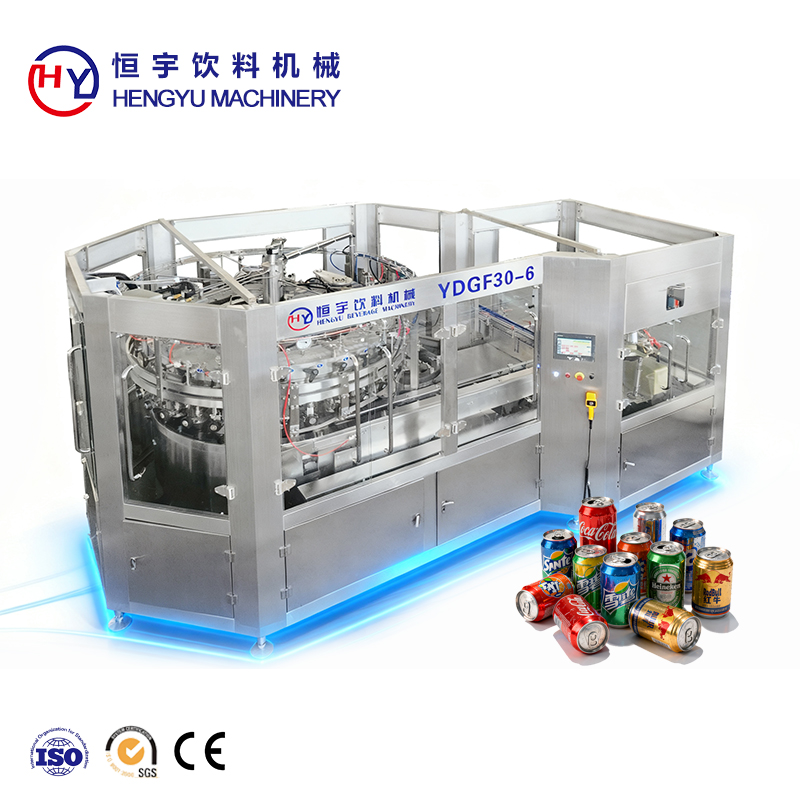
Choosing between a can filling machine and a bottle filling machine is one of the most consequential equipment decisions a beverage or liquid product manufacturer can make. The two systems are not simply interchangeable formats — they represent fundamentally different container geometries, sealing mechanisms, pressure requirements, and downstream packaging workflows. Understanding the distinctions between them helps production managers, plant engineers, and procurement teams align their capital investment with their product portfolio, output targets, and long-term operational strategy.
A can filling machine is purpose-built to handle rigid metal containers — typically aluminum or tinplate — and must deliver precise volumetric fills while managing internal pressure, foam control, and hermetic sealing through a seaming process. A bottle filling machine, by contrast, accommodates glass or PET plastic containers and relies on a different set of filling valves, capping heads, and container-handling components. Both machine types serve the same broad goal of accurately dispensing liquid product into containers at high speed, but their engineering, compatibility, and ideal use cases diverge significantly. This article provides a detailed, side-by-side comparison to help you make an informed decision for your specific production environment.
Core Mechanical Differences Between a Can Filling Machine and a Bottle Filling Machine
Container Handling and Feeding Systems
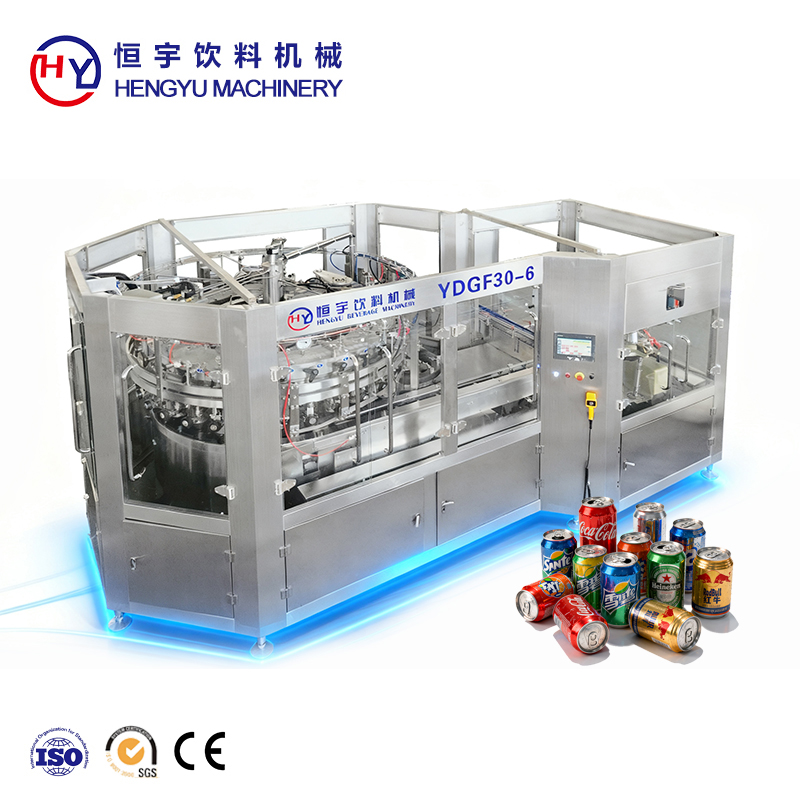
The most immediate mechanical distinction lies in how each machine handles its respective container. A can filling machine uses a rotary or linear conveyor system designed to transport rigid cylindrical cans with a consistent diameter and height. The containers are fed upright, indexed through the filling carousel, and transferred directly to a seamer unit. Because metal cans have no flexible walls, the handling system can apply more direct mechanical force without deformation risk, which simplifies gripper and starwheel design.
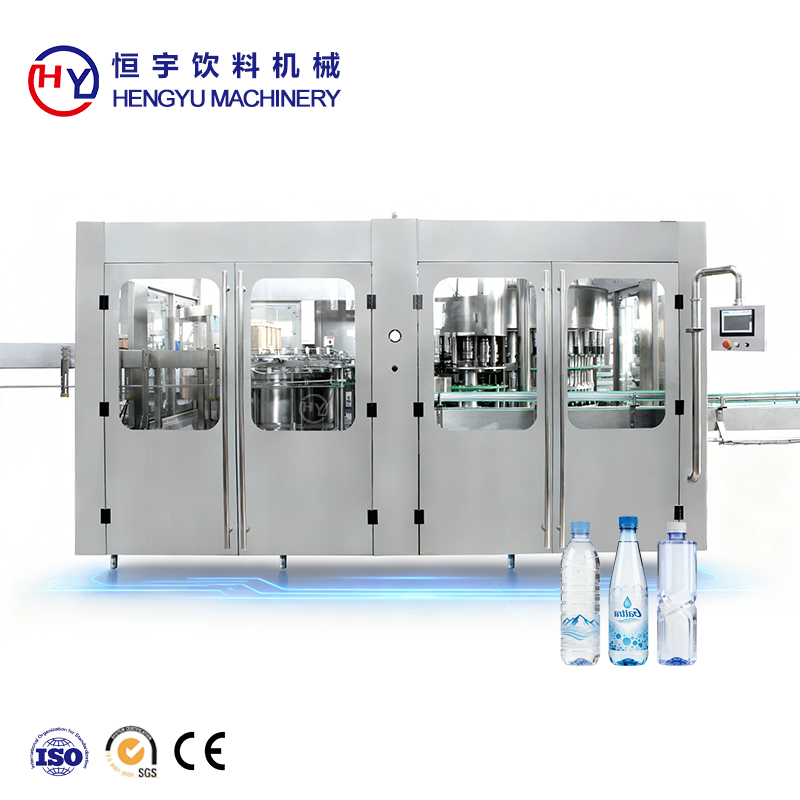
A bottle filling machine must accommodate a far wider range of container shapes — round, square, oval, and custom profiles — in both glass and PET variants. Glass bottles require slower handling speeds and more careful transfer to prevent breakage, while PET bottles are lightweight and can flex under vacuum or pressure, introducing additional complexity in the filling valve design. The container-handling components on a bottle filling machine are therefore more versatile but also more complex to set up and adjust during format changeovers.
For high-volume, single-format production such as carbonated soft drinks, beer, or energy drinks in standardized can sizes, the can filling machine offers a significant advantage in throughput consistency. The rigidity of the metal can allows the rotary carousel to operate at higher speeds with fewer container-related stoppages, making the can filling machine the preferred choice in facilities targeting output rates above 20,000 containers per hour.
Filling Valve Technology and Pressure Management
A can filling machine designed for carbonated beverages relies on counter-pressure filling valves that first pressurize the empty can with CO2, then introduce the liquid product under controlled conditions to minimize foam generation and preserve carbonation levels. This isobaric filling principle is critical for maintaining the sensory and quality characteristics of carbonated drinks. The valve design on a can filling machine must also account for the open-top geometry of the can, which remains unsealed until after the seamer crimps the lid in place.
A bottle filling machine uses different valve types depending on the product. For still liquids such as water, juice, or oil, gravity or vacuum filling valves are common. For carbonated beverages in PET bottles, counter-pressure valves similar to those on a can filling machine are used, but the filling snout must create a seal against the bottle neck rather than resting inside an open can body. This neck-sealing requirement makes bottle filling valves mechanically more intricate and more sensitive to container neck tolerances.
When filling hot-fill products such as pasteurized juices or teas, bottle filling machines typically use heat-resistant PET bottles and high-temperature filling heads, while can filling machines can handle hot-fill applications with slightly simpler sealing requirements because the double-seam lid provides a robust hermetic closure. Understanding the pressure and temperature demands of your specific product is therefore essential when comparing the two machine types.
Sealing and Closure Systems
The Seaming Process on a Can Filling Machine
One of the defining features of a can filling machine line is the integration of a seamer, which applies a double-seam closure to each filled can. The double-seam process involves mechanically interlocking the can lid flange with the can body flange in two rolling operations, creating a hermetically sealed joint that can withstand internal pressure, external impact, and long shelf-life conditions. This closure method is exceptionally reliable and has been refined over decades of industrial use in the food and beverage sector.
Because the seamer is a separate but closely integrated station on the can filling machine line, the overall footprint of the system is larger than a standalone filler. The seaming speed must be synchronized precisely with the filling carousel speed to prevent bottlenecks. In modern rotary can filling machine lines, the filler and seamer operate as a single synchronized block, often managed by a shared control panel with speed-matching algorithms.
Maintaining seam quality requires regular inspection using seam measurement tools, and the seaming rolls themselves must be periodically replaced as part of preventive maintenance. For manufacturers new to metal can packaging, this additional technical discipline is an important operational consideration when evaluating a can filling machine investment.
Capping and Closure on a Bottle Filling Machine
A bottle filling machine achieves closure through a capping head that applies screw caps, crown corks, ROPP caps, or press-on closures depending on the bottle type and product category. Screw capping is the most common closure method for PET bottles and is relatively simple to operate and maintain. Crown corking is standard for glass beer bottles and requires a different type of capper head. Each closure format requires a separate tooling change when switching between products.
The torque applied during capping must be carefully calibrated to ensure the closure is tight enough to prevent leakage but not so tight that it damages the bottle neck or makes the cap difficult for consumers to open. A bottle filling machine line therefore includes a torque monitoring system, and recalibration is necessary whenever closure suppliers change cap dimensions or material specifications.
Compared to the double-seam closure on a can filling machine, screw and crown closures on a bottle filling machine are generally easier to inspect visually during production. However, the hermetic integrity of a double-seam can is typically superior for high-pressure carbonated products over extended shelf periods, which is why many beverage producers prefer the can filling machine format for products requiring a shelf life exceeding twelve months.
Product Suitability and Application Scenarios
Products Best Suited for a Can Filling Machine
A can filling machine is ideally suited for carbonated beverages, beer, sparkling water, energy drinks, and certain ready-to-drink alcoholic cocktails. The metal can provides an impermeable barrier to light and oxygen, which is particularly important for products sensitive to oxidation such as craft beer and cold brew coffee. The can format also offers superior stacking strength, making it the preferred choice for distribution environments where palletized loads undergo significant compressive stress.
Beyond beverages, a can filling machine is widely used in the food industry for products such as condensed soups, fish, vegetables, and pet food. In these applications, the can filling machine operates in conjunction with retort processing equipment, where the sealed can is subjected to high-temperature sterilization. The structural integrity of the double-seam closure is critical in this context because any seam defect could result in contamination or spoilage during the retort cycle.
Industrial applications for a can filling machine also include aerosol products such as spray paints, insecticides, and personal care items. In these cases, the can filling machine must handle pressurized propellants in addition to the product itself, requiring explosion-proof electrical systems and specialized valve assemblies. The versatility of the can format across such a broad range of applications makes the can filling machine a high-value asset in multi-product manufacturing environments.
Products Best Suited for a Bottle Filling Machine
A bottle filling machine is the preferred choice for still water, juices, dairy-based beverages, wines, spirits, sauces, oils, and pharmaceutical liquids. The visual appeal of the bottle — particularly glass — plays a significant role in premium positioning for wines, spirits, and specialty food products. A bottle filling machine accommodates this requirement by handling glass containers with the care and precision needed to maintain label-ready surface quality throughout the filling and capping process.
For pharmaceutical and nutraceutical applications, a bottle filling machine is typically the standard choice because regulatory requirements for these sectors are built around bottle-based packaging standards. Bottles allow for precise dosing using pump-based or piston-based filling systems, and the range of available closure types supports tamper-evidence and child-resistance requirements that are difficult to achieve with a can format.
Small and craft beverage producers often favor a bottle filling machine over a can filling machine because the entry cost for a semi-automatic or manual bottle filler is lower, and the bottle format supports more design flexibility. Custom embossing, unique neck shapes, and a wide range of label areas make bottles a natural canvas for brand differentiation in competitive consumer segments.
Operational Efficiency, Maintenance, and Total Cost of Ownership
Speed and Output Capacity
In high-volume industrial settings, a fully automatic can filling machine generally achieves higher output rates per minute than an equivalent bottle filling machine of the same physical footprint. This is primarily because the uniform geometry of metal cans allows for tighter mechanical tolerances in the rotary carousel, reducing transfer times and minimizing container positioning errors. A high-speed can filling machine configured for 250ml aluminum cans can achieve output rates of 30,000 to 100,000 cans per hour depending on machine size and configuration.
Bottle filling machines operating at comparable speeds exist, but the variability in bottle shape and weight distribution typically introduces more product-specific engineering requirements. A bottle filling machine running glass bottles at high speed requires more sophisticated container sensing systems and longer deceleration zones to prevent breakage during transfers. PET bottle filling machines can approach the speeds of a can filling machine, but the lighter weight of PET containers can cause instability on high-speed conveyors if air handling and orientation systems are not properly configured.
For producers evaluating both options, it is important to assess actual net output — accounting for changeover time, cleaning-in-place cycles, and average downtime — rather than peak mechanical speed. A can filling machine with a faster mechanical speed may still deliver a lower net output per shift if seamer maintenance requires more frequent line stoppages.
Cleaning, Maintenance, and Changeover Considerations
A can filling machine used for beverages requires regular cleaning-in-place cycles to maintain hygiene standards, and the open-top can body means that the filling environment must be tightly controlled to prevent contamination between the fill point and the seamer. Modern can filling machine designs incorporate enclosed filling bowls with CO2 purging to minimize oxygen pickup and contamination risk. Maintenance focus areas include the filling valves, the seaming rolls, and the can transport starwheels.
A bottle filling machine requires similar cleaning protocols, but the enclosed neck of the bottle means that the filling snout must enter the container opening during each fill cycle, which places higher demands on filling valve cleanliness. For products with sugar, protein, or viscous components, residue buildup on the filling valves of a bottle filling machine can be more challenging to remove than on the wide-open filling environment of a can filling machine.
Changeover between different can sizes on a can filling machine typically requires adjusting the seaming head height, the filling valve positions, and the starwheel diameter. On a bottle filling machine, changeover involves replacing the filling snouts, the bottle gripper parts, and the capping tooling. Both machine types require a skilled technician for format changeover, but the can filling machine generally benefits from fewer format variants in high-volume standardized production environments, which means lower cumulative changeover time over an annual production schedule.
Selection Criteria and Decision Framework
Matching Machine Type to Production Goals
When deciding between a can filling machine and a bottle filling machine, the first and most decisive factor is the container format mandated by your product and market. If your product is a carbonated beverage destined for retail sale in a market where canned drinks are the dominant format, a can filling machine is the logical choice. If your product is a premium still wine or a pharmaceutical liquid, a bottle filling machine is the only appropriate option.
For producers with multiple product lines spanning both formats, it is worth evaluating whether the production volume justifies investing in both a can filling machine and a bottle filling machine as separate lines, or whether a contract packaging arrangement for the lower-volume format is more economical. The capital cost of a fully automatic can filling machine line — including the seamer, depalletizer, and downstream labeling — is substantial, and this investment is only justified when annual can production volumes are high enough to achieve a reasonable return on investment.
Regulatory compliance is another important dimension of the selection decision. In some markets, certain product categories are restricted to specific container formats due to food safety regulations, deposit return schemes, or labeling requirements. Before committing to either a can filling machine or a bottle filling machine, producers should verify that their chosen container format is compliant with all applicable regulations in their target distribution markets.
Infrastructure, Utilities, and Supplier Ecosystem
A can filling machine installation requires access to a reliable supply of quality metal cans and lids from approved suppliers, as well as CO2 supply for counter-pressure filling and seamer maintenance expertise. The capital cost of the cans themselves is higher per unit than PET bottles, which affects the overall product cost structure. However, the logistical efficiency of shipping empty cans — which are stackable and compact — partially offsets this cost difference compared to bulky pre-formed glass bottles.
A bottle filling machine installation is more flexible in terms of closure and container sourcing, with glass, PET, and HDPE bottles available from a broad global supplier base. PET bottles can also be produced on-site using blow molding equipment integrated into the filling line, which reduces container procurement lead times and eliminates empty bottle storage requirements. This integration, known as a 'blowfill' configuration, is not available for metal can production, which represents a structural difference in the supply chain flexibility between the two machine types.
When evaluating total cost of ownership, producers should account for container cost per fill, energy consumption, maintenance labor, spare parts availability, and the cost of downtime per hour of lost production. Both a can filling machine and a bottle filling machine represent long-term capital assets, and the decision should be based on a thorough five- to ten-year financial model rather than upfront purchase price alone.
FAQ
Can a single machine fill both cans and bottles?
In general, a standard can filling machine is not designed to fill bottles, and a bottle filling machine cannot fill cans, because the container handling, filling valve geometry, and sealing systems are fundamentally different for each format. Some specialty or pilot-scale filling systems offer multi-format flexibility, but these are typically low-speed research and development units rather than production-scale equipment. For commercial production, it is standard practice to invest in dedicated machine types for each container format.
Which machine type is better for carbonated beverages?
Both a can filling machine and a bottle filling machine can handle carbonated beverages when equipped with counter-pressure filling valves. However, the can filling machine has inherent advantages for high-CO2 products because the rigid metal can body can withstand higher internal pressures than a PET bottle, and the double-seam closure provides a more reliable hermetic seal for long-shelf-life carbonated products. For carbonated drinks with shelf life requirements beyond twelve months, a can filling machine is generally the preferred choice.
What is the typical minimum production volume to justify a can filling machine?
The justification threshold for a fully automatic can filling machine depends on the machine configuration, the market price of the filled product, and the cost of capital. As a general guideline, most manufacturers find that a dedicated can filling machine line becomes economically viable at production volumes of approximately three million to five million cans per year. Below this threshold, contract filling or semi-automatic can filling machine options may offer a more cost-effective entry into the can format.
Is it more expensive to operate a can filling machine or a bottle filling machine?
Operating costs for a can filling machine and a bottle filling machine are influenced by many facility-specific factors, including container costs, energy rates, labor costs, and maintenance practices. In general, the metal can itself costs more per unit than a PET bottle, which increases the materials cost component of a can filling machine operation. However, a can filling machine line may have lower energy consumption per unit than a bottle filling machine line that includes integrated PET blow molding. A detailed cost-per-unit analysis based on your specific product volume and market is the most reliable way to compare the two options.