
 CN
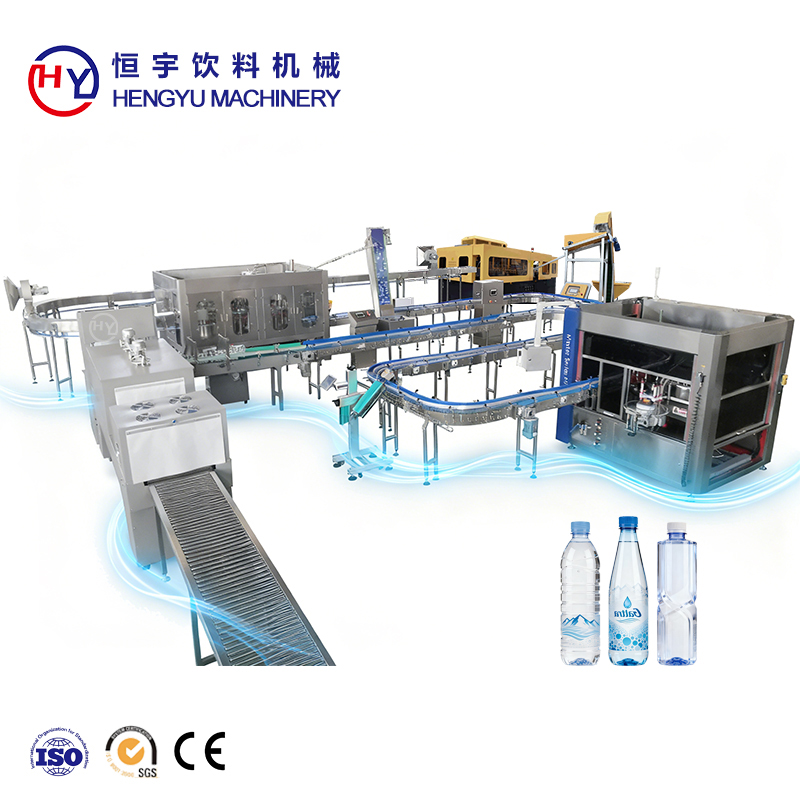
Modern manufacturing facilities face mounting pressure to reduce energy consumption while maintaining production quality and output. A water filling machine represents one of the most energy-intensive operations in beverage, pharmaceutical, and industrial water packaging facilities. Understanding how energy efficiency improvements in a modern water filling machine can transform your operational economics is essential for facility managers, procurement specialists, and plant engineers seeking competitive advantage. The latest generation of water filling machines incorporates sophisticated technologies designed to minimize power consumption without compromising speed, accuracy, or product integrity.

Energy efficiency in a water filling machine directly impacts your bottom line through reduced electricity bills, lower carbon footprint, and extended equipment lifespan. The beverage and water packaging industry consumes approximately 12 percent of total manufacturing energy, with filling operations accounting for a significant portion of this load. Modern water filling machine designs address these challenges through variable frequency drives, optimized motor sizing, intelligent sensor systems, and advanced hydraulic solutions that dramatically reduce energy waste.
Advanced Motor and Drive Technologies
Variable Frequency Drive Integration
Variable frequency drives represent the most impactful energy efficiency improvement in modern water filling machine systems. Traditional water filling machine models operate motors at fixed speeds regardless of actual production demand, consuming unnecessary power during partial-load periods. VFD-equipped water filling machine systems adjust motor speed in real-time based on fill rates, bottle dimensions, and production schedules. This adaptive approach reduces energy consumption by 20 to 40 percent compared to conventional fixed-speed motors. For a facility running a water filling machine 16 hours daily, the annual electricity savings typically exceed $15,000 to $30,000 depending on local utility rates and production volume.
Optimized Motor Sizing and Selection
Oversized motors represent hidden energy waste in many legacy water filling machine installations. Modern energy-efficient water filling machine design begins with precise motor sizing calculations that match actual operational requirements rather than theoretical maximum capacity. Contemporary water filling machine manufacturers conduct detailed load analyses to specify motors that operate efficiently within their intended duty cycle. An optimally sized water filling machine motor consumes 15 to 25 percent less energy than an oversized alternative while delivering identical performance. Energy efficiency improvements in a water filling machine achieved through proper motor selection prove cost-effective from installation and require no operational changes.
Hydraulic and Pneumatic System Optimization
Advanced Hydraulic Circuit Design
Hydraulic systems in traditional water filling machine designs operate with significant pressure drops and thermal losses that waste up to 30 percent of input energy. Modern water filling machine hydraulic systems employ proportional valve technology, optimized circuit routing, and thermal management systems to dramatically reduce losses. A contemporary water filling machine with advanced hydraulic design requires smaller pump displacement, operates at lower pressures for equivalent output, and generates less waste heat. Energy efficiency improvements in hydraulic-driven water filling machine operations achieve 25 to 35 percent power reduction through system redesign alone. These water filling machine hydraulic improvements also extend component lifespan and reduce maintenance frequency, multiplying economic benefits.
Pneumatic System Energy Recovery
Air-driven components in a water filling machine represent significant energy waste through continuous leakage, inefficient actuators, and pressure regulation losses. Advanced water filling machine designs incorporate leak detection systems, high-efficiency pneumatic cylinders, and demand-controlled air supply networks. Some premium water filling machine models feature air storage receivers that stabilize pressure and reduce compressor cycling. Energy efficiency improvements implemented through pneumatic optimization in a modern water filling machine reduce compressed air demand by 20 to 30 percent. Facilities operating multiple water filling machine units experience compounded savings through centralized pneumatic management systems that coordinate air demand across all equipment.
Sensor Integration and Intelligent Control Systems
Real-Time Performance Monitoring
Integrated sensor networks transform a water filling machine into an intelligent energy management system that continuously optimizes performance. Modern water filling machine sensors monitor fill accuracy, cycle time, temperature, pressure, and motor load in real-time, feeding data to intelligent controllers that adjust operations instantly. A water filling machine equipped with comprehensive sensors identifies efficiency degradation before performance loss becomes evident, triggering maintenance that restores optimal energy performance. Energy efficiency improvements achieved through sensor-driven optimization in a contemporary water filling machine typically exceed 15 to 20 percent as the system continuously fine-tunes all parameters. Predictive analytics embedded in advanced water filling machine control systems forecast maintenance needs, preventing the gradual energy efficiency decline that occurs in aging equipment.
Adaptive Production Scheduling
Intelligent water filling machine controllers optimize production sequences to minimize energy consumption across entire shifts. By sequencing fill operations according to bottle size, material, and fill volume, a water filling machine system reduces transitions that consume disproportionate energy. Modern water filling machine systems incorporate demand-response capabilities that adjust production speed during peak electricity pricing periods while maintaining daily output targets. Energy efficiency improvements from intelligent scheduling in a water filling machine add no capital cost and require only software updates. Facilities operating water filling machine systems with adaptive scheduling capabilities report achieving 10 to 15 percent additional energy savings beyond hardware-based improvements.
FAQ
What specific energy efficiency improvements should I prioritize when upgrading a water filling machine?
Prioritize variable frequency drives and motor optimization first, as these typically deliver 20 to 40 percent energy reduction with rapid payback periods of 18 to 36 months. Follow with hydraulic system optimization and sensor integration, which add 15 to 35 percent additional savings. A comprehensive water filling machine energy efficiency upgrade addresses all components systematically to maximize total impact while managing implementation costs across phases.
How long does the payback period typically take for water filling machine energy efficiency investments?
Payback periods for water filling machine energy efficiency improvements typically range from 18 to 48 months depending on your current energy costs, production volume, and the specific improvements implemented. Variable frequency drive installations often pay for themselves within two years, while comprehensive water filling machine system upgrades including hydraulics and sensors typically achieve payback in three to four years through sustained energy savings.
Can existing water filling machines be retrofitted with modern energy efficiency improvements?
Yes, most existing water filling machine systems can incorporate variable frequency drives, upgraded motors, hydraulic optimization, and sensor packages through retrofit installation. Retrofitting an aging water filling machine with modern energy efficiency technology typically extends equipment life by five to ten years while reducing operating costs. Consult with water filling machine manufacturers to assess specific retrofit compatibility and plan phased upgrades that align with your operational schedule.
Table of Contents
- Advanced Motor and Drive Technologies
- Hydraulic and Pneumatic System Optimization
- Sensor Integration and Intelligent Control Systems
-
FAQ
- What specific energy efficiency improvements should I prioritize when upgrading a water filling machine?
- How long does the payback period typically take for water filling machine energy efficiency investments?
- Can existing water filling machines be retrofitted with modern energy efficiency improvements?