
 CN
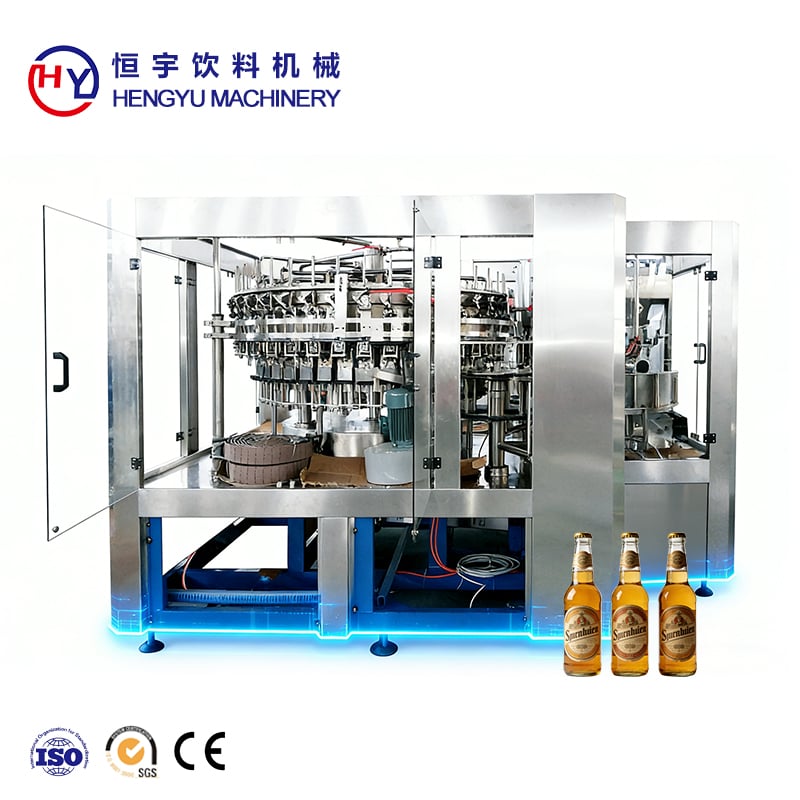
The quality of beer depends on countless variables throughout production, but few factors matter more than the precision and reliability of the beer filling machine used in bottling or canning operations. A beer filling machine that operates with accuracy directly influences oxygen exposure, carbonation levels, fill consistency, and contamination risk. Understanding how a modern beer filling machine maintains product quality reveals why beverage manufacturers invest heavily in advanced filling technology.

Every brewery faces the challenge of delivering consistent, fresh product to market without compromising taste, appearance, or shelf stability. The beer filling machine sits at the center of this challenge, executing thousands of fill cycles per hour while maintaining tight tolerances on volume, pressure, and cleanliness. This article explores the specific mechanisms through which a beer filling machine protects product quality and why operational excellence in filling directly translates to customer satisfaction.
Precision Dosing and Volume Control in Beer Filling Machines
Exact Fill Level Consistency
A beer filling machine must dispense exactly the right volume into each container to meet legal regulations, customer expectations, and carbonation balance. Modern beer filling machine systems use advanced sensors and servo controls to detect liquid level with millisecond accuracy, ensuring no underfilling or overfilling occurs. Underfilled bottles reduce profit margins and suggest product tampering to consumers, while overfilled containers spill during capping and create waste. The beer filling machine compensates for foam variations, container height differences, and pressure fluctuations to achieve consistent results across production runs.
Carbonation Level Preservation
Carbonation is central to beer quality, and a properly calibrated beer filling machine protects dissolved CO2 throughout the filling process. Rapid depressurization or excessive agitation inside the filling chamber can cause premature gas loss, resulting in flat or under-carbonated product. Advanced beer filling machine designs use isobaric filling techniques, where internal pressure inside the machine matches the incoming product pressure, minimizing turbulence and gas escape. This technical refinement means the beer filling machine preserves the exact carbonation level the brewer intended, protecting taste profile and mouthfeel.
Contamination Prevention and Hygienic Design
Sterile Filling Environment
The beer filling machine must operate in a contamination-free environment to prevent microbial spoilage, oxidation, and off-flavors. Modern beer filling machine systems feature stainless steel construction, CIP (Clean-in-Place) compatibility, and sealed chambers that isolate product from airborne contaminants. UV sterilization, hot water sanitization cycles, and filtered air injection are integrated into quality-focused beer filling machine designs. These features ensure that the beer filling machine does not introduce bacteria, wild yeast, or chemical residues that could compromise shelf life or safety.
Oxygen Management During Filling
Dissolved oxygen is the enemy of beer stability, causing oxidation that produces stale, cardboard-like flavors over weeks or months. A quality beer filling machine minimizes headspace, uses counter-pressure filling to displace air, and may employ nitrogen flushing to protect product. The beer filling machine operator monitors dissolved oxygen content in finished product, and the machine design itself eliminates unnecessary air exposure at every step. This rigorous oxygen control is why a professional beer filling machine maintains superior product freshness compared to manual or poorly designed filling methods.
Speed, Consistency, and Reliability of Modern Beer Filling Machines
High-Speed Production Without Quality Compromise
Contemporary beer filling machine systems can operate at speeds exceeding 5,000 bottles per hour while maintaining zero-defect fill accuracy. This performance is only possible through servo-driven valve control, predictive sensor technology, and real-time monitoring built into the beer filling machine architecture. Every beer filling machine cycle is recorded and analyzed, allowing operators to identify drift, component wear, or process anomalies before they affect product quality. The integration of Industrial Internet of Things (IIoT) connectivity into modern beer filling machine platforms means data flows directly to quality dashboards, enabling rapid corrective action.
Reduced Downtime and Maintenance Predictability
Unplanned downtime of a beer filling machine directly damages product quality by forcing production delays, temperature swings, or rushed changeovers that increase defect risk. Advanced beer filling machine designs reduce mechanical complexity, use durable components rated for millions of cycles, and feature modular valve designs that simplify maintenance. Predictive analytics applied to a beer filling machine alert technicians before seal wear becomes critical, allowing scheduled maintenance that preserves both machine reliability and consistent product output. This preventive approach transforms the beer filling machine from a potential quality risk into a stability asset.
FAQ
What is the primary quality risk if a beer filling machine is not properly maintained?
The primary quality risk is oxidation and microbial contamination. A poorly maintained beer filling machine fails to protect product from oxygen exposure, resulting in stale flavors and shortened shelf life. Seal degradation allows bacterial entry, and inadequate sanitization of the filling chamber introduces wild yeast or chemical residues that spoil product.
How does isobaric filling in a beer filling machine improve quality?
Isobaric filling technology in a beer filling machine matches internal chamber pressure to incoming product pressure, eliminating violent depressurization and foam formation. This gentle approach preserves carbonation levels precisely as formulated, preventing flat or over-carbonated beer and ensuring consistent taste and mouthfeel from bottle to bottle.
Can a beer filling machine detect and prevent underfilled bottles?
Yes, modern beer filling machine systems are equipped with optical and capacitive sensors that monitor fill level in real-time. If a container is underfilled, the beer filling machine automatically signals the container for rejection before capping, preventing substandard product from reaching consumers and protecting brand reputation.