
 CN
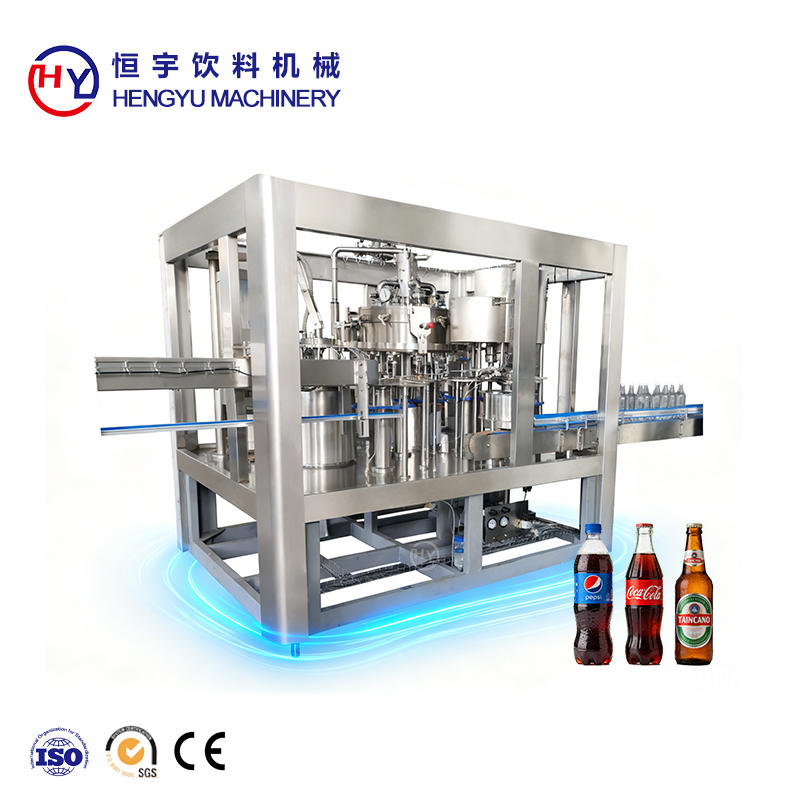
The carbonated drink filling machine stands as one of the most critical components in modern beverage production facilities. Maintaining consistent pressure during high-speed production represents a fundamental engineering challenge that directly impacts product quality, safety, and operational efficiency. A carbonated drink filling machine must continuously balance multiple variables—carbon dioxide concentration, fill volume, container integrity, and production speed—to deliver finished products that meet strict quality standards while maximizing throughput. Understanding how these machines preserve pressure throughout the filling cycle reveals the sophisticated engineering that powers the global soft drink industry.

A carbonated drink filling machine operates within a precisely controlled pressure environment that prevents CO2 loss and ensures product consistency. The machine's pressure maintenance system integrates mechanical components, sensor networks, and automated control logic to sustain optimal conditions throughout each production cycle. High-speed operations intensify pressure management demands because faster fill rates create greater risks of gas escape, foam formation, and fill-level inaccuracy. Modern carbonated drink filling machine designs employ multiple redundant pressure control mechanisms to handle these challenges reliably across varying production scenarios and container types.
Pressure Vessel Design in Carbonated Drink Filling Machines
Sealed Chamber Architecture
The core of any carbonated drink filling machine begins with a precisely engineered sealed chamber that contains the liquid product under controlled pressure. This chamber must resist internal pressure forces while maintaining absolute seal integrity throughout thousands of fill cycles. The carbonated drink filling machine's sealed chamber typically operates at pressures ranging from 2 to 4 bar, depending on the product type and desired carbonation level. Chamber walls undergo rigorous stress analysis and material selection to guarantee safety and longevity. Stainless steel construction dominates this application because it resists corrosion from acidic carbonated beverages and withstands repeated pressure cycling without material degradation. The carbonated drink filling machine achieves its pressure seal through precision-machined gaskets, threaded connections, and occasionally welded joints that eliminate any pathway for gas escape during operation.
Pressure Regulation Components
Within the carbonated drink filling machine, pressure regulators serve as critical gatekeepers that maintain chamber pressure within narrow tolerances. These regulators respond to internal pressure signals and adjust the flow of CO2 and product independently, preventing over-pressurization or dangerous de-pressurization. A carbonated drink filling machine operator monitors pressure readouts continuously, allowing manual intervention if automated systems detect anomalies. Modern regulators in a carbonated drink filling machine feature proportional control that responds smoothly to pressure changes rather than cycling between fixed states. This smoothness prevents the shock waves and product agitation that would otherwise disturb carbonation levels and create inconsistent fill volumes. The carbonated drink filling machine's regulatory system must respond rapidly to changing production speeds, which can fluctuate significantly during product changeovers or maintenance cycles.
Carbon Dioxide Injection and Management
CO2 Supply Integration
The carbonated drink filling machine requires a continuous, stable supply of carbon dioxide that feeds into the sealed chamber at precisely metered rates. The CO2 supply system connects to the carbonated drink filling machine through pressure-rated tubing and filtration stages that remove contaminants and moisture. A carbonated drink filling machine draws CO2 from external supply sources—typically large storage tanks—and regulates this gas into the chamber at pressures matching or slightly exceeding the desired product pressure. The carbonated drink filling machine's CO2 injection system includes pressure gauges, safety relief valves, and flow meters that enable operators to verify gas delivery and diagnose supply problems. During high-speed production, a carbonated drink filling machine may consume hundreds of kilograms of CO2 per hour, making supply reliability and efficiency critical to overall production uptime. The system design prevents backflow and contamination through one-way check valves positioned strategically throughout the carbonated drink filling machine's gas pathway.
Carbonation Level Control
The carbonated drink filling machine maintains specific carbonation levels by controlling both the CO2 pressure in the chamber and the contact time between liquid and gas phases. Each product formulation requires a distinct carbonation target, typically measured in volumes of CO2—for example, cola products typically contain 3.7 to 4.0 volumes of CO2. A carbonated drink filling machine achieves this precision through a combination of chamber pressure maintenance, saturation duration, and product cooling. Lower product temperature increases CO2 solubility, allowing the carbonated drink filling machine to achieve higher carbonation with lower chamber pressure. The carbonated drink filling machine's control system monitors product temperature continuously and adjusts pressure and residence time accordingly. If a carbonated drink filling machine allows product to spend insufficient time in the pressurized chamber, CO2 absorption remains incomplete, resulting in under-carbonated products. Conversely, excessive residence time or over-pressurization in a carbonated drink filling machine leads to over-carbonation and increased foam generation during the fill stage.
Fill Valve Mechanisms and Pressure Synchronization
Fill Valve Operation Under Pressure
The fill valve represents the most critical interface between the carbonated drink filling machine's pressurized chamber and the receiving container. This valve must open at precisely timed intervals, dispense exact product volumes, and close without allowing gas escape or product backup. A carbonated drink filling machine's fill valve operates under differential pressure conditions, where the chamber pressure exceeds container pressure, creating a pressure gradient that drives product flow. The carbonated drink filling machine's valve design typically employs a spring-loaded poppet or rotary mechanism that seals tightly under pressure when closed and opens smoothly when actuated by pneumatic or servo-driven signals. High-speed fill valves in a carbonated drink filling machine must cycle thousands of times per hour while maintaining absolute seal integrity. The carbonated drink filling machine's fill valve seats are machined to extreme precision and often feature hardened surfaces that resist wear from repeated contact cycles.
Pressure Equalization Strategies
Before the carbonated drink filling machine's fill valve opens, the container and chamber pressures must equalize to prevent rapid product ejection or foaming. Modern carbonated drink filling machines employ counter-pressure filling technology, where containers receive an initial CO2 charge before the carbonated drink filling machine begins dispensing product. This counter-pressure in the carbonated drink filling machine's receiving container matches or closely approaches chamber pressure, minimizing the pressure differential and preventing violent product release. The carbonated drink filling machine's equalization system includes dedicated CO2 injection nozzles that deliver gas into each container in sequence before the fill valve activates. A carbonated drink filling machine operator can adjust counter-pressure levels independently from chamber pressure, allowing optimization for different container sizes and product types. During fill operations, the carbonated drink filling machine continuously monitors both chamber and container pressures, automatically pausing fill cycles if pressure synchronization falls outside acceptable ranges. This pressure-matching capability distinguishes modern carbonated drink filling machines from earlier designs and dramatically improves product quality consistency.
Cooling and Temperature Stabilization
Thermal Management Impact on Pressure
Temperature profoundly influences how the carbonated drink filling machine manages pressure because gases and liquids both respond to thermal changes according to physical laws. When a carbonated drink filling machine receives warm product from upstream processing equipment, internal pressure rises because CO2 solubility decreases and gas expansion increases. The carbonated drink filling machine must incorporate heat exchange equipment that cools product to optimal carbonation temperatures, typically between 0 and 4 degrees Celsius for most beverage applications. This cooling reduces gas volume and increases gas solubility, allowing the carbonated drink filling machine to operate at lower chamber pressures while maintaining target carbonation levels. The carbonated drink filling machine's cooling system removes thermal energy continuously, preventing pressure spikes that might otherwise trigger safety relief valves or cause inconsistent fill volumes. Temperature stability in a carbonated drink filling machine directly correlates with pressure stability, making thermal management inseparable from pressure control strategy.
Insulation and Environmental Control
The carbonated drink filling machine's chamber and connected piping require thermal insulation to minimize heat transfer from the surrounding environment. Even small temperature increases can destabilize pressure conditions within a carbonated drink filling machine, particularly during extended production runs. Industrial carbonated drink filling machines often operate within temperature-controlled production facilities where ambient conditions remain stable throughout the shift. The carbonated drink filling machine's insulation prevents condensation formation on external surfaces and reduces energy consumption required for product cooling. During seasonal transitions or in facilities lacking environmental controls, a carbonated drink filling machine's operators must monitor internal temperatures more carefully and adjust cooling system settings accordingly. The carbonated drink filling machine's sophisticated pressure control systems compensate for minor thermal variations, but excessive temperature fluctuations overwhelm these compensatory capabilities and degrade product consistency.
Safety Systems and Pressure Monitoring
Redundant Safety Mechanisms
Every carbonated drink filling machine incorporates multiple independent safety systems that prevent dangerous over-pressurization and protect personnel. The primary safety component within a carbonated drink filling machine is the relief valve, a mechanical device that automatically vents excess pressure when chamber pressure exceeds preset thresholds. A carbonated drink filling machine's relief valve operates independently of electrical systems, ensuring functionality even during power failures or electronic malfunctions. The carbonated drink filling machine also includes secondary containment structures and rupture discs designed as final barriers against catastrophic pressure release. Modern carbonated drink filling machines feature electronic pressure sensors connected to programmable logic controllers that monitor conditions in real-time and trigger automatic shutdowns if anomalies develop. The carbonated drink filling machine's safety system design reflects strict compliance with equipment safety standards, including regular testing and certification requirements.
Pressure Monitoring and Data Logging
Contemporary carbonated drink filling machine installations integrate digital pressure sensors and data logging systems that create detailed production records. These monitoring systems allow operators and maintenance teams to track pressure trends, identify gradual component degradation, and schedule preventive maintenance before failures occur. The carbonated drink filling machine's monitoring network stores historical data that maintenance personnel analyze to predict component service life and optimize replacement schedules. Real-time alerting in the carbonated drink filling machine notifies operators immediately if pressure readings deviate from expected ranges, enabling rapid corrective action. The carbonated drink filling machine's data provides valuable feedback for process optimization, helping engineers understand how specific adjustments to temperature, CO2 supply, or fill timing affect pressure stability and product quality. This information-rich approach to carbonated drink filling machine management represents a significant advancement beyond older mechanical systems that offered minimal visibility into operational conditions.
FAQ
Why does the carbonated drink filling machine need to maintain pressure throughout production?
The carbonated drink filling machine must maintain consistent chamber pressure to preserve carbonation levels in the product and prevent CO2 loss. If pressure drops during the fill cycle, dissolved CO2 escapes into the headspace, reducing carbonation in the finished product. Pressure stability in a carbonated drink filling machine also enables accurate fill volumes and prevents foam formation that would compromise product appearance and quality. Additionally, maintaining proper pressure in the carbonated drink filling machine prevents product backflow and contamination of the carbonation system.
What pressure range does a typical carbonated drink filling machine operate within?
A carbonated drink filling machine typically operates at chamber pressures between 2 and 4 bar, though specific settings depend on the product type and desired carbonation level. The carbonated drink filling machine's pressure adjusts based on product temperature, container type, and production speed requirements. Higher pressures in the carbonated drink filling machine support faster production speeds and higher carbonation levels, while lower pressures reduce stress on equipment and improve safety margins. Operating a carbonated drink filling machine outside recommended pressure ranges results in poor product consistency or potential safety hazards.
How does counter-pressure filling improve carbonated drink filling machine performance?
Counter-pressure filling reduces the pressure differential between the carbonated drink filling machine's chamber and the receiving container before product dispensing begins. This pressure equalization prevents violent product ejection and foaming that would otherwise occur when pressure differences are extreme. The carbonated drink filling machine's counter-pressure system involves pre-charging containers with CO2, which allows smooth product flow and minimizes CO2 loss during the fill event. This technology enables the carbonated drink filling machine to achieve higher production speeds while maintaining superior product quality and consistency compared to older non-counter-pressure designs.