
 CN
CN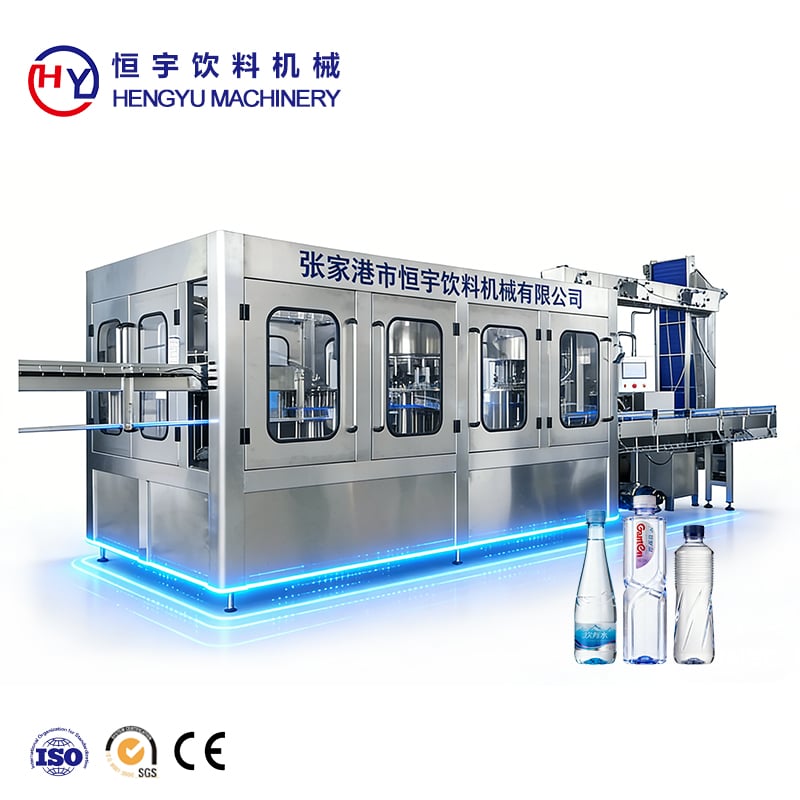
The beverage production industry is undergoing a significant transformation driven by advances in bottle filling machine automation. Modern manufacturing facilities increasingly rely on sophisticated bottle filling machine systems to meet rising demand for packaged water, soft drinks, and other beverages. Understanding current automation trends in bottle filling machine technology is essential for producers seeking competitive advantages in production speed, accuracy, and cost efficiency.

Today's bottle filling machine automation landscape reflects years of engineering innovation aimed at maximizing throughput while maintaining product integrity. Manufacturers and bottling operations now deploy advanced bottle filling machine configurations that integrate real-time monitoring, precision dispensing, and quality assurance protocols directly into production workflows. These technologies represent a fundamental shift from manual and semi-automated approaches toward fully integrated systems that enhance operational reliability and profitability.
Intelligent Control Systems in Modern Bottle Filling Machine Design
Real-Time Monitoring and Precision Dispensing
Contemporary bottle filling machine systems employ advanced sensors and control electronics to ensure consistent fill volumes and minimize product waste. A modern bottle filling machine uses electromagnetic, capacitive, and optical sensors to detect bottle position, monitor liquid levels, and trigger accurate dispensing sequences. These innovations in bottle filling machine technology enable producers to achieve fill tolerances within milliliters, significantly reducing overfill and underfill incidents that compromise product quality and regulatory compliance.
Integration with Digital Manufacturing Platforms
Industry 4.0 principles now influence bottle filling machine architecture, with many systems incorporating IoT connectivity and cloud-based analytics. A state-of-the-art bottle filling machine collects performance data during operation, feeding insights into production dashboards and predictive maintenance systems. This bottle filling machine connectivity enables operators to track throughput metrics, identify efficiency bottlenecks, and schedule preventive maintenance before equipment failures disrupt production schedules.
High-Speed Processing and Throughput Optimization
Increased Bottle Filling Machine Capacity and Production Rates
Modern bottle filling machine engineering focuses on maximizing containers processed per hour while maintaining accuracy and product safety. Advanced bottle filling machine designs now routinely handle 5,000 to 10,000 containers hourly, depending on container size and liquid viscosity. Investment in specialized bottle filling machine technology directly correlates with reduced per-unit production costs, making automated solutions economically attractive even for mid-sized beverage manufacturers seeking expansion opportunities.
Multi-Head and Rotary Configurations
The latest bottle filling machine innovations employ multiple filling heads arranged in rotary configurations to distribute workload efficiently across parallel processing paths. A rotary bottle filling machine design allows containers to move sequentially through stations, with each station performing independent filling operations simultaneously. This bottle filling machine approach eliminates bottlenecks inherent in single-head designs and provides flexibility to adjust processing speed based on production demand and material specifications.
Sustainability and Material Compatibility in Bottle Filling Machine Operations
Eco-Friendly Bottle Filling Machine Design Principles
Environmental considerations increasingly shape bottle filling machine development, with manufacturers prioritizing water conservation, energy efficiency, and waste reduction. Modern bottle filling machine systems minimize liquid spillage through improved sealing mechanisms and precisely calibrated dispensing, reducing product loss and associated environmental impact. Energy-efficient motors and optimized cycle timing in contemporary bottle filling machine configurations lower operational carbon footprints while maintaining production throughput expectations.
Adaptability Across Container Materials and Formats
Leading bottle filling machine platforms support diverse container types including plastic, glass, and aluminum packaging formats without requiring extensive retooling. A versatile bottle filling machine accommodates varying bottle heights, diameters, and neck openings through adjustable conveyor systems and interchangeable filling heads. This bottle filling machine flexibility enables producers to expand product portfolios and respond quickly to market demands without investing in separate specialized equipment for each container variant.
FAQ
What factors should drive selection of an advanced bottle filling machine?
Evaluate a bottle filling machine based on your production volume requirements, container specifications, product viscosity, and quality standards. Consider bottle filling machine throughput capacity measured in containers per hour, compatibility with your existing conveyor systems, and the bottle filling machine's ability to accommodate future product line expansion. Additionally, assess maintenance accessibility, spare parts availability, and technical support provided by the manufacturer before committing to a bottle filling machine investment.
How does a bottle filling machine reduce production costs?
A bottle filling machine reduces per-unit costs through increased throughput, minimized product giveaway from overfilling, and reduced labor requirements compared to manual or semi-automated filling. Modern bottle filling machine precision ensures consistent fill volumes, reducing material waste and improving inventory management. Additionally, predictive maintenance capabilities in advanced bottle filling machine systems prevent unexpected downtime that could disrupt production schedules and compromise profitability.
What automation trends are shaping bottle filling machine technology today?
Current bottle filling machine trends emphasize artificial intelligence integration for predictive maintenance, enhanced sensor systems for quality monitoring, and simplified operator interfaces that reduce training requirements. Cloud connectivity in modern bottle filling machine systems enables remote diagnostics and performance tracking across multiple production facilities. Sustainability-focused innovations in bottle filling machine design focus on energy efficiency and water conservation while maintaining the speed and accuracy standards demanded by contemporary beverage manufacturers.