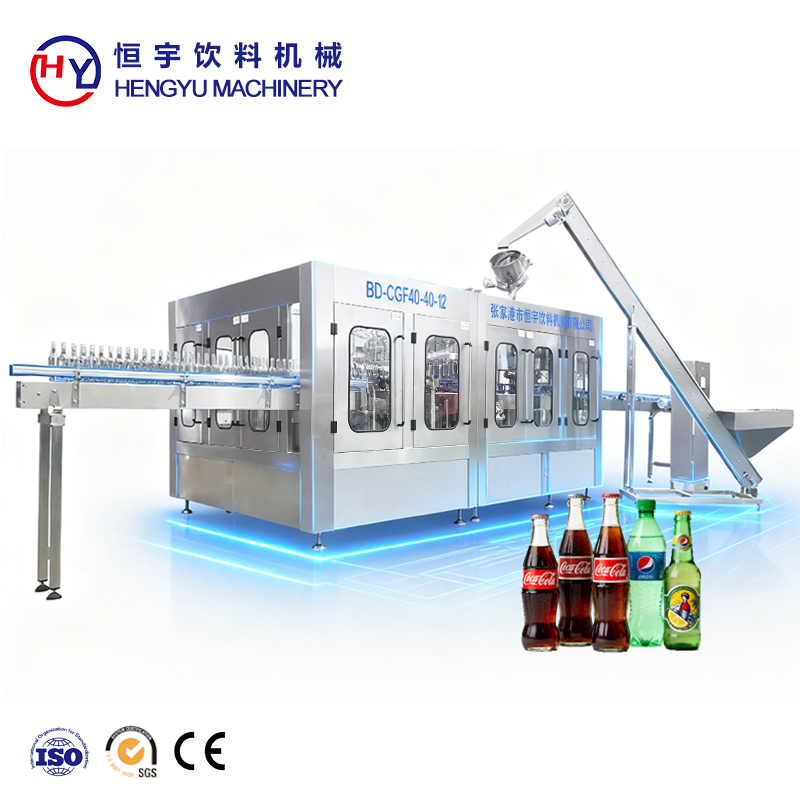
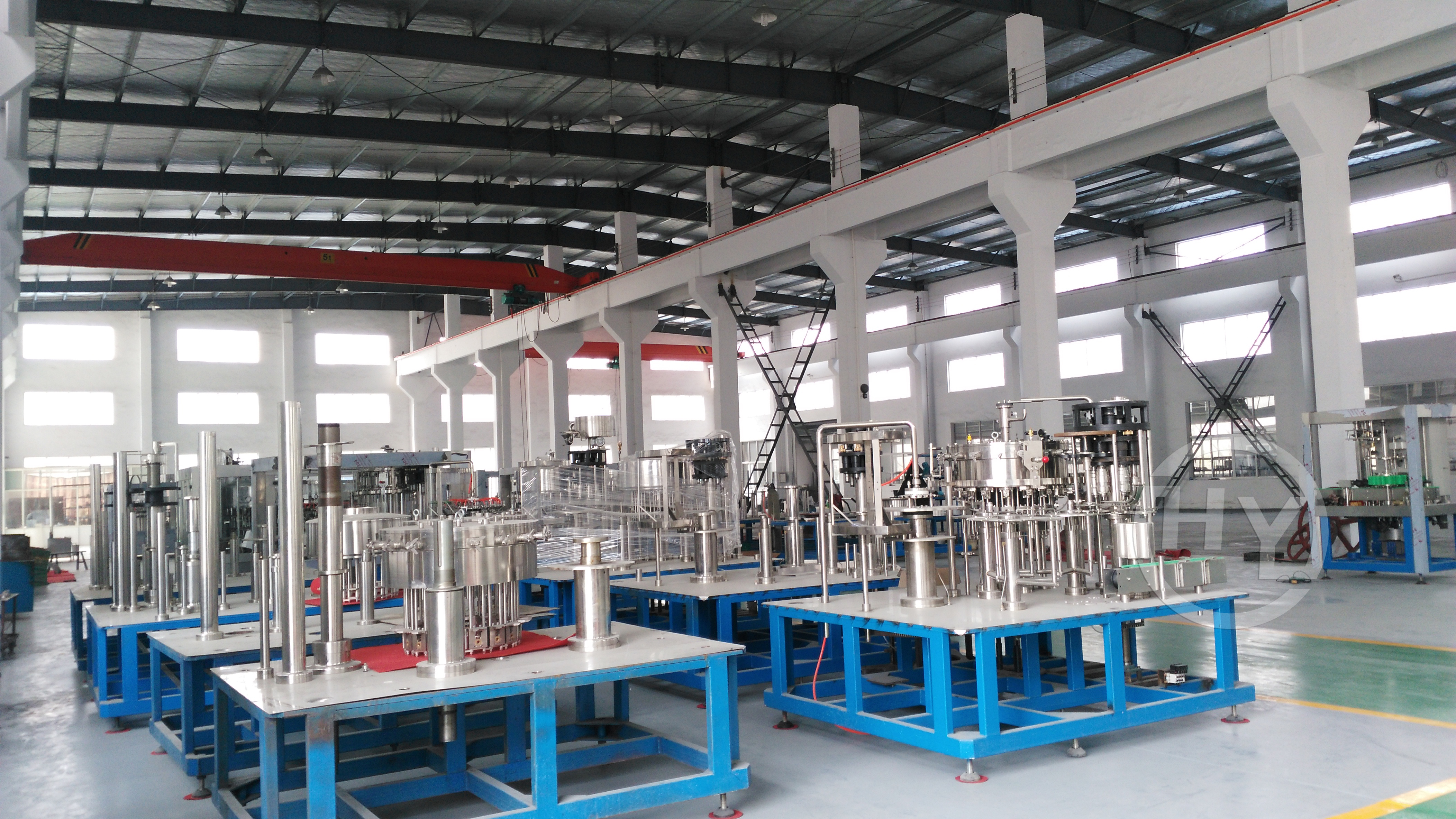
Ko‘pchilik ichimlik ishlab chiqaruvchilar uchun ishlab chiqarish liniyasiga investitsiya qilish avvalo bitta savolga qaratilgan edi: apparat soatda nechta shisha to‘ldiradi?
2026-yilda bu savol hali ham muhim, lekin endi bu yetarli emas.
Ichimlik ishlab chiqaruvchilari o‘zgarayotgan qadoqlash talablari, turli xil mahsulotlar portfeliga ega bo‘lish, operatsion xarajatlarning o‘sishi va ishlab chiqarish barqarorligiga nisbatan o‘sayotgan kutishlarga duch kelmoqda. To‘ldirish liniyasi faqat talab qilinadigan chiqishni ta’minlash bilan cheklanmaydi. U turli xil idishlar bilan ishlashi, samarali o‘zgartirishlarga imkon berishi, resurslardan foydalanishni nazorat qilishi va mijozning bozorining rivojlanishiga moslasha olishi kerak.
Bu o‘zgarishlar yangi ichimlik zavodlarining loyihalash usulini va mavjud ishlab chiqarish liniyalarining yangilash usulini ta’sir qilmoqda.
Hengyu Beverage Machinery kompaniyasining suv, gazlangan ichimliklar, sharbatlar, choy va banka to'ldirish loyihalaridagi tajribasiga asoslanib, ishlab chiqaruvchilar keyingi uskunalar sotib olishini baholayotganda besh ta tendentsiya tobora muhimroq ahamiyat kasb etmoqda.
1. Qadoqlash talablari uskunalar tanlovida erta bosqichda ta'sir qilmoqda
Qadoqlash endi to'ldirish apparati tanlanib bo'lingandan keyin qilinadigan qaror emas.
Shisha materiali, shisha og'irligi, shishaning yuqori qismi dizayni, qopqoq tuzilishi, etiketka turi va ikkinchi darajali qadoqlash formati barchasi ichimlik ishlab chiqarish liniyasining konfiguratsiyasiga ta'sir qiladi. Bir nechta bozorlarga kirib borayotgan ishlab chiqaruvchilar shuningdek, ularning qadoqlash mahsulotlari har bir yetib boriladigan bozorning talablariga mos kelishini ham hisobga olishlari kerak.
Yevropa qadoqlash qoidalaridagi o'zgarishlar bu holatga aniq misol beradi.
Yevropa Ittifoqida sotiladigan plastik ichimlik idishlari allaqachon foydalanish davomida idishga biriktirilgan qopqoq yoki qopqoqlardan foydalanishni talab qiladi. Yevropa Ittifoqining Idishlar va Idish chiqindilari to'g'risidagi qoidasi shuningdek, idishlar dizayni, chiqindilarni kamaytirish, qayta ishlash imkoniyati va qayta ishlangan materiallardan foydalanish bo'yicha kengroq talablarni joriy etadi.
Ushbu qoidalar Yevropa bozoriga chiqariladigan mahsulotlarga bevosita tegishli bo'lsa-da, ularning ta'siri Yevropadan tashqari ham keng tarqaladi. Ushbu mintaqaga eksport qiluvchi ichimlik kompaniyalari o'z shishalarini, qopqoqlarini va idish materiallarini qayta ko'rib chiqishi mumkin, shu bilan birga, jihoz yetkazib beruvchilari to'ldirish va qopqoq qo'yish tizimlarining tanlangan idish dizayni bilan mos kelishini ta'minlashlari kerak.
Bu esa idishlar bo'yicha qarorlar loyiha boshida muhokama qilinishi kerakligini anglatadi.
Masalan, anʼanaviy qopqoqdan bogʻlangan qopqoqqa oʻtish qopqoqni berish va qopqoq qoʻyish jarayonini taʼsirlashi mumkin. Yengil idishni tashish paytida barqarorroq boshqarish talab qilinishi mumkin. Yangi etiket materiali etiketlash uskunasini tanlashga taʼsir qilishi mumkin, shu bilan birga, siqilgan (shrinking) qadoqlardan qutilarga oʻtish quyi qadoqlash boʻlimini oʻzgartiradi.
Shuning uchun kelajakdagi ichimlik ishlab chiqarish liniyasi faqat toʻldirish apparati emas, balki butun qadoqqa asoslanib loyihalash kerak.
2. Eng yuqori ishlab chiqarish hajmiyiga nisbatan moslashuvchan ishlab chiqarish ahamiyati ortmoqda
Barcha ichimlik kompaniyalari yil davomida bitta mahsulotni bitta idish hajmida ishlab chiqarmaydi.
Koʻpchilik ishlab chiqaruvchilar hozirda mavsumiy talabga, mintaqaviy afzalliklarga va tez-tez yangi mahsulotlar chiqarishga javob berishlari kerak. Bitta zavod bir nechta idish hajmlarida suv, mazali suv, sharbatlar yoki gazlangan ichimliklarni ishlab chiqarishi mumkin.
Bu shartlarda, har bir mahsulotni o'zgartirish uchun uzun to'xtatish talab qilinsa, yuqori nominal quvvatga ega bo'lgan apparat eng yaxshi tijorat natijasini berolmaydi.
Ishlab chiqarish moslashuvchanligi uskunalar qiymatining muhim qismiga aylanmoqda.
Moslashuvchan liniya shishalar uchun yo'naltirgichlarni, to'ldirish parametrlarini, etiketkalar va qadoqlash formatlarini sozlashni amalga oshirishni qulay qilishi kerak. Moslashuvchanlik darajasi mijozning mahsulotlar doirasiga bog'liq. Bir xil shisha dizaynidan foydalangan kompaniya uzluksiz yuqori tezlikda ishlashga e'tibor qaratishi mumkin, ammo shartnoma asosida ichimliklar ishlab chiqaradigan korxona esa tez va takrorlanadigan o'zgartirishlarga katta ahamiyat beradi.
Bu shuni anglatmaydi-ki, bitta liniyani texnik cheklovlarsiz barcha ichimliklarni qayta ishlashni kutish kerak. Turli mahsulotlar turli to'ldirish prinsiplarini talab qilishi mumkin.
Suvni oddiy sharoitda, ya'ni atmosfera bosimi yoki og'irlik kuchi ta'sirida to'ldirish mumkin. Gazlangan ichimliklarni to'ldirish uchun boshqariladigan bosim talab qilinadi, shu bilan birga sharbatlar va choy mahsulotlarini to'ldirish uchun issiq to'ldirish va qo'shimcha haroratni boshqarish jarayonlari kerak bo'ladi.
Muhim jihat shundaki, ishlab chiqarish liniyasi yakunlanishidan oldin mijozning hozirgi va kelajakdagi mahsulot rejalarini aniqlash kerak.
Kelajakdagi shisha formatlari va ichimlik turlari dastlabki loyihalash bosqichida hisobga olinadigan bo'lsa, ishlab chiqaruvchi keyinchalik keraksiz jihozlarni almashtirishdan qutuladi. Shuningdek, qo'shimcha rezervuarlar, konveyerlar, tekshirish birliklari yoki qadoqlash uskunalari uchun mos joy ham ajratib qo'yiladi.
Shu tarzda moslashuvchanlik sifatida investitsiya himoyasining bir shakli vujudga keladi.
3. To'liq liniya integratsiyasi alohida apparatlar sotib olishni almashtirayapti.
Ichimlik liniyasi faqat uning alohida bo'limlari o'rtasidagi ulanish samaradorligicha samarali bo'ladi.
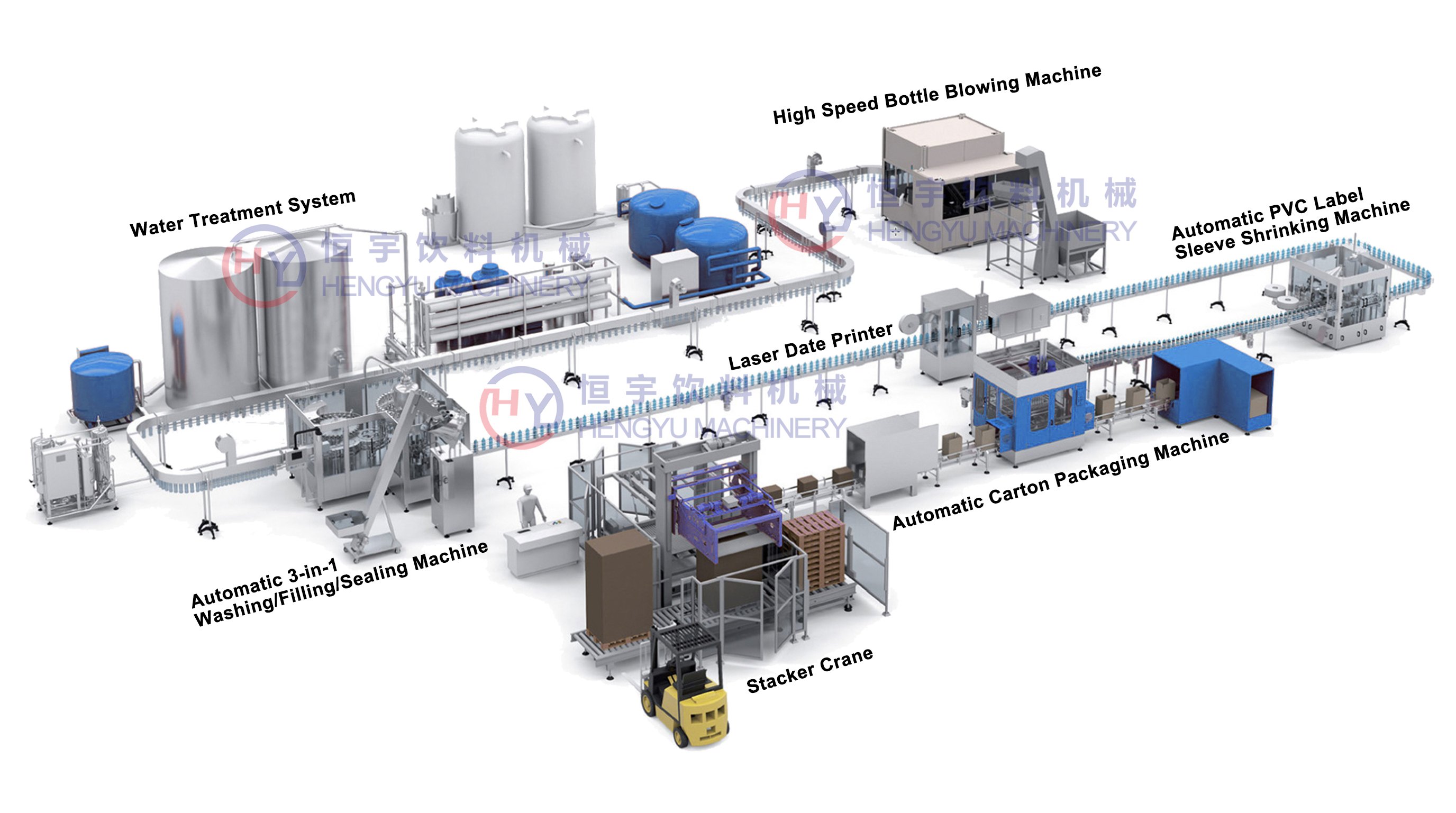
Suvni tozalash, ichimlik tayyorlash, idishlarni boshqarish, to'ldirish, qopqoqlash, yorliqlash va qadoqlash barchasi alohida tizimlar sifatida to'g'ri ishlashi mumkin. Biroq, ularning quvvati va boshqaruv mantiqi muvofiqlashtirilmasa, butun liniya hali ham tez-tez to'xtab turishi mumkin.
Masalan, idishlarni tartibga keltiruvchi moslama idishlarni nozik tarzda yetkazib berib, to'ldirish moslamasi barqaror chiqishni saqlay olmaydi. Quvvati yetarli bo'lmagan yorliqlash moslamasi to'ldirishdan keyin idishlarning to'planishiga sabab bo'ladi. Ichimlik tayyorlash tizimining nobarqarorligi to'ldirishga mahsulot yetkazib berishni uzilishiga olib keladi.
Shu sababli, ko'proq ichimlik ishlab chiqaruvchilar uskunalarni alohida-alohida emas, balki butun jarayon sifatida baholaydilar.
Butun liniyani integratsiya qilish quvvatni moslashtirishdan boshlanadi. Har bir bo'limning ishlab chiqarish tezligi moslamalar orasida keraksiz farqlar yaratmasdan, yetarli ishlatish chegarasini ta'minashi kerak.
Konveyer joylashuvi ham shu qadar muhim. Konveyerlar oddiygina bir apparatdan ikkinchi apparatga idishlarni ko'chirish uchun ishlatilmaydi. Ularning uzunligi, tezligi va to'plangan mahsulot hajmi kichik ishlab chiqarish o'zgarishlarini so'ngib olishga yordam beradi va liniyani qayta-qayta to'xtatishni kamaytiradi.
Boshqaruv tizimi operatorlarga liniya bo'ylab nima sodir bo'layotganini tushunish imkonini berishi kerak. Yuqori va pastki darajadagi apparatlar samarali aloqada bo'lganda, ishlab chiqarish tezligini silliqroq sozlash va nosozliklarni tezroq aniqlash mumkin.
Zavodning umumiy joylashuvi boshqa bir integratsiya qatlami qo'shadi.
Jihozlar mavjud binoga mos kelishi kerak, shuningdek, operatorlar, texnik xizmat ko'rsatish, tozalash, quvurlar va elektr ulanishlari uchun yetarli maydon qoldirilishi kerak. Xom ashyo harakati va tayyor mahsulotlarni saqlash ham hisobga olinishi kerak.
Apparatlar ro'yxati bo'yicha samarali ko'rinishi mumkin bo'lgan liniya, agar fizik joylashuv to'g'ri rejalashtirilmasa, boshqarish qiyin bo'lishi mumkin.
Shu sababli sanoat alohida jihozlarni tanlashdan tizim darajasidagi muhandislikka o'tmoqda.
4. Energiya, suv va mahsulot yo'qotish sotib olish me'yori sifatida ahamiyat kasb etmoqda
Ichimlik to'ldirish liniyasining sotib olish narxi uning umumiy xarajatlarining faqat bir qismidir.
Elektr energiya, suv, siqilgan havo, tozalash moddalari, mehnat va mahsulot yo'qotish uskunaning ishga tushirilganidan keyin ham davom etadi. Energiya va ishlab chiqarish xarajatlari nisbatan ko'proq e'tibor qozonayotganligi sababli, mijozlar uskunani sotib olish narxiga qanchalik e'tibor berishganidan ko'ra, uning kundalik ishlash jarayonida qanday ishlashini tekshirishmoqda.
Motorlar, nasoslar, kompressorlar, isitish tizimlari va sovutish uskunalari ko'p sonli ishlab chiqarish ob'ektlarida asosiy energiya iste'molchilardir. Mos motor o'lchamlari, barqaror ishlab chiqarish boshqaruvi va keraksiz ishlash vaqtini kamaytirish resurslardan foydalanishni kamaytirishga hissa qo'shadi.
Suvdan foydalanish ham muhim ahamiyatga ega, ayniqsa, suv va ichimliklar shishasiga quyiladigan zavodlarda, chunki idishlarni yuvish, tozalash va mahsulot tayyorlash uchun barchasi qayta ishlangan suv talab qilinishi mumkin.
Eng mos yechim mahsulot va gigiyenik talablarga qarab belgilanadi. Resurslarni samarali ishlatish hech qachon tozalash samarasini pasaytirmasligi va mahsulot xavfsizligini buzmasligi kerak. Biroq, yaxshi loyihalangan jarayon ortiqcha yuvishni, nazoratsiz oqib ketishni va barqaror bo'lmagan ishlash tufayli takrorlanadigan tozalashni oldini olmoqda.
Mahsulot yo'qolishi ham bir xil e'tiborga sazovor bo'lishi kerak.
Gazlangan ichimliklar ishlab chiqarilishida ortiqcha qopqoq hosil bo'lish ichimlik yo'qolishiga va to'ldirishning noaniqlikka olib kelishi mumkin. Suvli meva sharbati va choy ishlab chiqarilishida temperatura nazoratining barqaror bo'lmasligi qo'shimcha chiqimlarga sabab bo'lishi yoki to'ldirish jarayonini uzishiga olib kelishi mumkin. Idishlarni noto'g'ri boshqarish idishlarning qadoqlashdan oldin yiqilishiga, to'xtab qolishiga yoki shikastlanishiga sabab bo'ladi.
Kichik yo'qolishlar har kuni minglab idishlar uchun takrorlanganda ahamiyatli bo'lib qoladi.
Shu sababli, ishlab chiqaruvchilar uskunalar samaradorligini faqat bitta izolyatsiya qilingan energiya iste'moli ko'rsatkichi orqali emas, balki barqaror ishlash, aniq to'ldirish va koordinatsiyalangan jarayon nazorati orqali baholashlari kerak.
Doimiy ishlaydigan liniya, tez-tez to'xtab turadigan yoki ortiqcha chiqindilar hosil qiladigan nazariy jihatdan tezroq liniyaga qaraganda ko'pincha uzoq muddatli ahamiyatliroq qiymat yetkazib beradi.
5. Raqamli nazorat keng hajmli zavodlardan o'rta quvvatli liniyalarga o'tmoqda
Ichimliklar ishlab chiqarishida avtomatlashtirish endi faqat qo'l bilan bajariladigan vazifalarni almashtirish bilan cheklangan emas.
Zamonaviy boshqaruv tizimlari operatorlarga uskunalar holatini, ishlab chiqarish tezligini, ogohlantirishlarni va ishlash sharoitlarini kuzatishda yordam beradi. Bu funksiyalar qanchalik qulayroq bo'lsa, o'rta hajmli ichimlik ishlab chiqaruvchilari ham ishlab chiqarishni yaxshiroq ko'rinishini kutishni boshlaydi.
Raqamli nazoratning maqsadi o'ziga xos murakkablikni qo'shish emas. Eng foydali tizimlar operatorlarga amaliy qarorlar qabul qilishda yordam beradigan ma'lumotlarni taqdim etadi.
Aniq interfeys liniyaning normal ishlashini, qayerda nosozlik yuz berganini va qaysi bo'limga e'tibor berish kerakligini ko'rsatadi. Yozib olingan ogohlantirish ma'lumotlari texnik xizmat ko'rsatish jamoasiga takroriy muammolarni aniqlashga, har bir to'xtashni alohida hodisa sifatida emas, balki umumiy muammo sifatida hal qilishga yordam beradi.
Ishlab chiqarish ma'lumotlari rejalashtirishni ham qo'llab-quvvatlashi mumkin.
Agar boshliqlar liniyaning haqiqiy ishlash tezligini, to'xtash vaqtini va o'tkazish vaqtini tushunsa, ular rejalashtirilgan chiqishni haqiqiy ishlab chiqarish samaradorligi bilan solishtirishlari mumkin. Bu ma'lumot asosiy cheklovning to'ldirish apparati, qadoqlash bo'limi, xom-ashyo ta'minoti yoki ishlash tartibidan kelib chiqayotganini aniqlashga yordam berishi mumkin.
Masofadan texnik aloqa — boshqa rivojlanayotgan soha.
Agar apparat haqida ma'lumotlar, rasmlar, videolar va ishlash parametrlarini aniq ulashish mumkin bo'lsa, jihoz yetkazib beruvchilar dastlabki qo'llab-quvvatlashni samaraliroq taqdim etishlari mumkin. Masofadan yordam barcha joyda amalga oshiriladigan ishlarni almashtirmaydi, lekin u aloqa vaqtini qisqartiradi va xizmat ko'rsatish uchun tashrif belgilashdan oldin oddiy muammolarni aniqlashga yordam beradi.
Xalqaro ichimlik loyihalari uchun bu qobiliyat ayniqsa qadrlanadi, chunki jihozlar yetkazib beruvchisi va ishlab chiqarish zavodi turli mamlakatlarda joylashgan bo'lishi mumkin.
Bu tendentsiyalar ichimlik ishlab chiqaruvchilar uchun nima ma'noni anglatadi
Ichimlik sanoati har bir zavod uchun mos keladigan bitta standart ishlab chiqarish liniyasiga intilmaydi.
Buning o'rniga, ishlab chiqaruvchilar o'zlarining haqiqiy mahsulotlari, bozorlari va ishlab chiqarish sharoitlariga mos keladigan jihozlarga kengroq e'tibor qaratmoqdalar.
Yuqori hajmda bitta shisha hajmini ishlab chiqaradigan kompaniya bir nechta ichimlik turlarini boshlaydigan biznesdan farqli yechim talab qilishi mumkin. Eksport qiluvchi kompaniya maqsad bozorlarida qadoqlash qoidalarini hisobga olishi kerak, shu bilan birga o'sib borayotgan mahalliy brend esa sotuvlar o'sganda kengaytirilishi mumkin bo'lgan liniyaga ustuvorlik berishi mumkin.
Eng yaxshi ishlab chiqarish rejasini tuzish butun loyiha haqida aniq tushunchaga ega bo'lishdan boshlanadi.
Ichimlik turi, idish dizayni, talab qilinadigan hajm, zavodning o'lchamlari, foydalanish sharoitlari va qadoqlash usuli birgalikda baholanishi kerak. Keyin uskunalar konfiguratsiyasi ushbu talablarga mos ravishda ishlab chiqiladi.
Hengyu Beverage Machinery kompaniyasida biz ichimliklar ishlab chiqarish kelajagini faqat yuqori quvvat bilan belgilanmaydi, balki yaxshiroq koordinatsiya, kengroq moslashuvchanlik va ishonchli uzoq muddatli ishlash bilan belgilanadi deb ishonamiz.
Joriy va kelajakdagi bozoringiz uchun ishlab chiqarish liniyasini rejalashtiring
Siz yangi ichimliklar zavodini tashkil etmoqdasizmi yoki mavjud liniyani yangilamoqdasizmi? Hengyu jamoasiga uchta muhim tafsilotni bildiring:
· Sizning ichimlik va idishingiz turi
· Talab qilinadigan ishlab chiqarish quvvati
· Zavodning joylashuvi yoki mavjud o'lchamlari
Muhandislarimiz sizga ichimlik tayyorlashdan boshlab to etiketka qo'yish va yakuniy qadoqlashgacha bo'lgan butun jarayonni baholashda yordam beradi.
Shaxsiylashtirilgan ichimlik ishlab chiqarish liniyasi taklifini olish uchun Hengyu Beverage Machinery bilan bog'laning.
 So'nggi yangiliklar
 CN
CN