
 CN
CN
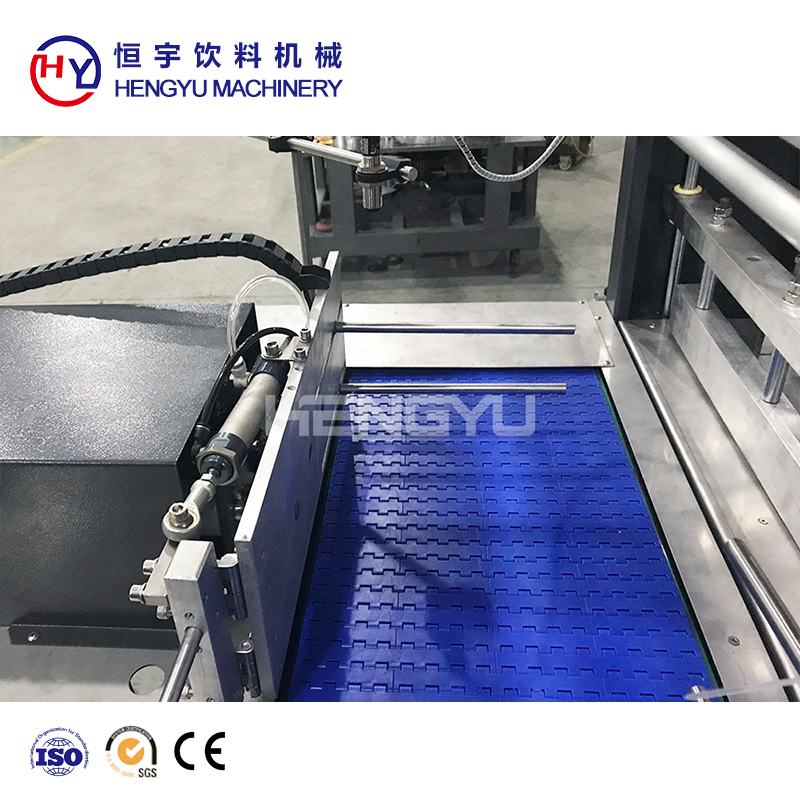
How Automation Enhances Precision and Reliability in Can Sealing Machines
Core Automation Components: Servo Drives, Vision Systems, and Closed-Loop Feedback in Modern Can Sealing Machines
Today's can sealing equipment reaches incredible levels of precision thanks to advanced automation systems working together seamlessly. The servo motors control the seaming pressure really accurately within about 0.2 PSI, and those fast machine vision systems check more than 300 cans every minute looking for problems like lids not sitting right or seams that aren't formed properly. These machines constantly watch over important settings such as how much force the rollers apply, how thick the seam ends up being, and even the overall height of each can. When something goes off track, they make adjustments on the fly which cuts down mistakes made by people operating them by almost 9 out of 10 times according to Packaging Automation Institute research back in 2022. What this means is that manufacturers get consistently sealed cans without air getting in, even when running faster than what most companies typically manage. Take seam thickness control for example it stops the process from being too light which would create tiny leaks in the metal. This brings down bad product rates dramatically from roughly 1 faulty can out of every 50 produced manually down to only 1 problem can among 500 units coming off these automated lines.
Real-Time Seam Monitoring: Detecting Micro-Gaps and Double-Seams Before Failure
Modern vision systems can spot flaws that no human eye could catch, like tiny 50-micron gaps between parts or when seams overlap incorrectly. Thermal cameras add another layer of protection by picking up on temperature changes while things get sealed together these hot spots often signal weak bonds that need to be rejected right away. Companies using this kind of real time inspection typically save around 15% on fixing mistakes later according to Autopak research from last year. Plus it keeps them compliant with those strict FDA rules about packaging for low acid canned goods. The real value becomes clear when we think about what happens if something slips through. Manufacturers who catch problems early prevent expensive product recalls which matters a lot in industries like food processing and pharmaceuticals. A single failed seal can lead to recalls costing nearly $740k on average as reported by the Ponemon Institute back in 2023.
Key Applications Driving Adoption of Automated Can Sealing Machines
Food and Beverage: Meeting FDA and ISO 22000 Compliance at High Speed (300+ CPM)
Food and beverage companies rely on automated can sealing machines to keep up with FDA regulations and ISO 22000 standards, all while cranking out over 300 cans per minute. What makes these systems so valuable? They cut down on inconsistencies when it comes to how tight the seams are, how much overlap there is between the lid and body, and proper compression levels. These factors really matter because they directly affect how long products stay fresh and whether contaminants get inside. Most modern systems come equipped with built-in vision inspection technology that checks each can as it moves along the line. This catches those tiny double-seam issues that would otherwise slip through unnoticed but could cause serious safety problems later on. Manufacturers report cutting their packaging waste by around 18% when switching from manual methods. And there's another smart feature worth mentioning too. The machines have what's called dynamic closed loop control. Basically, the sealing pressure adjusts itself automatically based on slight differences in can walls or lid materials. This means consistent quality even during fast production runs, which matters a lot when dealing with tricky items like fizzy drinks or tangy sauces that require extra care in the sealing process.
Pharma and Electronics: Hermetic Sealing for Sterility and Environmental Protection
Automated can sealing plays a critical role in both pharmaceutical production and electronics manufacturing by creating sealed environments that protect against contamination. These advanced systems manage to keep oxygen levels inside containers at under 0.005%, which matters a lot when it comes to keeping vaccines stable and semiconductors performing properly. They do this by pairing precision-controlled seaming mechanisms with vacuum checks that verify the quality of each seal. To maintain sterility standards, manufacturers monitor airborne particles continuously within spaces meeting ISO 14644-1 Class 5 specifications, something that helps catch those tiny gaps where moisture or bacteria might sneak in. When dealing with delicate electronic parts, special equipment applies conductive materials around the seals to create protective barriers similar to Faraday cages, blocking out unwanted electromagnetic signals. After running tests that simulate years of wear and tear, most systems retain about 99.98% of their original seal strength, giving manufacturers confidence that products like pacemakers or satellite components will stay protected throughout their service life.
Operational Impact: Throughput, Uptime, and Total Cost of Ownership
Quantifiable Gains: +22% Uptime and 15% Reduction in Rework with Integrated Vision-Guided Can Sealing Machines
Vision guided can sealing machines bring real benefits to operations. Facilities report around 22% better uptime and about 15% less rework compared to older systems. The main reason? These machines catch defects instantly during production runs that hit over 300 cans per minute. Advanced cameras spot tiny gaps and inconsistent seams right when they happen, which automatically adjusts machine settings so operators don't need to constantly make corrections. This cuts down on wasted materials too. Big manufacturing plants see significant financial benefits from this. A 15% drop in rework means saving tens of thousands each year, and longer machine runtime naturally boosts output numbers. All these factors combine to improve Overall Equipment Effectiveness metrics, showing why smart automation makes sense for companies wanting to grow production capacity while still maintaining product quality standards.
Hidden Costs: Sensor Drift, Firmware Incompatibility, and Skilled Technician Dependency
While automation delivers clear benefits, three hidden factors meaningfully impact Total Cost of Ownership (TCO):
- Sensor drift requires quarterly recalibration; uncorrected drift can cause up to 5% annual yield loss
- Firmware incompatibility during software upgrades may necessitate third-party integration support, costing $15,000–$50,000 per incident
- Skilled technician dependency raises labor expenses, as certified maintenance personnel command wages 30% above standard mechanical roles
Unplanned downtime from these issues can cost $10,000/hour in high-speed environments. Proactive mitigation—including predictive maintenance schedules and cross-training programs—reduces long-term TCO by up to 18%. A robust TCO analysis must therefore weigh capital investment against these recurring operational variables to reflect true lifecycle economics.
FAQ
What advantages do automated can sealing machines provide?
Automated can sealing machines offer precise control over seaming pressure, seam thickness, and defect detection with real-time monitoring, resulting in reduced errors, improved sealing precision, and adherence to strict regulations like FDA and ISO standards.
How do vision systems in can sealing machines work?
Vision systems detect flaws as small as 50 microns and thermal cameras detect temperature changes, providing enhanced quality control. They prevent products from failing by allowing manufacturers to catch issues early, saving on costly recalls.
What are the key applications of automated can sealing machines?
These machines are widely used in the food and beverage industry for complying with FDA and ISO regulations at high production speeds. They also play a vital role in the pharmaceutical and electronics industries by maintaining sterility and environmental protection of products.
What are the hidden costs associated with automated can sealing machines?
Hidden costs include sensor drift requiring frequent recalibration, firmware incompatibility needing integration support, and dependency on skilled technicians, which can increase labor costs.