
 CN
CN
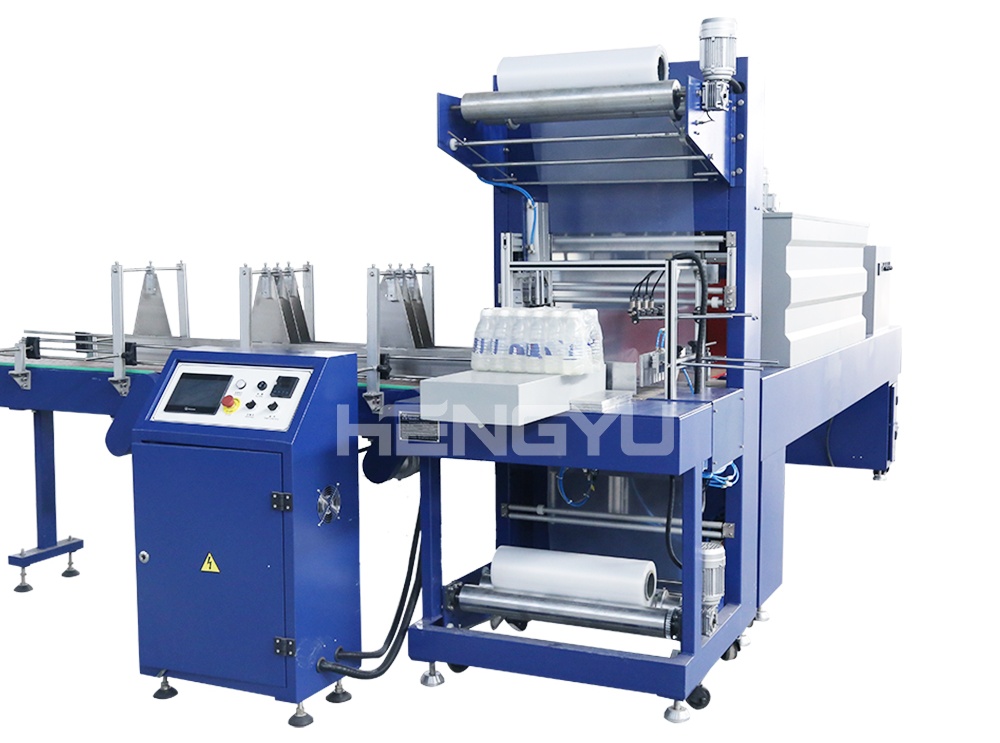
Daily and Weekly Preventive Maintenance for Your Can Sealing Machine
Essential Daily Checks: Belt Tension, Sealing Bar Alignment, and Tape Head Cleanliness
Starting every shift with a quick check on belt tension makes all the difference. If belts are too loose they'll cause misalignment problems down the line, but cranking them down too tight just speeds up wear and tear. Take a moment to look at those sealing bars and make sure they're running straight across. Even a tiny bit off track, maybe half a millimeter or so, can really mess with how good the seals hold up. Don't forget to wipe down tape heads regularly using some isopropyl alcohol to get rid of that stubborn adhesive gunk. This keeps the tape moving smoothly through the system. Industry folks say these simple five minute routines stop around four out of five sealing issues before they happen according to their efficiency reports.
Weekly Deep-Clean Protocol for High-Temperature Belts and Cooling Press Rubber Wheels
Execute a comprehensive 30-minute cleaning cycle weekly:
- Degrease high-temperature belts using heat-resistant solvents to prevent slippage
- Scrub cooling press rubber wheels to eliminate hardened debris affecting pressure distribution
- Vacuum internal mechanisms to remove particulate accumulation
This regimen reduces unexpected downtime by 20% and extends component lifespan by 3–5 months. Always power down and lock out the machine before maintenance.
Troubleshooting Common Can Sealing Machine Issues
Weak or Inconsistent Seals: Diagnosing Blade Wear, Heating Element Drift, and Pressure Calibration
Most problems with weak seals come down to three main culprits: cutting blades that have seen better days, heating elements drifting out of their ideal temperature range, or pressure settings that just aren't calibrated right. Take a look at those cutting blades every month. If there are any nicks deeper than half a millimeter, that's going to mess with how evenly the seal forms across the surface. When checking heating elements, grab an infrared thermometer and make sure they stay within plus or minus 5 degrees Celsius. Anything more than 10 degrees off track and we start seeing those frustrating incomplete seals. As for pressure systems, don't forget to check those pneumatic cylinders with a good quality digital gauge about four times a year. Better to catch issues early before they turn into bigger headaches down the line.
- Replace blades every 50,000 cycles—or immediately when seal integrity drops below 98%
- Recalibrate heating elements if temperature fluctuates 7°C during operation
- Test pressure consistency at multiple points along the sealing bar
Tape Breakage, Jams, and Misalignment—Root Causes and Immediate Corrective Actions
When tape problems keep coming back, most often it's because something's off with how the feed mechanism is aligned, those guide rollers are getting worn out, or the tension just isn't right. Stop everything first thing when this happens and take a good look at the tape path. Check those guide rails carefully for any bits of debris that might be causing jams. If the tape keeps drifting sideways more than about 2 millimeters while running, then the feed rollers need realignment. Tape breakage usually points to tension issues. Always double check what the manufacturer recommends for tension settings. Going over 30 Newtons can spell disaster for thinner tapes. And remember, there are emergency steps to take when things really go wrong, but we'll get into those specifics another time.
- Clear jams using manufacturer-approved rods (never metal tools)
- Reset tension to baseline (typically 15–25N for standard tapes)
- Replace guide rollers showing visible grooves or flat spots
Consistent weekly roller cleaning reduces tape faults by up to 68%, according to packaging maintenance research.
Strategic Component Replacement: Extending Lifespan of Blades, Sealing Bars, and Teflon Tape
Optimal Replacement Cycles and Performance Triggers for Sealing Bars and Heating Elements
Getting ahead of equipment issues stops major breakdowns from happening. Most sealing bars need changing somewhere between six to twelve months, while heating elements generally stick around for eight to eighteen months based on how much stuff gets produced. Watch out for problems like seals that don't look right, blades showing chips, or when temperatures swing more than five degrees Celsius during normal running. The newer tungsten carbide blades actually hold up about thirty five percent better than regular steel ones when dealing with heavy production volumes. When that Teflon tape starts to crack or builds up sticky residue, it's time to swap it out fast. Waiting too long can mess up the seals badly. Keeping track digitally of how long parts have been used along with actual seal quality numbers helps spot potential troubles way before they become real issues. Factories that do this sort of proactive monitoring cut their unexpected shutdowns nearly in half compared to places that only fix things after something breaks down.
Measuring Maintenance Impact: How Consistent Care Reduces Downtime and Improves Seal Quality
Consistent maintenance delivers measurable operational benefits that directly impact your bottom line. Facilities implementing structured upkeep report 30–45% less unplanned downtime. This proactive approach prevents common failure points like blade degradation and heating element drift before they escalate into costly stoppages.
When machines get their regular tune-ups and parts replaced on schedule, seal integrity jumps more than 70 percent. The sealing bars and belts stay in good shape, so they make those tight, leak-proof seals that stop products from getting contaminated. This matters a lot for how long things last on store shelves and meeting all those government standards. What does this actually mean for plant managers? Around fifty five thousand dollars saved every year without counting all the wasted materials, having to redo batches, or fixing breakdowns in a hurry.
Tracking two key metrics quantifies maintenance effectiveness:
- MTBF (Mean Time Between Failures): Increases by 40–60% with preventive care
- First-pass seal success rate: Consistently exceeds 98% in optimized machines
A focus on data really changes how we look at maintenance, turning it from just another expense into something that actually gives us an edge in the market. Components last longer when properly maintained, cutting down on replacement costs somewhere around 25% over time. And factories run smoother too, which means more products get made each week without those annoying stoppages. Take our canned goods line for instance. When all those cans come out meeting specs consistently, we see fewer returns from customers and our name stays strong in the marketplace. Bottom line? Taking good care of machines isn't some optional extra anymore. It's become absolutely essential if companies want to stay competitive and keep their operations running at peak performance levels.
FAQ
What are the daily maintenance tasks for a can sealing machine?
Daily maintenance includes checking belt tension, ensuring sealing bars are aligned, and cleaning tape heads with isopropyl alcohol to prevent adhesive buildup.
Why is regular maintenance important for can sealing machines?
Regular maintenance prevents sealing problems, reduces downtime, extends component lifespan, and improves overall seal quality and efficiency.
How often should blades and sealing bars be replaced?
Blades should be checked monthly and replaced every 50,000 cycles or if seal integrity drops below 98%. Sealing bars typically need changing every 6 to 12 months based on usage and performance.
What is MTBF, and how is it affected by maintenance?
MTBF stands for Mean Time Between Failures. Regular maintenance can increase MTBF by 40–60%, improving machine reliability.
What can cause tape breakage and jams in can sealing machines?
Tape breakage and jams often result from improper alignment, worn-out guide rollers, or incorrect tension settings. Regularly check and adjust these components to prevent issues.
Table of Contents
- Daily and Weekly Preventive Maintenance for Your Can Sealing Machine
- Troubleshooting Common Can Sealing Machine Issues
- Strategic Component Replacement: Extending Lifespan of Blades, Sealing Bars, and Teflon Tape
- Measuring Maintenance Impact: How Consistent Care Reduces Downtime and Improves Seal Quality
- FAQ