
 CN
CN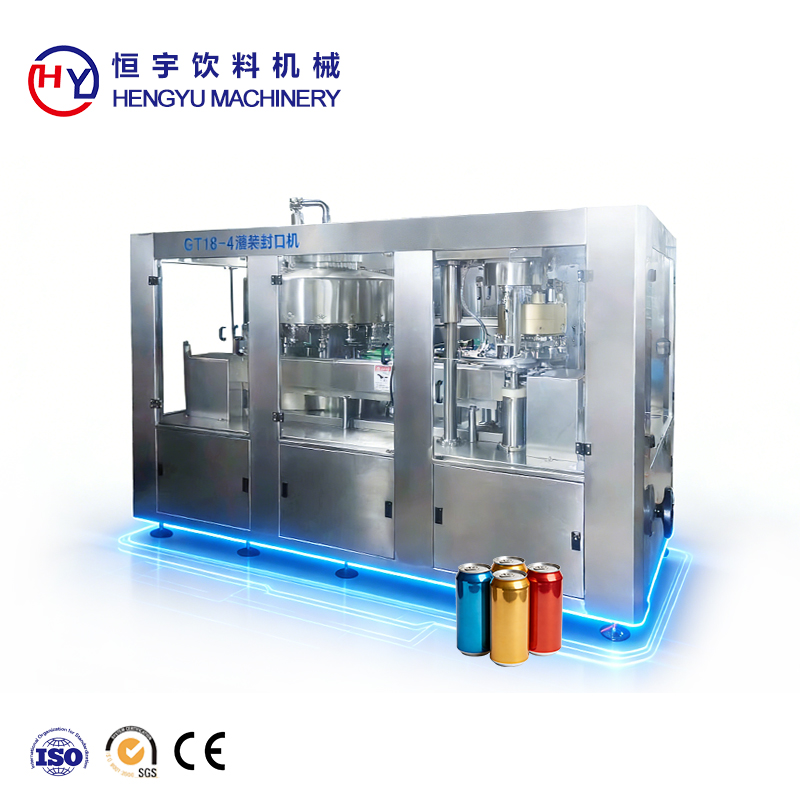
In today's highly competitive beverage and food manufacturing landscape, production speed is not merely a performance metric — it is a core business advantage. Manufacturers across industries are under constant pressure to fulfill larger orders, reduce cycle times, and minimize downtime without sacrificing product quality. One of the most critical pieces of equipment driving this transformation is can sealing machines. These systems determine how quickly sealed cans exit the line, directly affecting throughput, labor efficiency, and overall operational profitability.
Modern can sealing machines have evolved significantly over the past decade, incorporating servo-driven mechanisms, intelligent control systems, and high-precision seaming heads that work in harmony to maximize output rates. Whether you are scaling up a craft beverage operation or optimizing an industrial-scale canning line, understanding how these machines increase production speed — and what features matter most — is essential to making the right investment. This article breaks down exactly how modern can sealing machines contribute to faster, more reliable production.
The Relationship Between Can Sealing Machines and Line Throughput
How Sealing Speed Defines Overall Line Capacity
In any canning operation, the packaging line moves at the speed of its slowest component. Can sealing machines typically sit at the critical juncture between filling and downstream transport, meaning any bottleneck at the seamer immediately restricts the entire line. Modern systems are engineered to eliminate this chokepoint by achieving sealing speeds that match or exceed filling rates, allowing the line to operate at its designed maximum throughput.
High-speed can sealing machines can process hundreds to several thousand cans per hour depending on configuration. The seaming cycle — the time it takes to apply a lid and form a hermetic double seam — has been shortened dramatically through advances in mechanical design and electronic control. Reducing this cycle even by fractions of a second compounds into thousands of additional cans over a full production shift.
The practical implication for manufacturers is straightforward: upgrading to a modern, high-speed can sealer can unlock latent capacity that already exists in your filling and labeling equipment. Rather than investing in entirely new lines, businesses often find that a sealing machine upgrade is the most cost-effective path to higher throughput.
Synchronization Between Filling and Sealing Stages
Production speed is not only about how fast a single machine operates — it is about how smoothly multiple machines work together. Modern can sealing machines are designed to synchronize with upstream filling equipment using integrated conveyor controls, sensor feedback, and programmable logic controllers. This synchronization prevents cans from backing up or starving the seamer, both of which cause costly pauses in production.
Intelligent timing systems in contemporary can sealing machines detect incoming cans and adjust rotational speed dynamically, ensuring each can is positioned correctly under the seaming chuck before the cycle begins. This eliminates mis-seals, dropped lids, and rejected containers — all events that slow the line and require operator intervention.
For carbonated beverages, beer, and pressurized products, precise synchronization also protects product integrity. A can that is not properly positioned during sealing can lose carbonation or leak, leading to not just speed losses but quality failures and potential recalls. Coordinated filling and sealing systems resolve this challenge at the machine level.
Key Technical Features That Accelerate Production
Servo Motor Technology and Precision Drive Systems
One of the most impactful advances in modern can sealing machines is the adoption of servo motor drive systems. Unlike older pneumatic or cam-driven sealers, servo-driven machines offer precise speed control at every stage of the seaming cycle. This precision allows operators to increase sealing speed without introducing variability in seam quality, which was historically the trade-off with faster mechanical sealers.
Servo systems also enable rapid changeovers between different can diameters and heights. Traditional can sealing machines required manual mechanical adjustments that could take considerable time and required skilled technicians. Servo-controlled seaming heads can store multiple product profiles and switch between them through the operator interface in minutes, dramatically reducing changeover downtime and improving flexibility for multi-SKU operations.
The energy efficiency of servo motors is an additional benefit. Because these drives only consume power proportional to the load at any given moment, they reduce electricity costs while maintaining high-speed output — an advantage that becomes significant over thousands of production hours.
Multi-Head Seaming Configurations
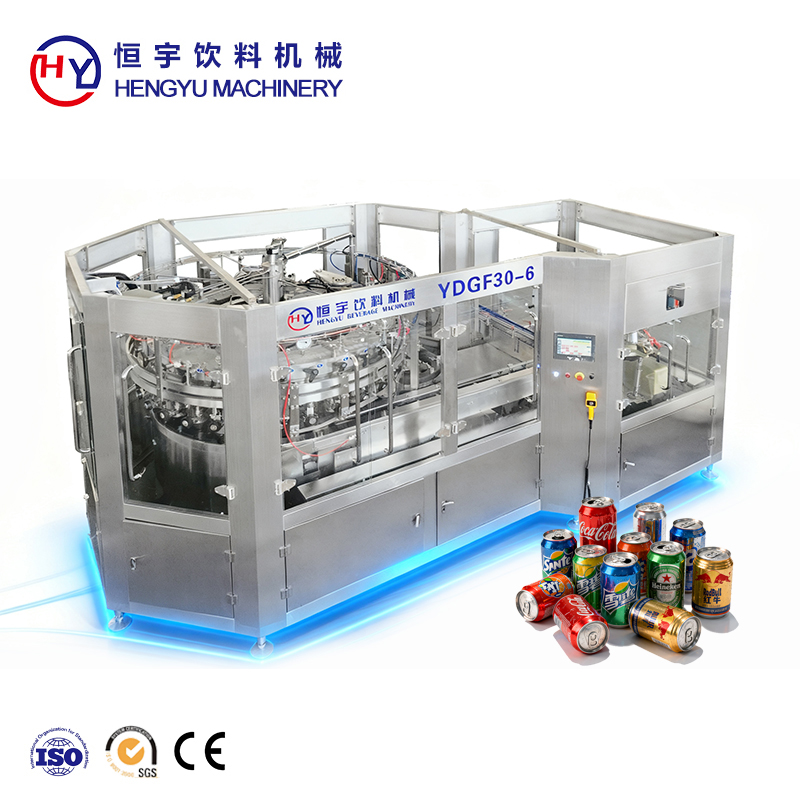
Increasing the number of seaming heads is a direct mechanical strategy for raising the output rate of can sealing machines. Single-head sealers process one can at a time in a linear sequence, while multi-head rotary sealers can simultaneously engage multiple cans in a continuous rotary motion. This rotary architecture is the foundation of industrial-scale sealing speed.
In rotary can sealing machines, cans enter the seaming turret, are gripped by individual seaming stations, have lids applied, and exit as sealed containers — all in a continuous, overlapping motion. The more seaming heads on the turret, the higher the output rate at any given rotational speed. This design allows machines to achieve extremely high throughput without requiring unrealistically fast rotational velocities that would stress components.
Manufacturers selecting can sealing machines for high-volume operations should evaluate turret head count as a primary specification alongside rated cans-per-hour figures. A machine with more seaming heads often delivers more reliable high-speed performance under real production conditions compared to single-head alternatives pushed to their mechanical limits.
Reducing Downtime to Sustain High Production Rates
Quick-Change Tooling and Format Flexibility
Sustained production speed depends not only on peak machine performance but also on minimizing the cumulative time lost to format changes, maintenance, and adjustments. Modern can sealing machines address this through tool-free or quick-release seaming chuck systems that allow operators to swap components rapidly between production runs of different can sizes.
In facilities that produce multiple beverage formats — standard 330ml cans alongside slim cans or larger formats — the ability to reconfigure can sealing machines quickly is a direct contributor to effective production speed. Every minute saved during changeover is a minute of productive sealing time recovered. Over a year, facilities running multiple shifts and frequent format changes can recover hundreds of production hours through optimized changeover procedures.
Some advanced sealing systems incorporate guided changeover menus on their HMI screens that walk operators through each adjustment step with prompts and parameter confirmations. This reduces the likelihood of setup errors that would cause quality rejects on first-run cans, further protecting the speed and yield of each production campaign.
Predictive Maintenance and Remote Diagnostics
Unplanned machine downtime is the most damaging threat to production speed targets. A sealer that stops unexpectedly during a production run creates delays, product waste, and labor inefficiencies that can far exceed the mechanical repair time itself. Modern can sealing machines address this risk through built-in condition monitoring and predictive maintenance capabilities.
Sensors embedded in critical components of advanced can sealing machines continuously monitor vibration, temperature, torque, and cycle counts. When readings deviate from established baselines, the control system alerts operators and maintenance teams before a failure occurs. This proactive approach allows maintenance to be scheduled during planned downtime windows rather than reacting to emergency breakdowns during peak production periods.
Remote diagnostics connectivity — increasingly standard on modern can sealing machines — allows machine specialists to analyze operational data and troubleshoot issues without requiring physical presence at the facility. This capability is particularly valuable for operations in locations where specialized service engineers are not immediately available, ensuring faster resolution and minimal production impact.
Integration with Automated Canning Lines for Maximum Output
End-to-End Line Automation and Data Flow
The fastest individual machine cannot compensate for inefficiencies in the broader line. This is why modern can sealing machines are designed as integrated components within fully automated canning systems rather than standalone devices. When a sealer shares data with filling machines, inspection systems, conveyors, and packaging equipment, the entire line can operate at a coordinated optimal pace.
For example, an automated can sealing machines system can receive real-time fill-weight data from upstream sensors and use it to adjust seaming pressure settings, ensuring consistent seal quality even as product characteristics vary slightly between batches. This closed-loop intelligence eliminates the need for manual adjustments that would slow down the line and introduce human error.
Manufacturers investing in integrated canning lines should evaluate how their chosen can sealing machines communicate with other line components. Open communication protocols such as OPC-UA and standard industrial Ethernet compatibility are signs that a sealing system is designed for true line integration rather than isolated operation.
Inline Quality Inspection Without Speed Penalties
High production speed is only valuable if the output meets quality standards. Historically, quality inspection was a downstream activity that could not halt or adjust the sealing process in real time. Modern canning lines integrate inspection directly within or immediately after the can sealing machines, enabling real-time seam quality verification at full line speed.
Vision systems and laser measurement tools mounted at the output of contemporary can sealing machines can inspect double-seam dimensions on every single can, flagging non-conforming units for automatic rejection without stopping the line. This approach maintains production speed while enforcing quality control — replacing the traditional trade-off between speed and oversight with a system that achieves both simultaneously.
For regulated industries such as food and beverage, this inline inspection capability also generates the documentation and traceability data required by quality management systems and auditors. Speed and compliance are both served by this integration, making it a strong argument for selecting modern can sealing machines with built-in or compatible inspection interfaces.
Selecting the Right Can Sealing Machine for Your Speed Requirements
Matching Machine Specifications to Production Targets
Not every operation requires the highest-speed sealing configuration on the market. Selecting can sealing machines that are appropriately matched to your actual and near-term projected production volumes is critical to achieving a sound return on investment. Oversized equipment may offer speed capacity that goes unused while consuming more floor space, energy, and capital than necessary.
When evaluating can sealing machines, manufacturers should work from their shift-based production targets and account for planned efficiency rates — typically between 80% and 95% of rated machine speed in real operating conditions. Dividing required output by realistic efficiency gives the true required sealing speed, which should then be matched to machine specifications with a reasonable margin for growth.
It is equally important to consider the range of can formats that will be run on the machine. A sealer rated for a single can size at maximum speed may offer significantly lower performance when adapted for other formats, so understanding the speed profile across all intended formats is essential during equipment selection.
Evaluating Total Cost of Ownership Beyond Purchase Price
The sticker price of can sealing machines represents only a fraction of the true cost over an operational lifespan. Maintenance costs, spare parts availability, energy consumption, changeover labor, and the cost of downtime-related losses all factor into the total cost of ownership. Modern sealers engineered for high speed and reliability often justify higher initial investment through significantly lower total operating costs over time.
Facilities that have upgraded from older can sealing machines to modern servo-driven, intelligent systems frequently report that the reduction in rejected cans, unplanned downtime, and maintenance labor alone generates payback within a defined number of production cycles. These operational savings should be quantified during the purchasing evaluation rather than treated as secondary considerations.
When comparing can sealing machines from different suppliers, requesting documented case studies, field performance data, and total cost of ownership models from the manufacturer allows procurement teams to make evidence-based decisions that align with production speed goals and long-term financial strategy.
FAQ
How do modern can sealing machines achieve higher production speeds than older models?
Modern can sealing machines achieve higher speeds through servo motor drive systems, multi-head rotary seaming turrets, and intelligent control electronics that coordinate sealing cycles precisely with upstream filling equipment. These advances eliminate the mechanical limitations and speed-quality trade-offs that constrained older pneumatic and cam-driven designs, enabling consistent high throughput with maintained seam integrity.
Can can sealing machines be adjusted for different can sizes without major downtime?
Yes. Contemporary can sealing machines are designed with quick-change tooling, stored product profiles in servo controllers, and guided HMI changeover procedures that significantly reduce format change time. What once required hours of mechanical adjustment by skilled technicians can now often be accomplished in under thirty minutes, preserving production availability across multi-format operations.
What role does predictive maintenance play in sustaining production speed?
Predictive maintenance in modern can sealing machines uses embedded sensors to monitor component condition continuously. By identifying wear and potential failures before they cause breakdowns, predictive maintenance allows scheduled service during planned stoppages rather than emergency repairs during production. This directly protects sustained line speed by eliminating the most costly form of downtime — unplanned stops.
How important is integration between can sealing machines and the broader canning line for speed optimization?
Integration is fundamental to true speed optimization. Can sealing machines that share data with filling, inspection, and conveying systems allow the entire line to run at a coordinated optimal rate, preventing bottlenecks, reducing waste from mis-seals, and enabling real-time quality control without speed penalties. Standalone sealers, regardless of their individual rated speed, cannot deliver the same level of sustained line performance as fully integrated systems.
Table of Contents
- The Relationship Between Can Sealing Machines and Line Throughput
- Key Technical Features That Accelerate Production
- Reducing Downtime to Sustain High Production Rates
- Integration with Automated Canning Lines for Maximum Output
- Selecting the Right Can Sealing Machine for Your Speed Requirements
-
FAQ
- How do modern can sealing machines achieve higher production speeds than older models?
- Can can sealing machines be adjusted for different can sizes without major downtime?
- What role does predictive maintenance play in sustaining production speed?
- How important is integration between can sealing machines and the broader canning line for speed optimization?