User-Friendly Control Interface Simplifies Operation and Reduces Training Costs
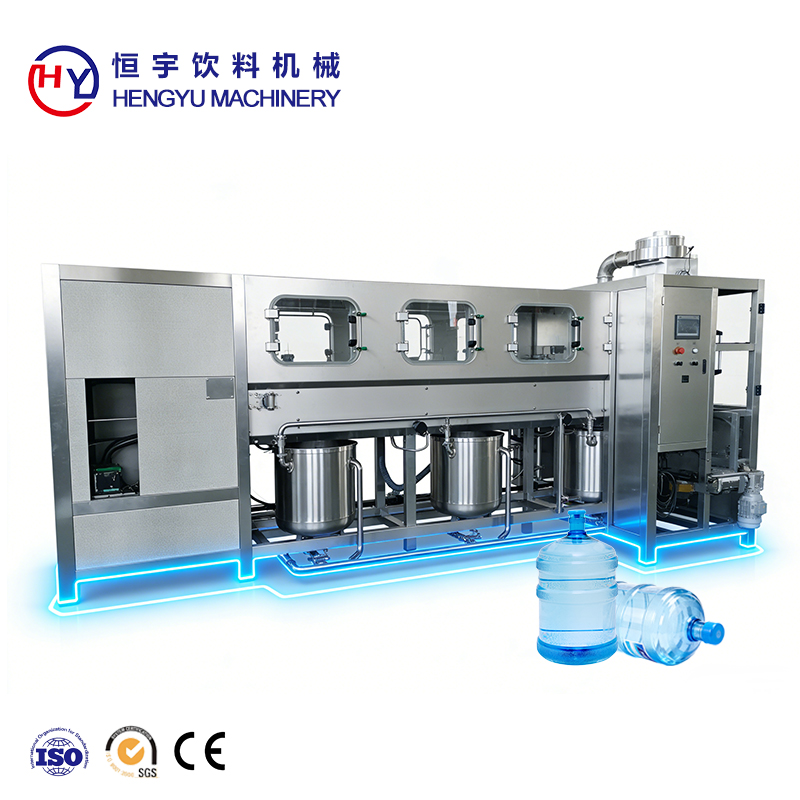
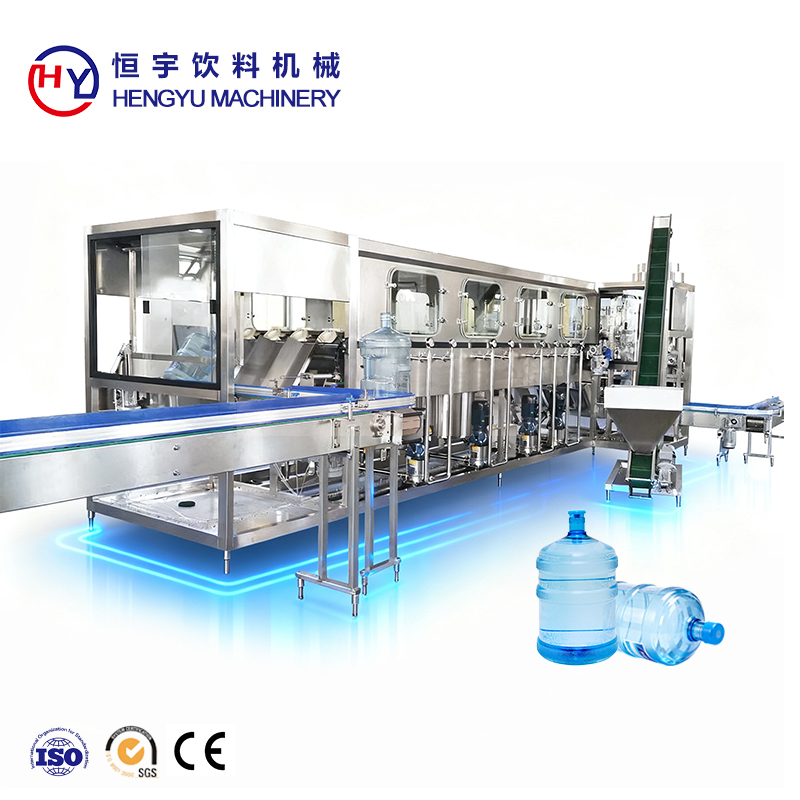
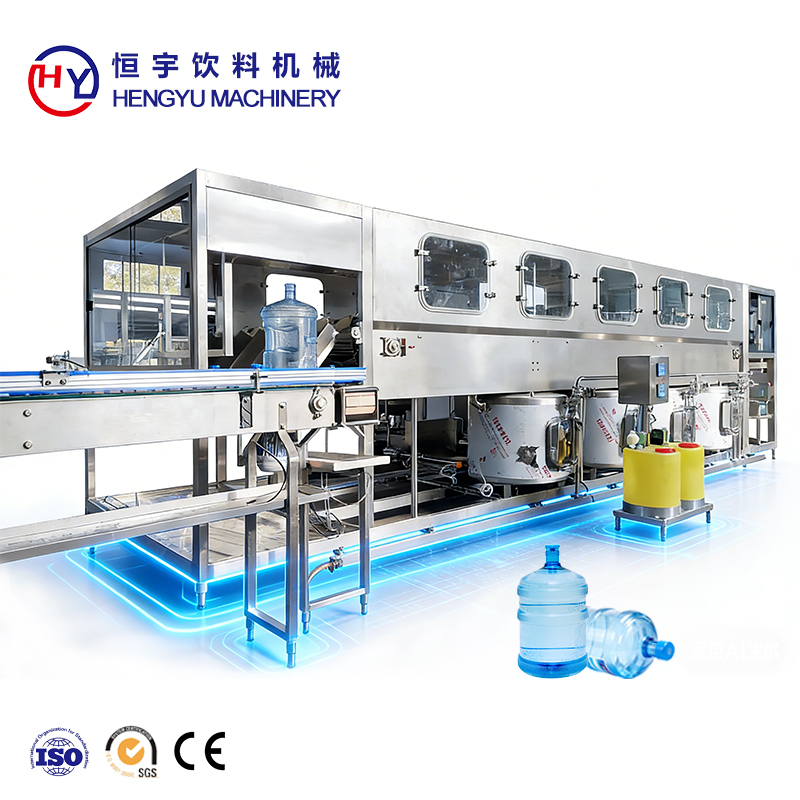
The intuitive control system featured in modern 5 gallon bottle filling machines revolutionizes how operators interact with industrial equipment, removing the complexity that traditionally required extensive technical knowledge and lengthy training periods. The interface typically centers around a color touchscreen display that presents information clearly and allows operators to adjust settings through simple tap-and-swipe gestures familiar to anyone who has used a smartphone or tablet. This approachability means your staff can become proficient quickly, reducing the time new employees need before they contribute productively to your operation. The display shows real-time production metrics including current output rate, total bottles filled during the shift, efficiency percentages, and any alerts requiring attention. Operators can monitor the entire process at a glance without interpreting complex gauges or memorizing indicator light patterns. When adjustments become necessary, the menu structure guides users through logical steps with clear labels and helpful prompts that prevent errors. For instance, changing the fill volume involves navigating to the filling parameters screen, entering the new target amount, and confirming the change. The system may request verification to prevent accidental modifications, but the process remains straightforward and documented through on-screen instructions. Recipe storage capabilities allow you to save complete parameter sets for different products or bottle types, then recall them instantly when switching production runs. This feature eliminates the tedious manual adjustment of multiple settings and ensures consistency when you return to previously produced items. The 5 gallon bottle filling machine control system also incorporates diagnostic functions that help identify problems quickly when issues arise. Built-in troubleshooting guides walk operators through systematic checks, often resolving minor problems without requiring specialized technician visits. Error messages use plain language to describe what went wrong rather than cryptic codes that need manual interpretation. Historical data logging records production statistics, maintenance activities, and operational events, creating a valuable information resource for analyzing performance trends and planning improvements. Managers can review this data to identify bottlenecks, schedule preventive maintenance optimally, and make evidence-based decisions about operational strategies. The connectivity features found in advanced systems enable remote monitoring and control, allowing supervisors to check production status from their offices or even off-site locations. Some machines support integration with broader enterprise systems, automatically feeding production data into inventory management or quality control databases. Security features protect critical settings from unauthorized changes through password protection and user permission levels, ensuring only qualified personnel can modify essential parameters. The multilingual support offered by many control interfaces accommodates diverse workforces, displaying menus and instructions in the language each operator prefers. This inclusivity reduces misunderstandings and creates a safer working environment where everyone fully comprehends the equipment they operate. The responsive touchscreen reacts instantly to inputs without the frustrating lag that characterizes some industrial controls, making the interaction feel natural and efficient. Visual indicators use color coding and icons to convey status information quickly, allowing operators to assess conditions without reading detailed text. The control interface essentially democratizes access to sophisticated filling technology, empowering your entire team to operate the 5 gallon bottle filling machine effectively regardless of their technical background. This accessibility translates directly into reduced training expenses, faster onboarding of new staff, fewer operational errors, and improved overall equipment effectiveness throughout your production facility.

 CN
CN