Automatic Glass Bottle Filling Machine - High-Speed Precision Bottling Solutions for Industrial Production

All Categories

automatic glass bottle filling machine

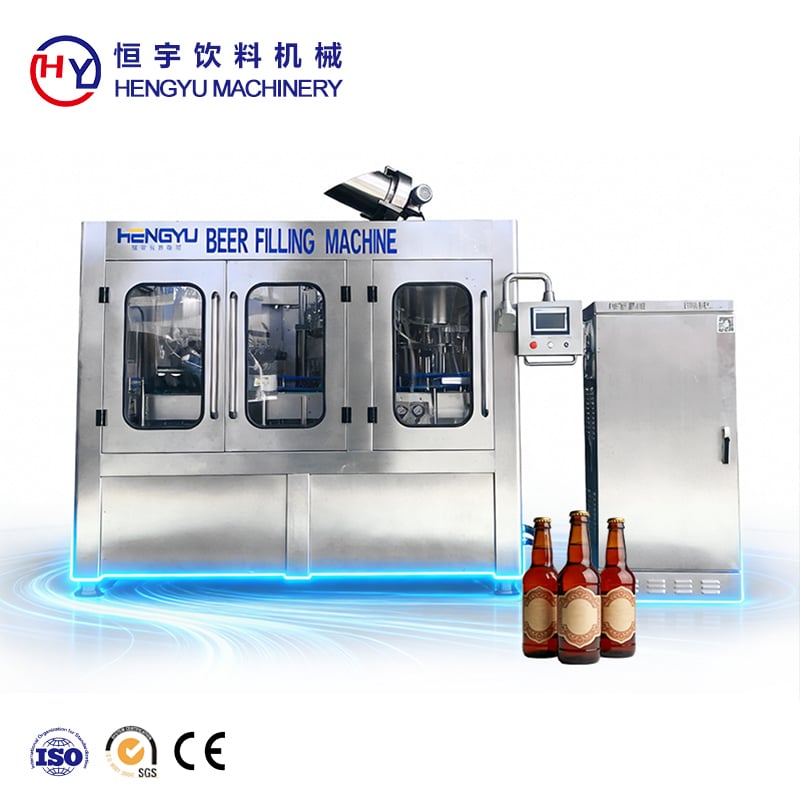
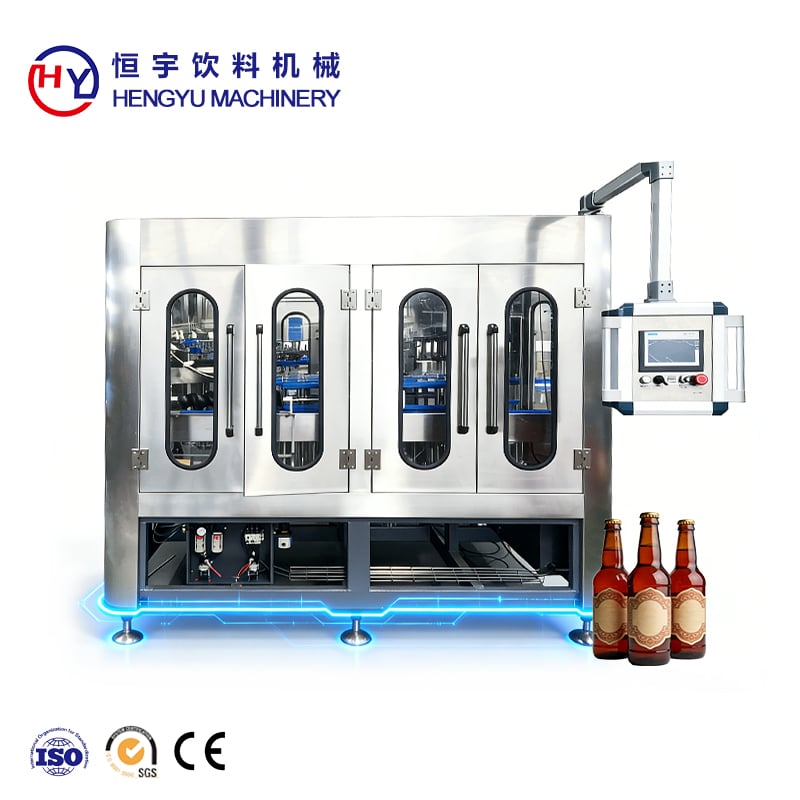
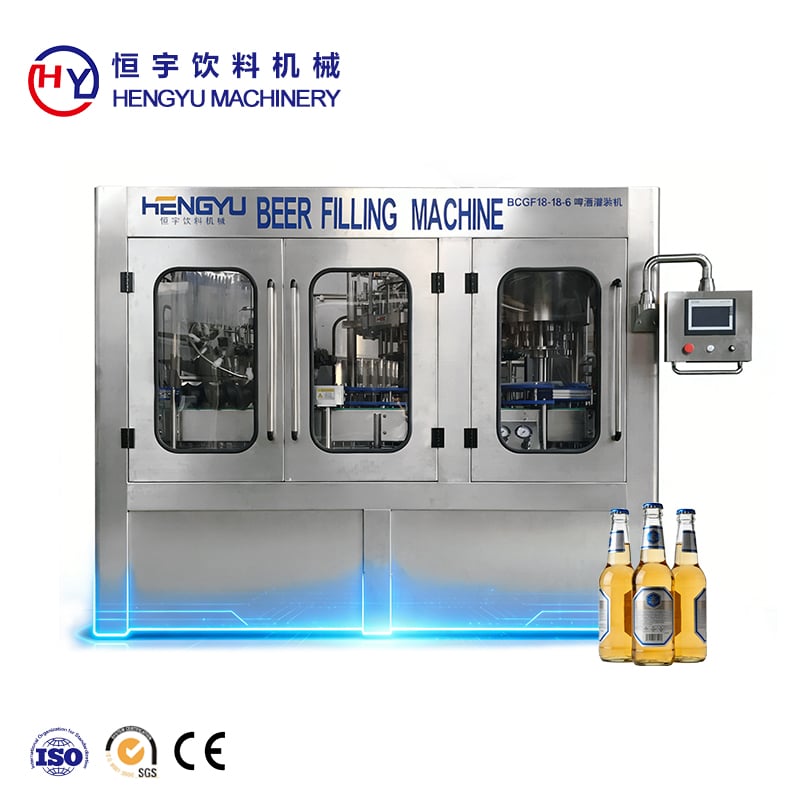
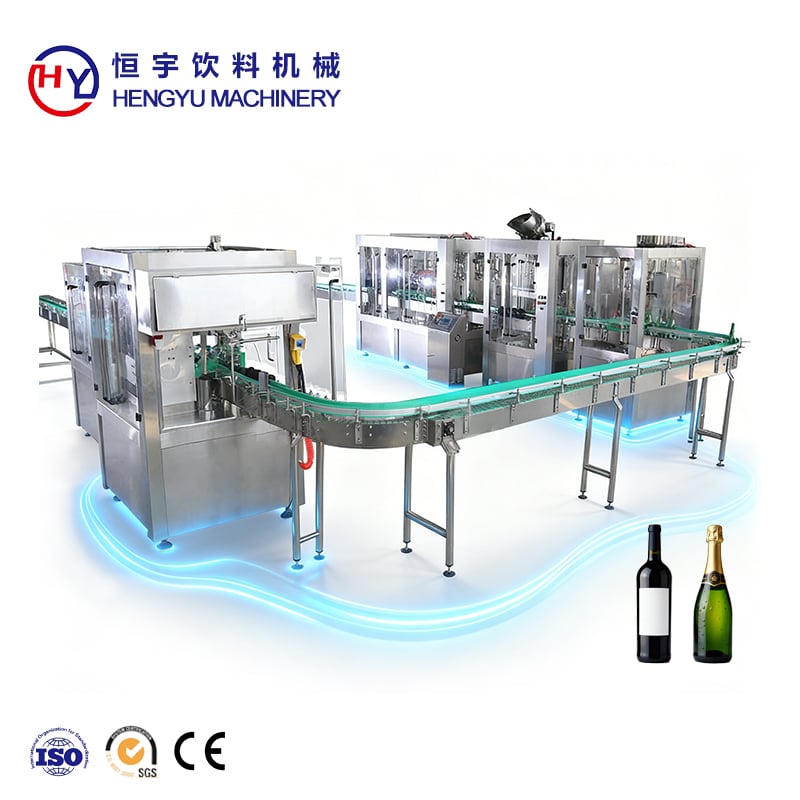
An automatic glass bottle filling machine represents a sophisticated piece of industrial equipment designed to streamline the bottling process for various liquid products. This advanced machinery automates the entire filling operation, from bottle feeding to capping, ensuring consistent quality and high-volume production capabilities. The automatic glass bottle filling machine integrates multiple operational stages into a seamless workflow, significantly reducing manual labor requirements while maximizing production efficiency. These machines are engineered with precision control systems that monitor and regulate filling volumes, maintaining accuracy within minimal tolerance levels. The technological framework incorporates programmable logic controllers, servo motors, and sensor arrays that work in harmony to deliver reliable performance across extended production runs. Modern automatic glass bottle filling machine units feature adjustable settings that accommodate diverse bottle sizes and shapes, providing manufacturers with versatile solutions for different product lines. The filling mechanism typically employs either gravity-based, pressure-based, or vacuum-based systems, selected according to the specific viscosity and characteristics of the liquid being bottled. Industries ranging from beverages and pharmaceuticals to cosmetics and chemicals rely heavily on these automated systems to meet stringent quality standards and regulatory compliance requirements. The automatic glass bottle filling machine excels in environments where hygiene, precision, and speed are paramount considerations. These systems often incorporate stainless steel construction with sanitary design principles, facilitating easy cleaning and maintenance protocols. Advanced models include features such as automatic bottle washing, sterilization modules, and integrated quality inspection cameras that detect defects or improper fills. The operational interface typically consists of touchscreen controls with intuitive programming options, enabling operators to quickly adjust parameters and monitor real-time production data. With throughput rates ranging from hundreds to thousands of bottles per hour, the automatic glass bottle filling machine delivers substantial production capacity that manual operations simply cannot match.

New Product Releases

Investing in an automatic glass bottle filling machine delivers transformative benefits that directly impact your bottom line and operational efficiency. First and foremost, these machines dramatically increase production speed compared to manual or semi-automatic alternatives. Where manual filling might process dozens of bottles hourly, automated systems handle hundreds or thousands, multiplying output without proportionally increasing labor costs. This acceleration means you can fulfill larger orders, respond quickly to market demands, and scale your business without the bottleneck of slow filling processes. The precision offered by these machines ensures every bottle receives exactly the correct fill volume, eliminating the costly problems of overfilling or underfilling. Overfilling wastes your valuable product and erodes profit margins, while underfilling creates compliance issues and damages customer trust. The automatic glass bottle filling machine maintains consistency that protects your brand reputation and ensures regulatory adherence. Labor cost reduction represents another significant advantage, as fewer workers are needed to operate automated systems compared to manual lines. Your team members can be reassigned to higher-value tasks like quality control, packaging, or supervision rather than repetitive filling work. This reallocation improves workplace satisfaction while optimizing human resource utilization. The machines also enhance workplace safety by minimizing direct contact between workers and potentially hazardous materials, reducing exposure to chemicals, hot liquids, or repetitive strain injuries. Hygiene standards improve substantially with automated filling because the enclosed system limits contamination opportunities. The stainless steel construction resists corrosion and bacterial growth, while automated cleaning cycles maintain sanitary conditions between production runs. This is especially critical for food, beverage, and pharmaceutical applications where contamination could have serious consequences. Material waste decreases significantly because the precise control systems prevent spills, drips, and overflows that commonly occur with manual operations. Over time, these savings in product loss add up to substantial cost reductions. The automatic glass bottle filling machine also offers remarkable flexibility, allowing quick changeovers between different bottle sizes and product formulations with minimal downtime. This adaptability means you can efficiently run small batches of specialty products alongside large production runs of your core offerings. Modern machines provide comprehensive data collection and reporting capabilities, giving you valuable insights into production metrics, efficiency trends, and maintenance needs. This information empowers better decision-making and continuous improvement initiatives. Quality consistency improves across every bottle produced, creating uniform products that meet customer expectations every time. The reduced variability strengthens brand integrity and customer loyalty. Finally, these machines typically demonstrate excellent return on investment, with operational savings offsetting the initial capital expenditure within reasonable timeframes while providing years of reliable service.

Latest News

Glass Bottle Filling Machine vs Plastic Bottle Filling Machine

04

Mar

Glass Bottle Filling Machine vs Plastic Bottle Filling Machine

Material Properties Dictate Core Machine Design Glass fragility and thermal mass: why glass bottle filling machines require reinforced frames, shock-dampened conveyors, and precision neck-handling grippers Working with glass bottles means going th...
View More
How Can Filling Machines Improve Beverage Production Speed

24

Mar

How Can Filling Machines Improve Beverage Production Speed

Filling Machine Type Determines Maximum Throughput Potential Gravity, Isobaric, and Piston Can Filling Machines: Speed vs. Precision Trade-offs Gravity fillers work well for delicate drinks such as juice, processing around 20 to 36 bottles every mi...
View More
Can Filling Machine Capacity Planning Guide

22

Mar

Can Filling Machine Capacity Planning Guide

Understanding Can Filling Machine Capacity: Theory vs. Real-World Performance Why Theoretical Capacity Rarely Matches Effective Output on Can Filling Lines When companies talk about canning speed at 100 cans per minute, they're referring to what ha...
View More
Can Sealing Machine Maintenance Tips

23

Mar

Can Sealing Machine Maintenance Tips

Daily and Weekly Preventive Maintenance for Your Can Sealing Machine Essential Daily Checks: Belt Tension, Sealing Bar Alignment, and Tape Head Cleanliness Starting every shift with a quick check on belt tension makes all the difference. If belts a...
View More

Get a Free Quote

Our representative will contact you soon.
Email
Name
Phone/WhatsApp
Required Product
Message
0/1000

automatic glass bottle filling machine

Exceptional Precision and Consistency in Every Bottle

Exceptional Precision and Consistency in Every Bottle

The automatic glass bottle filling machine delivers unmatched precision that fundamentally transforms product quality and operational reliability. At the heart of this capability lies sophisticated measurement technology that monitors and controls fill levels with extraordinary accuracy, often achieving precision within fractions of a milliliter. This level of exactness is accomplished through advanced sensors and flow control mechanisms that continuously adjust the filling process in real-time, compensating for variables like liquid temperature, viscosity changes, or pressure fluctuations. Unlike manual filling methods where human inconsistency inevitably creates variations between bottles, automated systems maintain uniform fill levels across thousands of consecutive units. This consistency proves invaluable for regulatory compliance, particularly in industries like pharmaceuticals and alcoholic beverages where precise volume declarations are legally mandated. The automatic glass bottle filling machine eliminates the guesswork and variability that plague less sophisticated systems, ensuring every container meets specified requirements. Beyond regulatory advantages, this precision directly impacts customer satisfaction and brand perception. Consumers notice when products consistently meet their expectations, building trust and encouraging repeat purchases. Conversely, variable fill levels create disappointment and erode confidence in your brand. The economic implications of precise filling extend beyond customer satisfaction. Overfilling, even by small amounts multiplied across thousands of bottles, represents substantial product giveaway that diminishes profitability. The automatic glass bottle filling machine prevents this waste by delivering exactly the intended volume without excess. Similarly, underfilling creates compliance risks, potential fines, and customer complaints that damage reputation. The precision control system typically integrates multiple checkpoints throughout the filling cycle, including pre-fill verification, in-process monitoring, and post-fill confirmation. These redundant checks create fail-safes that catch and correct deviations before defective products proceed down the line. Many systems incorporate reject mechanisms that automatically remove improperly filled bottles, maintaining quality without requiring constant operator vigilance. The consistency extends beyond just volume to include filling speed uniformity, which prevents bottle jostling or splashing that could compromise product integrity or label appearance. This controlled process proves especially important for carbonated beverages or foaming products where agitation affects product characteristics. The precision capabilities also facilitate accurate inventory management and production planning, as you can reliably predict exactly how many bottles a given quantity of product will fill, minimizing surprises and optimizing raw material ordering.
Remarkable Production Speed That Scales Your Business

Remarkable Production Speed That Scales Your Business

Production velocity represents one of the most compelling advantages offered by the automatic glass bottle filling machine, fundamentally altering what businesses can achieve in terms of output and market responsiveness. These machines operate at speeds that dwarf manual capabilities, with entry-level systems processing several hundred bottles hourly and high-capacity industrial models reaching thousands of units per hour. This dramatic throughput increase means production schedules that once required multiple shifts can be condensed into single-shift operations, reducing overtime costs and improving work-life balance for employees. The speed advantage becomes particularly significant during peak demand periods or when fulfilling large contracts that would be impossible to handle with slower methods. The automatic glass bottle filling machine maintains its rapid pace consistently throughout production runs, without the fatigue, breaks, or attention lapses that naturally affect human workers. This reliability enables accurate production forecasting and delivery scheduling, strengthening customer relationships through dependable fulfillment. The machine's speed does not come at the expense of quality; rather, the automated systems maintain their precision even at maximum throughput rates. This combination of velocity and accuracy creates a competitive advantage that manual operations simply cannot replicate. Beyond raw bottle counts, the speed efficiency manifests in reduced production cycle times from raw materials to finished goods. Faster filling means products move more quickly through your facility, reducing work-in-progress inventory and freeing up working capital. This acceleration also shortens the time between production and market delivery, which proves critical for products with limited shelf life or time-sensitive market opportunities. The automatic glass bottle filling machine enables responsive manufacturing where production can be quickly adjusted to match real-time demand signals rather than relying solely on long-range forecasts. The quick changeover capabilities of modern systems further enhance practical speed benefits. While the raw filling rate matters, the ability to switch between products or bottle formats with minimal downtime multiplies effective throughput across diverse production requirements. Many advanced machines complete changeovers in minutes rather than hours, maximizing productive uptime. This flexibility allows manufacturers to operate profitably with smaller batch sizes, supporting customization and market segmentation strategies that would be economically unfeasible with slower, less adaptable equipment. The speed advantage also positions businesses for growth, providing capacity headroom that accommodates expanding sales without immediate reinvestment in additional equipment. As your market presence grows, the automatic glass bottle filling machine scales with your needs, supporting business development through reliable production capacity.
Enhanced Hygiene Standards and Safety Compliance

Enhanced Hygiene Standards and Safety Compliance

The automatic glass bottle filling machine establishes superior hygiene and safety standards that prove essential for modern manufacturing environments, particularly in industries where product purity and worker protection are paramount concerns. The enclosed filling systems minimize exposure of products to environmental contaminants, significantly reducing risks of bacterial contamination, particulate intrusion, or chemical cross-contamination that can occur in open manual filling processes. The stainless steel construction standard in quality machines provides non-porous surfaces that resist bacterial colonization and withstand repeated sanitation without degradation. These materials meet food-grade and pharmaceutical-grade specifications, ensuring compatibility with the most stringent regulatory requirements. The automated cleaning systems integrated into many machines enable thorough, consistent sanitation between production runs using standardized cleaning protocols. These Clean-In-Place systems circulate cleaning solutions through all product-contact surfaces, reaching areas that would be difficult to manually clean effectively. The automatic glass bottle filling machine removes human handling from the filling equation, eliminating a major contamination vector while simultaneously protecting workers from exposure to potentially hazardous materials. Operators no longer need direct contact with chemicals, hot liquids, or other substances that could cause injury or health effects. This separation is especially valuable when filling caustic cleaners, solvents, pharmaceutical compounds, or other materials requiring careful handling. The machine guards and safety interlocks prevent accidental contact with moving parts, reducing injury risks associated with pinch points, rotating components, or pneumatic actuators. Modern systems incorporate comprehensive safety features including emergency stop controls, protective enclosures, and automated fault detection that halts operations when anomalies are detected. The automatic glass bottle filling machine supports traceability and documentation requirements that increasingly dominate regulated industries. Built-in data logging captures production parameters, batch numbers, and operational conditions that support quality investigations and regulatory audits. This documentation capability demonstrates due diligence and facilitates rapid response if product issues arise post-distribution. The controlled environment also maintains consistent processing conditions that prevent quality variations stemming from environmental factors like temperature swings or humidity changes. For aseptic filling applications, specialized machines provide sterile environments using HEPA filtration, UV sterilization, or other contamination control technologies that would be impossible to maintain in manual operations. The hygiene advantages extend to reduced product waste, as the cleaner process minimizes spoilage and contamination-related losses. These combined benefits create manufacturing environments that satisfy auditors, protect consumers, and safeguard workers while supporting efficient operations.