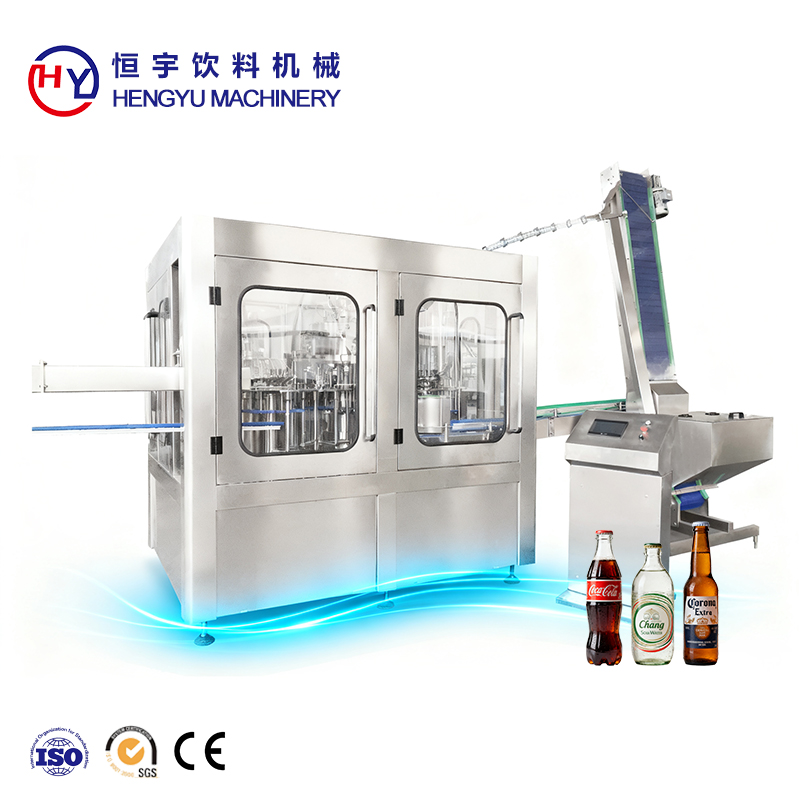
Glass Bottle Soda Filling Machine - Automated Carbonated Beverage Bottling Solutions

All Categories

glass bottle soda filling machine

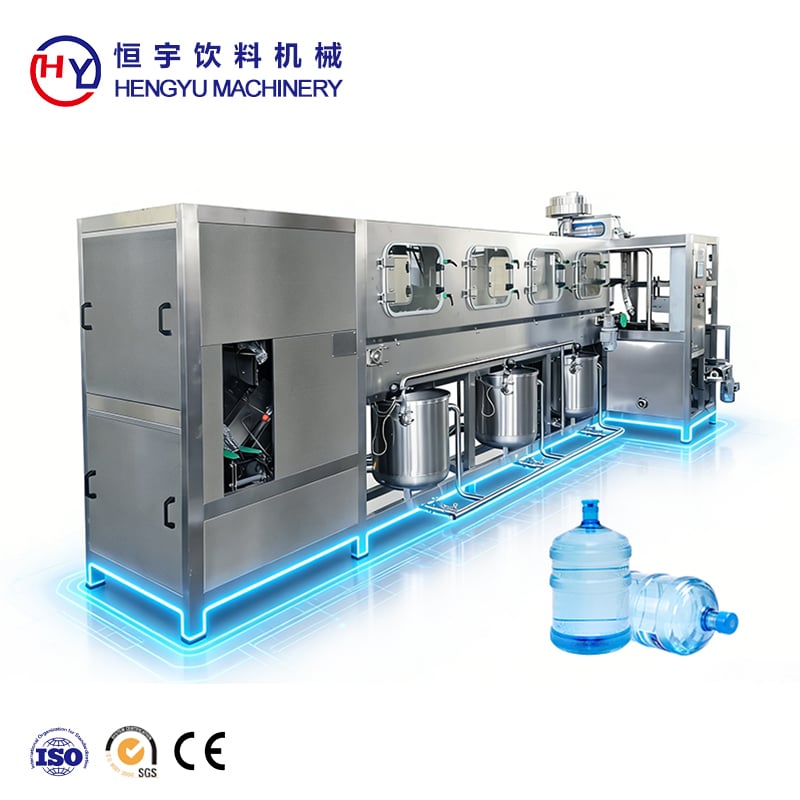
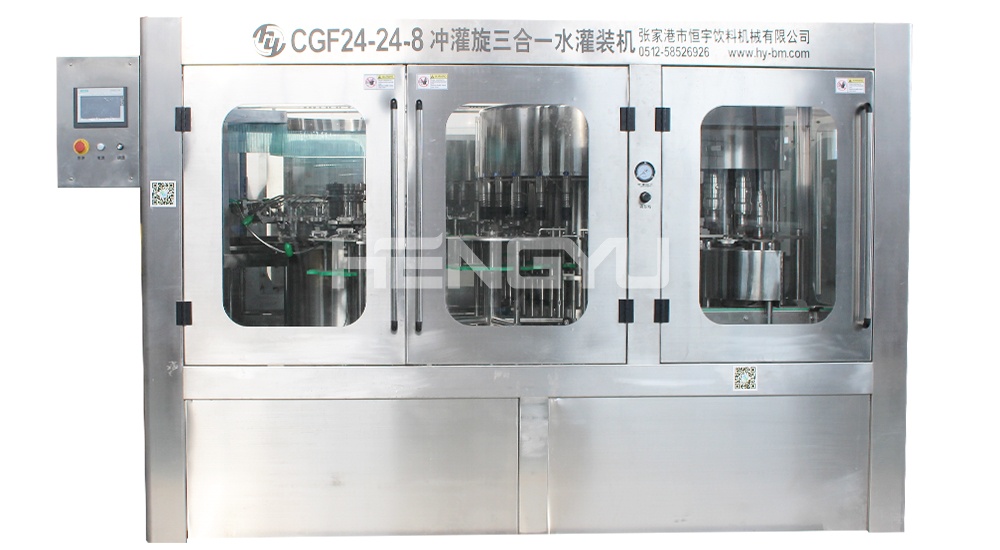
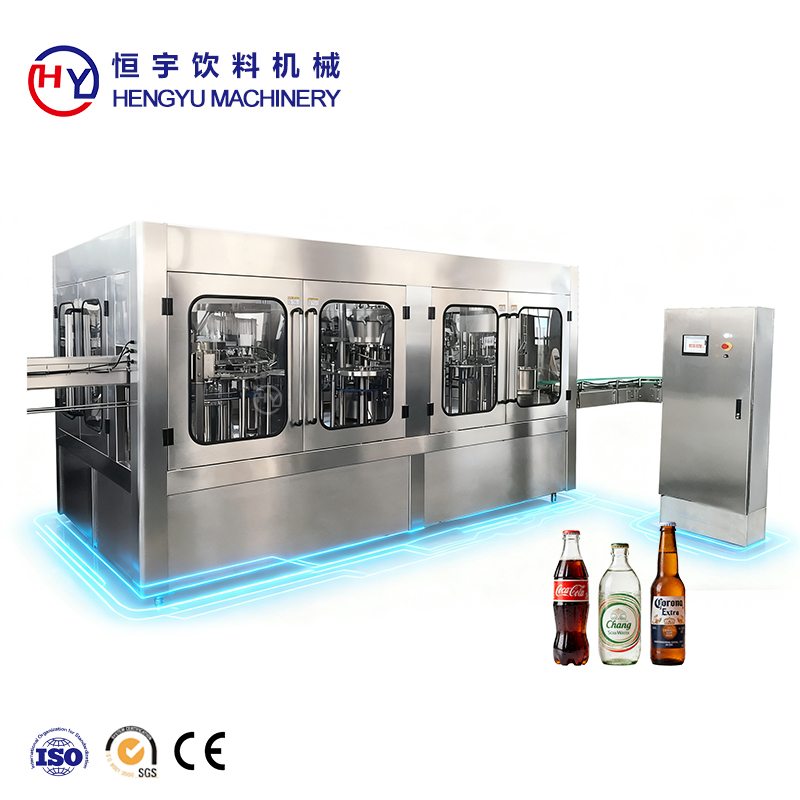
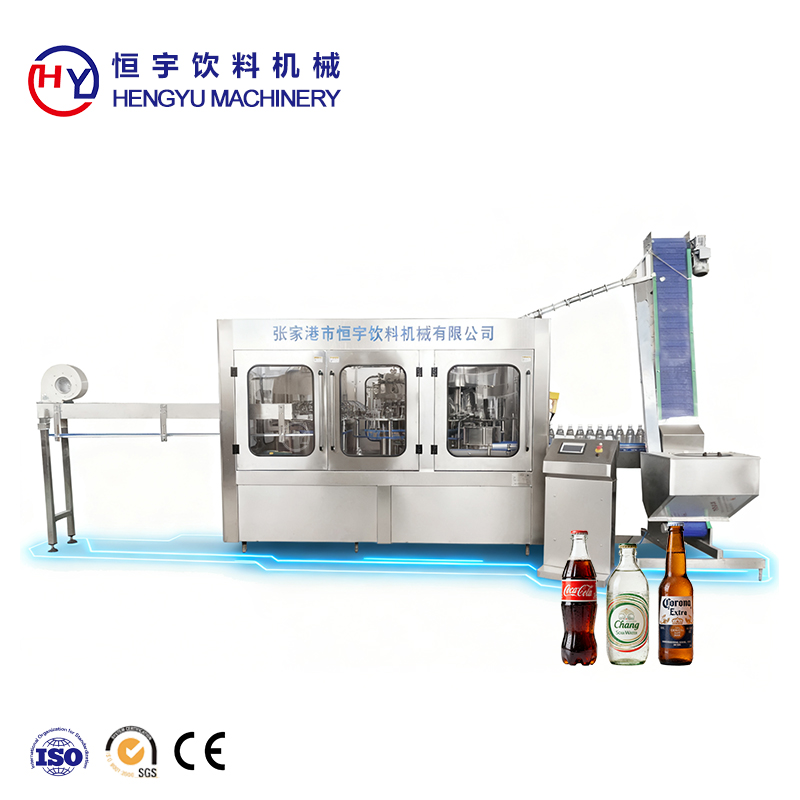
The glass bottle soda filling machine represents a sophisticated automated solution designed specifically for carbonated beverage production facilities that package their products in glass containers. This specialized equipment integrates multiple operational stages into a seamless production line, handling everything from bottle preparation through final capping. At its core, the glass bottle soda filling machine performs three primary functions: rinsing empty glass bottles to ensure hygiene standards, precisely filling them with carbonated beverages while maintaining carbonation levels, and securely sealing each bottle with appropriate closures. The technological features of modern glass bottle soda filling machines include isobaric filling technology, which maintains consistent pressure throughout the filling process to preserve carbonation and prevent foaming. Advanced servo motor systems control filling speeds with remarkable precision, while PLC programmable logic controllers enable operators to adjust parameters for different bottle sizes and product formulations. The stainless steel construction meets food-grade sanitation requirements, and CIP clean-in-place systems facilitate thorough cleaning without disassembling components. Sensor technology monitors fill levels, detects bottle presence, and ensures cap placement accuracy, minimizing waste and maintaining quality consistency. Applications for the glass bottle soda filling machine span various sectors within the beverage industry, including craft soda manufacturers, large-scale soft drink producers, sparkling water bottlers, and specialty carbonated beverage companies. These machines accommodate diverse glass bottle configurations, from standard 250ml bottles to larger 1-liter formats, making them versatile assets for businesses scaling production or diversifying product lines. The modular design allows integration with existing conveyor systems, labeling equipment, and packaging machinery, creating comprehensive bottling solutions. Whether serving small artisanal beverage makers or multinational corporations, the glass bottle soda filling machine delivers consistent performance that meets regulatory compliance standards while optimizing production efficiency and reducing labor costs associated with manual bottling operations.

New Products

Investing in a glass bottle soda filling machine delivers tangible benefits that directly impact your production capabilities and bottom line. First and foremost, these machines dramatically increase your output speed compared to manual or semi-automated methods. While hand-filling operations might process dozens of bottles per hour, automated glass bottle soda filling machines handle hundreds or even thousands of bottles within the same timeframe, enabling you to meet growing demand without proportionally increasing labor costs. This production acceleration translates to faster order fulfillment and improved customer satisfaction. The precision engineering of these systems ensures every bottle receives the exact same fill level, eliminating the inconsistencies inherent in manual filling. This uniformity protects your brand reputation, reduces product giveaway from overfilling, and ensures compliance with labeling regulations regarding stated volumes. Carbonation retention represents another critical advantage, as the specialized filling valves and pressure-controlled chambers prevent CO2 loss during the filling process, delivering the crisp, fizzy experience consumers expect from carbonated beverages. Your product maintains its quality from production through consumption. Hygiene and safety improve substantially with automated glass bottle soda filling machines. The enclosed filling environment minimizes contamination risks from airborne particles or human contact, while automated CIP systems ensure thorough sanitation between production runs. This reduces spoilage rates and extends product shelf life, protecting your investment in ingredients and packaging materials. Labor optimization becomes achievable as machines handle repetitive tasks that would otherwise require multiple workers. Your team can redirect their efforts toward quality control, maintenance, and other value-added activities rather than standing at filling stations. This reallocation improves workplace satisfaction and allows your business to operate with leaner staffing models. Material waste decreases significantly because precise sensors detect improperly positioned bottles, damaged containers, or filling anomalies, automatically rejecting defective units before caps are applied. This prevents wasted product and reduces the environmental impact of your operations. The versatility of modern glass bottle soda filling machines accommodates various bottle shapes and sizes through adjustable components, eliminating the need for separate equipment when you expand your product portfolio. Quick-change parts and intuitive control interfaces minimize downtime during format transitions. Energy efficiency has improved in contemporary models, with optimized motor systems and intelligent standby modes reducing electrical consumption compared to older equipment generations. Lower utility bills contribute to operational cost savings while supporting sustainability initiatives. Finally, the reliability and durability of quality glass bottle soda filling machines mean reduced maintenance expenses and fewer unexpected production interruptions, providing peace of mind and predictable operational costs that facilitate accurate financial planning.

Latest News

How to Choose a Glass Bottle Filling Machine for Beverage Production

06

Mar

How to Choose a Glass Bottle Filling Machine for Beverage Production

Match Filling Technology to Beverage Type and Sensitivity Counter-Pressure Fillers for Carbonated Beverages and Beer Carbonated drinks like soda, sparkling water and beer need careful filling techniques to keep their fizz intact while avoiding exc...
View More
Can Filling Machine Technology for Carbonated Beverages

20

Mar

Can Filling Machine Technology for Carbonated Beverages

Isobaric Filling Principles: How Can Filling Machines Preserve Carbonation Under Pressure The Physics of CO₂ Solubility and Why Counter-Pressure Is Non-Negotiable The way carbon dioxide dissolves in drinks basically follows what we call Henry's Law...
View More
Can Filling Machine Capacity Planning Guide

22

Mar

Can Filling Machine Capacity Planning Guide

Understanding Can Filling Machine Capacity: Theory vs. Real-World Performance Why Theoretical Capacity Rarely Matches Effective Output on Can Filling Lines When companies talk about canning speed at 100 cans per minute, they're referring to what ha...
View More
Can Sealing Machine Maintenance Tips

23

Mar

Can Sealing Machine Maintenance Tips

Daily and Weekly Preventive Maintenance for Your Can Sealing Machine Essential Daily Checks: Belt Tension, Sealing Bar Alignment, and Tape Head Cleanliness Starting every shift with a quick check on belt tension makes all the difference. If belts a...
View More

Get a Free Quote

Our representative will contact you soon.
Email
Name
Phone/WhatsApp
Required Product
Message
0/1000

glass bottle soda filling machine

Isobaric Filling Technology Preserving Perfect Carbonation

Isobaric Filling Technology Preserving Perfect Carbonation

The isobaric filling technology incorporated in advanced glass bottle soda filling machines represents a fundamental innovation that solves the primary challenge of carbonated beverage bottling: maintaining optimal CO2 levels throughout the packaging process. This sophisticated system works by creating a pressurized environment within the filling chamber that matches the pressure of the carbonated liquid in the storage tank. When a glass bottle enters the filling station, the filling valve first introduces CO2 gas into the empty bottle, raising its internal pressure to match the beverage tank pressure. This pressure equalization prevents the sudden release of carbon dioxide that would otherwise occur when carbonated liquid contacts the atmospheric pressure inside an unpressurized bottle. Once pressure stabilization occurs, the filling valve opens and allows the carbonated beverage to flow smoothly into the glass bottle without turbulence or foaming. The liquid fills from the bottom upward, gently displacing the CO2 gas through a separate return valve. This controlled displacement maintains constant pressure throughout the filling cycle, preventing carbonation loss. After reaching the predetermined fill level detected by precision sensors, the beverage flow stops while the bottle remains under pressure. The system then gradually releases the excess pressure through controlled venting before the capping station seals the bottle, trapping the carbonation inside. This isobaric process delivers multiple benefits for beverage producers using glass bottle soda filling machines. Product quality remains consistent across every bottle, ensuring consumers experience the intended taste profile and mouthfeel that defines your brand identity. The fizzy sensation and sharp bite of properly carbonated beverages depend entirely on dissolved CO2 levels, making this technology essential for maintaining competitive product standards. Reduced product loss translates to better ingredient utilization, as carbonation represents a measurable component cost in your formulation. Preventing CO2 escape during filling protects this investment while reducing the need for over-carbonation to compensate for filling losses. The gentle filling action also minimizes foam formation, which can cause spillage, contaminate filling equipment, and create sanitation challenges. Clean filling operations improve overall equipment efficiency and reduce cleaning frequency requirements. Furthermore, proper carbonation retention extends product shelf life by maintaining the antimicrobial properties of carbonic acid and preserving the sensory characteristics that signal freshness to consumers. Bottles filled with isobaric technology maintain their quality throughout distribution chains, reducing customer complaints and product returns that damage brand reputation and erode profitability.
PLC-Controlled Automation Delivering Operational Flexibility

PLC-Controlled Automation Delivering Operational Flexibility

Modern glass bottle soda filling machines leverage programmable logic controller technology to provide unprecedented operational flexibility and precision control over every aspect of the filling process. The PLC serves as the intelligent brain of the entire system, coordinating multiple mechanical and electronic components through sophisticated programming that operators can customize according to specific production requirements. This computerized control architecture allows beverage producers to store multiple recipe parameters within the system memory, enabling rapid changeovers between different products, bottle sizes, or filling specifications without manual adjustments or mechanical modifications. When switching from a 330ml bottle format to a 500ml configuration on your glass bottle soda filling machine, operators simply select the appropriate program from the touchscreen interface, and the PLC automatically adjusts filling times, conveyor speeds, capping pressure, and quality control parameters to match the new specifications. This digital flexibility eliminates the time-consuming manual adjustments that older mechanical systems required, reducing changeover downtime from hours to minutes and maximizing productive operating time. The precision offered by PLC control systems far exceeds mechanical alternatives, with fill volumes accurate to within fractions of a milliliter. This exactitude ensures regulatory compliance with net content requirements while minimizing product giveaway that erodes profit margins on high-volume production runs. Sensor integration represents another powerful advantage of PLC-equipped glass bottle soda filling machines. The controller continuously monitors inputs from numerous sensors positioned throughout the equipment, including bottle presence detectors, fill level sensors, pressure transducers, temperature monitors, and cap placement verification systems. When sensors detect anomalies such as missing bottles, improper fill levels, or capping failures, the PLC immediately triggers corrective actions, including rejecting defective units, stopping specific machine sections to prevent damage, or alerting operators through visual and audible alarms. This real-time quality monitoring protects product integrity and equipment investment simultaneously. Production data collection capabilities embedded in PLC systems provide valuable operational insights that support continuous improvement initiatives. The controller logs production counts, downtime events, efficiency metrics, and quality statistics that management teams can analyze to identify optimization opportunities. Understanding which factors limit throughput or cause quality variations enables targeted interventions that incrementally improve overall equipment effectiveness. Remote monitoring and diagnostics become possible with networked PLC systems, allowing technical support personnel to assess equipment status, troubleshoot issues, and even adjust parameters without physically accessing the glass bottle soda filling machine. This capability proves especially valuable for multi-site operations or when specialized technical expertise resides at distant locations. The user-friendly interfaces of contemporary PLC systems reduce operator training requirements, with intuitive touchscreens displaying clear graphics, plain-language instructions, and logical menu structures that workers can master quickly, reducing the specialized knowledge barrier that complicated mechanical systems presented.
Hygienic Design Standards Ensuring Product Safety

Hygienic Design Standards Ensuring Product Safety

The hygienic design principles incorporated into quality glass bottle soda filling machines address the critical food safety requirements that govern beverage production facilities, providing built-in protection against contamination risks that could compromise product safety or brand reputation. These design standards begin with material selection, as reputable manufacturers construct all product-contact surfaces from food-grade stainless steel alloys, typically 304 or 316 grades, which resist corrosion, withstand repeated sanitation cycles, and prevent chemical interactions with acidic or alkaline beverage formulations. The non-porous nature of properly finished stainless steel prevents bacterial colonization in microscopic surface irregularities where microorganisms might otherwise establish persistent contamination sources. Beyond material choices, the physical design of components in hygienic glass bottle soda filling machines eliminates the crevices, dead spaces, and horizontal surfaces where liquids might accumulate and create bacterial growth environments. Welded joints replace threaded connections wherever possible, with weld beads ground smooth and polished to eliminate potential harboring points. Sloped surfaces facilitate complete drainage during cleaning cycles, preventing standing water that could support microbial proliferation between production runs. Self-draining designs extend throughout the entire liquid pathway, from storage tanks through filling valves to discharge points, ensuring no beverage residue remains trapped within the system after CIP procedures conclude. The clean-in-place systems integrated into modern glass bottle soda filling machines automate the sanitation process, circulating cleaning solutions and sanitizing agents through all product-contact surfaces according to validated protocols that achieve specified microbial reduction targets. These automated cleaning cycles eliminate the variability and human error inherent in manual cleaning procedures while reducing the physical demands on workers and minimizing their exposure to harsh cleaning chemicals. Programmable CIP sequences can accommodate different cleaning intensities based on production schedules, product changeovers, or regulatory requirements, with documentation systems recording time, temperature, and concentration parameters to demonstrate compliance during inspections or audits. Enclosed filling environments in advanced glass bottle soda filling machines create positive pressure zones using filtered air to prevent airborne contaminants from entering the filling area. This protection proves especially important in facilities where environmental conditions cannot be fully controlled or where multiple production activities occur simultaneously. The enclosed design also contains any incidental spillage or foam generation within defined areas, simplifying housekeeping and preventing cross-contamination between production lines. Sanitary valve designs in quality glass bottle soda filling machines feature specific engineering characteristics that facilitate thorough cleaning and prevent contamination. These valves typically employ diaphragm or membrane designs that isolate actuating mechanisms from product contact areas, preventing lubricants or foreign materials from entering the beverage pathway. Quick-disconnect fittings enable rapid disassembly for inspection or maintenance without tools, encouraging regular verification of sanitary conditions and facilitating replacement of wear components before they compromise hygiene standards. Documentation and traceability features built into contemporary glass bottle soda filling machines support food safety management systems by recording critical control points, monitoring parameters, and production lot information that enable rapid response if quality issues emerge in the marketplace.