Glass Bottle Filling Machine: Professional Automated Liquid Filling Solutions for Maximum Efficiency

All Categories

glass bottle filling machine

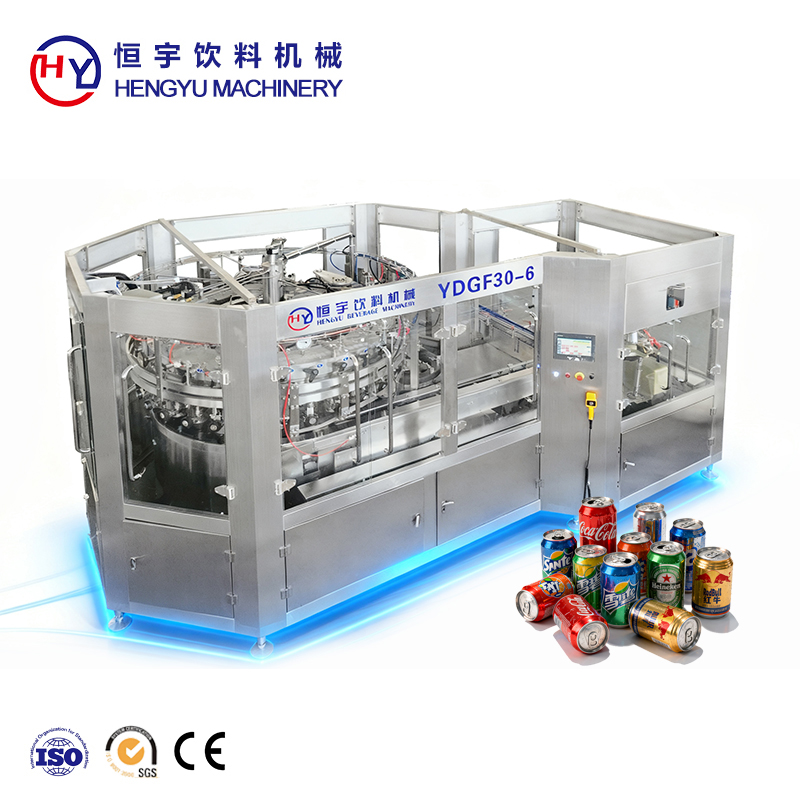
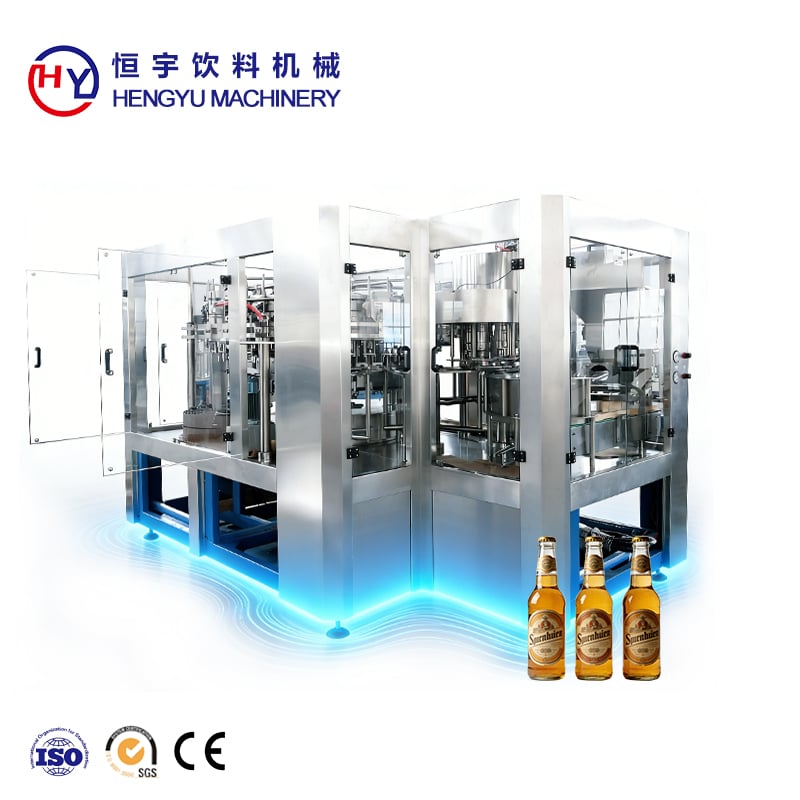
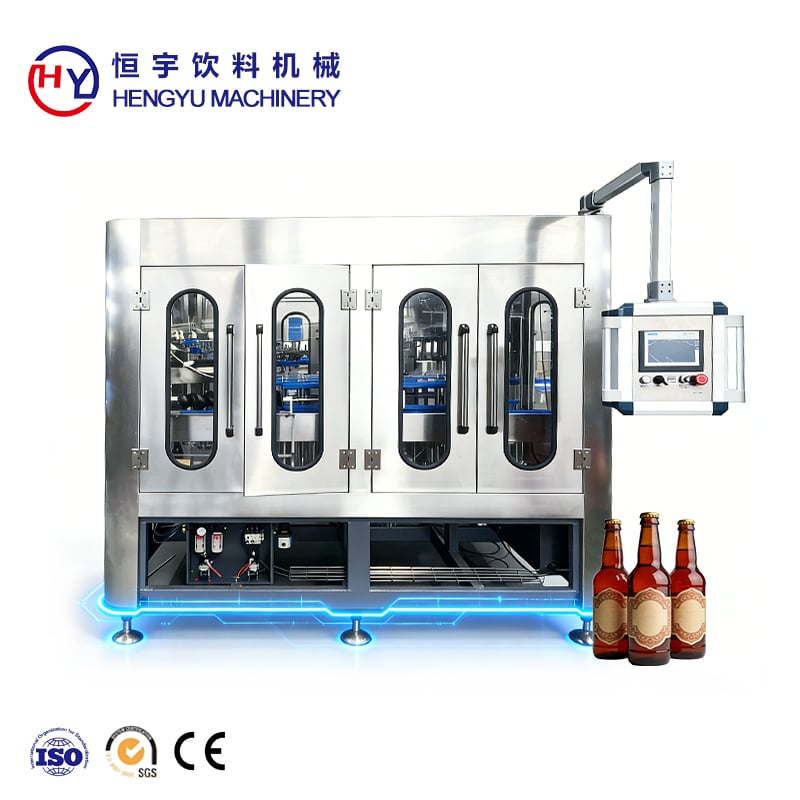
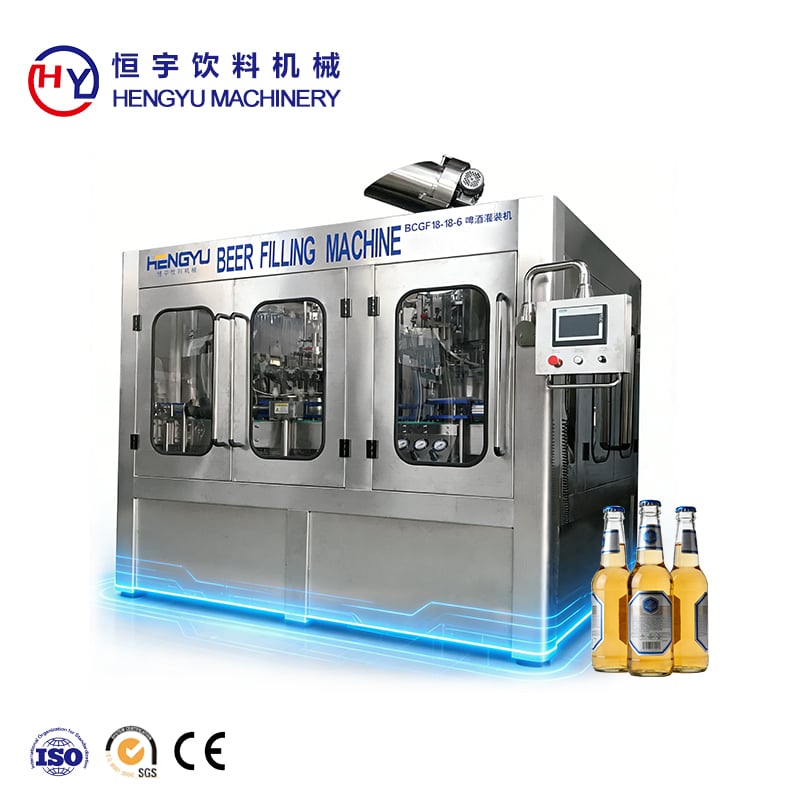
A glass bottle filling machine represents an essential piece of automated equipment designed specifically for efficiently transferring liquids into glass containers across various industries. This sophisticated machinery handles the complete filling process, from receiving empty bottles through various conveyor systems to delivering perfectly filled and sealed products ready for distribution. The primary functions of a glass bottle filling machine encompass bottle handling, precise liquid dispensing, cap placement, and quality verification, all synchronized to maintain consistent production rates. Modern glass bottle filling machines incorporate advanced technological features including programmable logic controllers that allow operators to adjust filling volumes, speeds, and other parameters through intuitive touchscreen interfaces. These machines utilize various filling technologies such as gravity filling for thin liquids, pressure filling for carbonated beverages, and vacuum filling for thicker substances, ensuring optimal performance across different product viscosities. Servo motor systems provide exceptional accuracy in controlling fill levels, minimizing product waste while maximizing container utilization. Automated inspection systems integrated within the machine detect improperly filled bottles, incorrect cap placement, or contamination issues, automatically rejecting defective units before they proceed further down the production line. The applications of glass bottle filling machines span numerous sectors including beverage production facilities handling juices, soft drinks, beer, wine, and spirits, pharmaceutical companies packaging liquid medications and supplements, cosmetic manufacturers bottling perfumes and lotions, food processing plants filling sauces and oils, and chemical industries packaging various liquid solutions. These machines accommodate diverse bottle sizes ranging from small sample vials to large format containers, with quick changeover capabilities enabling manufacturers to switch between different products efficiently. Constructed from food-grade stainless steel and sanitary materials, glass bottle filling machines comply with stringent hygiene standards required in regulated industries, featuring easy-to-clean designs that prevent cross-contamination between production runs and maintain product integrity throughout the filling operation.

New Product Recommendations

Investing in a glass bottle filling machine delivers substantial practical benefits that directly impact your bottom line and operational efficiency. First and foremost, these machines dramatically increase production speed compared to manual filling methods, enabling your facility to process thousands of bottles per hour depending on the model selected, which translates to meeting larger order volumes and expanding market reach without proportionally increasing labor costs. The precision offered by automated filling systems ensures every bottle contains exactly the specified amount of product, eliminating overfilling that wastes valuable materials and underfilling that could lead to regulatory compliance issues or customer dissatisfaction. This accuracy becomes particularly crucial when handling expensive ingredients or products subject to strict measurement regulations. Labor cost reduction represents another significant advantage, as a single operator can oversee multiple machines simultaneously, redirecting your workforce toward value-added tasks such as quality control, packaging innovation, or customer service rather than repetitive manual filling. The consistency achieved through automation ensures uniform product quality across every bottle, building brand reliability and customer trust while reducing complaint rates and returns. Glass bottle filling machines minimize product exposure to external contaminants through enclosed filling chambers and sanitary design principles, extending shelf life and maintaining freshness, which proves especially important for sensitive products like pharmaceuticals, natural juices, or premium beverages. These machines adapt easily to different production requirements through adjustable settings, accommodating seasonal demand fluctuations or new product introductions without requiring entirely new equipment purchases. The reduced physical strain on workers eliminates repetitive motion injuries associated with manual filling operations, creating a safer workplace environment while decreasing workers compensation claims and absenteeism. Energy efficiency features incorporated into modern designs lower utility costs while supporting sustainability initiatives that resonate with environmentally conscious consumers. Real-time monitoring capabilities allow managers to track production metrics, identify bottlenecks, and optimize workflows based on actual performance data rather than estimates. The return on investment typically materializes within months as increased throughput, reduced waste, and lower labor requirements offset the initial equipment cost. Furthermore, the professional appearance of uniformly filled bottles enhances product presentation on retail shelves, potentially commanding premium pricing and improving sales performance. Maintenance requirements remain manageable with straightforward cleaning protocols and readily available replacement parts, minimizing downtime and ensuring continuous production capability to meet delivery commitments and maintain customer relationships in competitive markets.

Tips And Tricks

Glass Bottle Filling Machine vs Plastic Bottle Filling Machine

04

Mar

Glass Bottle Filling Machine vs Plastic Bottle Filling Machine

Material Properties Dictate Core Machine Design Glass fragility and thermal mass: why glass bottle filling machines require reinforced frames, shock-dampened conveyors, and precision neck-handling grippers Working with glass bottles means going th...
View More
Increasing Capacity in Bottled Water Production Lines

09

Mar

Increasing Capacity in Bottled Water Production Lines

Diagnosing Bottlenecks in Your Bottled Water Production Line Measuring Throughput Gaps: Bottling Speed, Changeover Time, and OEE Analysis To get a handle on where production is falling short, look at three key performance indicators. Start by compa...
View More
Troubleshooting Can Filling Machine Production Issues

21

Mar

Troubleshooting Can Filling Machine Production Issues

Power, Control, and Electrical Faults in Can Filling Machines Machine won't power on: main supply, fuses, and emergency stop circuit checks If the can filling machine won't start at all, the first thing to do is check whether the main power supply ...
View More
Automation Technology in Can Sealing Machines

24

Mar

Automation Technology in Can Sealing Machines

How Automation Enhances Precision and Reliability in Can Sealing Machines Core Automation Components: Servo Drives, Vision Systems, and Closed-Loop Feedback in Modern Can Sealing Machines Today's can sealing equipment reaches incredible levels of p...
View More

Get a Free Quote

Our representative will contact you soon.
Email
Name
Phone/WhatsApp
Required Product
Message
0/1000

glass bottle filling machine

Exceptional Filling Accuracy and Volume Control

Exceptional Filling Accuracy and Volume Control

The exceptional filling accuracy and precise volume control capabilities of a glass bottle filling machine stand as fundamental differentiators that provide measurable value to manufacturing operations across industries. Advanced volumetric filling systems integrated into these machines utilize state-of-the-art flow meters, precision valves, and electronic sensors that work in concert to deliver exactly the specified liquid volume into each container with tolerances typically within plus or minus one percent of the target fill level. This remarkable precision stems from sophisticated control algorithms that continuously monitor and adjust filling parameters in real-time, compensating for variables such as liquid temperature fluctuations, viscosity changes, or pressure variations that might otherwise affect accuracy. For businesses handling premium products where ingredient costs represent a significant portion of total production expenses, even small improvements in filling precision translate directly to substantial savings over thousands of production cycles. Consider a scenario where reducing overfill by just two milliliters per bottle across a production run of ten thousand units daily saves twenty liters of product, which compounds to significant annual savings especially with high-value liquids. Beyond cost savings, this precision ensures regulatory compliance in industries subject to weights and measures legislation, protecting your business from potential fines or legal challenges while maintaining consumer trust. The glass bottle filling machine achieves this accuracy through multiple technological approaches depending on liquid characteristics, with piston fillers providing exceptional control for thick products, time-pressure systems excelling with medium viscosity liquids, and flow meter technology offering unmatched precision for thin fluids. Programmable recipe management allows operators to store specific filling parameters for different products, enabling rapid changeovers between production runs while maintaining consistent accuracy across your entire product portfolio. This capability proves invaluable for contract manufacturers serving multiple clients or brands managing diverse product lines from a single facility. The machines feature automatic calibration functions that verify and adjust filling accuracy at predetermined intervals, eliminating drift that might gradually compromise precision over extended production periods. Quality assurance becomes simplified as the inherent consistency of automated filling reduces the sampling frequency required for verification testing, freeing quality control personnel to focus on other critical aspects of product integrity while maintaining confidence in fill volumes throughout production batches.
Comprehensive Contamination Prevention and Hygiene Standards

Comprehensive Contamination Prevention and Hygiene Standards

Comprehensive contamination prevention and adherence to stringent hygiene standards represent critical advantages that make a glass bottle filling machine indispensable for manufacturers prioritizing product safety and quality assurance. These machines incorporate sanitary design principles throughout their construction, utilizing food-grade stainless steel for all product-contact surfaces, which resists corrosion, prevents bacterial growth, and withstands repeated exposure to aggressive cleaning agents without degrading or leaching contaminants into your products. The smooth, crevice-free surface finishes eliminate potential harboring points for microorganisms, while welded joints rather than threaded connections minimize areas where residue might accumulate between cleaning cycles. Enclosed filling environments protect products from airborne contaminants, dust particles, and environmental pollutants that could compromise quality or introduce pathogens, particularly important when producing beverages, pharmaceuticals, or cosmetics subject to strict purity requirements. Advanced glass bottle filling machines feature Clean-In-Place systems that automate the sanitization process, circulating cleaning solutions and sanitizing agents through all product pathways without requiring disassembly, dramatically reducing downtime between production runs while ensuring thorough decontamination that manual cleaning methods struggle to achieve consistently. These automated cleaning cycles follow validated protocols that maintain specific temperatures, contact times, and chemical concentrations proven effective against target organisms, providing documented evidence of sanitation for regulatory audits and quality certifications. The machines incorporate sterile air filtration systems that supply HEPA-filtered air to filling zones, creating positive pressure environments that prevent external contamination from entering critical areas during the filling operation. For aseptic filling applications requiring the highest sterility levels, specialized machines offer additional features including UV sterilization of bottles immediately before filling, sterile filling nozzles with automated sanitization between bottles, and completely enclosed sterile chambers maintained under controlled atmospheric conditions. These contamination prevention measures extend product shelf life by minimizing microbial loads, reducing or eliminating the need for chemical preservatives that some consumers prefer to avoid, potentially opening new market segments interested in clean-label products. Traceability features built into modern systems record critical control points throughout the filling process, creating audit trails that document temperatures, filling times, and cleaning cycles for each production batch, supporting recall procedures if quality issues arise while demonstrating due diligence in maintaining safety standards to regulatory authorities and certification bodies.
Versatile Adaptability for Multiple Product Types and Bottle Formats

Versatile Adaptability for Multiple Product Types and Bottle Formats

The versatile adaptability of a glass bottle filling machine to accommodate multiple product types and diverse bottle formats delivers exceptional value by maximizing equipment utilization and providing operational flexibility that responds effectively to evolving market demands. This adaptability manifests through sophisticated engineering that allows rapid transitions between different liquid viscosities ranging from water-thin spirits to syrup-thick sauces without requiring entirely different machines, achieved through adjustable filling mechanisms that modify flow rates, valve opening durations, and pressure settings to match product characteristics precisely. Quick-change components including filling nozzles, star wheels, cap chucks, and conveyor guides enable format changeovers between different bottle heights, diameters, and neck finishes in minimal time, often requiring just thirty minutes or less depending on the complexity of the transition, compared to hours of downtime with less flexible systems. This rapid changeover capability proves particularly valuable for businesses pursuing product diversification strategies or contract manufacturers serving multiple clients with varying specifications, allowing these operations to maximize production hours allocated to value-generating activities rather than equipment adjustments. Tool-less adjustment mechanisms incorporated into modern glass bottle filling machines eliminate the need for specialized skills or extensive training to perform format changes, empowering line operators to handle transitions independently without waiting for maintenance technicians, improving responsiveness to urgent production requirements or last-minute schedule modifications. The machines accommodate various filling technologies within a single platform through modular filling valve designs, allowing facilities to process carbonated beverages requiring counter-pressure filling, oxygen-sensitive products benefiting from nitrogen purging, hot-fill applications for products requiring heat treatment, and standard ambient filling for stable liquids, all utilizing the same basic machine infrastructure with different valve configurations. This modularity extends equipment lifespan by enabling upgrades and modifications as product portfolios evolve rather than necessitating complete equipment replacement when introducing new product categories. Container handling systems feature adjustable timing screws, neck handling mechanisms, and stabilization guides that gently manage glass bottles of varying weights and structural strengths, preventing breakage that creates safety hazards, contaminates production areas, and wastes both containers and products. Programmable recipes stored in the machine control system maintain optimal parameter settings for each product and format combination, ensuring consistent quality regardless of which item is currently running while eliminating setup errors that might occur from manual parameter entry. This recipe management functionality supports regulatory requirements for process validation by documenting that each product was manufactured using approved parameters, creating electronic records that simplify compliance demonstrations during inspections and audits while providing production managers with visibility into process consistency across different shifts and operators.