Glass Water Bottle Filling Machine - Automated Bottling Solutions for Beverage Production

All Categories

glass water bottle filling machine

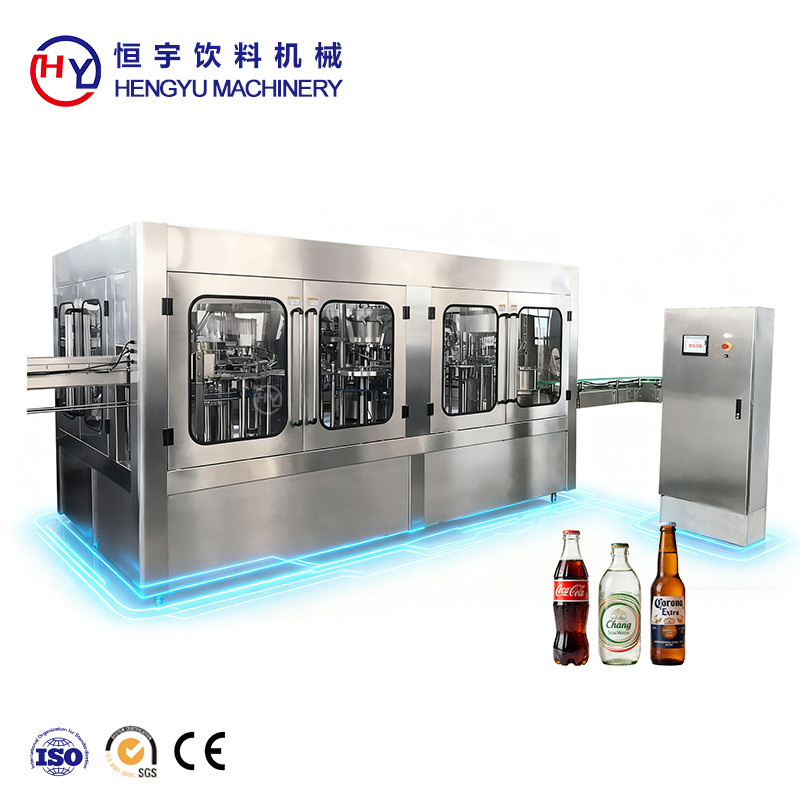
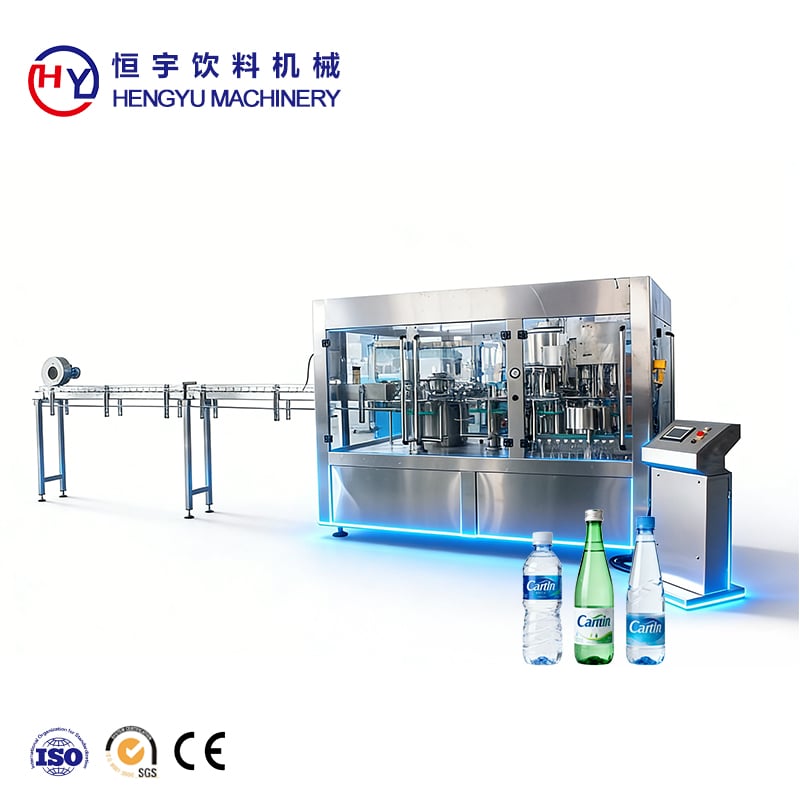
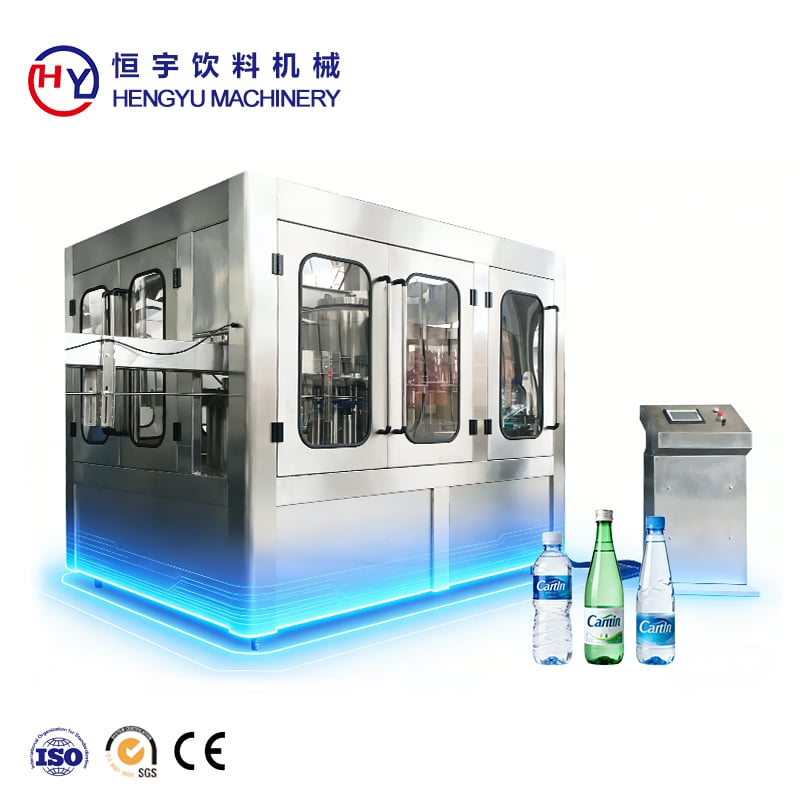
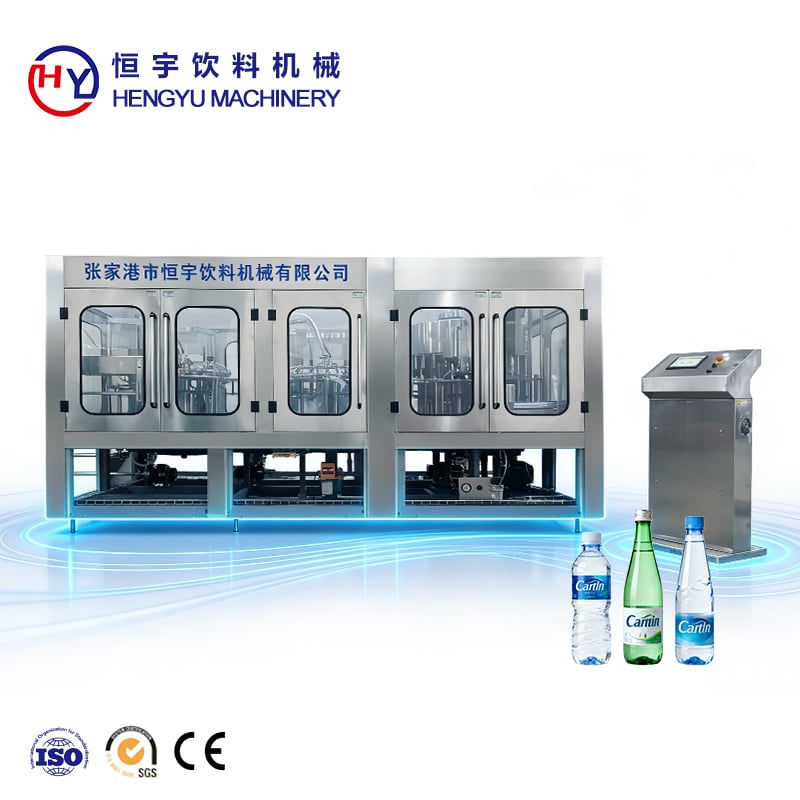
A glass water bottle filling machine represents an essential piece of equipment designed specifically for beverage production facilities that package their products in glass containers. This automated system streamlines the entire bottling process by precisely filling glass bottles with water or other beverages while maintaining strict hygiene standards and production efficiency. The machine integrates multiple operational stages including bottle feeding, rinsing, filling, capping, and labeling into one cohesive production line. Modern glass water bottle filling machines utilize advanced sensor technology and programmable logic controllers to ensure accurate fill levels, minimize product waste, and maintain consistent quality across every bottle produced. These systems are engineered to handle various bottle sizes and shapes, offering manufacturers the flexibility to adapt to different market demands without requiring extensive equipment changes. The filling mechanism typically employs either gravity-based, pressure-based, or vacuum-based filling methods, each suited to different product viscosities and production requirements. Safety features are built into every glass water bottle filling machine, including automatic shut-off mechanisms, bottle breakage detection systems, and contamination prevention protocols. The stainless steel construction of most machines ensures durability and compliance with food-grade manufacturing standards. Production capacities vary widely depending on the model, ranging from small-scale operations producing several hundred bottles per hour to industrial systems capable of filling tens of thousands of bottles daily. The automation provided by these machines significantly reduces labor costs while improving output consistency and reducing human error. Integration capabilities allow these filling systems to connect seamlessly with upstream and downstream equipment, creating a fully automated production environment that maximizes operational efficiency and profitability for beverage manufacturers.

Popular Products

Investing in a glass water bottle filling machine delivers substantial operational improvements that directly impact your bottom line. First and foremost, these machines dramatically increase production speed compared to manual filling methods, allowing your facility to meet growing market demand without proportionally increasing labor costs. The precision filling technology ensures that every bottle receives exactly the right amount of product, eliminating overfilling that wastes valuable inventory and underfilling that could lead to customer dissatisfaction or regulatory compliance issues. This accuracy translates directly into cost savings and improved profit margins over time. The automated nature of these systems reduces your dependency on manual labor, freeing your workforce to focus on value-added tasks such as quality control, maintenance, and process optimization. This reallocation of human resources creates a more efficient operation overall. Hygiene and sanitation are paramount in beverage production, and glass water bottle filling machines excel in this area through enclosed filling environments, automatic cleaning cycles, and food-grade materials that prevent contamination. This superior cleanliness reduces product spoilage, extends shelf life, and protects your brand reputation by ensuring consistent product quality. The flexibility offered by modern filling machines allows you to switch between different bottle sizes and formats with minimal downtime, enabling you to respond quickly to market trends and customer preferences without investing in entirely new equipment. Energy efficiency is another significant advantage, as contemporary machines are designed to minimize power consumption while maximizing output, reducing your operational expenses and environmental footprint simultaneously. The reduced physical strain on workers creates a safer workplace environment, lowering injury rates and associated costs such as workers' compensation claims and lost productivity. Maintenance requirements are straightforward, with most machines designed for easy access to critical components, reducing downtime and repair costs. The consistent quality produced by automated filling systems strengthens your brand reputation, as customers receive the same high-quality product with every purchase, building loyalty and encouraging repeat business. Data collection capabilities built into modern glass water bottle filling machines provide valuable insights into production metrics, helping you identify bottlenecks, optimize processes, and make informed decisions about capacity planning and equipment investments. The return on investment for these machines is typically realized within a reasonable timeframe through the combination of increased production capacity, reduced labor costs, decreased waste, and improved product quality, making them a financially sound choice for businesses of all sizes.

Tips And Tricks

Increasing Capacity in Bottled Water Production Lines

09

Mar

Increasing Capacity in Bottled Water Production Lines

Diagnosing Bottlenecks in Your Bottled Water Production Line Measuring Throughput Gaps: Bottling Speed, Changeover Time, and OEE Analysis To get a handle on where production is falling short, look at three key performance indicators. Start by compa...
View More
How Bottled Water Production Lines Maintain Product Safety

12

Mar

How Bottled Water Production Lines Maintain Product Safety

Regulatory Foundations and the Multi-Barrier Safety Framework FDA, EPA, and ISO Standards Specific to Bottled Water Production Lines The bottled water industry works within a pretty strict set of regulations. The FDA has these things called Good Ma...
View More
How Can Filling Machines Improve Beverage Production Speed

24

Mar

How Can Filling Machines Improve Beverage Production Speed

Filling Machine Type Determines Maximum Throughput Potential Gravity, Isobaric, and Piston Can Filling Machines: Speed vs. Precision Trade-offs Gravity fillers work well for delicate drinks such as juice, processing around 20 to 36 bottles every mi...
View More
Troubleshooting Can Filling Machine Production Issues

21

Mar

Troubleshooting Can Filling Machine Production Issues

Power, Control, and Electrical Faults in Can Filling Machines Machine won't power on: main supply, fuses, and emergency stop circuit checks If the can filling machine won't start at all, the first thing to do is check whether the main power supply ...
View More

Get a Free Quote

Our representative will contact you soon.
Email
Name
Phone/WhatsApp
Required Product
Message
0/1000

glass water bottle filling machine

Advanced Precision Filling Technology Ensures Zero Waste and Perfect Consistency

Advanced Precision Filling Technology Ensures Zero Waste and Perfect Consistency

The sophisticated filling technology incorporated into modern glass water bottle filling machines represents a quantum leap forward in beverage production capabilities. At the heart of these systems lies an intricate network of sensors, flow meters, and control valves that work in perfect harmony to deliver precisely measured volumes of liquid into each container. This precision is not merely a convenience but a critical factor that affects profitability, regulatory compliance, and customer satisfaction. The filling mechanism can detect the exact position of each bottle, adjust fill speeds based on product characteristics, and compensate for variables such as temperature fluctuations and pressure changes that might otherwise affect accuracy. Unlike manual filling methods that inevitably result in variations from bottle to bottle, automated glass water bottle filling machines maintain consistency within fractions of a milliliter, ensuring that every customer receives exactly what they paid for. This level of accuracy eliminates the common industry problem of overfilling, which essentially gives away product without compensation, directly eroding profit margins. For high-volume operations, even small amounts of overfill per bottle multiply into significant financial losses over time. Conversely, underfilling creates legal liabilities and customer trust issues that can damage brand reputation far beyond the immediate transaction. The precision filling technology addresses both concerns simultaneously. The system's ability to adapt to different viscosities and carbonation levels makes it versatile enough to handle not just still water but also sparkling beverages, flavored drinks, and other liquid products without requiring extensive reconfiguration. Quality control is enhanced through real-time monitoring that immediately flags any deviations from preset parameters, allowing operators to address issues before they result in significant waste or quality problems. The filling nozzles are designed to minimize foaming and splashing, which not only improves accuracy but also maintains the aesthetic presentation of the final product. Environmental benefits accompany the precision filling capabilities, as reduced waste means less product going to drain, conserving both the beverage itself and the resources used in its production. For businesses operating in markets with strict metrology regulations, the documented accuracy provided by these machines simplifies compliance and reduces the risk of penalties. The technology also accommodates different filling speeds, allowing operators to balance production volume against the need for gentleness with certain products or bottle types. This adaptability means that the same glass water bottle filling machine can serve multiple product lines without compromising quality standards for any of them.
Robust Hygienic Design Guarantees Product Safety and Extended Shelf Life

Robust Hygienic Design Guarantees Product Safety and Extended Shelf Life

Maintaining impeccable hygiene standards throughout the bottling process is absolutely critical for beverage manufacturers, and glass water bottle filling machines are specifically engineered to meet and exceed these stringent requirements. The hygienic design philosophy begins with material selection, utilizing food-grade stainless steel for all product-contact surfaces, which resists corrosion, prevents bacterial growth, and withstands repeated cleaning and sanitization cycles without degrading. The smooth, seamless construction eliminates crevices and dead zones where contaminants could potentially harbor, ensuring that every surface can be thoroughly cleaned and inspected. Modern glass water bottle filling machines incorporate Clean-in-Place systems that automate the sanitization process, circulating cleaning solutions through the entire filling circuit without requiring disassembly. This not only ensures more thorough cleaning than manual methods but also reduces downtime between production runs and minimizes human contact with sensitive areas. The enclosed filling environment protects the product from airborne contaminants, dust, and other environmental factors that could compromise quality or introduce spoilage organisms. Air filtration systems maintain positive pressure within the filling zone, further preventing contamination while bottles are being filled. For products requiring aseptic or near-aseptic conditions, advanced glass water bottle filling machines can integrate sterilization technologies such as UV treatment, ozone injection, or heat treatment to eliminate microorganisms before filling occurs. The bottle rinsing stage, which precedes filling, removes any particles or residues that might have accumulated during storage or transportation, ensuring that only pristine containers receive the product. Multi-stage rinsing with filtered water or sterile air provides thorough cleaning without introducing new contaminants. The capping mechanism is equally important for maintaining product integrity, and these machines ensure that caps are applied consistently and securely, creating an airtight seal that prevents post-filling contamination and preserves freshness throughout the distribution chain. Regular validation and verification procedures can be easily performed on these automated systems, providing documented evidence of hygiene compliance for regulatory audits and quality certifications. The reduced human contact inherent in automated filling substantially decreases the risk of contamination from handling, as human operators are the most common source of microbiological contamination in manufacturing environments. Training requirements are simplified because operators interact with the machine through control interfaces rather than directly handling product or containers during the filling process. Maintenance protocols for glass water bottle filling machines prioritize hygiene, with quick-disconnect fittings and tool-free access to critical components that require regular cleaning. The result of this comprehensive hygienic design approach is a beverage product that not only meets safety standards but exceeds customer expectations for quality, purity, and freshness, building brand loyalty and supporting premium positioning in competitive markets.
Flexible Configuration and Scalability Support Business Growth and Market Adaptation

Flexible Configuration and Scalability Support Business Growth and Market Adaptation

One of the most valuable characteristics of a well-designed glass water bottle filling machine is its inherent flexibility and capacity for scaling alongside your business objectives. In today's dynamic beverage market, consumer preferences shift rapidly, new product opportunities emerge constantly, and successful companies must be able to adapt quickly without incurring prohibitive costs or experiencing extended production interruptions. Modern filling systems are engineered with this reality in mind, offering modular designs that accommodate various bottle dimensions, shapes, and closure types through straightforward changeover procedures. Rather than requiring entirely new equipment for each product variation, these machines feature adjustable components such as bottle guides, filling heads, and capping stations that can be reconfigured to handle different specifications. The changeover process has been streamlined to minimize downtime, with some advanced systems completing format changes in under thirty minutes, allowing manufacturers to run shorter production batches economically and respond to market demands with agility. This flexibility extends beyond physical bottle characteristics to encompass different product formulations as well. Whether filling still spring water, carbonated flavored beverages, or functional drinks with added ingredients, the glass water bottle filling machine can adjust parameters such as fill speed, pressure, and temperature to optimize results for each specific product. Scalability is equally important for growing businesses, and these machines offer multiple pathways for expanding capacity as demand increases. Entry-level systems provide sufficient throughput for startups and small producers while offering upgrade options that incrementally boost production rates without requiring complete equipment replacement. Additional filling heads can be added to existing frames, control systems can be enhanced with more sophisticated features, and upstream or downstream equipment can be integrated to create more comprehensive production lines. This incremental investment approach allows businesses to align capital expenditures with revenue growth, avoiding the financial strain of over-investing in capacity before market demand materializes. For companies anticipating substantial growth, high-capacity glass water bottle filling machines are available that deliver industrial-scale output while maintaining the same precision and quality standards as smaller units. The control systems powering these machines typically feature user-friendly interfaces that store multiple product recipes, allowing operators to switch between different production runs with just a few button presses, automatically adjusting all relevant parameters to match the selected configuration. Data connectivity is increasingly important, and contemporary filling machines offer integration with enterprise resource planning systems, manufacturing execution systems, and quality management platforms, providing real-time visibility into production metrics and enabling data-driven decision making. Remote monitoring and diagnostic capabilities allow technicians to troubleshoot issues without being physically present, reducing response times and minimizing production disruptions. As sustainability becomes increasingly important to consumers and regulators alike, the adaptability of these machines supports environmental initiatives by accommodating recycled glass bottles, reducing energy consumption through efficient operation, and minimizing water usage through optimized cleaning cycles. The long service life of quality glass water bottle filling machines, combined with their adaptability to changing requirements, provides exceptional value over time, protecting your investment while supporting your business evolution through multiple growth phases and market transitions.