Hot Sauce Bottling Machine - Automated Filling Equipment for Condiment Production

All Categories

hot sauce bottling machine

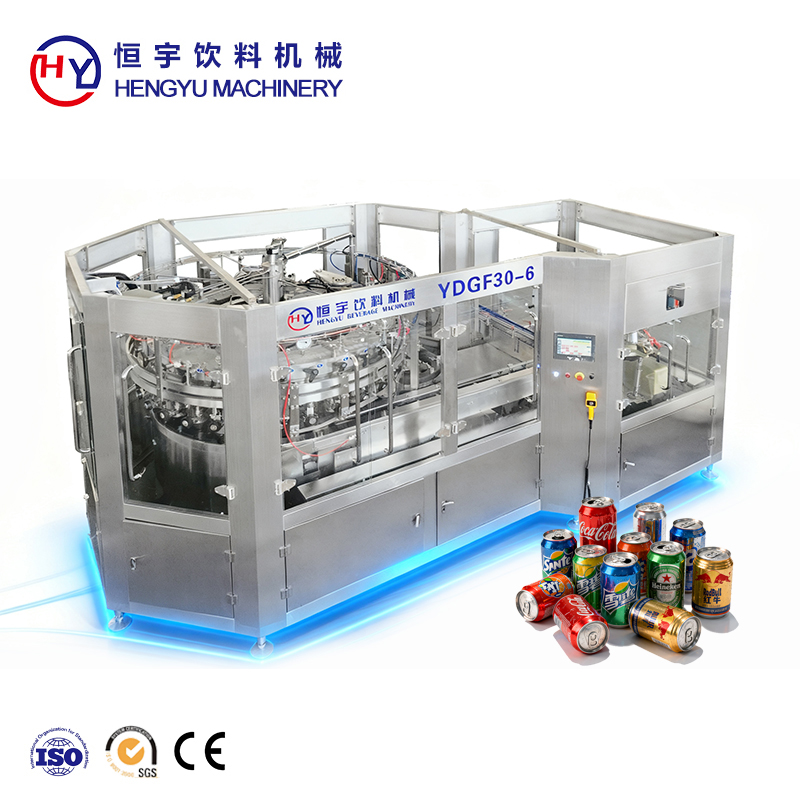
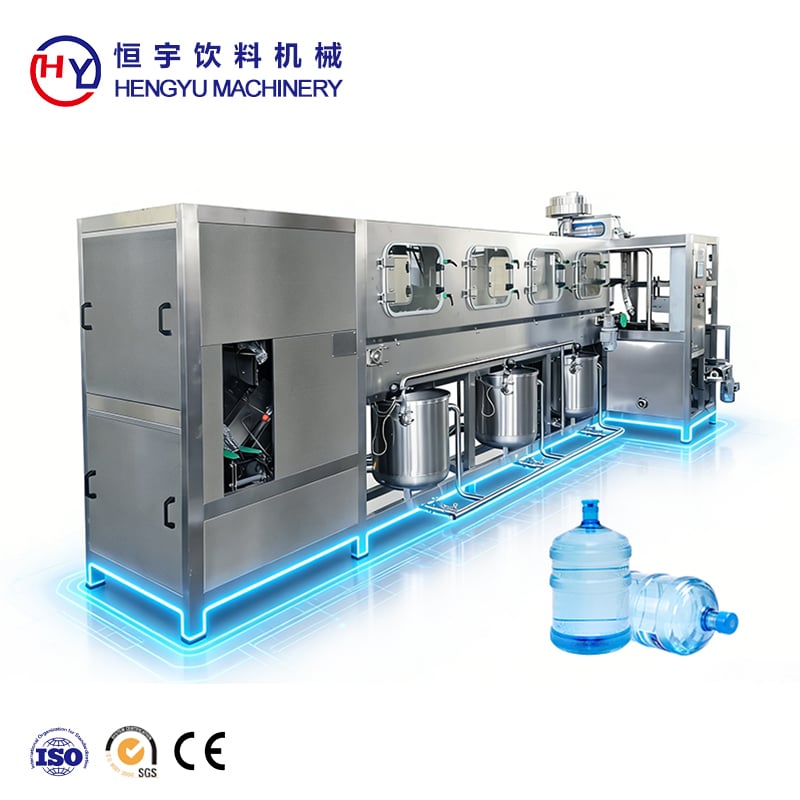
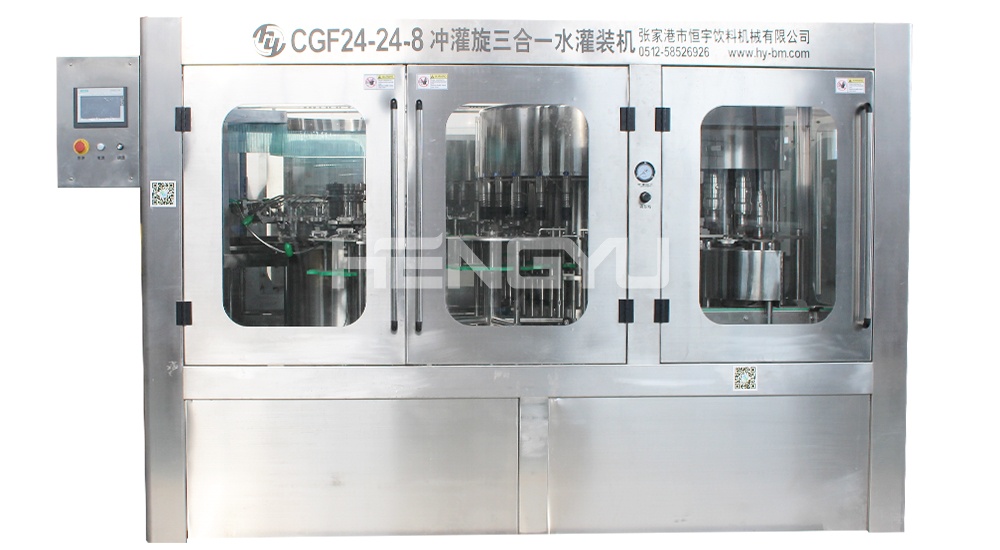
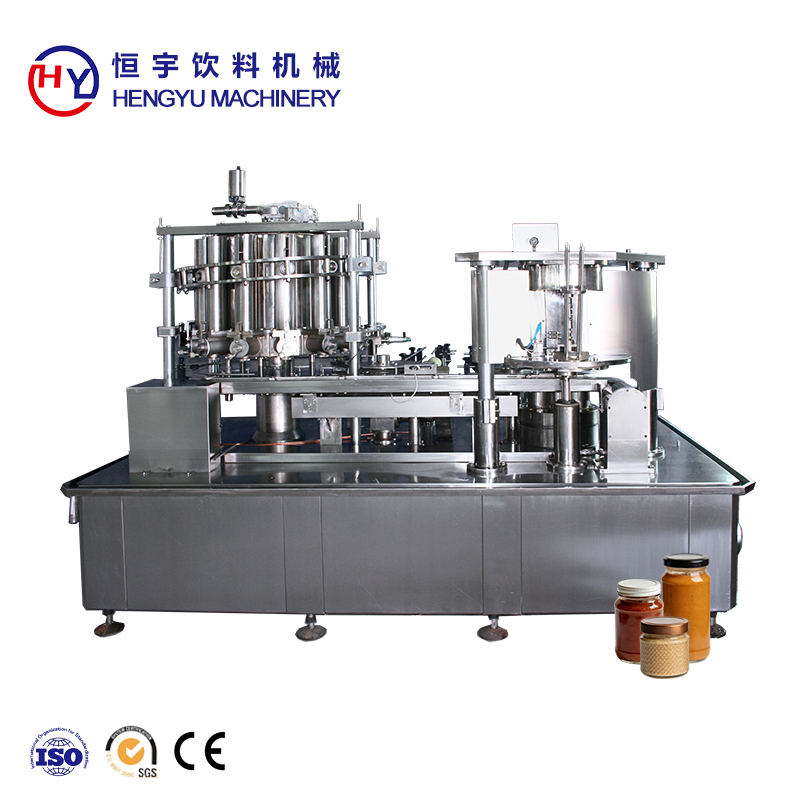
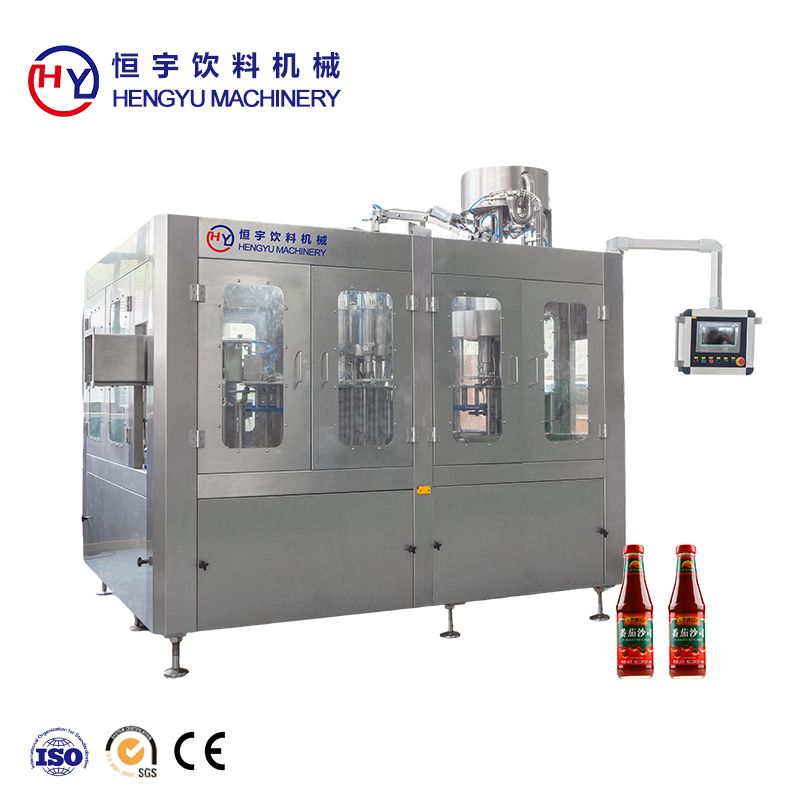
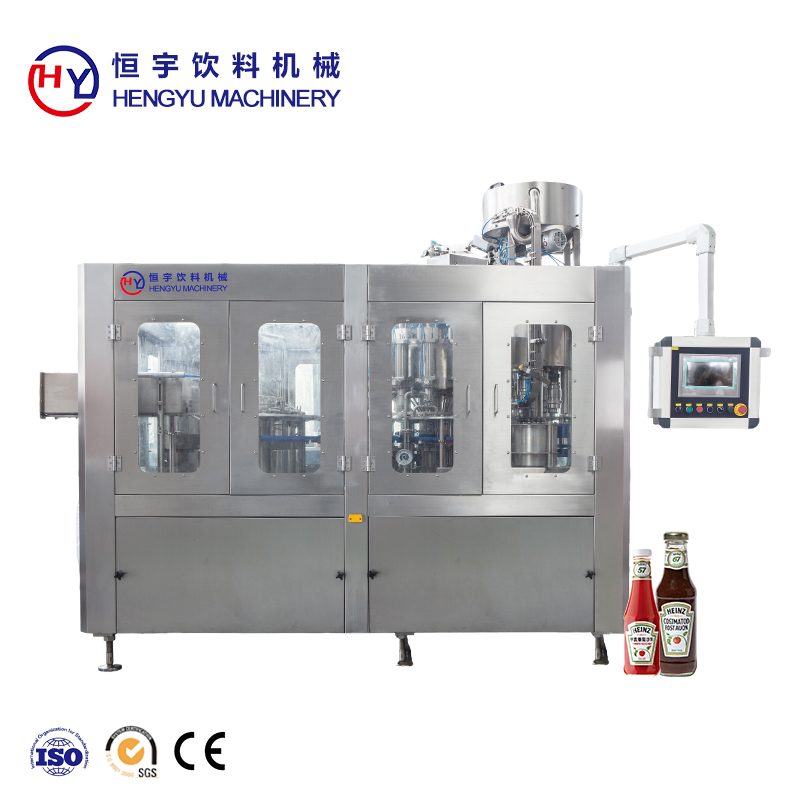
A hot sauce bottling machine represents an essential piece of automated equipment designed specifically for filling, capping, and sealing bottles containing various types of hot sauces and spicy condiments. This sophisticated machinery streamlines the entire packaging process, transforming what was once a labor-intensive manual operation into an efficient, consistent, and hygienic automated system. Modern hot sauce bottling machines incorporate advanced technology to handle the unique characteristics of hot sauce products, including their viscosity, temperature sensitivity, and the need for precise portion control. These machines are engineered to accommodate different bottle sizes, shapes, and materials, ranging from small glass containers to larger plastic bottles. The primary functions include automated bottle feeding, precise liquid filling through volumetric or piston-based systems, secure cap placement and tightening, label application, and final product inspection. Technological features often include programmable logic controllers that allow operators to adjust filling volumes, speeds, and other parameters through user-friendly touchscreen interfaces. Many systems incorporate servo motor technology for enhanced precision and repeatability, ensuring every bottle receives the exact same amount of product. Stainless steel construction ensures durability and meets food safety standards, while easy-to-clean designs minimize downtime between production runs. The machines can process hundreds to thousands of bottles per hour depending on the model and configuration. Applications span from small craft hot sauce producers looking to scale up their operations to large-scale commercial manufacturers requiring high-volume output. The versatility of these machines makes them suitable for various hot sauce types, including thin vinegar-based sauces, thick purees, and chunky varieties containing visible pepper pieces. Integration capabilities allow these machines to work seamlessly within complete production lines, connecting with labeling systems, packaging equipment, and quality control stations to create a comprehensive bottling solution.

New Products

Investing in a hot sauce bottling machine delivers substantial operational improvements that directly impact your bottom line and production capabilities. First and foremost, these machines dramatically increase production speed compared to manual bottling methods. What might take several workers hours to accomplish can be completed in minutes with automated equipment, allowing businesses to fulfill larger orders and meet growing market demand without proportionally increasing labor costs. The consistency achieved through automation ensures every single bottle contains the precise amount of product, eliminating overfilling that wastes expensive ingredients and underfilling that could lead to customer dissatisfaction or regulatory issues. This level of accuracy protects your profit margins while maintaining brand reputation. The reduction in human contact with the product significantly improves hygiene standards, which is critically important in food production. Automated systems minimize contamination risks, helping businesses meet stringent food safety regulations and pass inspections with confidence. From a financial perspective, while the initial investment may seem substantial, the return comes quickly through reduced labor expenses, decreased product waste, and increased output capacity. Businesses can reallocate human resources to other value-adding activities like recipe development, marketing, or quality control rather than repetitive bottling tasks. The machines also reduce workplace injuries associated with repetitive motion and heavy lifting, potentially lowering insurance costs and improving employee wellbeing. Flexibility represents another key advantage, as modern machines can be quickly adjusted to accommodate different bottle sizes or filling volumes, allowing producers to diversify their product lines without purchasing entirely new equipment. This adaptability proves invaluable when testing new products or responding to market trends. The professional appearance of machine-filled bottles enhances brand perception, as uniform fill levels and properly sealed caps convey quality and attention to detail that consumers notice and appreciate. Maintenance requirements are typically straightforward, with many machines designed for quick disassembly and cleaning between production runs. This design consideration minimizes downtime and keeps operations running smoothly. The data collection capabilities built into many modern machines provide valuable production metrics, helping managers identify bottlenecks, track efficiency, and make informed decisions about process improvements. For growing businesses, scalability becomes simple as additional machines or upgraded models can be integrated into existing production lines without complete system overhauls.

Tips And Tricks

Glass Bottle Filling Machine vs Plastic Bottle Filling Machine

04

Mar

Glass Bottle Filling Machine vs Plastic Bottle Filling Machine

Material Properties Dictate Core Machine Design Glass fragility and thermal mass: why glass bottle filling machines require reinforced frames, shock-dampened conveyors, and precision neck-handling grippers Working with glass bottles means going th...
View More
How to Choose a Glass Bottle Filling Machine for Beverage Production

06

Mar

How to Choose a Glass Bottle Filling Machine for Beverage Production

Match Filling Technology to Beverage Type and Sensitivity Counter-Pressure Fillers for Carbonated Beverages and Beer Carbonated drinks like soda, sparkling water and beer need careful filling techniques to keep their fizz intact while avoiding exc...
View More
How Can Filling Machines Improve Beverage Production Speed

24

Mar

How Can Filling Machines Improve Beverage Production Speed

Filling Machine Type Determines Maximum Throughput Potential Gravity, Isobaric, and Piston Can Filling Machines: Speed vs. Precision Trade-offs Gravity fillers work well for delicate drinks such as juice, processing around 20 to 36 bottles every mi...
View More
Can Filling Machine Technology for Carbonated Beverages

20

Mar

Can Filling Machine Technology for Carbonated Beverages

Isobaric Filling Principles: How Can Filling Machines Preserve Carbonation Under Pressure The Physics of CO₂ Solubility and Why Counter-Pressure Is Non-Negotiable The way carbon dioxide dissolves in drinks basically follows what we call Henry's Law...
View More

Get a Free Quote

Our representative will contact you soon.
Email
Name
Phone/WhatsApp
Required Product
Message
0/1000

hot sauce bottling machine

Precision Filling Technology That Eliminates Product Waste

Precision Filling Technology That Eliminates Product Waste

The precision filling technology integrated into modern hot sauce bottling machines stands as one of the most valuable features for producers concerned with both product quality and cost management. Unlike manual filling methods that rely on human judgment and physical dexterity, automated filling systems employ advanced measurement technologies that guarantee consistent volumes across every single bottle produced during your operation. These machines typically utilize either volumetric filling systems that measure exact quantities based on cylinder displacement or piston-based mechanisms that draw and dispense predetermined amounts with remarkable accuracy. The sophistication of these systems means they can handle the challenging properties of hot sauce, including varying viscosities from thin cayenne-based sauces to thick habanero purees containing particulates. Temperature fluctuations that might affect product flow are compensated for automatically, maintaining filling precision regardless of ambient conditions or the temperature of the sauce itself. This technological reliability translates directly into financial benefits, as overfilling represents pure profit loss when you consistently give away more product than customers paid for. Even a few milliliters of excess per bottle multiplies into significant waste across thousands of units. Conversely, underfilling creates legal compliance issues and customer trust problems that can damage your brand reputation far beyond the cost of the missing product. The precision of automated systems eliminates both concerns entirely. Beyond waste reduction, consistent fill levels create a professional appearance that consumers associate with quality manufacturing. When bottles on a retail shelf all show identical fill lines, customers perceive the brand as established and reliable. The filling nozzles are specifically designed to prevent dripping, which keeps bottle exteriors clean and reduces the sticky residue that can accumulate on production equipment and require frequent cleaning. Many advanced machines feature anti-drip mechanisms and nozzle designs that create clean breaks when filling completes, ensuring no sauce dribbles down bottle sides. The ability to program exact fill volumes through digital interfaces means producers can instantly adjust for different bottle sizes or create variety packs without manual recalibration. This flexibility supports product line expansion and seasonal variations without compromising the precision that protects your profitability and maintains the quality standards your customers expect from your hot sauce products.
Hygienic Stainless Steel Construction Meeting Food Safety Standards

Hygienic Stainless Steel Construction Meeting Food Safety Standards

The construction materials and design philosophy behind hot sauce bottling machines directly address the critical importance of food safety in condiment production. Quality machines are built primarily from food-grade stainless steel, specifically chosen for its non-reactive properties that prevent any interaction between the equipment and acidic hot sauce formulations. This material selection ensures that no metallic flavors or contamination affect your carefully developed recipes, preserving the authentic taste profiles that differentiate your products in a competitive marketplace. Stainless steel surfaces resist corrosion even when exposed to vinegar-based sauces and capsaicin compounds that would degrade lesser materials over time. This durability means the equipment maintains its integrity through years of daily production cycles without deteriorating or requiring replacement of corroded components. The smooth, non-porous nature of stainless steel creates surfaces that bacteria cannot easily colonize, fundamentally supporting sanitation efforts. Unlike porous materials that can harbor microorganisms in microscopic crevices, stainless steel can be thoroughly cleaned and sanitized, meeting the stringent requirements of food production facilities. Modern machine designs incorporate sanitary engineering principles, featuring rounded corners instead of sharp angles where residue might accumulate, and avoiding unnecessary crevices or joints where sauce could become trapped. Many machines are designed with tool-free disassembly capabilities, allowing operators to quickly break down filling heads, nozzles, and product-contact surfaces for thorough cleaning between production runs or when switching between different sauce varieties. This accessibility is crucial for preventing cross-contamination when producing multiple product lines and for maintaining the cleaning schedules required by food safety protocols. The machines typically feature clean-in-place systems or are designed to be compatible with such systems, enabling automated cleaning cycles that ensure consistent sanitation without relying on manual scrubbing that might miss areas or vary in thoroughness. Compliance with food safety regulations like FDA requirements and HACCP principles becomes straightforward when using properly designed equipment, as the machines are engineered with these standards in mind from the initial design phase. Documentation and validation of cleaning procedures becomes simpler, supporting your quality management systems and making audits and inspections less stressful. The enclosed nature of automated filling systems also protects products from environmental contamination during the bottling process, creating a controlled environment where airborne particles, dust, or other contaminants cannot reach the sauce between filling and capping operations.
Adjustable Speed Controls That Scale With Your Business Growth

Adjustable Speed Controls That Scale With Your Business Growth

The adjustable speed controls incorporated into modern hot sauce bottling machines provide a strategic advantage that supports businesses at every stage of growth, from startup operations to established manufacturers expanding market reach. These controls allow operators to fine-tune production rates based on immediate needs, staff availability, and order volumes, creating a flexibility that fixed-speed equipment simply cannot match. For newer businesses still refining their processes, the ability to run machines at slower speeds during the learning phase reduces stress on operators and minimizes the risk of errors while teams develop proficiency with the equipment. As confidence and expertise grow, production speeds can be gradually increased to maximize output without requiring equipment upgrades or replacements. This scalability protects your initial investment by ensuring the machine remains relevant and useful as production demands evolve. The speed controls work in conjunction with the filling accuracy systems, maintaining precision regardless of whether the machine operates at minimum or maximum throughput rates. This consistency means you never sacrifice quality for quantity, as faster production does not compromise the exact fill volumes or proper capping that customers expect. Variable speed capabilities also accommodate different hot sauce formulations that may flow at different rates through filling nozzles. Thicker sauces might require slower speeds to allow proper filling without air pockets or incomplete bottles, while thinner formulations can be processed more rapidly. The ability to adjust speeds for different products means a single machine can handle your entire product line rather than requiring dedicated equipment for each sauce variety. From an operational perspective, adjustable speeds help manage workflow balance within your production facility. If bottling is occurring faster than labeling or packaging can keep pace, reducing the filling speed prevents bottlenecks and keeps the entire line running smoothly rather than creating backups of unlabeled inventory. Conversely, when bottling becomes the limiting factor, speeds can be increased to match the capacity of other production stages. The digital interfaces that control these speed settings typically include memory functions that save preferred configurations for different products, allowing quick changeovers between production runs without manual recalibration. Operators simply select the appropriate saved profile, and the machine automatically adjusts to the correct parameters. This automation reduces setup time and eliminates the human error that might occur during manual adjustments. Energy efficiency also benefits from variable speed controls, as machines running at appropriate speeds for current needs consume less power than equipment forced to operate at maximum capacity continuously. This efficiency contributes to lower operating costs and supports sustainability initiatives that increasingly matter to both business operations and consumer preferences. The longevity of machine components improves when equipment operates at suitable speeds rather than constantly maxing out mechanical systems, reducing wear and extending the intervals between maintenance requirements and part replacements.