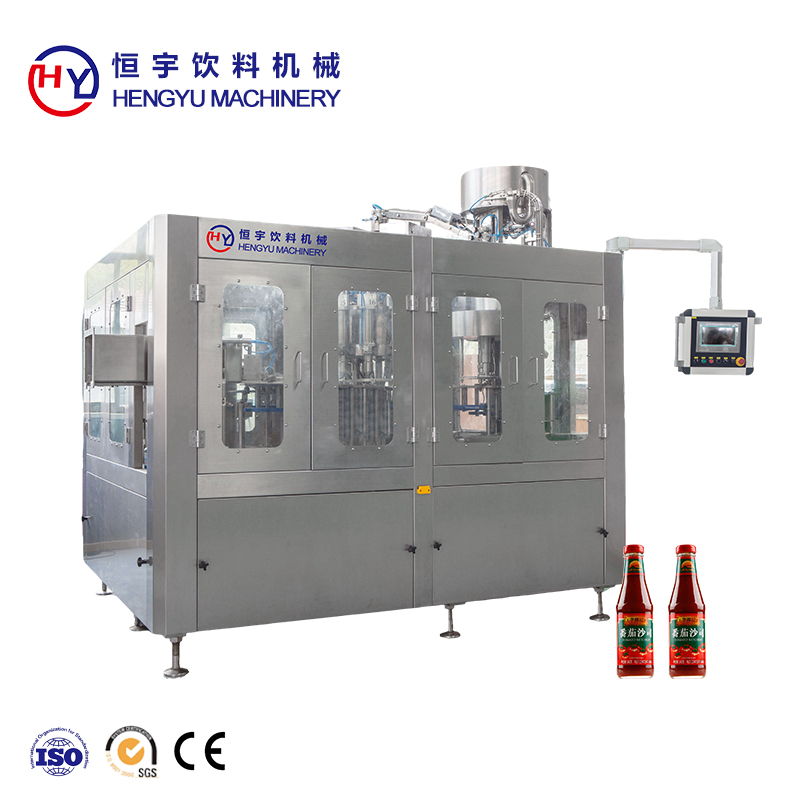
Professional Sauce Bottling Equipment - Automated Filling Solutions for Condiment Production

All Categories

sauce bottling equipment

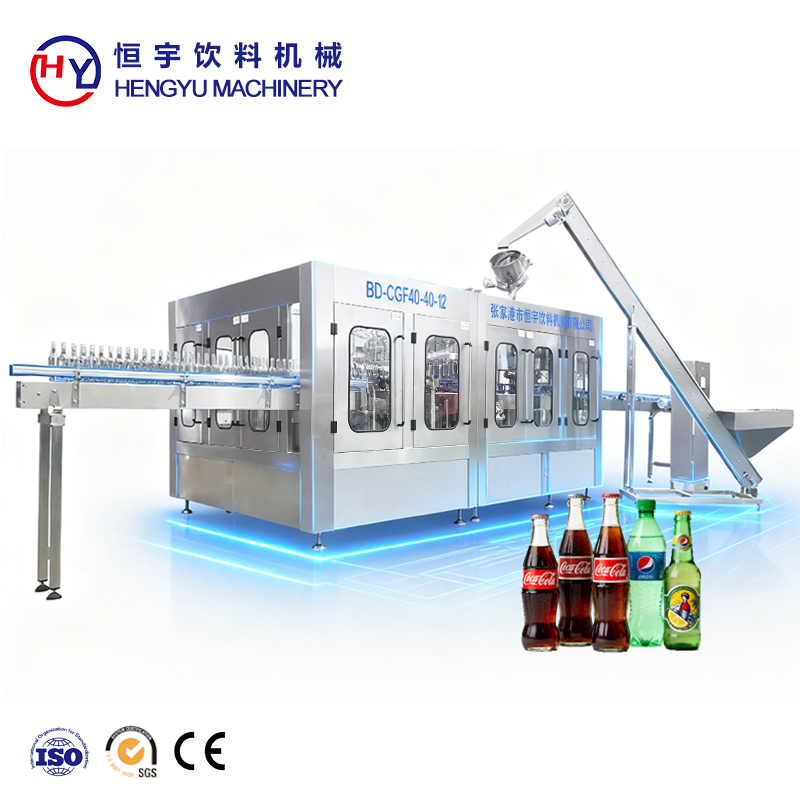
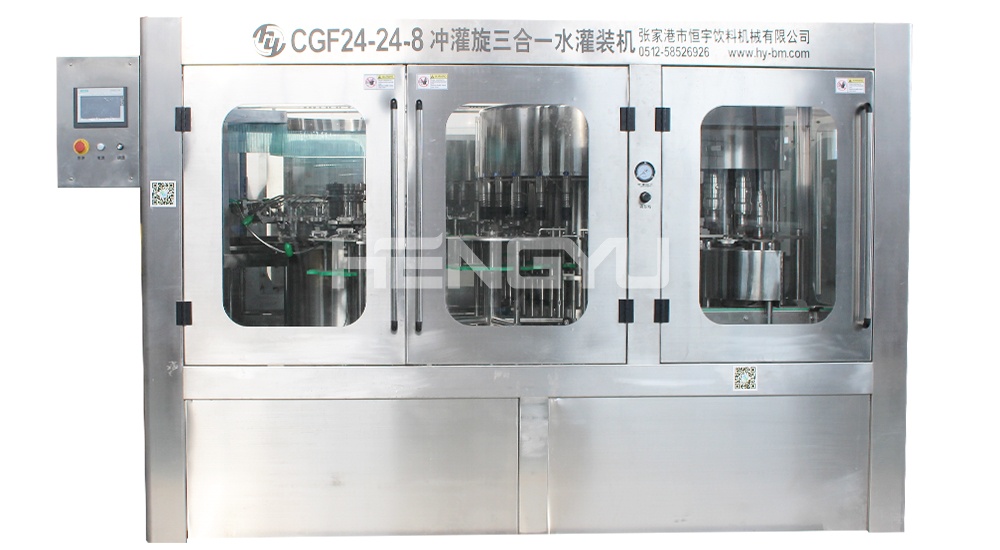
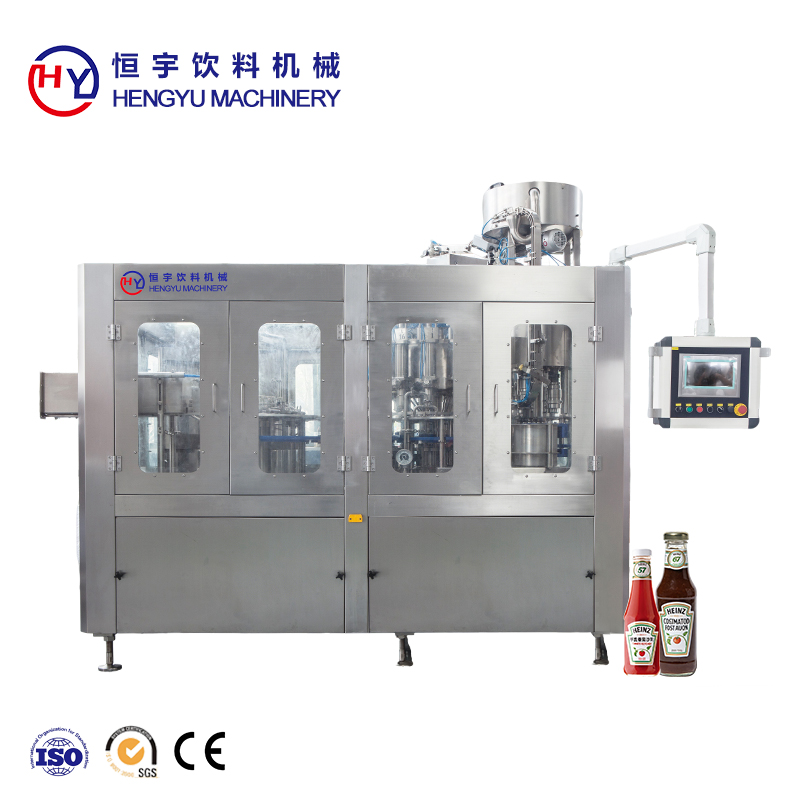
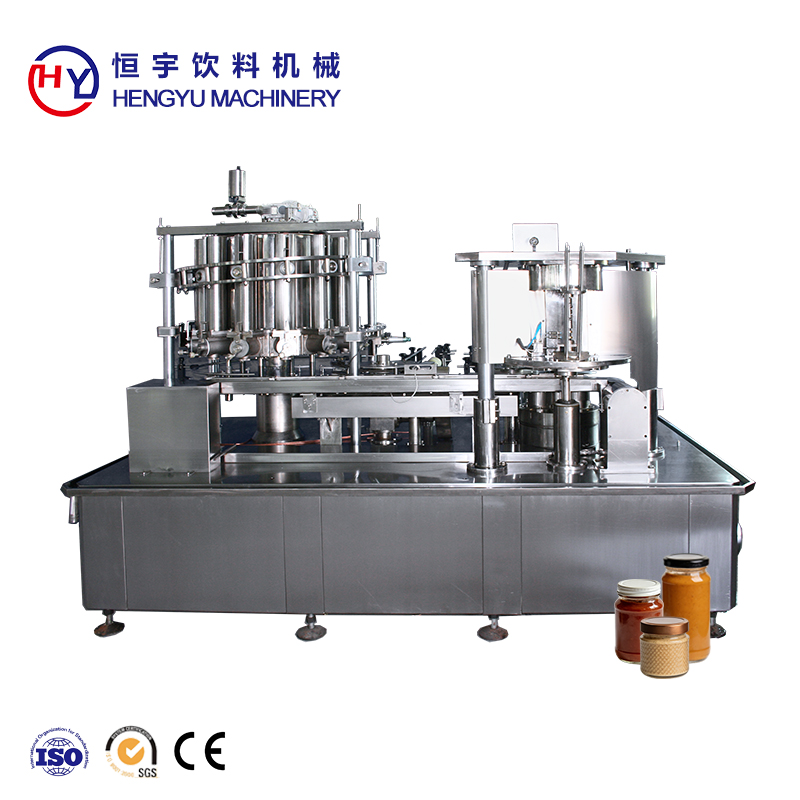
Sauce bottling equipment represents a sophisticated automated solution designed to streamline the packaging process for various liquid and semi-liquid condiments in modern food production facilities. This specialized machinery handles the complete bottling operation from container positioning through filling, capping, labeling, and final preparation for distribution. The primary functions encompass precise volume dispensing, consistent container handling, secure sealing mechanisms, and quality verification systems that work in harmony to deliver perfectly packaged products every time. The technological features integrated into contemporary sauce bottling equipment include programmable logic controllers that allow operators to adjust filling volumes with exceptional accuracy, servo-driven filling nozzles that prevent drips and waste, automatic bottle detection sensors that ensure proper positioning before dispensing begins, and touchscreen interfaces that simplify operation and reduce training requirements. These systems accommodate diverse container types ranging from small squeeze bottles to large industrial jars, adapting seamlessly to different production requirements through quick-change tooling and adjustable conveyor configurations. The equipment proves invaluable across multiple applications including hot sauce production, ketchup manufacturing, mayonnaise packaging, salad dressing bottling, barbecue sauce filling, and specialty condiment preparation. Food processing plants, condiment manufacturers, contract packaging facilities, and artisanal sauce makers all benefit from implementing this technology into their production lines. The versatility extends to handling products with varying viscosities, from thin vinegar-based sauces to thick paste-like consistencies, maintaining filling accuracy regardless of product characteristics. Sanitary design principles govern the construction of sauce bottling equipment, featuring stainless steel contact surfaces, tool-free disassembly for thorough cleaning, and compliance with food safety regulations that protect consumer health while maintaining product integrity throughout the packaging process.

New Product Releases

Investing in sauce bottling equipment delivers transformative benefits that directly impact your bottom line and operational efficiency. The automation eliminates the physical strain and time consumption associated with manual bottling, allowing your team to redirect their energy toward value-adding activities such as quality control, recipe development, and business growth initiatives. Production speed increases dramatically as modern machines fill hundreds of containers per hour compared to the dozens possible through hand-filling methods, enabling you to meet larger orders, expand into new markets, and respond quickly to seasonal demand fluctuations without hiring additional staff. Consistency becomes your competitive advantage because every bottle receives exactly the measured amount of product, eliminating the costly variations that occur with manual filling where human fatigue and distraction lead to overfilling that wastes product or underfilling that disappoints customers and violates labeling regulations. The precision reduces product giveaway, which means the sauce you produce goes into sellable containers rather than being lost to spillage, drips, and measurement errors that accumulate into significant financial losses over time. Cleanliness standards improve substantially as enclosed filling systems minimize exposure to environmental contaminants, reducing the risk of spoilage and extending shelf life while demonstrating your commitment to food safety during inspections and audits. The professional appearance of uniformly filled and sealed bottles enhances brand perception, making your products look as premium on retail shelves as established competitors, which translates into consumer confidence and willingness to try your offerings. Flexibility allows you to package multiple product lines using the same equipment through simple adjustments, eliminating the need to purchase separate machinery for different sauce varieties and maximizing your return on investment. Maintenance requirements remain minimal with proper care, as quality equipment features durable components designed for extended service life, and many suppliers provide technical support, spare parts availability, and training resources that keep your operation running smoothly. The data collection capabilities built into modern systems provide valuable insights into production metrics, helping you identify efficiency opportunities, track batch information for traceability, and make informed decisions about scaling operations. Labor costs decrease not only through reduced staffing needs but also by minimizing workplace injuries associated with repetitive motions and heavy lifting, creating a safer environment while lowering insurance premiums and workers compensation claims.

Practical Tips

How to Choose a Glass Bottle Filling Machine for Beverage Production

06

Mar

How to Choose a Glass Bottle Filling Machine for Beverage Production

Match Filling Technology to Beverage Type and Sensitivity Counter-Pressure Fillers for Carbonated Beverages and Beer Carbonated drinks like soda, sparkling water and beer need careful filling techniques to keep their fizz intact while avoiding exc...
View More
Increasing Capacity in Bottled Water Production Lines

09

Mar

Increasing Capacity in Bottled Water Production Lines

Diagnosing Bottlenecks in Your Bottled Water Production Line Measuring Throughput Gaps: Bottling Speed, Changeover Time, and OEE Analysis To get a handle on where production is falling short, look at three key performance indicators. Start by compa...
View More
How Bottled Water Production Lines Maintain Product Safety

12

Mar

How Bottled Water Production Lines Maintain Product Safety

Regulatory Foundations and the Multi-Barrier Safety Framework FDA, EPA, and ISO Standards Specific to Bottled Water Production Lines The bottled water industry works within a pretty strict set of regulations. The FDA has these things called Good Ma...
View More
Can Filling Machine Capacity Planning Guide

22

Mar

Can Filling Machine Capacity Planning Guide

Understanding Can Filling Machine Capacity: Theory vs. Real-World Performance Why Theoretical Capacity Rarely Matches Effective Output on Can Filling Lines When companies talk about canning speed at 100 cans per minute, they're referring to what ha...
View More

Get a Free Quote

Our representative will contact you soon.
Email
Name
Phone/WhatsApp
Required Product
Message
0/1000

sauce bottling equipment

Precision Volumetric Control Technology

Precision Volumetric Control Technology

The precision volumetric control technology embedded within sauce bottling equipment represents a revolutionary advancement that fundamentally changes how manufacturers approach product consistency and cost management. This sophisticated system employs multiple measurement methodologies including piston fillers, peristaltic pumps, and time-pressure mechanisms, each selected based on the specific characteristics of your sauce formulation. Piston fillers excel with thick products like barbecue sauce and mayonnaise, using a cylinder and piston arrangement that draws a precise volume into a chamber before dispensing it into containers with mechanical certainty that remains unaffected by viscosity variations or temperature changes throughout production runs. Peristaltic systems shine when handling particulate-laden sauces containing chunks of vegetables, herbs, or spices, as the gentle squeezing action of rotating rollers against flexible tubing moves product without damaging delicate ingredients while maintaining volumetric accuracy. Time-pressure filling works beautifully for thinner products such as hot sauce and vinaigrettes, using electronically controlled valves that open for calculated durations calibrated to dispense exact amounts based on product flow characteristics. The control systems integrate load cells and feedback sensors that continuously verify dispensed volumes, automatically compensating for changes in product temperature, supply pressure, and other variables that would compromise accuracy in less sophisticated equipment. Operators access intuitive interfaces where they input desired fill volumes, and the system translates those specifications into precise mechanical actions without requiring mathematical calculations or trial-and-error adjustments. This capability proves especially valuable during product changeovers, as switching from filling eight-ounce bottles to sixteen-ounce jars requires only entering new parameters rather than physically reconfiguring machinery or conducting extensive testing. The financial implications become apparent when calculating annual savings from eliminating overfill, as reducing excess product in each container by even a small percentage multiplies across thousands of units into substantial recovered revenue. Quality control benefits extend beyond cost savings, as consistent fill levels ensure that consumers receive the promised quantity, protecting your reputation and preventing regulatory complications that arise from short-filling violations. The technology also supports portion control for foodservice applications where exact serving sizes matter for nutritional labeling and cost projections in restaurants and institutional kitchens.
Hygienic Design and Sanitation Efficiency

Hygienic Design and Sanitation Efficiency

Hygienic design principles incorporated into sauce bottling equipment address the critical intersection of food safety requirements and operational practicality that determines long-term success in condiment manufacturing. Every surface that contacts your product features high-grade stainless steel construction, specifically chosen for its non-reactive properties that prevent flavor contamination, its resistance to corrosion from acidic ingredients common in sauce formulations, and its smooth finish that denies bacteria the microscopic crevices where they establish colonies. The equipment architecture eliminates horizontal surfaces where product might accumulate, incorporates rounded corners that facilitate complete cleaning, and utilizes sloped drainage that ensures sanitizing solutions reach every zone during washdown procedures. Quick-disconnect fittings allow operators to separate filling nozzles, product pathways, and reservoir components without tools, transforming what once required hours of disassembly into a rapid process that maintains production schedules while ensuring thorough sanitation between batches or when switching between product varieties. Clean-in-place systems available on advanced models circulate cleaning solutions and hot water through internal pathways, automatically executing sanitization protocols that remove product residue, eliminate microbial contamination, and prepare equipment for the next production run without manual scrubbing or dismantling. The open frame construction provides visual access to all components, enabling inspection teams to verify cleanliness and identify any maintenance needs during routine walkthroughs, while also simplifying the physical cleaning process by allowing spray washdown from multiple angles. Compliance with regulatory standards including FDA requirements and USDA guidelines comes built into the design, giving you confidence during inspections and audits while protecting consumers from foodborne illness risks. The sanitation efficiency reduces downtime between production runs, as faster cleaning cycles mean more productive hours available for filling operations, directly improving your daily output without purchasing additional equipment or expanding facility space. Product quality benefits emerge from the elimination of cross-contamination between batches, ensuring that your garlic-herb marinade does not carry flavor notes from the sweet teriyaki sauce produced earlier, maintaining the distinct taste profiles that define your brand identity. Documentation capabilities assist with traceability requirements, as many systems record cleaning cycles and maintenance activities, creating the paper trail that demonstrates due diligence and facilitates rapid response if quality issues emerge in distributed products.
Versatile Container Accommodation and Format Flexibility

Versatile Container Accommodation and Format Flexibility

The versatile container accommodation capabilities built into modern sauce bottling equipment deliver unprecedented format flexibility that empowers manufacturers to respond dynamically to market opportunities and consumer preferences without capital investments in multiple specialized machines. Adjustable conveyor systems feature tool-free width modifications that adapt to containers ranging from narrow hot sauce bottles measuring less than two inches in diameter to wide-mouth jars exceeding six inches, accomplished through simple hand-wheel adjustments or push-button controls that reposition guide rails in seconds rather than requiring mechanical expertise or production shutdowns. Height accommodation spans from small sample sizes perfect for promotional giveaways and restaurant table service to family-sized containers that appeal to retail customers seeking value, with filling nozzles that automatically raise and lower to optimal dispensing positions that prevent splashing while maintaining fill speed. The systems handle diverse container materials including glass, plastic, and squeezable tubes, each presenting unique handling characteristics that the equipment manages through adjustable gripping pressure, variable conveyor speeds, and customizable stabilization techniques that prevent tipping or damage during the filling process. Neck finish compatibility extends across standard closures from narrow twenty-four millimeter openings to wide eighty-nine millimeter mouths, with capping stations that accommodate screw caps, flip-tops, pump dispensers, and specialty closures through interchangeable tooling that converts the line for different formats during brief changeover procedures. This flexibility proves especially valuable for companies producing multiple product lines, as a single sauce bottling equipment investment supports your entire portfolio rather than requiring separate machinery for different brands or package formats. Seasonal product launches become logistically feasible, as introducing limited-edition flavors in distinctive bottle shapes does not necessitate equipment purchases that would remain idle after the promotional period ends. Private label opportunities expand because you can accommodate the specific packaging requirements of retail partners who specify particular container styles that align with their brand aesthetics and shelf positioning strategies. The economic advantages compound over time, as your production capabilities remain relevant despite changing market trends, protecting your equipment investment from obsolescence while competitors using dedicated single-format machines face costly upgrades to pursue new opportunities. Testing and product development benefit from the ability to run small batches in various package formats, gathering consumer feedback and market data before committing to large-scale production, reducing the financial risk associated with new product introductions. Contract packaging opportunities emerge as potential revenue streams, as your flexible filling capabilities allow you to offer services to smaller producers who lack their own equipment, generating income from excess capacity while building relationships within the industry.