
 CN
CN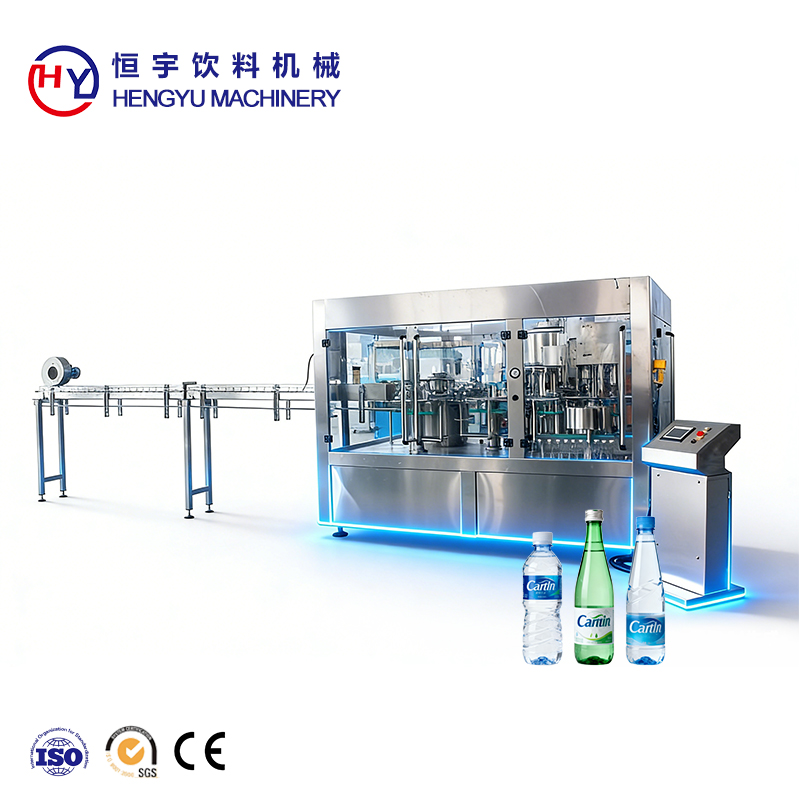
The premium beverage industry demands precision, hygiene, and consistency at every stage of production. Whether it is craft beer, sparkling water, artisanal juice, or fine wine, the packaging process is just as critical as the recipe itself. A glass bottle filling machine sits at the heart of this process, determining not only the speed of production but also the integrity of each finished product. For brands that position themselves in the premium segment, the technology behind glass bottle filling is a direct reflection of the quality they promise their customers.
Modern glass bottle filling machine technology has evolved substantially over the past decade, incorporating innovations in fluid dynamics, pressure control, and automated sanitation systems. These advancements are not incidental — they are driven by the rising expectations of premium beverage consumers and the increasingly competitive global marketplace. Understanding how this technology works, what distinguishes high-performance systems, and how to align equipment capabilities with product requirements is essential knowledge for any beverage producer aiming to compete at the top of the market.

How a Glass Bottle Filling Machine Works in Premium Beverage Production
The Core Filling Mechanism and Pressure Management
At its most fundamental level, a glass bottle filling machine operates by transferring liquid from a holding tank into glass containers with controlled speed, volume, and pressure. For premium beverages — especially carbonated ones like craft beer or sparkling wine — pressure management is not optional. It is the defining factor between a perfectly filled bottle and one that suffers from excessive foaming, underfill, or oxygen contamination. Counter-pressure filling technology is the dominant method used in high-end beverage applications precisely because it maintains the dissolved CO2 content of carbonated drinks throughout the filling cycle.
In a counter-pressure filling system, the glass bottle is first pressurized with CO2 or inert gas before the liquid enters. This equalization of pressure between the bottle and the filling tank prevents the beverage from turbulently entering the container, which would otherwise cause unwanted foaming and carbon dioxide loss. The liquid then flows gently into the bottle under carefully managed conditions. This mechanism is critical for beer in particular, where carbonation levels directly influence flavor, mouthfeel, and shelf-life stability.
Premium still beverages such as cold-pressed juices, flavored waters, and spirits require gravity or isobaric filling methods, where precise volumetric measurement ensures each bottle contains an identical amount of product. Modern glass bottle filling machines use electronic flow meters or servo-driven pumps to achieve fill accuracy within fractions of a milliliter. This level of precision is non-negotiable for brands where every bottle represents a high price point and a commitment to customer trust.
The Role of the Rinser-Filler-Capper Integrated System
The most efficient and hygienic glass bottle filling machine configurations in premium beverage plants are designed as integrated three-in-one systems. These combine rinsing, filling, and capping into a single rotary unit that handles each bottle in a continuous, synchronized flow. The rinsing stage removes dust, residual contaminants, and any microbiological traces from the interior of the glass bottle before it reaches the filling station. This step is especially important for premium beverages with natural ingredients or live cultures that are susceptible to contamination.
Following rinsing, the bottle transitions seamlessly into the filling carousel, where it receives a precise volume of product under the appropriate pressure conditions. The capper then immediately applies a crown cap, screw cap, or cork depending on the beverage type and brand identity. The integrated design minimizes the distance and time that an open filled bottle is exposed to the ambient environment, reducing oxidation risk and maintaining the sensory integrity of the product. For premium brands, this level of engineering discipline directly supports product quality claims.
The synchronization between these three functions is managed by programmable logic controllers (PLCs) that monitor speed, fill levels, cap torque, and reject any bottle that does not meet specification. A well-configured glass bottle filling machine of this integrated type can handle thousands of bottles per hour while maintaining the consistency and hygiene standards that premium beverage customers expect.
Key Technology Features That Distinguish Premium-Grade Equipment
Hygienic Design and CIP Compatibility
A glass bottle filling machine intended for premium beverage production must be built with hygienic design principles as a foundational requirement, not an afterthought. All wetted surfaces — those that come into contact with the product — should be constructed from food-grade stainless steel, typically 304 or 316L grade, which resists corrosion, bacterial adhesion, and chemical cleaning agents. Smooth welds, minimal horizontal surfaces, and self-draining geometries are characteristic features of machines designed for premium beverage environments.
Clean-In-Place (CIP) compatibility is another essential technology feature for any glass bottle filling machine operating in a premium production context. CIP systems allow the internal pathways, filling valves, and tanks to be thoroughly sanitized without dismantling the equipment. This reduces downtime, minimizes human error during manual cleaning, and ensures consistent microbial control across every production run. For beverages with low pH, natural preservatives, or live bacteria — such as kombucha or craft cider — CIP capability is a practical necessity rather than a luxury specification.
Electronic Fill Level Control and Rejection Systems
Advanced glass bottle filling machine systems incorporate electronic fill level detection technology that uses sensors to verify the correct fill height in each bottle after the filling valve closes. Infrared sensors, load cells, or vision systems can identify underfilled or overfilled bottles in real time and automatically divert them from the production line before capping. This zero-defect approach protects the brand reputation of premium beverage producers and reduces costly product waste.
Some high-end filling systems also integrate with downstream labeling and coding equipment through centralized data systems that log fill data for each individual bottle. This traceability capability is increasingly important for premium beverage brands that need to demonstrate quality control compliance for export markets or retail partnerships. The glass bottle filling machine becomes not just a production tool but a data collection point within the broader quality management system of the facility.
Variable speed drives and servo motor technology allow modern glass bottle filling machines to adjust production speed without sacrificing fill accuracy. This is particularly valuable for small-batch premium producers who run multiple product lines on the same equipment, since changeover times and format adjustments must be managed with minimal disruption to production schedules.
Matching Glass Bottle Filling Machine Specifications to Premium Beverage Types
Carbonated Beverages and Beer
Beer is arguably the most technically demanding application for a glass bottle filling machine in the premium segment. Carbonated at specific volumes of CO2, brewed with natural ingredients that are sensitive to oxygen exposure, and packaged in glass that communicates artisanal quality to consumers, craft beer requires filling equipment that addresses all of these variables simultaneously. Counter-pressure filling, long-tube filling valves, and pre-evacuation stages that remove oxygen from the bottle before filling are all standard specifications for beer-grade glass bottle filling machines in the premium category.
The oxygen pickup during filling — measured in parts per billion — is a critical metric for beer producers. Even tiny amounts of introduced oxygen can cause premature staling, flavor degradation, and shortened shelf life, all of which are catastrophic for a premium brand's reputation. High-performance glass bottle filling machines designed for beer use multiple CO2 purge cycles and carefully engineered valve geometry to keep total package oxygen (TPO) values at acceptable levels, typically below 50 ppb for most craft beer styles.
Still and Sensitive Beverages
For premium still beverages such as cold-pressed juice, specialty water, or flavored spirits, the glass bottle filling machine must offer exceptional volumetric accuracy and gentle product handling. Many natural beverages contain particulates, pulp, or herbal inclusions that can clog standard filling valves or cause inconsistent fill volumes if the equipment is not properly specified. Wide-bore filling valves, anti-drip mechanisms, and product-specific nozzle designs are technology choices that distinguish a high-quality glass bottle filling machine from a generic one.
Temperature-sensitive products such as cold-fill juices or raw fermented beverages may require the filling environment to be maintained at specific temperatures to preserve microbial stability and product viscosity. Some glass bottle filling machine installations include jacketed tanks and temperature-controlled filling environments that ensure product quality from the holding tank through to the sealed bottle. This level of process control is a hallmark of premium beverage production infrastructure.
Sparkling wines and champagnes present yet another set of requirements, where the glass bottle filling machine must handle high internal bottle pressures, accommodate traditional cork and cage closures, and integrate with temperature-controlled filling environments. The technology choices in these installations reflect decades of specialized engineering refinement driven by the exacting standards of fine wine producers.
Operational Considerations for Long-Term Performance
Changeover Flexibility and Format Compatibility
Premium beverage producers often operate diverse product portfolios with multiple bottle formats, sizes, and closure types. A glass bottle filling machine that requires extensive manual adjustment or long changeover periods between formats creates production inefficiencies that erode profitability. Modern filling systems address this through tool-free format change components, digital recipe storage in the PLC, and standardized bottle gripper systems that accommodate multiple neck diameters and heights without requiring dedicated tooling for each format.
The flexibility to switch between a 330 ml crown-capped beer bottle, a 750 ml screw-cap spirit bottle, and a 500 ml still water bottle on the same glass bottle filling machine is a significant competitive advantage for contract fillers and multi-brand beverage operations. Investments in flexible format capability pay back quickly when production scheduling demands change or when new product lines need to be launched without additional capital equipment expenditure.
Maintenance Planning and Spare Parts Availability
The long-term performance of a glass bottle filling machine depends heavily on the quality of its maintenance program and the reliability of spare parts supply. Premium beverage producers cannot afford unplanned downtime during peak production seasons, and the availability of wear parts — filling valves, seals, gaskets, and sensor components — must be factored into the total cost of ownership when selecting equipment. Machines designed with standardized components and documented maintenance intervals are significantly easier to keep in service over their operational lifetime.
Preventive maintenance schedules should be tied to production volume rather than calendar intervals alone, since a glass bottle filling machine operating at high throughput will accumulate wear faster than one running at partial capacity. Partnering with equipment suppliers who provide technical support, training, and documented maintenance protocols ensures that the production team can maintain the machine to the performance standards required for premium beverage quality.
Remote monitoring technology is increasingly available on modern glass bottle filling machine platforms, allowing equipment performance data to be transmitted to the supplier's service team for predictive maintenance analysis. This capability reduces the risk of unexpected breakdowns and allows service interventions to be planned during scheduled maintenance windows rather than in response to failure events.
FAQ
What is the difference between counter-pressure filling and gravity filling in a glass bottle filling machine?
Counter-pressure filling is used for carbonated beverages, where the bottle is pre-pressurized with CO2 before liquid enters to prevent foaming and preserve carbonation. Gravity filling relies on the weight of the liquid to flow into the bottle and is suitable for still beverages such as water, spirits, or juice. The choice between these methods depends on whether the beverage contains dissolved gas and how sensitive it is to turbulence during filling. A glass bottle filling machine designed for premium use often incorporates both capabilities to handle diverse product lines.
How does total package oxygen (TPO) relate to glass bottle filling machine selection for beer?
Total package oxygen refers to the amount of dissolved and headspace oxygen present in a sealed bottle after filling and capping. For premium beer, high TPO values cause premature staling and off-flavor development, dramatically shortening shelf life. A high-quality glass bottle filling machine minimizes oxygen pickup through CO2 pre-evacuation, gentle filling valve design, and reduced turbulence during liquid transfer. Selecting a machine with low TPO performance is one of the most critical decisions a craft brewery can make for product quality protection.
Can a single glass bottle filling machine handle multiple bottle sizes and beverage types?
Yes, many modern glass bottle filling machines are designed with format flexibility in mind, allowing producers to switch between different bottle sizes, closure types, and product categories with manageable changeover times. This requires machines equipped with adjustable components, digital recipe management, and compatible valve configurations for both carbonated and still products. For premium beverage operations with diverse product portfolios, investing in a flexible glass bottle filling machine reduces capital expenditure and improves production scheduling agility.
What hygiene standards should a glass bottle filling machine meet for premium beverage production?
A glass bottle filling machine for premium beverages should comply with recognized food safety design standards, using food-grade stainless steel for all product-contact surfaces and incorporating CIP-compatible internal pathways. The machine should be free of crevices and dead zones that could harbor bacteria, with smooth internal surfaces that facilitate complete drainage and sanitation. For beverages sold in regulated markets, the filling equipment may also need to meet specific certifications relevant to the product category and target geography. Hygienic design is not just a regulatory requirement — it is a brand protection investment for any premium beverage producer.
Table of Contents
- How a Glass Bottle Filling Machine Works in Premium Beverage Production
- Key Technology Features That Distinguish Premium-Grade Equipment
- Matching Glass Bottle Filling Machine Specifications to Premium Beverage Types
- Operational Considerations for Long-Term Performance
-
FAQ
- What is the difference between counter-pressure filling and gravity filling in a glass bottle filling machine?
- How does total package oxygen (TPO) relate to glass bottle filling machine selection for beer?
- Can a single glass bottle filling machine handle multiple bottle sizes and beverage types?
- What hygiene standards should a glass bottle filling machine meet for premium beverage production?