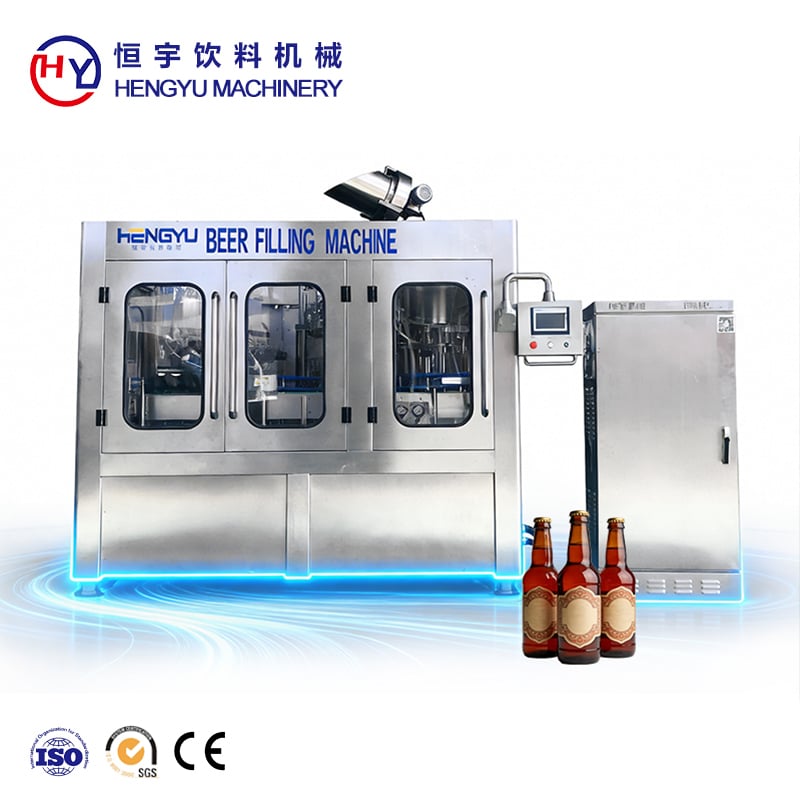
Why Dissolved Oxygen Threatens Beer Shelf Life Dissolved oxygen (DO) is one of the most critical quality parameters in beer packaging. Even trace amounts introduced during canning trigger oxidative reactions that degrade hop compounds—eroding...
VIEW MORE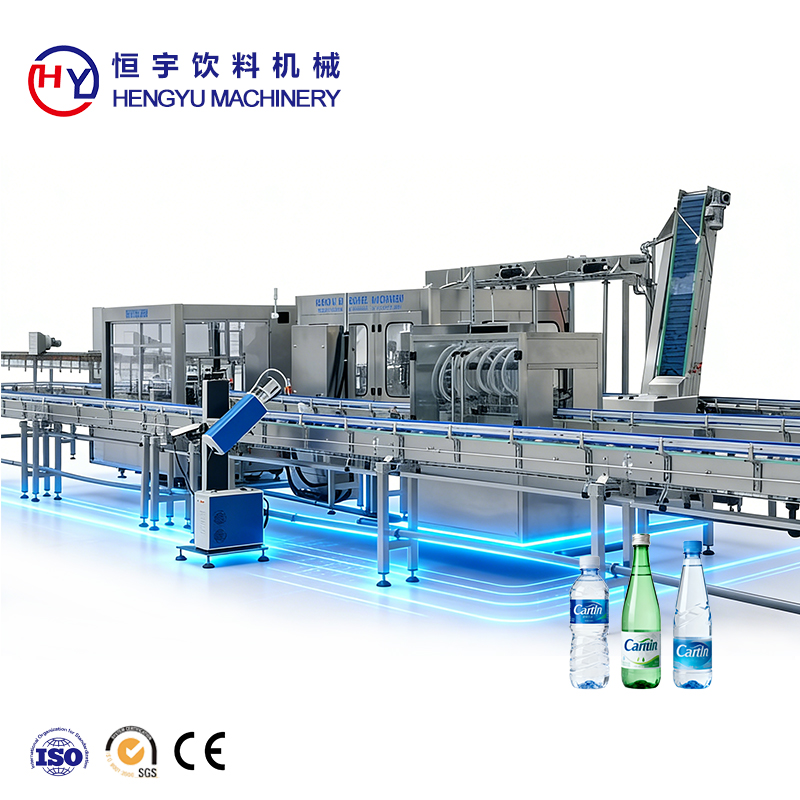
Selecting the right water filling machine is one of the most critical investment decisions a beverage producer can make. Whether you operate a small bottling facility or manage large-scale production, the water filling machine you choose will directl...
VIEW MORE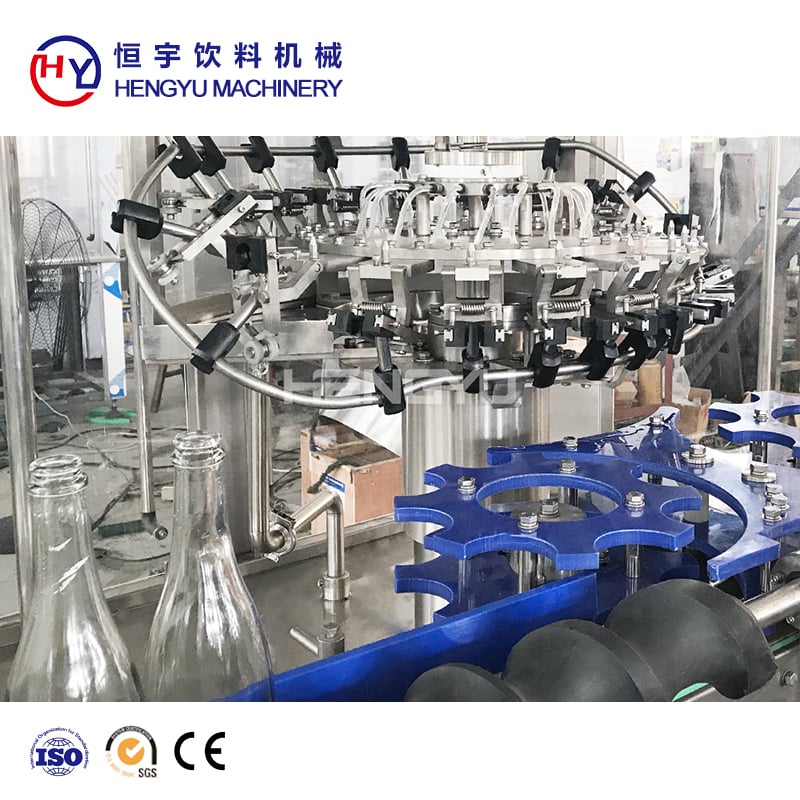
Counter-Pressure Valve High Carbonation Flow Dynamics Cavitation and Two-Phase Flow Instability During Rapid Depressurization In high-carbonation filling, sudden pressure drops across the counter-pressure valve can instantly convert dissolved CO₂ i...
VIEW MORE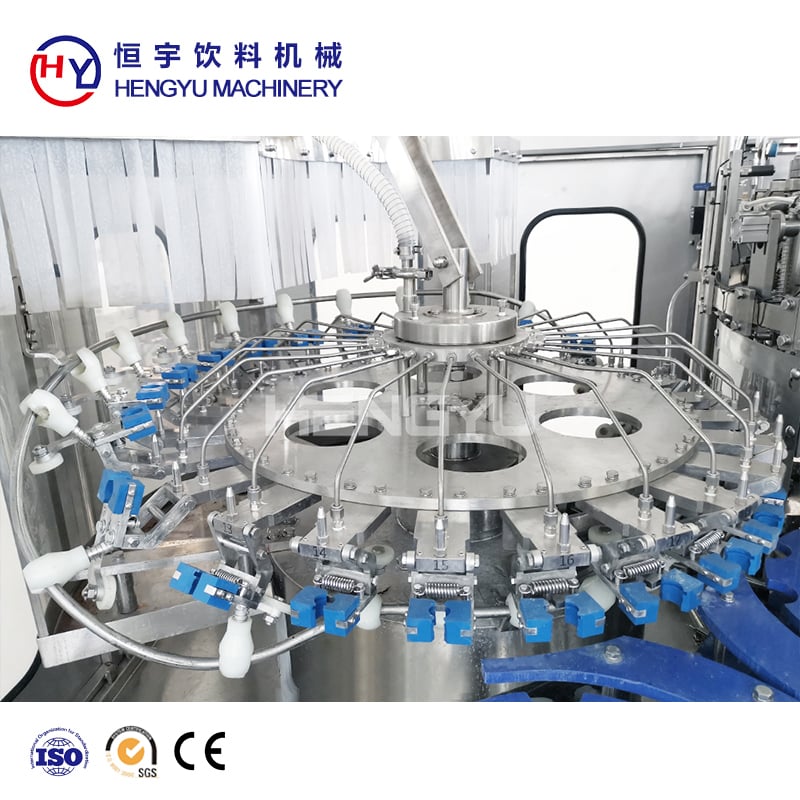
The Science Behind Nitrogen Dosing: How It Boosts Can Rigidity Liquid Nitrogen Phase Change and Internal Pressurization Mechanics When a precisely metered dose of liquid nitrogen (LN₂) is injected into a beverage can just before sealing, it undergo...
VIEW MORE
What Is FOM Technology and How Does It Redefine Rotary Filling?The Shift from Index-and-Stop to Continuous Motion FillingConventional rotary fillers rely on an index-and-stop method: bottles move into position, pause for filling, then advance. This s...
VIEW MORE
Space Optimization Strategies for Compact Beverage Production FacilitiesModular Zoning to Maximize Utility and Minimize Cross-ContaminationModular zoning divides a compact beverage production floor into distinct functional areas—raw material handling...
VIEW MORE
Disinfection Efficacy: Pathogen Inactivation and Process ReliabilityIn bottled water pre-treatment, the choice between UV sterilization and ozonation directly impacts microbial safety and process reliability. UV damages nucleic acids instantly; ozone...
VIEW MORE
The Core Challenge: Timing Precision at High SpeedWhy Timing Drift Occurs Above 200 BPM and Its Impact on Label Placement AccuracyWhen filling lines exceed 200 bottles per minute (BPM), the label application window shrinks to under 50 milliseconds—le...
VIEW MORE
The Root Causes of Bottle Scuffing and Jams in Traditional Conveying Tech Surface Contact Mechanics: Why Belt and Roller Conveyors Scratch PET, Glass, and HDPE Bottles Traditional belt and roller conveyors rely on continuous surface contact to move b...
VIEW MORE
Root Causes of Water Waste in Bottle Rinse CyclesExcessive Flow Rates and Fixed-Duration Rinsing Without Real-Time MonitoringMany bottling lines operate rinsing stations with constant, high-pressure flow rates regardless of bottle condition. Traditio...
VIEW MORE
Core Technology Differences: How Aseptic and Hot Filling Work for JuiceUnderstanding the fundamental sterilization and filling mechanisms is critical for juice producers evaluating line investments. The two dominant technologies—aseptic filling and h...
VIEW MORE
Why Energy Recovery Is Critical for Can Filling Plant SustainabilityRising Energy Intensity in High-Speed Canning LinesModern can filling lines routinely exceed 2,000 cans per minute—driving sharp increases in energy consumption per unit. A 2023 indu...
VIEW MORE
 CN