Mechanical Performance Under Carbonation Pressure: Ensuring Initial Seal Integrity Selecting the right crown cap liner material is critical for seal integrity in carbonated beer, where internal pressures of 3–5 bar challenge the closure from ...
VIEW MORE
The Science Behind Condensation-Induced Label Failure How Surface Condensation Forms on Chilled Glass Bottles When chilled glass bottles exit a filling line into warmer, humid ambient air, their surface temperature often drops below the dew point&m...
VIEW MORE
Hygienic Surface Finish Requirements for Sanitary Welding Beer Transfer Ra ≤ 0.4 µm internal weld finish: Compliance with EHEDG Guideline 35 and 3-A S-1200 Attaining a sanitary internal weld requires a surface roughness average (Ra) of &le...
VIEW MORE
Why Inline DOTPO Monitoring Is Essential for Beer Freshness Oxygen’s Role in Flavor Degradation: The 50 ppb Threshold and Oxidation Cascade Oxygen is the silent enemy of beer freshness, triggering a cascade of chemical reactions that convert ...
VIEW MORE
Material-Specific Infeed Screw Design for Dent Prevention Designing infeed screws for lightweight aluminum cans requires material-specific approaches to prevent denting during high-speed handling. The following sections detail the thermal-viscoelas...
VIEW MORE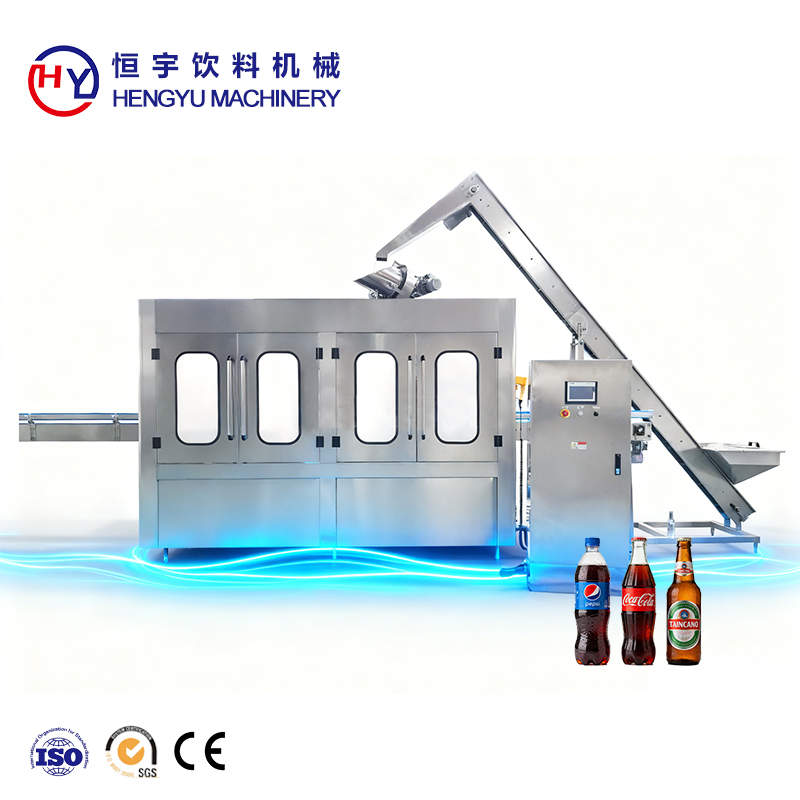
Carbonated drink filling machines represent a critical investment for beverage manufacturers seeking to optimize production efficiency and product quality. One of the most significant challenges in carbonated beverage production is managing foam loss...
VIEW MORE
Why Backpressure Regulation Directly Controls Fill Height in Sparkling Wine Bottling The Physics of CO₂ Pressure Loss and Its Impact on Liquid Displacement In sparkling wine bottling, fill height is not determined solely by volumetric metering&mdas...
VIEW MORE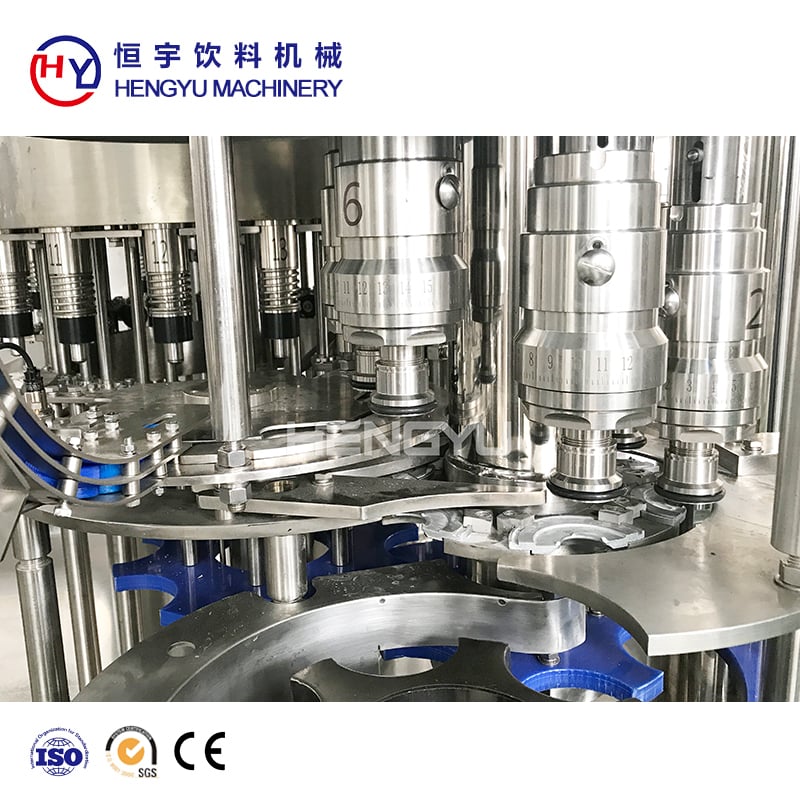
Understanding Depressurization Product Loss: Mechanisms and Root Causes During filler bowl depressurization, rapid pressure reduction in aseptic filling lines triggers two principal loss mechanisms that erode high-value product yield. Recognizing t...
VIEW MORE
How Smart Sensors Revolutionize Real-Time Process Control in NextGen Filling Monitoring critical parameters: temperature, pressure, fill level, and seal integrity with sub‑millisecond precision Modern filling lines require control loops that react ...
VIEW MORE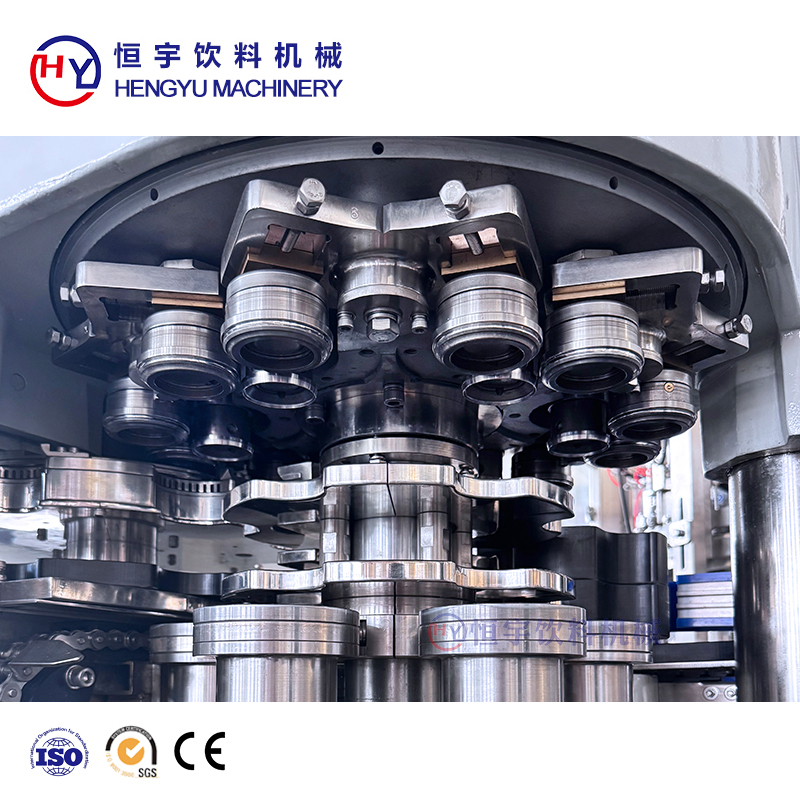
Why Vacuum Level Is a Critical Vacuum Monitoring QC Parameter The Science of Vacuum Formation During Hot Filling and Its Role in Seal Integrity The vacuum inside a sealed beer can is not passive—it’s an engineered outcome of thermal phy...
VIEW MORE
Mechanical Linkage and Timing Accuracy in Filler-Seamer Integration Precision Gear Trains and Encoder-Driven Cam Systems for Sub-Millisecond Sync Mechanical linkages in high-speed beer lines rely on precision gear trains—not belts or flexible...
VIEW MORE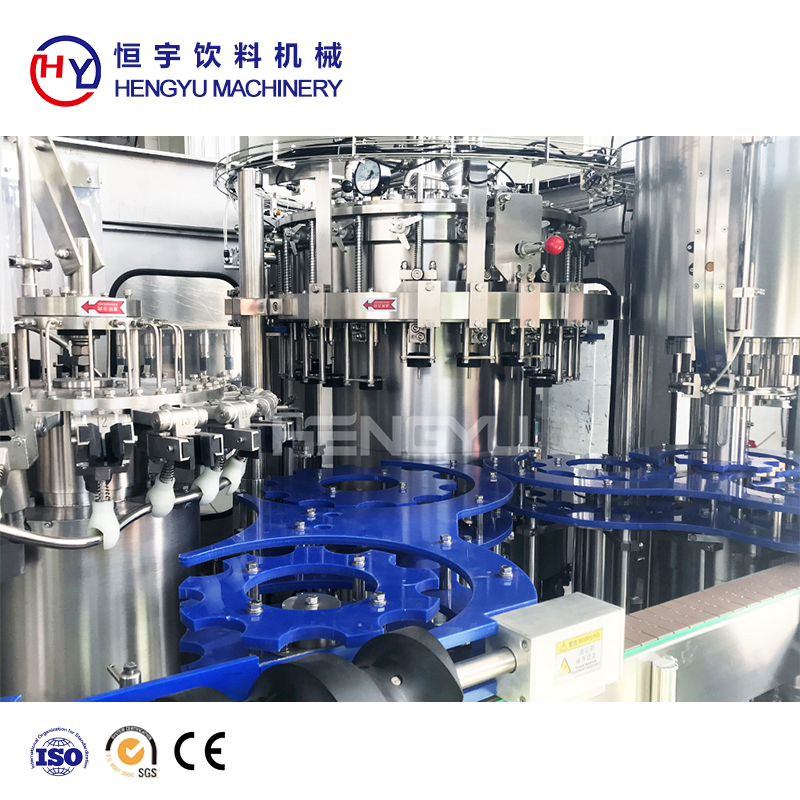
How Beer Stone Forms in Filler Valves: Chemical, Microbial, and Geometric Drivers Calcium Oxalate Crystallization and Protein-Mineral Complexes Under Brewing Conditions Beer stone originates primarily from calcium oxalate precipitation, driven by c...
VIEW MORE
 CN
CN