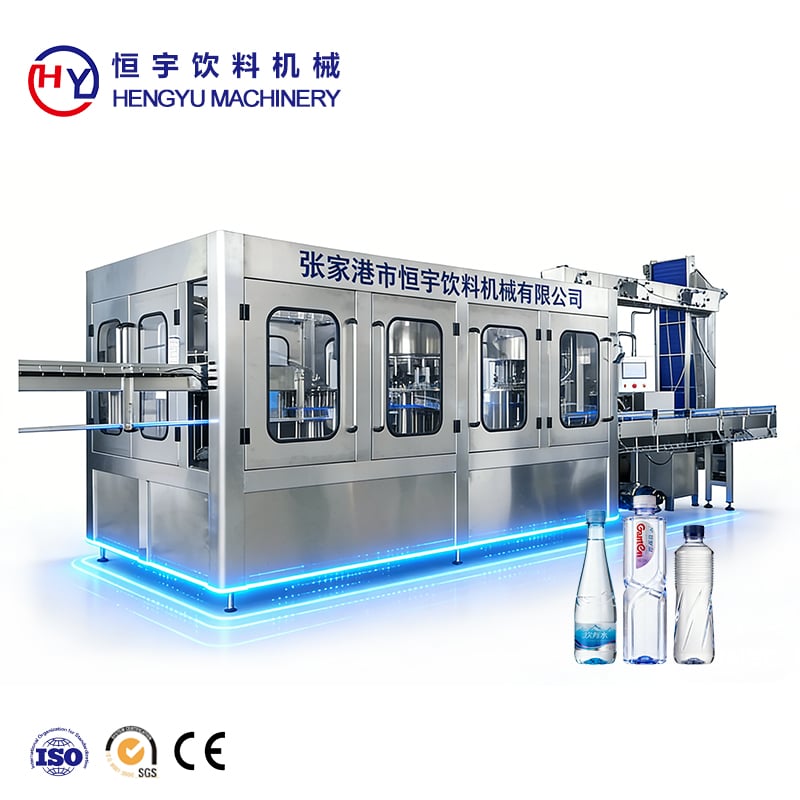
The beverage production industry is undergoing a significant transformation driven by advances in bottle filling machine automation. Modern manufacturing facilities increasingly rely on sophisticated bottle filling machine systems to meet rising dema...
VIEW MORE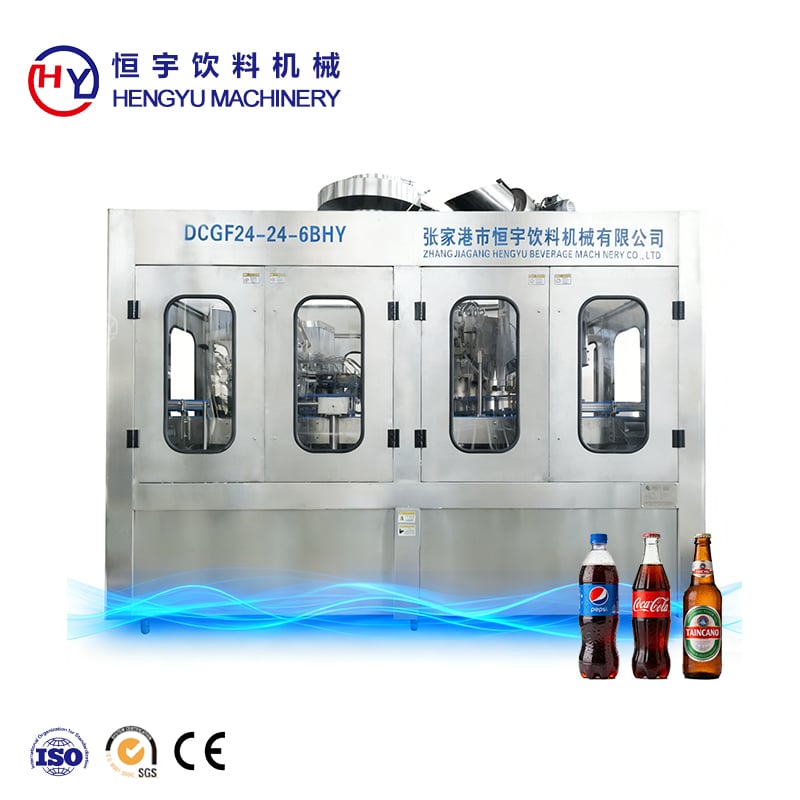
A beverage filling machine is essential infrastructure for any modern facility handling multiple beverage product lines. Whether producing water, juice, sports drinks, or specialty beverages, the right beverage filling machine directly impacts produc...
VIEW MORE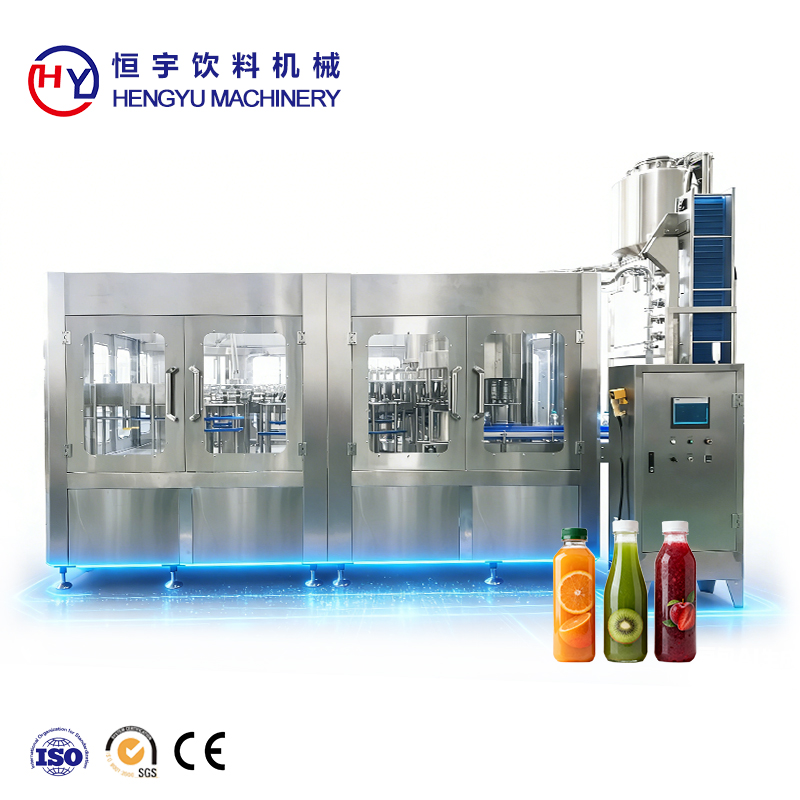
Precision and consistency are the cornerstones of modern beverage production, and achieving these goals depends critically on the performance of your beverage filling machine. Whether you operate a small craft beverage facility or a large-scale produ...
VIEW MORE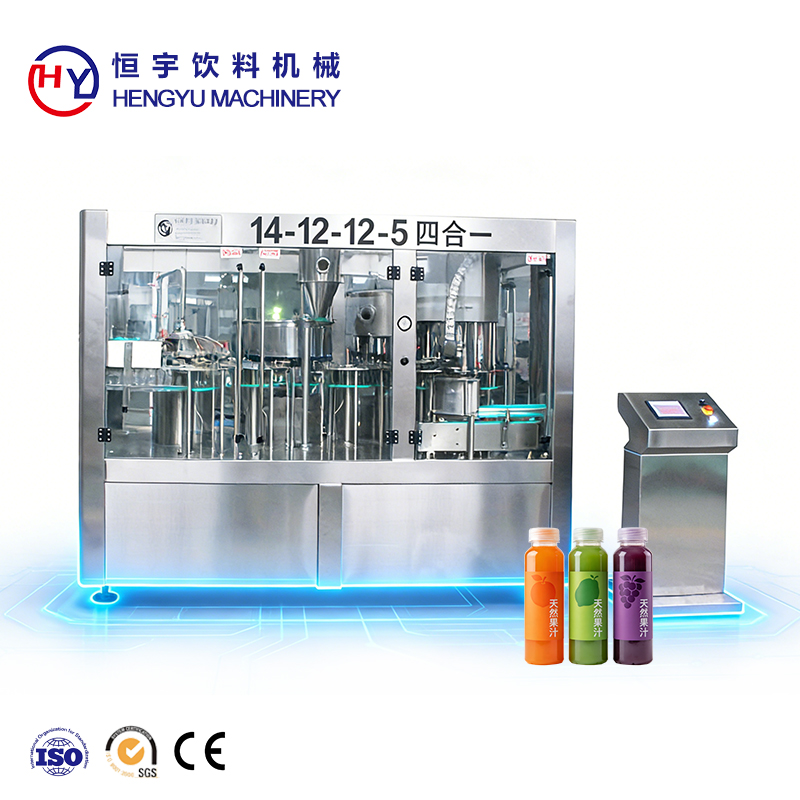
Large-scale beverage production demands precision, speed, and reliability that manual or basic beverage filling machine systems simply cannot deliver. Modern factories producing soft drinks, juices, water, and other beverages require a beverage filli...
VIEW MORE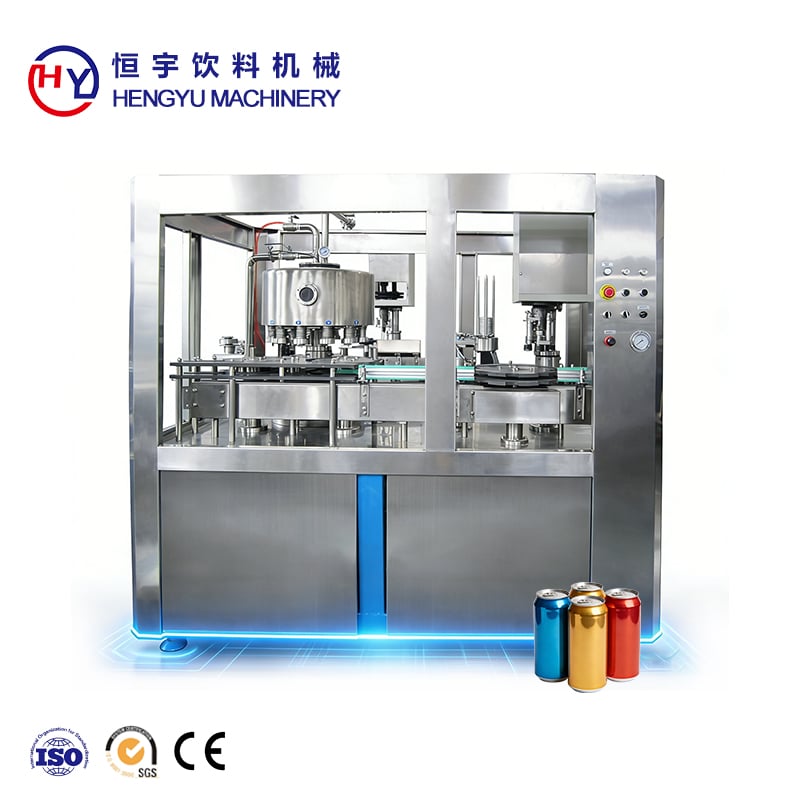
A can sealing machine is critical infrastructure in beverage and food processing facilities. When your can sealing machine underperforms, production slows, quality suffers, and costs rise rapidly. Most operators encounter seal failures, leaking cans,...
VIEW MORE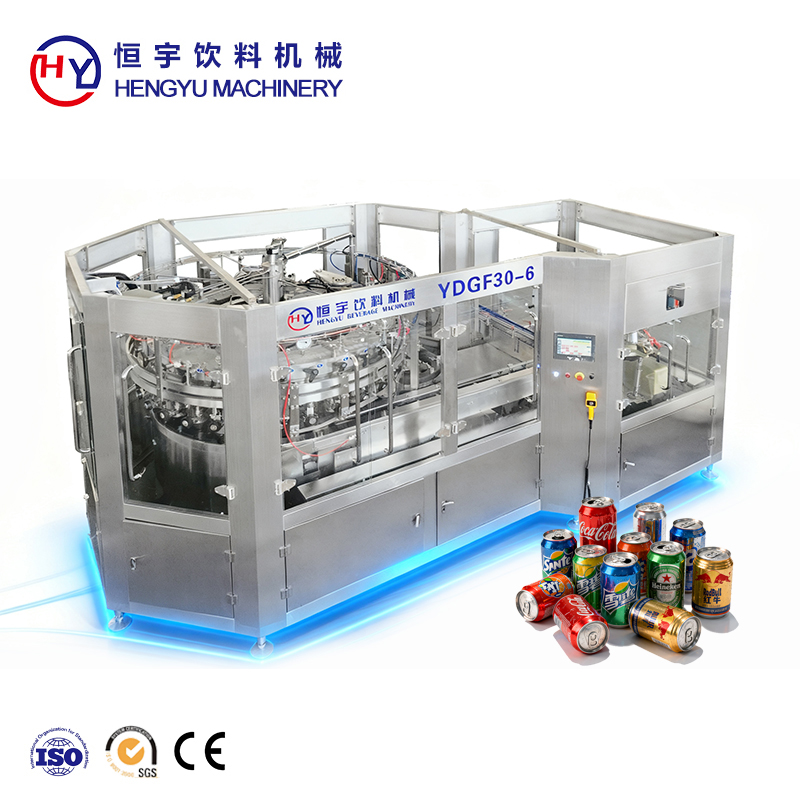
Why High-Speed Operation Demands Specialized Lubrication Requirements High-speed can sealing lines place extreme mechanical and thermal demands on gearboxes, requiring lubrication strategies that far exceed conventional approaches. At speeds above ...
VIEW MORE
How Pre-Evacuation Cycles Remove Headspace Oxygen from Beer Bottles Pre‑evacuation is a cornerstone of modern bottling lines designed to combat oxidation. By evacuating ambient air before filling, brewers dramatically reduce total packaged oxygen (...
VIEW MORE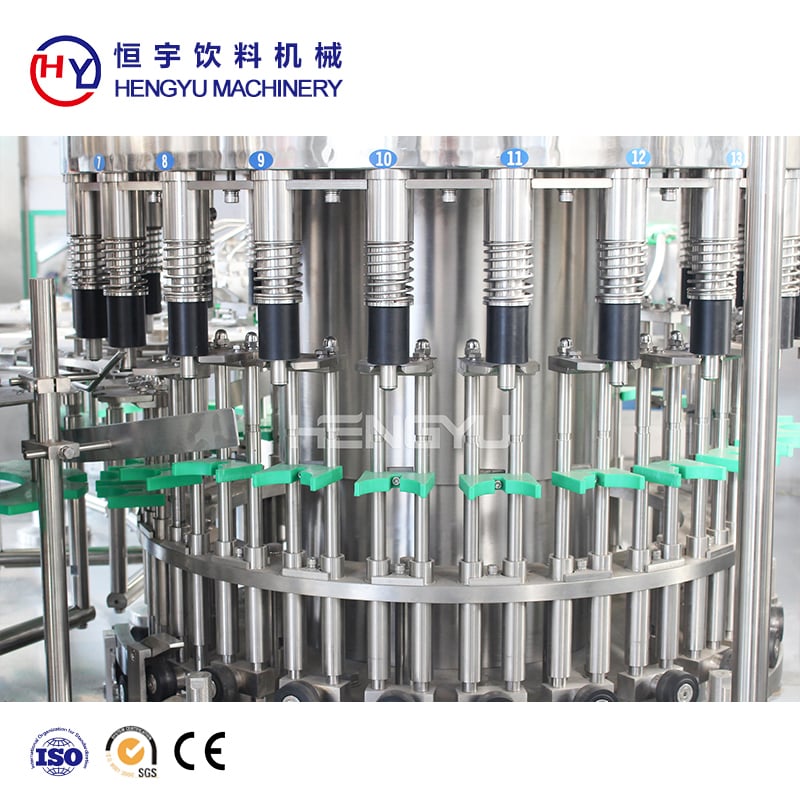
Why Bowl Pressure Stability Is Critical for CO₂ Retention The Physics Link: How Transient Pressure Disrupts Henry’s Law Equilibrium Henry’s Law governs CO₂ solubility in carbonated beverages: dissolved gas concentration is directly prop...
VIEW MORE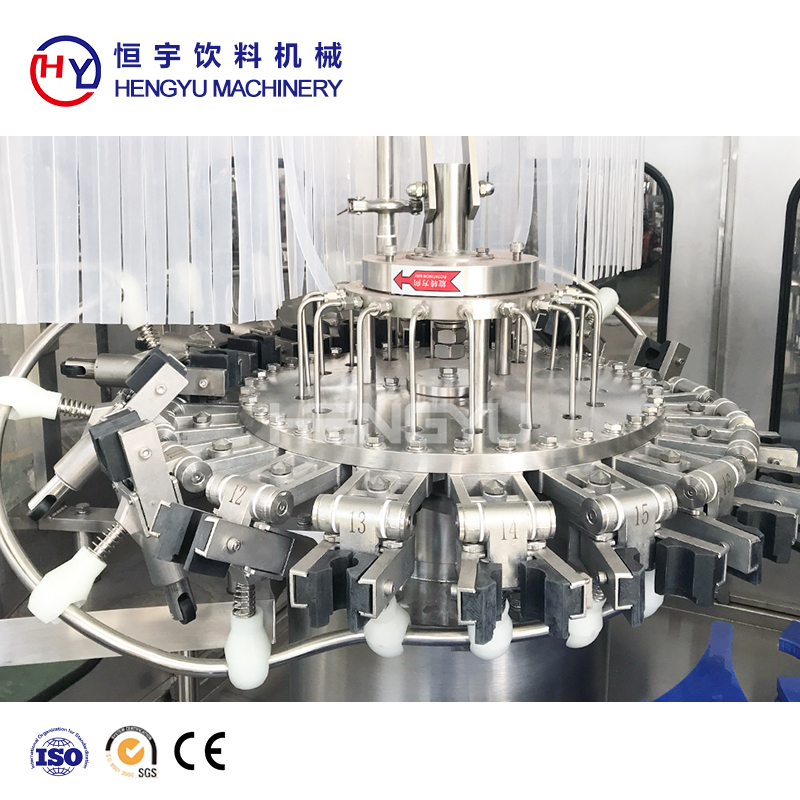
The Suck-Back Phenomenon and Its Impact on Beer Safety In high‑speed filling lines, even a momentary vacuum can undermine product integrity. The suck‑back phenomenon—a rapid pressure drop when the filling nozzle retracts—creates a pathw...
VIEW MORE
Optimizing the Cooling Jacket Refrigeration Loop for Energy Efficiency Efficient cooling jacket refrigeration loop design is critical for maintaining temperature stability in beer filler bowls while minimizing energy consumption. The glycol loop&md...
VIEW MORE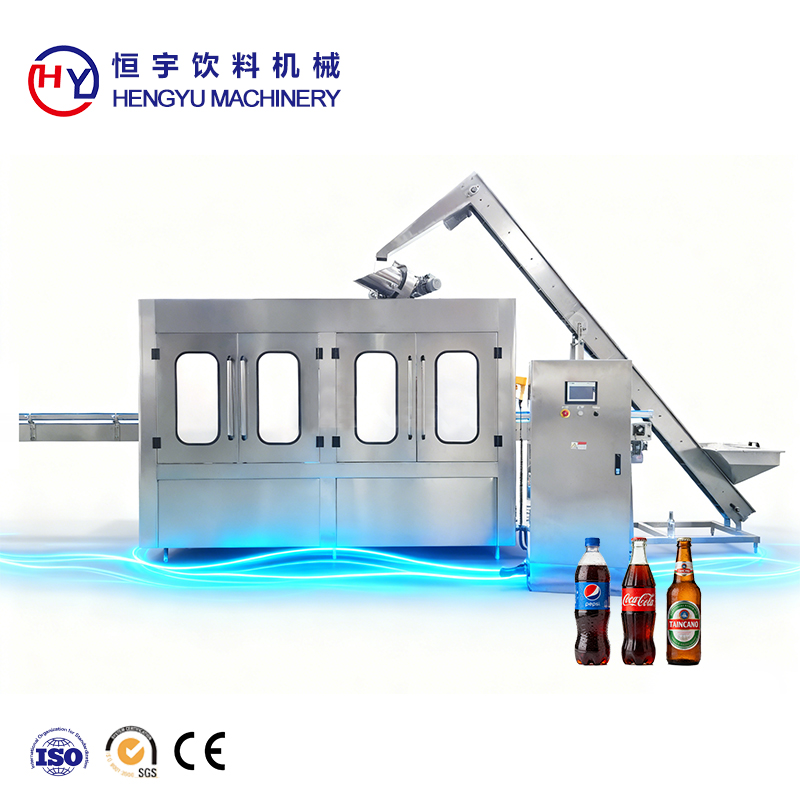
Energy saving technologies in beverage filling machines have become essential for modern production facilities seeking to reduce operational costs while maintaining high output quality. As energy expenses continue to rise globally, beverage manufactu...
VIEW MORE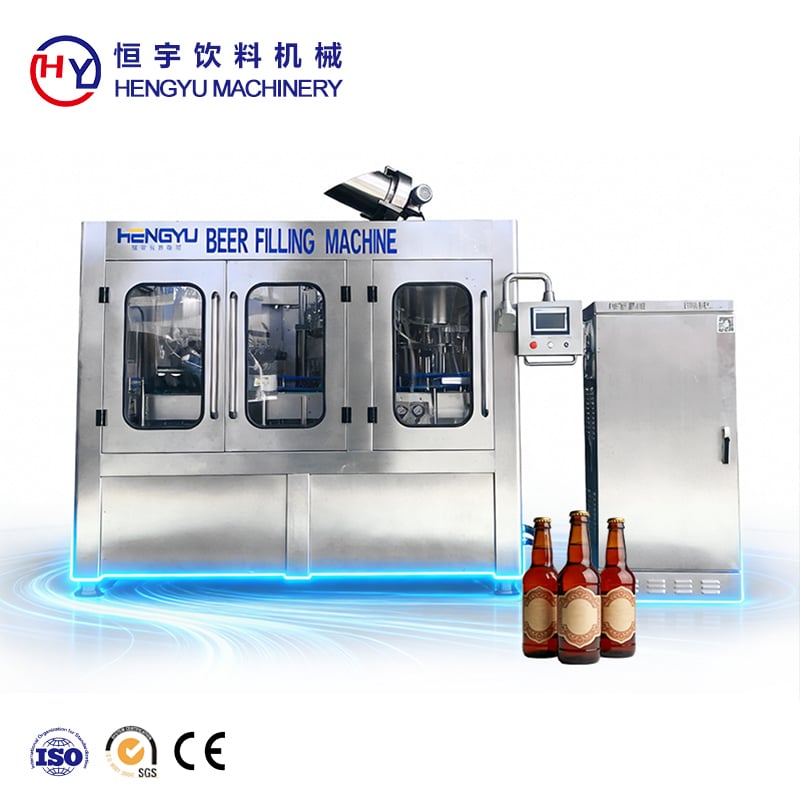
How Flow Meter Calibration Ensures Volumetric Filling Accuracy in Beer Lines The Physics Gap: Why Flow Rate ≠ Volume Without Calibration Flow meters in beer filling lines measure liquid velocity through a known cross-section and convert pulse or...
VIEW MORE
 CN
CN