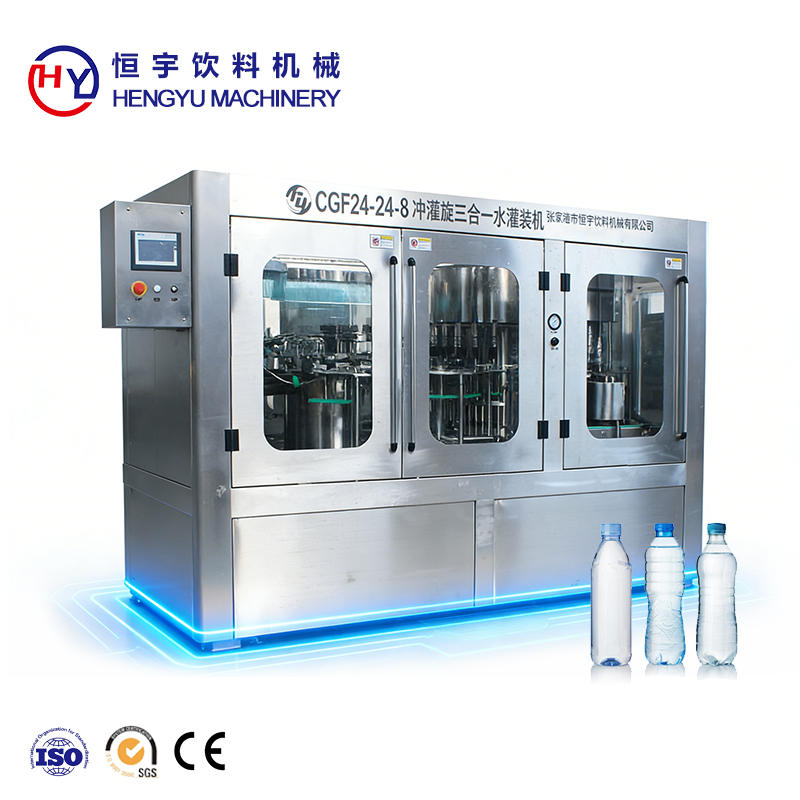
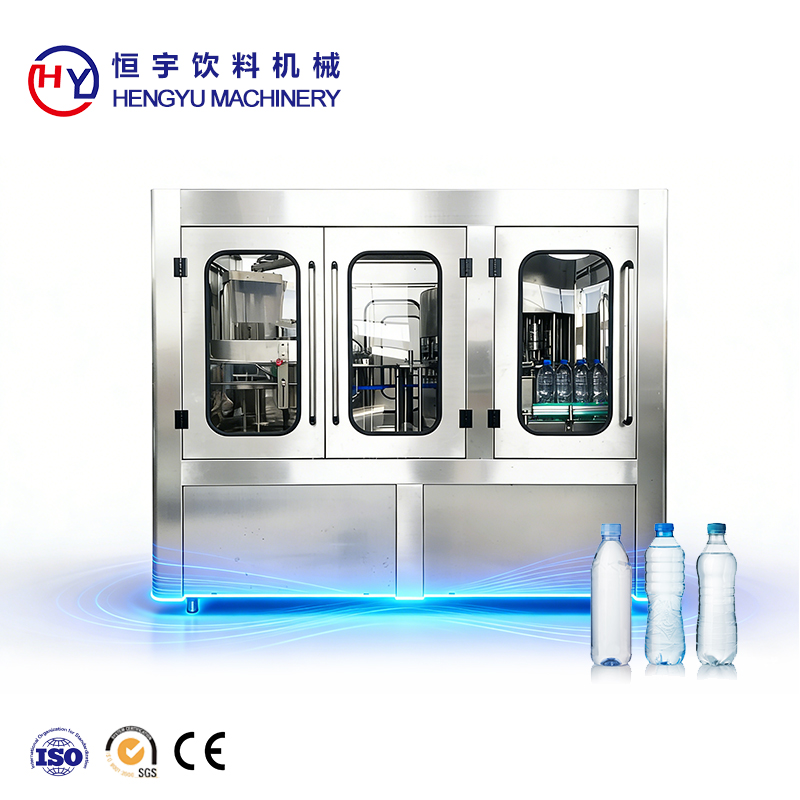
Comprehensive Automation Reduces Operating Costs Substantially
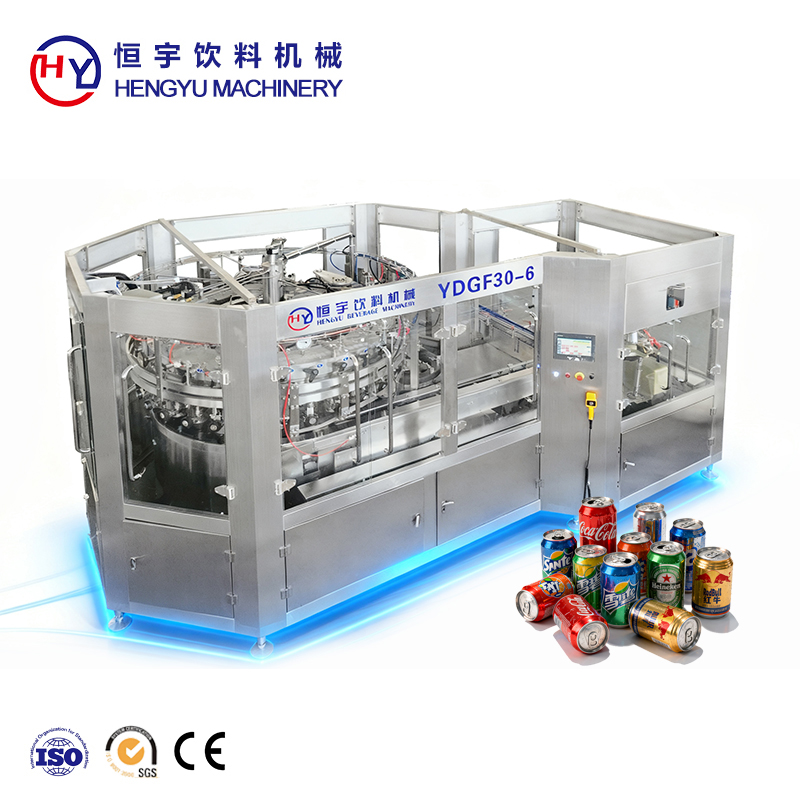
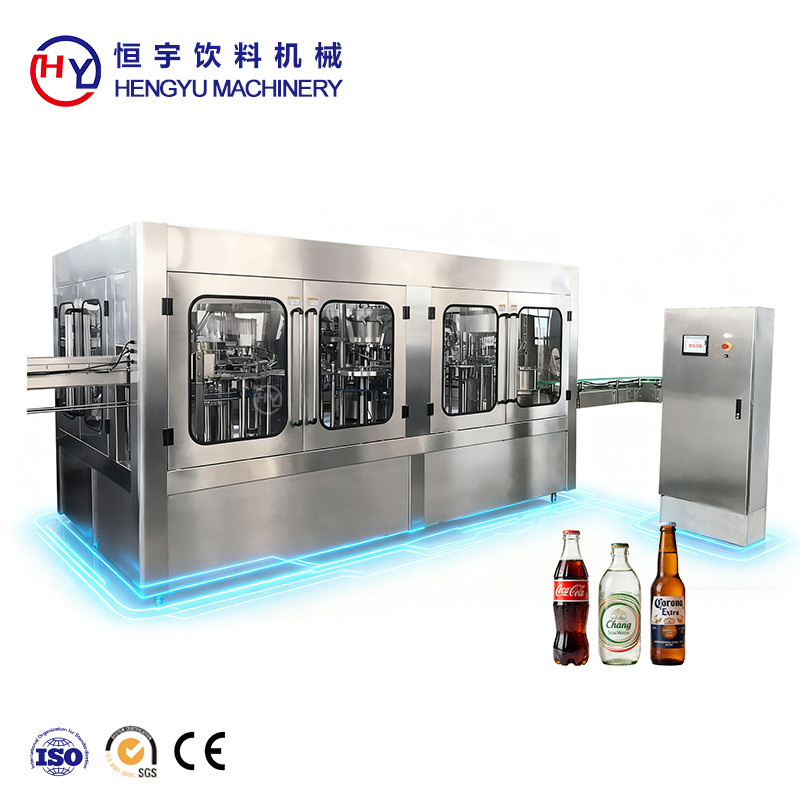
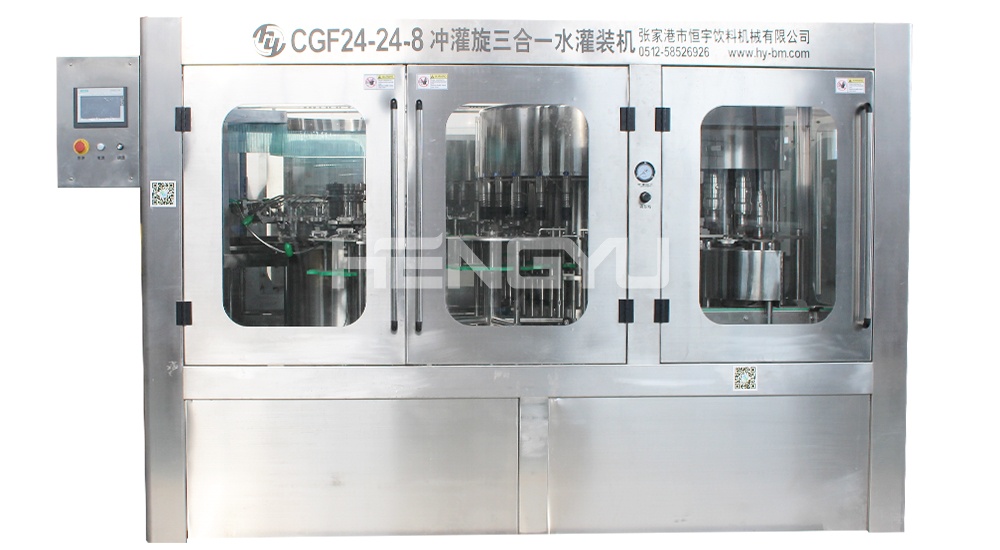
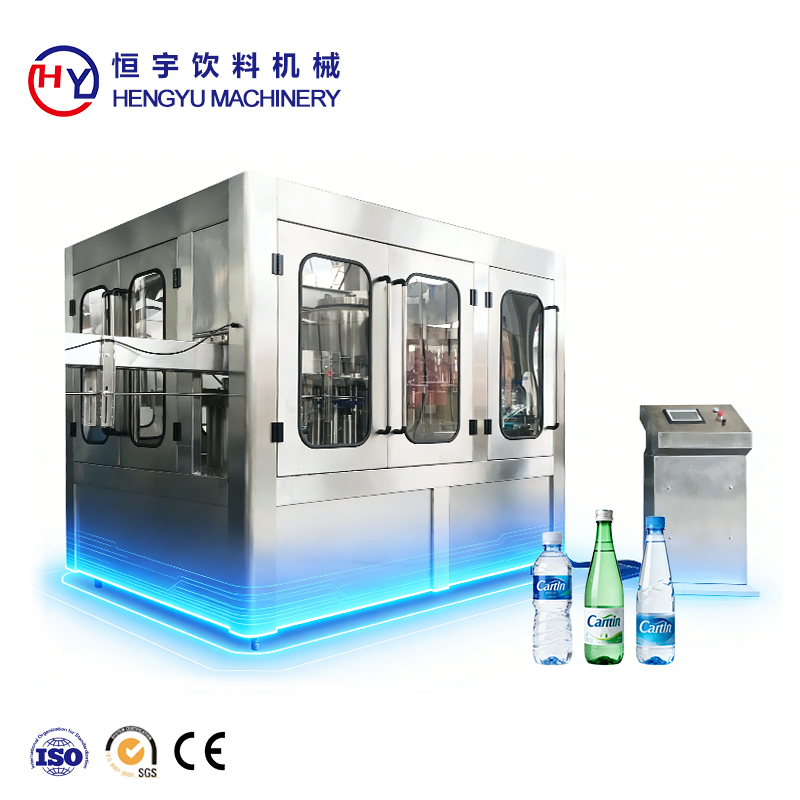
Comprehensive automation throughout the entire bottling process transforms the automatic water bottling machine from simple equipment into a complete production solution that dramatically reduces your operating costs while simultaneously improving output quality and consistency. The automation journey begins at the bottle infeed where mechanical or pneumatic systems automatically orient containers from bulk storage, arrange them in proper sequence, and deliver them to the rinsing station without manual handling. Bottle rinsing automation employs inverted spray nozzles or air jets that clean interior surfaces, removing dust particles or manufacturing residue before filling, with automated reject mechanisms removing any bottles that fail to meet cleanliness standards. The filling stage automation coordinates precise timing between bottle positioning, filling valve activation, level verification, and container release, managing these complex sequences hundreds of times per minute with flawless repeatability. Capping automation represents particularly sophisticated engineering where cap feeders sort and orient closures, delivery systems position them above filled bottles, and torque-controlled applicators secure caps with exactly the right tightness to ensure proper sealing without damaging threads or causing leakage. Labeling automation applies product information, branding elements, and regulatory compliance details with precise placement and wrinkle-free application, supporting your marketing objectives while meeting legal requirements. Quality inspection automation incorporates vision systems that verify fill levels, detect foreign particles, confirm cap presence and orientation, and validate label positioning, automatically diverting defective products before they enter finished goods inventory. Downstream automation extends to case packing where robotic systems or mechanical groupers arrange bottles into shipping configurations, load them into corrugated cases, seal containers, and prepare palletized loads ready for distribution. The comprehensive nature of this automation eliminates repetitive manual tasks that cause worker fatigue and repetitive strain injuries, improving workplace safety while reducing workers compensation insurance costs. Automation consistency prevents the quality variations inherent in human performance, eliminating expensive product recalls or customer complaints that damage brand equity. The continuous operation capability means production continues during break periods and shift changes without the ramp-up delays associated with manual processes. Remote monitoring and control interfaces enable supervisors to adjust parameters, troubleshoot issues, and optimize performance from centralized locations or even mobile devices, reducing the technical expertise required on the production floor and facilitating multi-site management for growing enterprises.

 CN
CN