water bottle filling plant
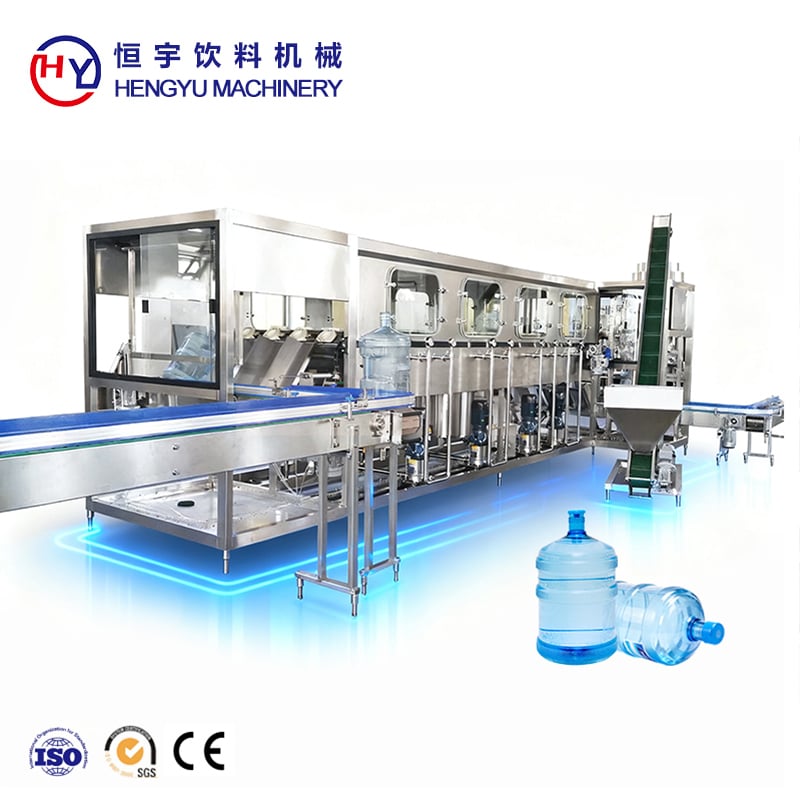
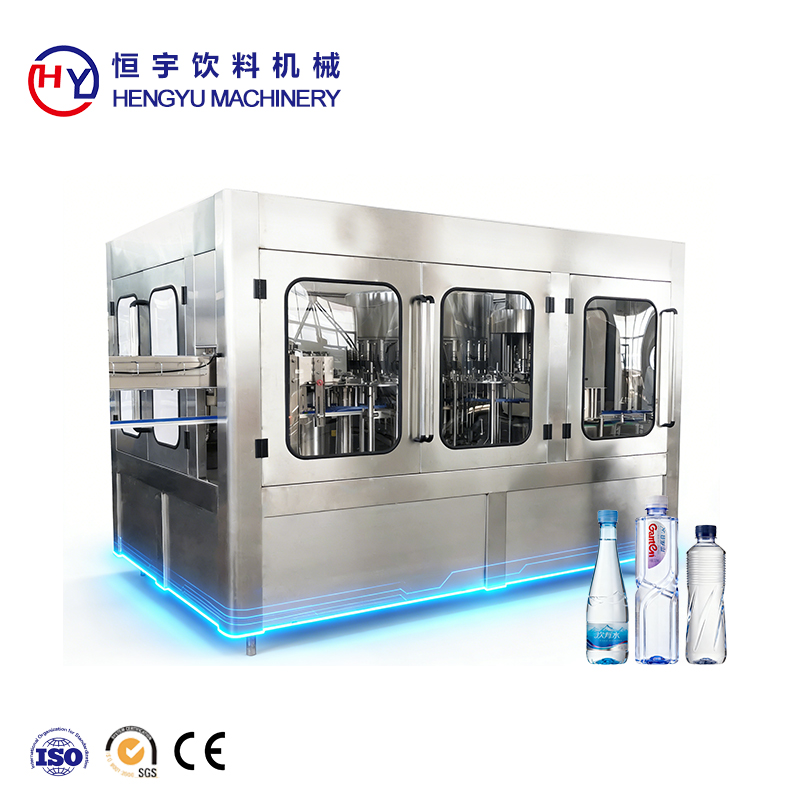
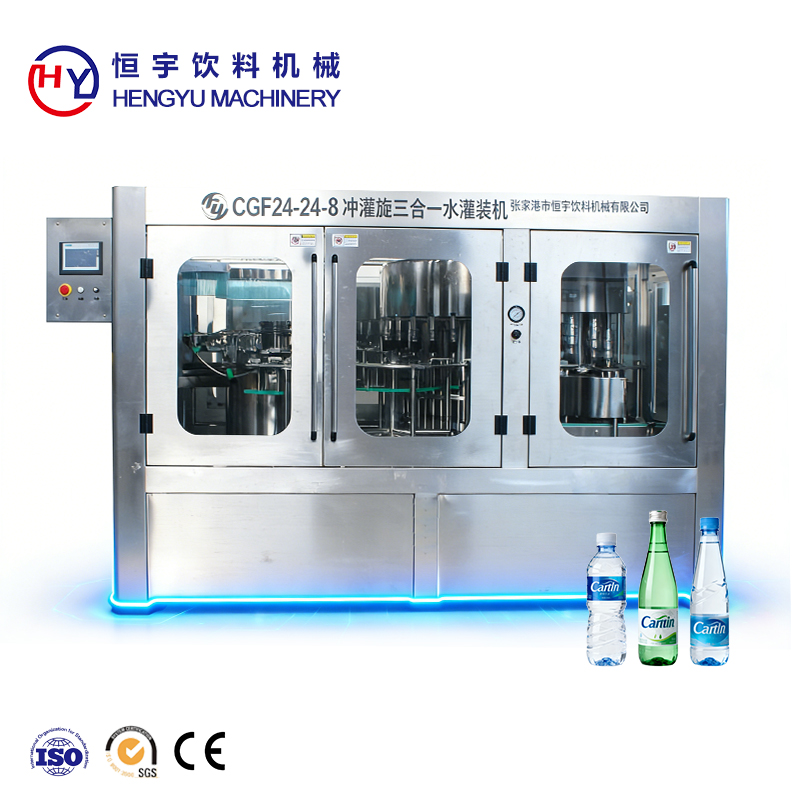
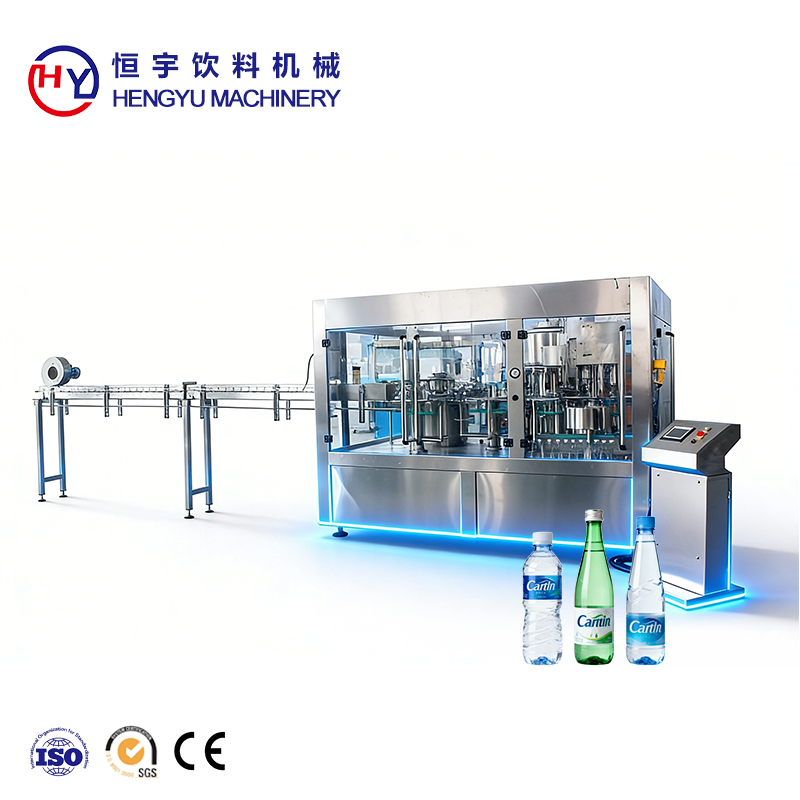
A water bottle filling plant represents a comprehensive automated production system designed to efficiently fill, cap, and package drinking water into bottles of various sizes. This industrial equipment serves as the backbone of beverage manufacturing operations, integrating multiple processing stages into a seamless workflow. The primary functions of a water bottle filling plant include water purification and treatment, bottle sterilization and cleaning, precise liquid filling, secure capping, labeling, and final packaging for distribution. Modern facilities incorporate advanced control systems that monitor every aspect of production, ensuring consistent quality and compliance with health regulations. The technological features of contemporary water bottle filling plants include programmable logic controllers that manage production speed and accuracy, servo motor systems for precise bottle positioning, and sophisticated sensors that detect fill levels and reject defective products. These plants can handle production capacities ranging from small-scale operations processing hundreds of bottles per hour to large industrial facilities capable of filling tens of thousands of units hourly. The equipment typically consists of interconnected modules including rinser machines that clean bottles with purified water or air jets, filling valves that dispense exact quantities of water, capping machines that apply and secure closures, and conveyor systems that transport bottles between stations. Applications span across numerous sectors including commercial bottled water companies, municipal water distribution programs, emergency relief organizations, hospitality industries, and institutional facilities. The versatility of water bottle filling plants allows manufacturers to switch between different bottle formats including PET plastic containers, glass bottles, and various cap styles with minimal downtime. These systems incorporate safety features such as emergency stop mechanisms, protective guards, and automated shutdown protocols that activate when irregularities are detected, protecting both operators and product integrity throughout the manufacturing process.

 CN
CN