Water Filling Machine: Advanced Automated Bottling Solutions for Pure Water Production

All Categories

water filling machine

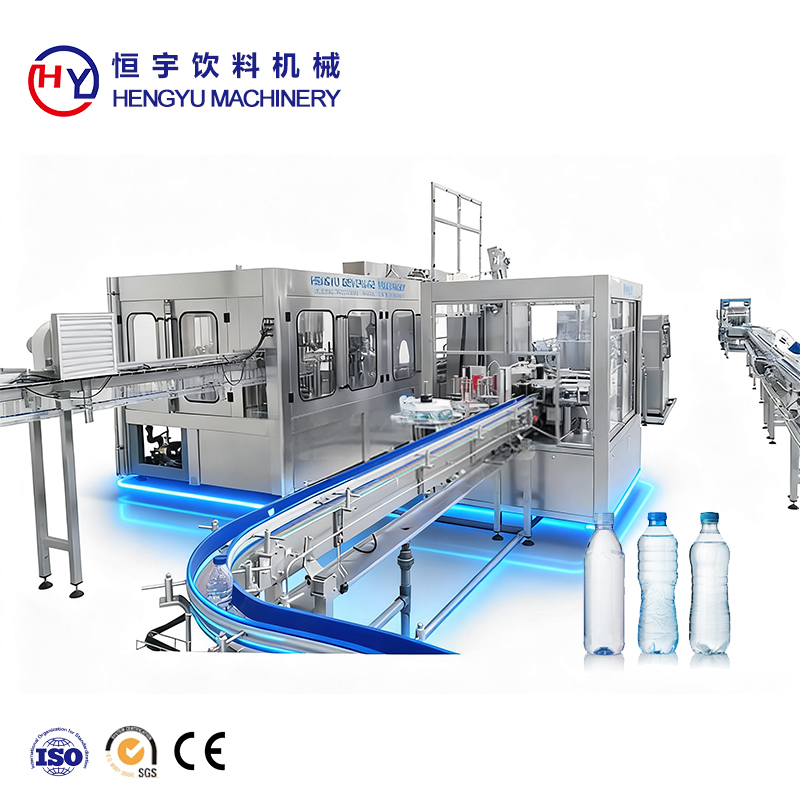
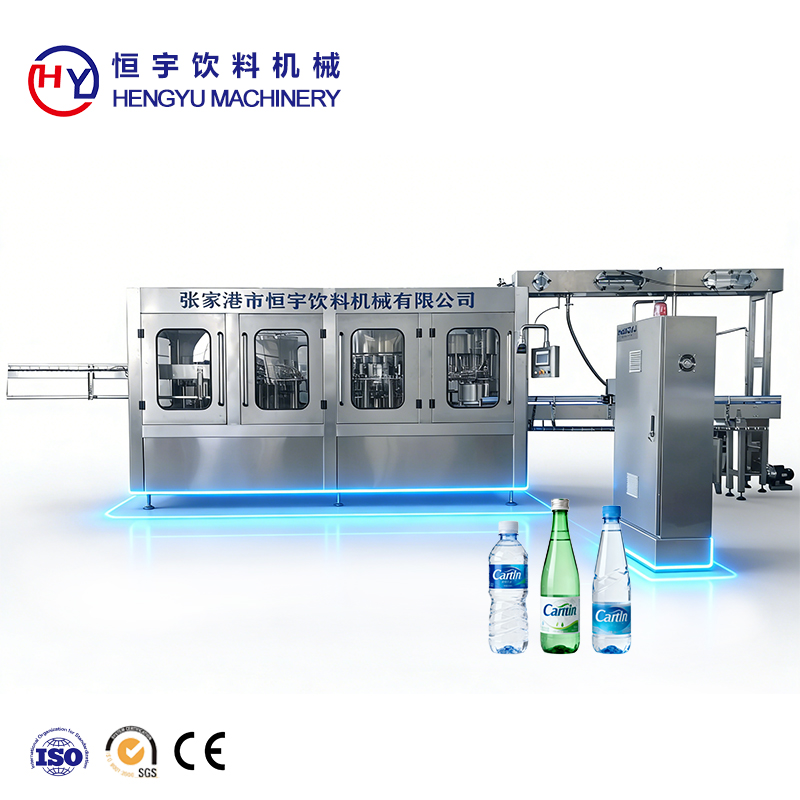
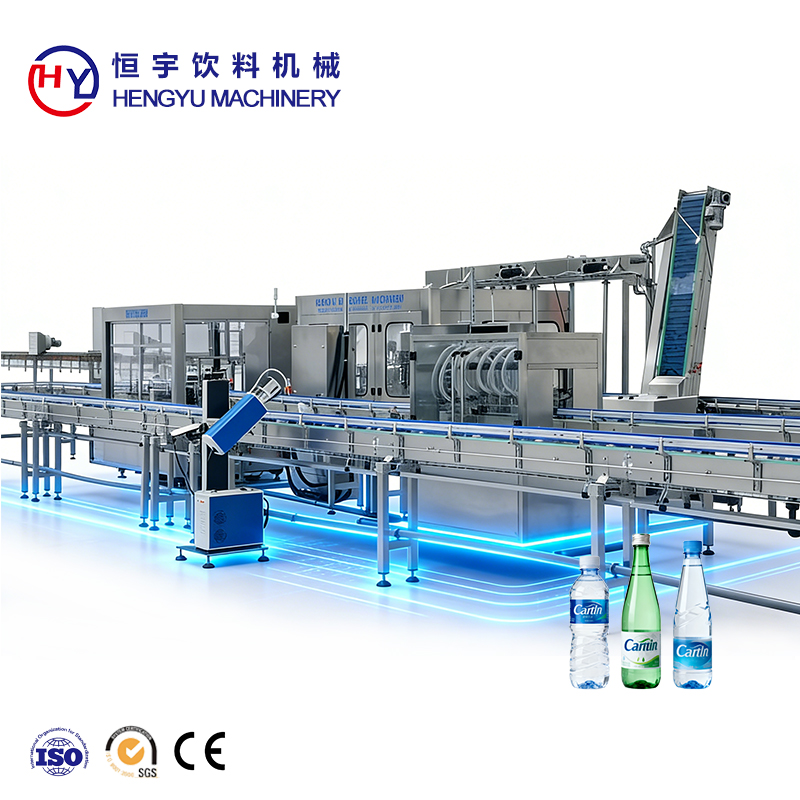
A water filling machine represents an essential piece of automated equipment designed to streamline the bottling process for various water products including purified water, mineral water, spring water, and distilled water. This sophisticated machinery integrates multiple operational stages into a seamless production line, handling everything from bottle rinsing and filling to capping and labeling. Modern water filling machines employ advanced technology to ensure precise liquid measurement, consistent filling speeds, and hygienic processing conditions that meet international food safety standards. The equipment typically features a rotary design with multiple filling heads that can accommodate different bottle sizes and shapes, making it versatile for diverse production requirements. These machines utilize either gravity filling, pressure filling, or vacuum filling methods depending on the specific product characteristics and production goals. The technological framework incorporates programmable logic controllers, touch-screen interfaces, and servo motor systems that enable operators to adjust parameters quickly and maintain optimal performance throughout extended production runs. Quality sensors and automatic reject systems identify and remove improperly filled containers, ensuring that only products meeting specifications reach the market. The stainless steel construction of premium water filling machines guarantees durability, corrosion resistance, and easy sanitization, which are critical factors in maintaining product purity. Production capacities range from small-scale operations processing hundreds of bottles per hour to industrial systems capable of handling tens of thousands of units hourly. The modular design philosophy allows businesses to start with basic configurations and expand capabilities as demand grows, making water filling machines accessible to enterprises of various sizes and investment capacities.

New Product Releases

Investing in a water filling machine delivers substantial operational benefits that directly impact your bottom line and business sustainability. First and foremost, automation dramatically increases production speed compared to manual filling methods, enabling your facility to process significantly more bottles within the same timeframe. This efficiency boost means you can fulfill larger orders, respond quickly to market demand fluctuations, and ultimately generate higher revenue without proportionally increasing labor costs. The precision filling technology eliminates the inconsistencies inherent in human operation, ensuring that every bottle contains the exact specified volume. This accuracy reduces product waste, minimizes overfilling costs, and helps maintain compliance with regulatory requirements regarding product labeling and content declarations. Your customers receive consistent quality with every purchase, which strengthens brand reputation and encourages repeat business. The automated nature of a water filling machine substantially reduces labor requirements, allowing you to reallocate human resources to value-added activities such as quality control, maintenance, and business development. Fewer workers handling the filling process also means reduced exposure to potential contamination sources, enhanced workplace safety, and lower ongoing personnel expenses. Modern machines incorporate self-cleaning capabilities and easy-access designs that simplify maintenance procedures, minimizing downtime and extending equipment lifespan. The initial investment pays for itself relatively quickly through cumulative savings in labor, reduced waste, and increased throughput capacity. Energy efficiency has become a hallmark of contemporary water filling machines, with optimized motor systems and intelligent power management reducing electricity consumption compared to older equipment models. This efficiency translates to lower utility bills and a smaller environmental footprint, which increasingly matters to environmentally conscious consumers and regulatory bodies. Flexibility represents another significant advantage, as adjustable settings allow you to switch between different bottle formats without requiring entirely new equipment. This adaptability protects your investment as market preferences evolve and new packaging trends emerge. The hygienic design standards employed in quality water filling machines ensure that your production meets stringent food safety requirements, protecting consumers and shielding your business from liability issues. Integrated monitoring systems provide real-time production data, enabling you to identify bottlenecks, optimize workflows, and make informed decisions about capacity planning and resource allocation. The professional appearance and consistent output quality achieved through automated filling enhance your brand image, making your products more competitive in retail environments where presentation influences purchasing decisions.

Practical Tips

Can Filling Machine Technology for Carbonated Beverages

20

Mar

Can Filling Machine Technology for Carbonated Beverages

Isobaric Filling Principles: How Can Filling Machines Preserve Carbonation Under Pressure The Physics of CO₂ Solubility and Why Counter-Pressure Is Non-Negotiable The way carbon dioxide dissolves in drinks basically follows what we call Henry's Law...
View More
Can Filling Machine Capacity Planning Guide

22

Mar

Can Filling Machine Capacity Planning Guide

Understanding Can Filling Machine Capacity: Theory vs. Real-World Performance Why Theoretical Capacity Rarely Matches Effective Output on Can Filling Lines When companies talk about canning speed at 100 cans per minute, they're referring to what ha...
View More
Can Sealing Machine Maintenance Tips

23

Mar

Can Sealing Machine Maintenance Tips

Daily and Weekly Preventive Maintenance for Your Can Sealing Machine Essential Daily Checks: Belt Tension, Sealing Bar Alignment, and Tape Head Cleanliness Starting every shift with a quick check on belt tension makes all the difference. If belts a...
View More
Automation Technology in Can Sealing Machines

24

Mar

Automation Technology in Can Sealing Machines

How Automation Enhances Precision and Reliability in Can Sealing Machines Core Automation Components: Servo Drives, Vision Systems, and Closed-Loop Feedback in Modern Can Sealing Machines Today's can sealing equipment reaches incredible levels of p...
View More

Get a Free Quote

Our representative will contact you soon.
Email
Name
Phone/WhatsApp
Required Product
Message
0/1000

water filling machine

Advanced Hygienic Design and Food-Grade Construction

Advanced Hygienic Design and Food-Grade Construction

The hygienic design philosophy embedded in modern water filling machines addresses the critical challenge of maintaining product purity throughout the bottling process. Every component that contacts the water utilizes food-grade stainless steel, typically 304 or 316 grade, which resists corrosion, prevents chemical reactions with the product, and withstands repeated sanitization without degrading. The smooth, crevice-free surfaces eliminate potential harboring points for bacteria, mold, or other contaminants that could compromise product safety. This construction approach aligns with international standards including FDA regulations, European Union directives, and ISO food safety protocols, ensuring your production facility meets the most rigorous compliance requirements regardless of your target markets. The filling nozzles incorporate anti-drip mechanisms that prevent cross-contamination between bottles and maintain a clean working environment. Many premium water filling machines feature Clean-in-Place systems that automate the sanitization process, circulating cleaning solutions through all product-contact surfaces without requiring disassembly. This capability dramatically reduces cleaning time while ensuring thorough sanitization that manual methods cannot consistently achieve. The enclosed filling environment protects the product from airborne contaminants, dust, and other environmental factors that could affect water quality. Positive air pressure systems create barriers preventing outside air from entering the filling zone, while HEPA filtration removes particulates from any air that does enter the system. These protective measures become especially important when producing premium water products where purity represents a primary selling point. The seamless integration between rinsing, filling, and capping stages maintains the sterile pathway from purification through final sealing, eliminating exposure points where contamination might occur. Gaskets, seals, and connection points utilize materials specifically formulated for food contact applications, avoiding any potential for material migration into the product. Regular validation and testing protocols verify that the hygienic design maintains its effectiveness over time, providing peace of mind that your water filling machine continues protecting product integrity throughout its operational life. This comprehensive approach to hygiene translates directly into safer products, reduced recall risks, enhanced brand reputation, and the ability to command premium pricing for demonstrably pure water products.
Precision Control Systems and Intelligent Automation

Precision Control Systems and Intelligent Automation

The technological sophistication of contemporary water filling machines centers on precision control systems that optimize every aspect of the bottling process. Programmable logic controllers serve as the operational brain, coordinating dozens of simultaneous actions with microsecond timing accuracy. These controllers enable operators to program specific parameters for different production runs, storing recipes that can be recalled instantly when switching between product variants or bottle formats. The intuitive touch-screen interfaces eliminate the need for specialized technical knowledge, presenting information in clear visual formats that any trained operator can understand and adjust. Real-time monitoring displays provide continuous feedback on critical metrics including filling speed, volume accuracy, reject rates, and system status indicators. This transparency allows supervisory personnel to identify developing issues before they escalate into production stoppages or quality problems. Servo motor technology drives the precision movements required for consistent filling performance, with electronic controls adjusting motor speed and position thousands of times per second. This responsiveness ensures that filling volumes remain within tight tolerances regardless of variations in bottle positioning, conveyor speed, or other dynamic factors. Flow meters measure the exact quantity of water entering each bottle, with automatic compensation systems adjusting fill times to account for density variations, temperature effects, or pressure fluctuations in the supply system. Level sensors provide secondary verification, confirming that each bottle reaches the target fill height before proceeding to the capping station. Bottles failing to meet specifications trigger automatic rejection mechanisms that divert them from the production line without interrupting the flow of acceptable products. The machine learning capabilities incorporated into advanced models analyze historical performance data to optimize operational parameters automatically, gradually improving efficiency and reducing waste without human intervention. Predictive maintenance algorithms monitor component wear patterns, vibration signatures, and performance trends to anticipate potential failures before they occur. This foresight enables scheduled maintenance during planned downtime rather than emergency repairs that disrupt production schedules. Remote connectivity options allow technical support personnel to access machine diagnostics from distant locations, troubleshooting issues and adjusting settings without requiring on-site visits. The data logging functions create comprehensive production records that satisfy quality management system requirements and provide valuable insights for continuous improvement initiatives. Integration capabilities enable the water filling machine to communicate with upstream purification systems and downstream packaging equipment, creating a coordinated production environment where all components operate in harmony.
Flexible Configuration and Scalable Production Capacity

Flexible Configuration and Scalable Production Capacity

The modular architecture of modern water filling machines provides exceptional flexibility that protects your investment as business requirements evolve. Entry-level configurations deliver reliable performance for emerging businesses or specialized production needs, while upgrade pathways enable seamless capacity expansion without replacing the entire system. The number of filling heads represents the primary determinant of production speed, with options ranging from single-head units for artisanal operations to rotary systems with dozens of heads for industrial-scale production. Adding filling heads typically requires minimal modification to the base machine, allowing you to increase capacity incrementally as demand grows rather than making large capital outlays before revenue justifies the investment. Bottle handling systems accommodate diverse container formats including various heights, diameters, and materials such as PET, glass, and HDPE. Quick-change components enable format transitions in minutes rather than hours, minimizing the production time lost when switching between product lines. Adjustable conveyor widths, height-adjustable filling nozzles, and programmable capping torque settings ensure optimal performance across your entire product portfolio. This versatility proves particularly valuable for contract bottlers serving multiple clients or brands responding to seasonal demand variations and promotional packaging requirements. The compact footprint design of many water filling machines maximizes productive use of limited floor space, an important consideration for facilities operating in urban areas or existing buildings where expansion room is constrained. Despite their space efficiency, these machines maintain accessibility for operation, maintenance, and cleaning without requiring excessive clearance zones. For businesses anticipating substantial growth, selecting a machine platform with expansion capabilities provides cost-effective scalability. The ability to add pre-treatment systems, secondary packaging integration, or automated palletizing creates a growth pathway that leverages your initial equipment investment rather than rendering it obsolete. Compatibility with standard utility connections simplifies installation in diverse facility environments, while voltage and frequency options accommodate different regional power infrastructure. The international design standards employed by reputable manufacturers ensure that replacement parts remain available globally, protecting you from supply chain disruptions that could threaten production continuity. Training programs and comprehensive documentation help your team maximize the capabilities of your water filling machine, extracting full value from the technological features rather than utilizing only basic functions. The combination of current performance and future expandability makes these machines a strategic asset that grows with your business rather than a fixed capability that eventually constrains your potential.