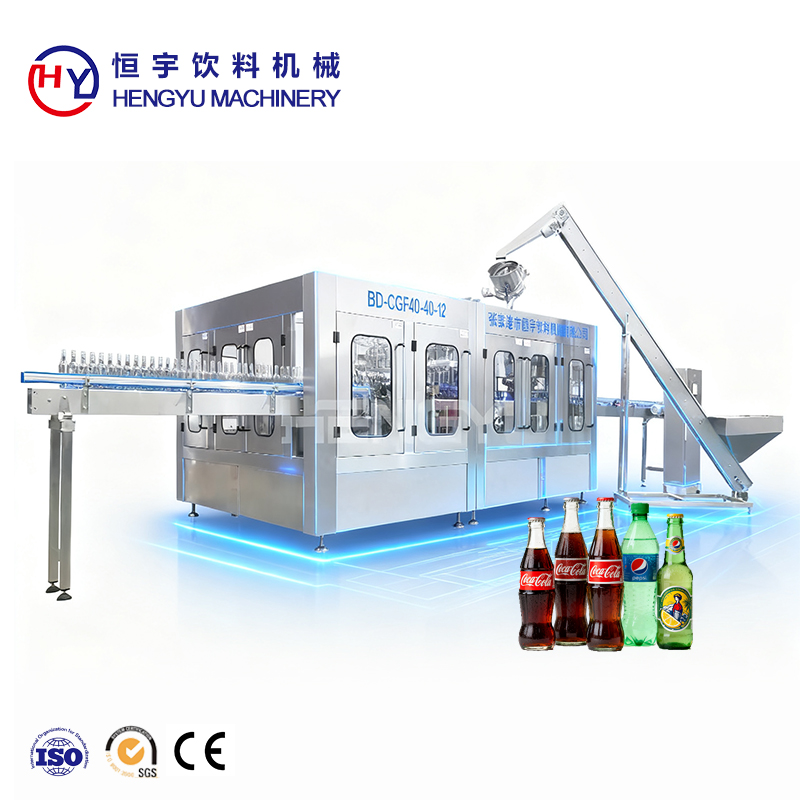
beverage filling equipment
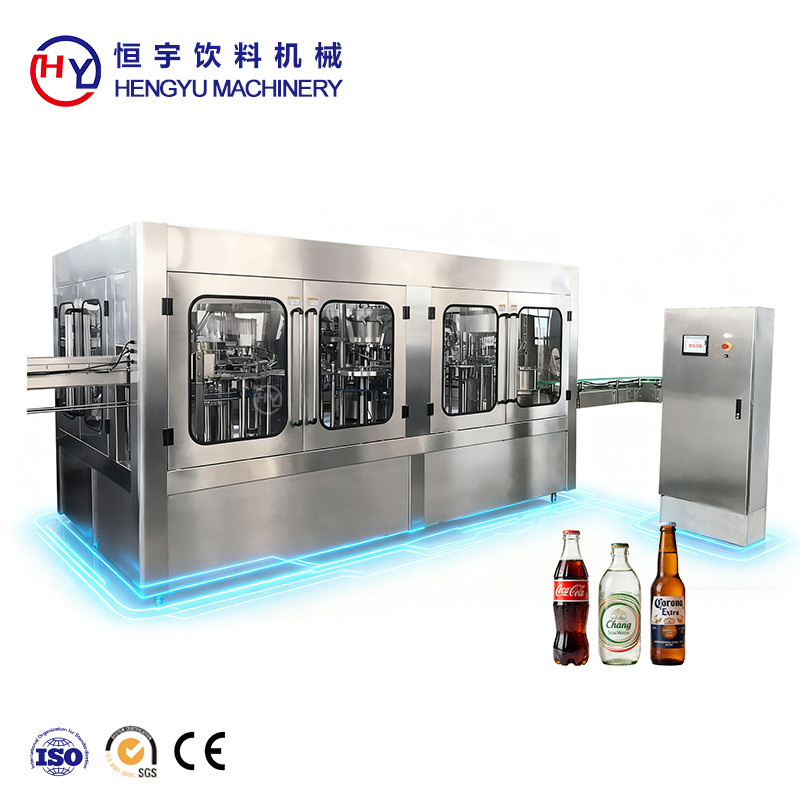
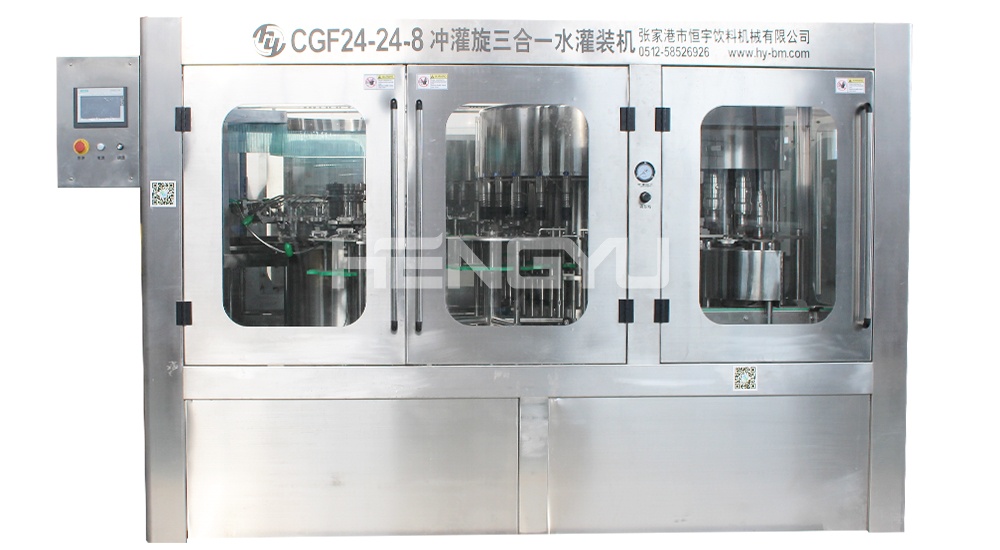
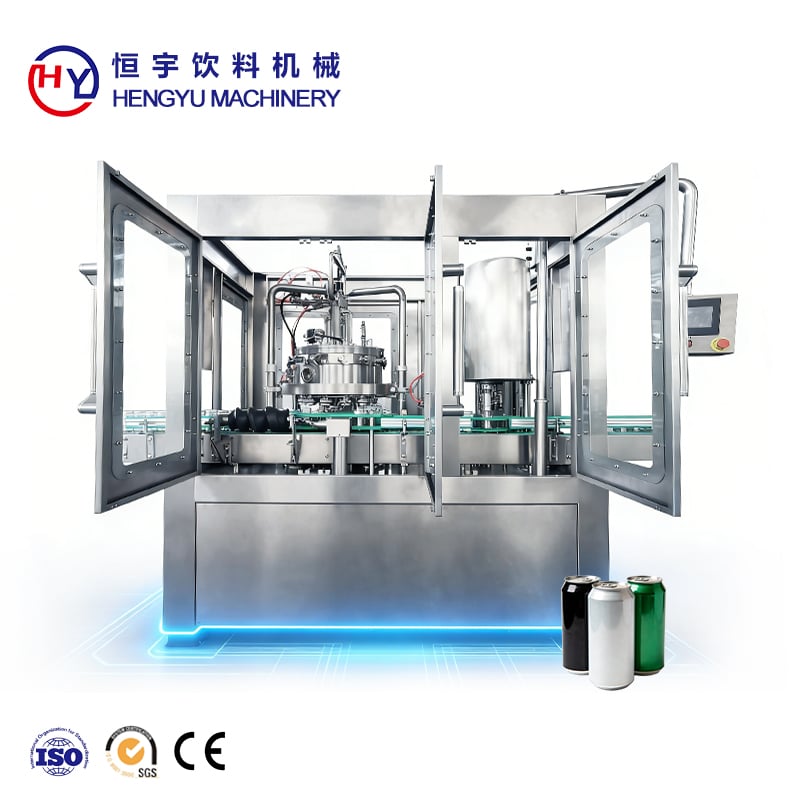
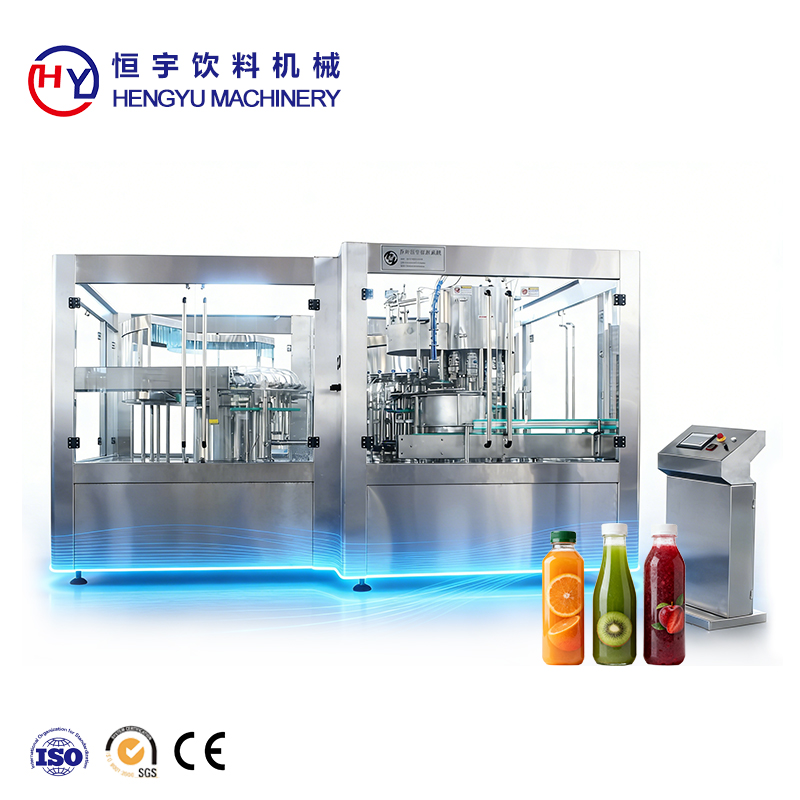
Beverage filling equipment represents a critical component in modern production facilities, designed to efficiently transfer liquids into containers with precision and speed. This sophisticated machinery serves as the backbone of bottling operations across various industries, enabling manufacturers to package everything from carbonated soft drinks to juices, water, dairy products, and alcoholic beverages. The primary function of beverage filling equipment involves accurately dispensing predetermined volumes of liquid into bottles, cans, pouches, or other containers while maintaining strict hygiene standards and minimizing product waste. Advanced beverage filling equipment incorporates multiple technological features that distinguish it from conventional filling methods. These systems typically include automated bottle handling mechanisms, precision flow control valves, programmable logic controllers for operational management, and integrated cleaning-in-place systems that ensure sanitary conditions between production runs. Modern beverage filling equipment utilizes servo motor technology for exceptional accuracy, touch-screen interfaces for intuitive operation, and sensor arrays that detect container presence, fill levels, and potential defects. The equipment can be configured in various formats including gravity fillers, pressure fillers, vacuum fillers, and piston fillers, each optimized for specific liquid characteristics and production requirements. Applications for beverage filling equipment span numerous sectors within the food and beverage industry. Soft drink manufacturers rely on counter-pressure fillers to preserve carbonation levels during packaging. Juice producers utilize hot-fill technology to extend shelf life without chemical preservatives. Water bottling plants employ high-speed rotary fillers capable of processing thousands of bottles per hour. Craft breweries and wineries implement specialized beverage filling equipment designed to handle delicate products while preventing oxidation. Dairy operations use aseptic filling systems that maintain product sterility throughout the packaging process. The versatility of beverage filling equipment makes it indispensable for businesses ranging from small-scale artisan producers to multinational corporations operating high-volume production lines.

 CN
CN