Professional Beverage Filling Line Solutions - Automated Liquid Packaging Systems

All Categories

beverage filling line

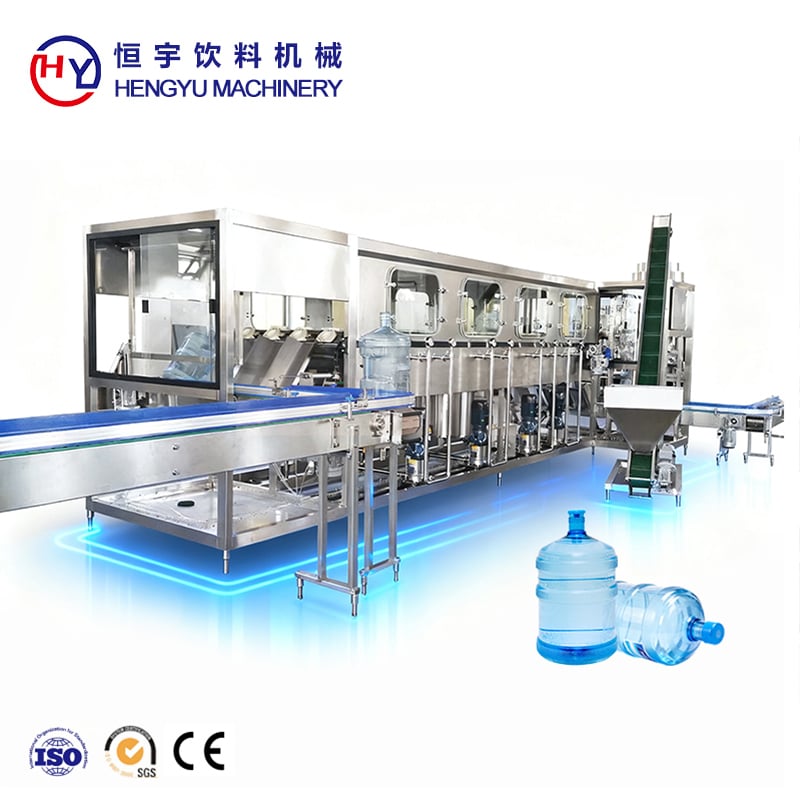
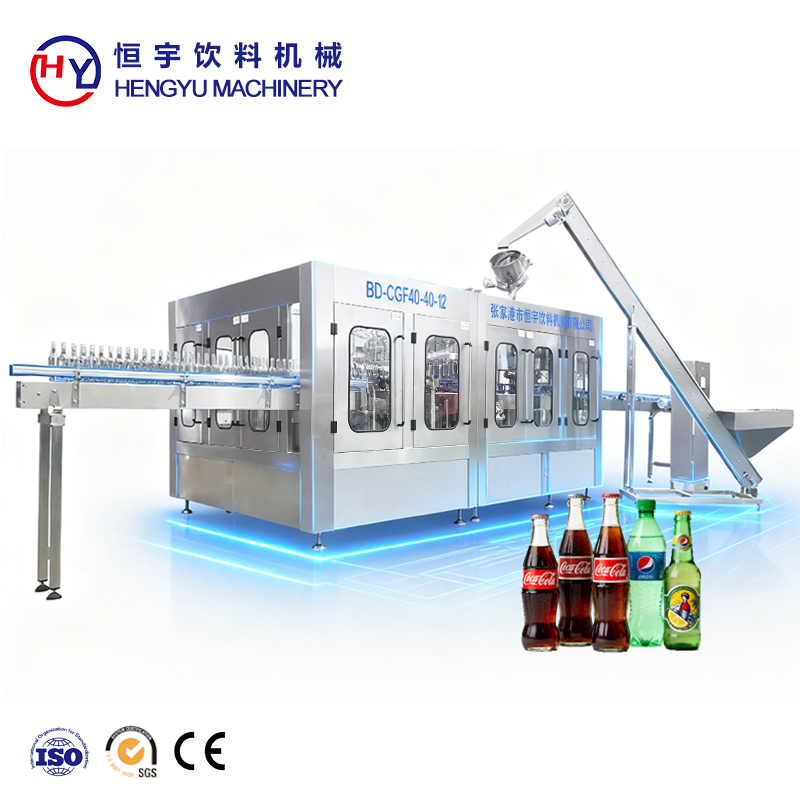
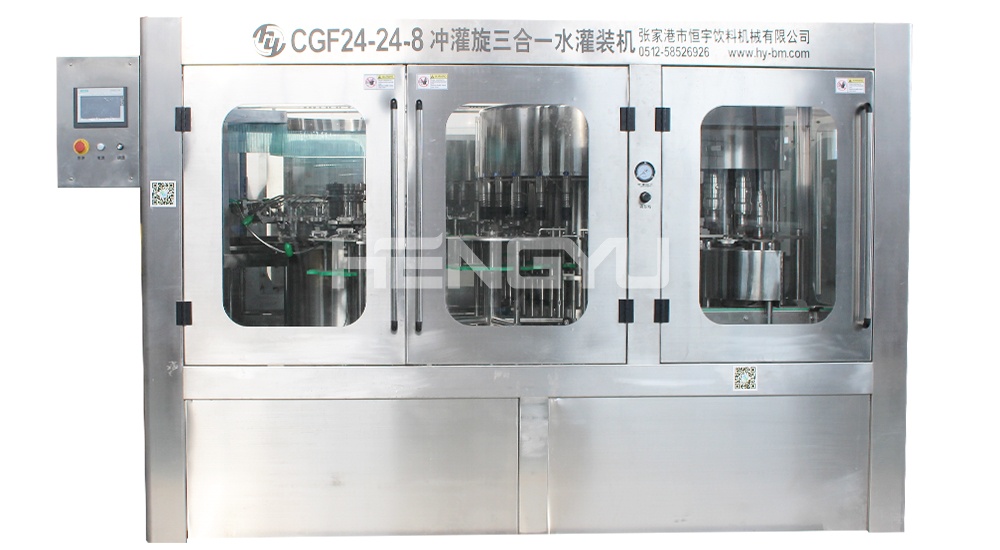
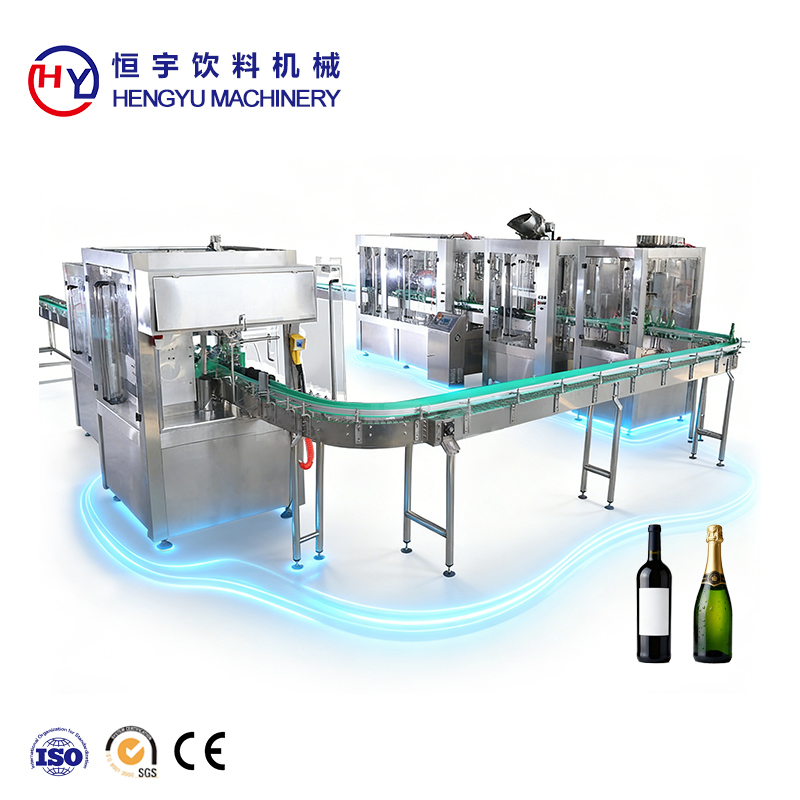
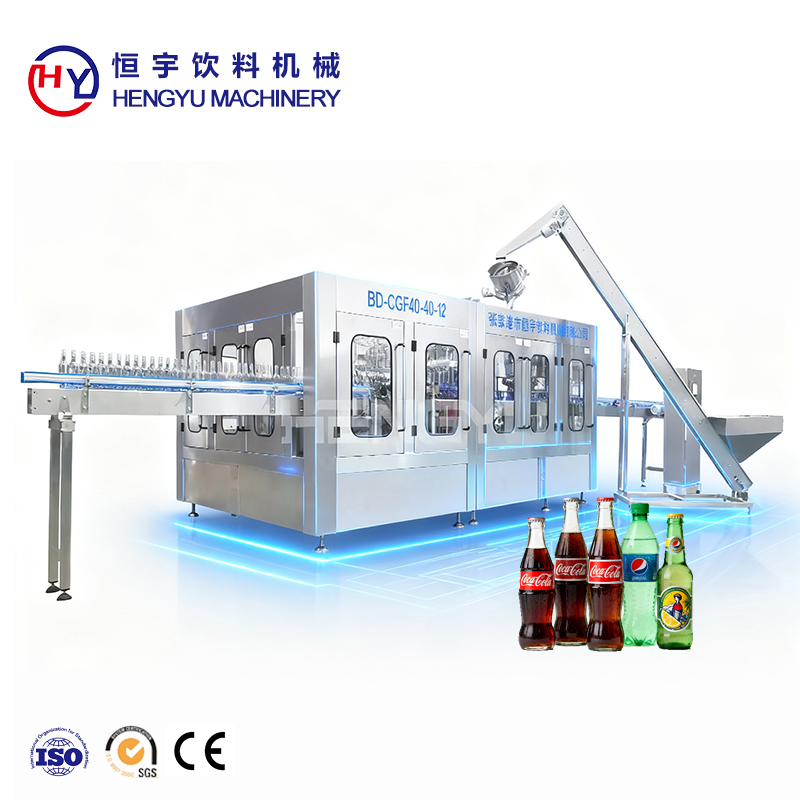
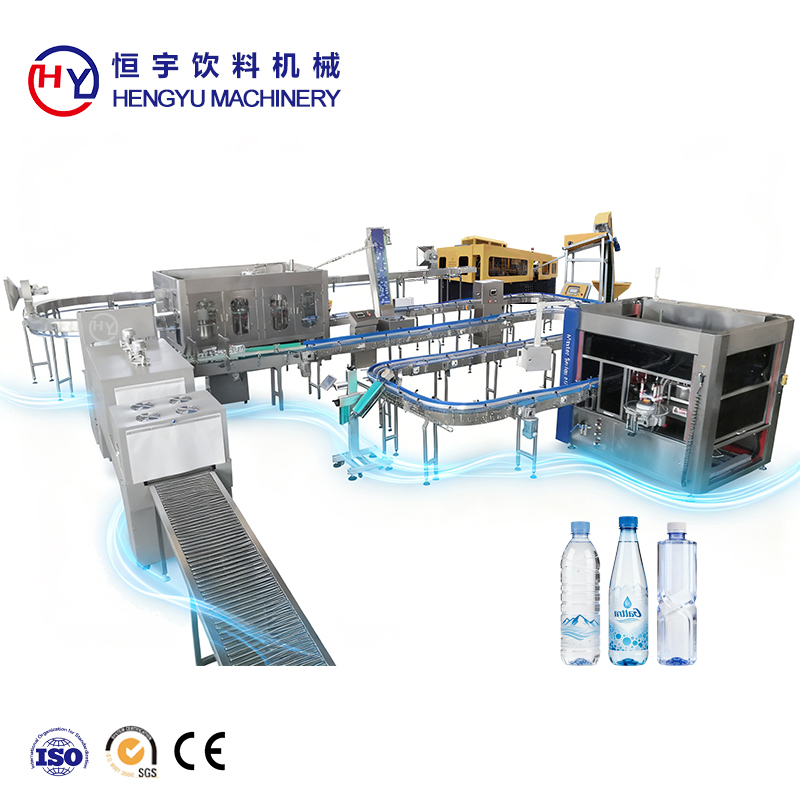
A beverage filling line represents a comprehensive automated production system designed to efficiently package various liquid products into containers. This sophisticated equipment handles the complete process from empty bottle handling through filling, capping, labeling, and final packaging. Modern beverage filling lines integrate multiple stations that work in perfect synchronization to maintain consistent production speeds while ensuring product quality and safety standards. The system typically begins with bottle unscramblers that orient containers correctly before they enter the filling zone. Advanced sensors and control systems monitor every stage of the process, detecting any irregularities and making real-time adjustments to maintain optimal performance. The filling technology employed varies depending on the product characteristics, with options including gravity filling, pressure filling, and vacuum filling methods. Each method suits specific beverage types, from still water and juices to carbonated soft drinks and alcoholic beverages. Temperature control systems maintain product integrity throughout the filling process, particularly crucial for heat-sensitive beverages. The capping station applies closures with precise torque specifications, ensuring proper sealing without damaging containers or caps. Downstream equipment includes labeling machines that apply front, back, and wrap-around labels with accurate positioning. Quality inspection systems utilize cameras and sensors to verify fill levels, cap placement, label positioning, and overall product appearance. Rejected products are automatically removed from the production line without disrupting flow. The entire beverage filling line operates through a centralized control system that allows operators to monitor performance metrics, adjust parameters, and diagnose issues quickly. Modern lines incorporate data collection capabilities that track production statistics, downtime events, and efficiency measurements. This information helps manufacturers optimize their operations and implement preventive maintenance schedules. Sanitation features built into the design facilitate thorough cleaning between production runs, essential for maintaining food safety standards and preventing cross-contamination when switching between different beverage products. The modular construction of contemporary beverage filling lines allows manufacturers to scale capacity by adding or removing components based on production demands.

New Product Recommendations

Investing in a modern beverage filling line delivers substantial improvements to manufacturing operations that directly impact profitability and market competitiveness. The automation level significantly reduces labor requirements, allowing companies to reallocate human resources to value-added activities while minimizing the risk of human error during repetitive filling tasks. Production speed increases dramatically compared to manual or semi-automated methods, with some beverage filling lines capable of processing thousands of bottles per hour depending on container size and product type. This enhanced throughput enables manufacturers to meet growing market demand without proportionally increasing operational costs. Consistency represents another major benefit, as automated systems maintain uniform fill levels, cap application, and label placement across every unit produced. This uniformity strengthens brand reputation and reduces customer complaints related to packaging quality. Material waste decreases substantially because precise filling mechanisms dispense exact product volumes, eliminating overfilling that cuts into profit margins. The closed system design minimizes product exposure to contaminants, extending shelf life and reducing spoilage rates. Energy efficiency has improved remarkably in recent beverage filling line designs, with optimized motors, smart power management systems, and heat recovery features that lower utility costs. Flexibility stands out as a crucial advantage, enabling quick changeovers between different bottle sizes, shapes, and beverage formulations. This adaptability allows manufacturers to diversify their product portfolios without investing in entirely separate production lines. The data collection capabilities provide valuable insights into production performance, identifying bottlenecks and inefficiencies that might otherwise go unnoticed. Maintenance becomes more predictable and less disruptive through condition monitoring systems that alert operators to potential issues before they cause breakdowns. Quality assurance improves through integrated inspection systems that catch defects immediately rather than discovering problems after entire batches have been produced. Space utilization benefits from the compact footprint of modern beverage filling line designs, which consolidate multiple processes into streamlined configurations. This efficiency proves especially valuable in facilities where floor space comes at a premium. Return on investment typically occurs within a reasonable timeframe as increased production capacity, reduced labor costs, and decreased waste combine to improve overall profitability. Regulatory compliance becomes easier to achieve and document, as automated systems maintain detailed records of production parameters, cleaning cycles, and quality checks. Environmental impact diminishes through reduced water consumption during cleaning processes, lower energy usage, and decreased product waste. The scalability of modular beverage filling line systems means businesses can start with essential components and expand capabilities as their operations grow, protecting initial investment while maintaining upgrade pathways.

Latest News

Glass Bottle Filling Machine vs Plastic Bottle Filling Machine

04

Mar

Glass Bottle Filling Machine vs Plastic Bottle Filling Machine

Material Properties Dictate Core Machine Design Glass fragility and thermal mass: why glass bottle filling machines require reinforced frames, shock-dampened conveyors, and precision neck-handling grippers Working with glass bottles means going th...
View More
How to Choose a Glass Bottle Filling Machine for Beverage Production

06

Mar

How to Choose a Glass Bottle Filling Machine for Beverage Production

Match Filling Technology to Beverage Type and Sensitivity Counter-Pressure Fillers for Carbonated Beverages and Beer Carbonated drinks like soda, sparkling water and beer need careful filling techniques to keep their fizz intact while avoiding exc...
View More
How Bottled Water Production Lines Maintain Product Safety

12

Mar

How Bottled Water Production Lines Maintain Product Safety

Regulatory Foundations and the Multi-Barrier Safety Framework FDA, EPA, and ISO Standards Specific to Bottled Water Production Lines The bottled water industry works within a pretty strict set of regulations. The FDA has these things called Good Ma...
View More
How Can Filling Machines Improve Beverage Production Speed

24

Mar

How Can Filling Machines Improve Beverage Production Speed

Filling Machine Type Determines Maximum Throughput Potential Gravity, Isobaric, and Piston Can Filling Machines: Speed vs. Precision Trade-offs Gravity fillers work well for delicate drinks such as juice, processing around 20 to 36 bottles every mi...
View More

Get a Free Quote

Our representative will contact you soon.
Email
Name
Phone/WhatsApp
Required Product
Message
0/1000

beverage filling line

Advanced Automation Technology for Maximum Efficiency

Advanced Automation Technology for Maximum Efficiency

The integration of cutting-edge automation technology transforms the beverage filling line into an intelligent production system that operates with minimal human intervention while maintaining exceptional accuracy and consistency. Programmable logic controllers coordinate the actions of every component, from bottle infeed to final case packing, ensuring smooth product flow and optimal timing at each station. Servo motors provide precise control over filling volumes, with accuracy levels reaching plus or minus one milliliter even at high production speeds. This precision eliminates the costly problem of overfilling while ensuring every container meets minimum fill requirements. Touch-screen human-machine interfaces simplify operation by presenting intuitive controls and real-time status information in clear visual formats that require minimal training to understand. Operators can adjust production parameters, switch between different product recipes, and monitor multiple performance indicators from centralized control panels. The automation extends to quality control functions, where vision systems inspect every bottle for proper fill levels, correct cap placement, and acceptable label positioning without slowing production rates. Automatic rejection mechanisms remove defective products from the line instantly, maintaining the flow of acceptable units toward packaging. Recipe management systems store parameters for different beverage products and container types, enabling quick changeovers that simply require selecting the appropriate recipe from a menu rather than manually adjusting dozens of individual settings. This capability proves invaluable for manufacturers producing multiple beverage varieties or seasonal products. Preventive maintenance scheduling becomes proactive rather than reactive, as sensors monitor equipment conditions and predict when components will require service based on actual usage patterns rather than arbitrary time intervals. The beverage filling line communicates with enterprise resource planning systems, providing production data that informs inventory management, scheduling decisions, and cost accounting. Remote monitoring capabilities allow technical support teams to diagnose issues and sometimes resolve problems without traveling to the facility, reducing downtime duration. The automation technology also enhances workplace safety by handling heavy containers, managing hot liquids, and controlling high-pressure systems that could pose risks to manual operators. Emergency stop systems halt all motion instantly when safety sensors detect potential hazards, protecting both personnel and equipment from damage. The sophistication of modern automation means the beverage filling line continuously optimizes its own performance, making micro-adjustments to maintain peak efficiency as conditions change throughout production runs.
Versatile Design Accommodating Multiple Beverage Types

Versatile Design Accommodating Multiple Beverage Types

The remarkable versatility built into contemporary beverage filling line equipment enables manufacturers to process an extensive range of liquid products without requiring separate dedicated systems for each beverage category. This adaptability stems from carefully engineered design features that accommodate varying viscosities, carbonation levels, temperature requirements, and container specifications. Still beverages like water, juice, tea, and sports drinks flow smoothly through gravity or pressure filling systems that adjust volumetric output based on product characteristics and container dimensions. Carbonated soft drinks demand specialized handling to preserve carbonation levels throughout the filling process, which the beverage filling line accomplishes through counter-pressure filling technology that maintains proper CO2 saturation. Alcoholic beverages including beer, wine, and spirits each present unique challenges that versatile filling systems address through appropriate filling methods and sanitation protocols that prevent flavor contamination between production runs. Hot-fill applications for products requiring pasteurization integrate temperature control systems that heat beverages to specified levels before filling and maintain those temperatures until containers are sealed and inverted for cap sterilization. Aseptic filling capabilities allow processing of sensitive products that cannot tolerate traditional thermal processing, filling pre-sterilized beverages into sterilized containers within controlled sterile environments. Container compatibility extends from small single-serve bottles through large multi-liter jugs, with quick-change parts that accommodate different neck finishes, heights, and diameters. Glass, plastic, and aluminum containers all move through the same beverage filling line with appropriate adjustments to handling systems that prevent breakage or deformation. The filling valves themselves feature adjustable components that adapt to different liquid properties, from thin water-like beverages to thicker products containing pulp or particles. Cleaning systems built into the beverage filling line facilitate thorough sanitation between product changes, using clean-in-place technology that circulates cleaning solutions through all product-contact surfaces without requiring equipment disassembly. This capability proves essential when switching between different flavor profiles or moving from one beverage category to another. Label application systems accommodate various label sizes, materials, and application methods including pressure-sensitive labels, hot-melt glue labels, and shrink sleeve labels. Cap selection ranges from simple screw caps through sports caps, pump dispensers, and crown closures depending on product requirements and market positioning. The beverage filling line adjusts production speeds automatically based on container size and product characteristics, optimizing throughput for each specific combination while maintaining quality standards. This versatility delivers tremendous value by maximizing equipment utilization, reducing capital requirements, and providing flexibility to respond quickly to changing market demands and emerging beverage trends.
Comprehensive Quality Control and Product Safety Features

Comprehensive Quality Control and Product Safety Features

Ensuring consistent product quality and absolute safety stands as a paramount concern that modern beverage filling line systems address through multiple layers of inspection, monitoring, and control mechanisms integrated throughout the production process. Quality assurance begins before filling even occurs, with empty container inspection systems that examine bottles for cracks, chips, foreign objects, and other defects that could compromise product integrity or consumer safety. High-resolution cameras capture images of each container from multiple angles, while sophisticated image processing algorithms identify anomalies and trigger rejection mechanisms that remove defective bottles without interrupting production flow. The filling process itself incorporates real-time monitoring of product temperature, pressure, and flow rates to ensure every container receives the correct volume of beverage at the proper temperature. Load cells or flow meters verify fill accuracy on every bottle, with statistical process control algorithms that detect trends indicating potential equipment drift before fill volumes move outside acceptable tolerances. This proactive approach prevents the production of large quantities of under-filled or over-filled products that would require rework or disposal. Capping torque monitoring confirms that every closure is applied with sufficient force to create a proper seal without excessive tightening that could damage threads or make opening difficult for consumers. Post-fill inspection stations examine sealed containers for proper cap placement, correct orientation, and absence of leaks using pressure decay testing or other non-destructive methods. Label inspection systems verify that labels are present, correctly positioned, straight, and free from defects such as wrinkles, tears, or missing information. Optical character recognition technology reads printed codes including production dates, batch numbers, and expiration dates to ensure this critical information appears correctly and legibly on every package. The beverage filling line maintains detailed production records that document every parameter and inspection result, creating complete traceability from raw materials through finished products. This documentation proves essential for regulatory compliance and provides valuable information if quality issues arise requiring investigation or product recalls. Sanitation monitoring systems track cleaning cycle completion, chemical concentrations, temperatures, and contact times to verify that the beverage filling line meets hygiene standards before production resumes after cleaning. Microbiological safety is enhanced through design features that minimize dead spaces where bacteria could harbor, use sanitary construction materials, and incorporate sterilization capabilities for critical product-contact components. Environmental monitoring within the filling area tracks airborne particle counts, temperature, humidity, and microbial contamination to ensure the production environment meets required standards. Finished product testing protocols integrate with the beverage filling line to collect samples at specified intervals for laboratory analysis verifying chemical composition, microbiological safety, and sensory characteristics meet specifications before products ship to customers.