Professional Drink Filling Machine Solutions - Advanced Automated Beverage Packaging Systems

All Categories

drink filling machine

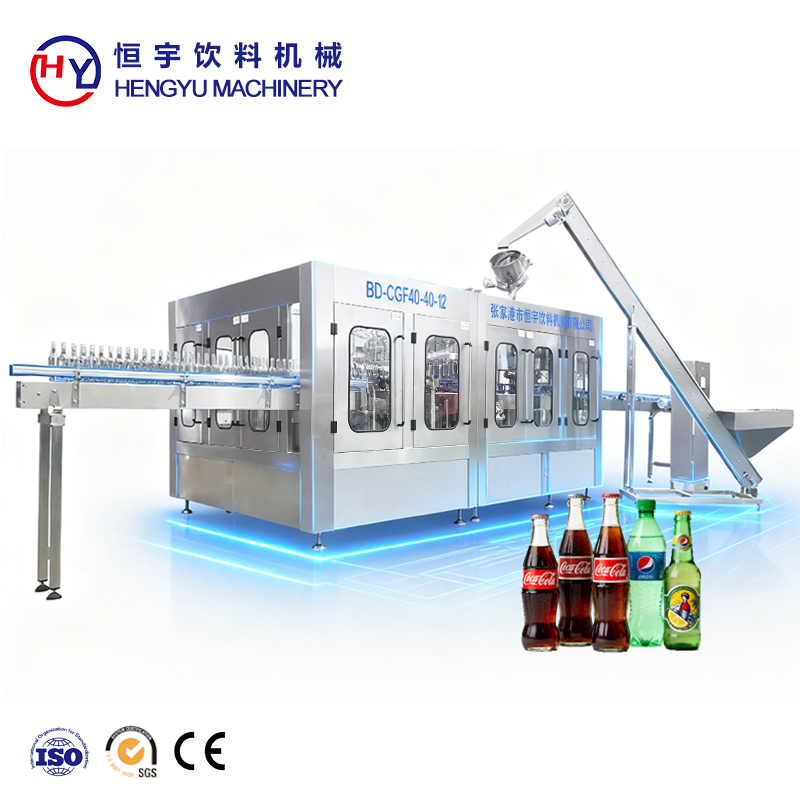
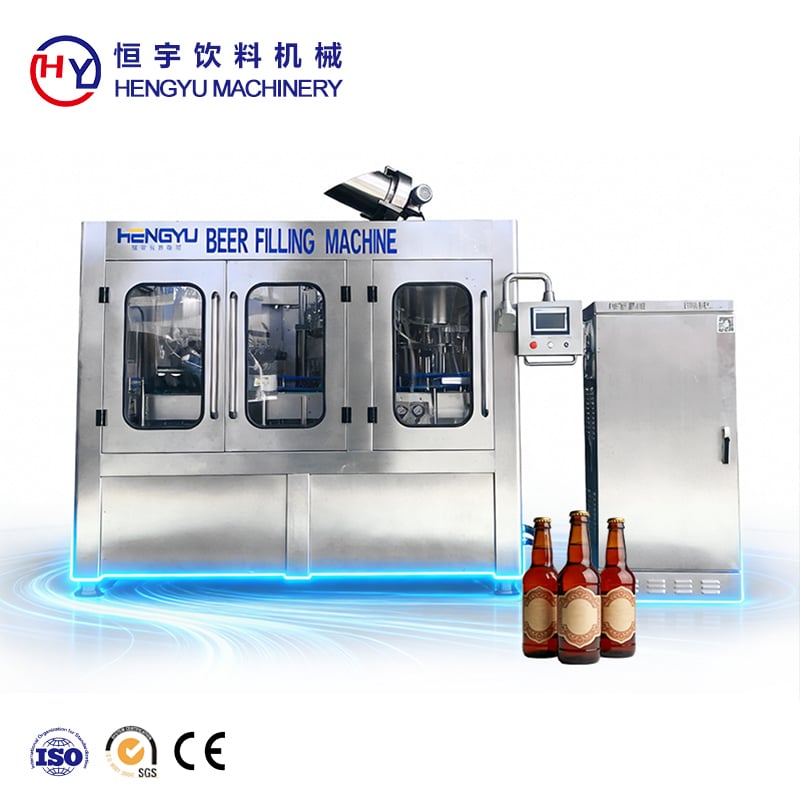
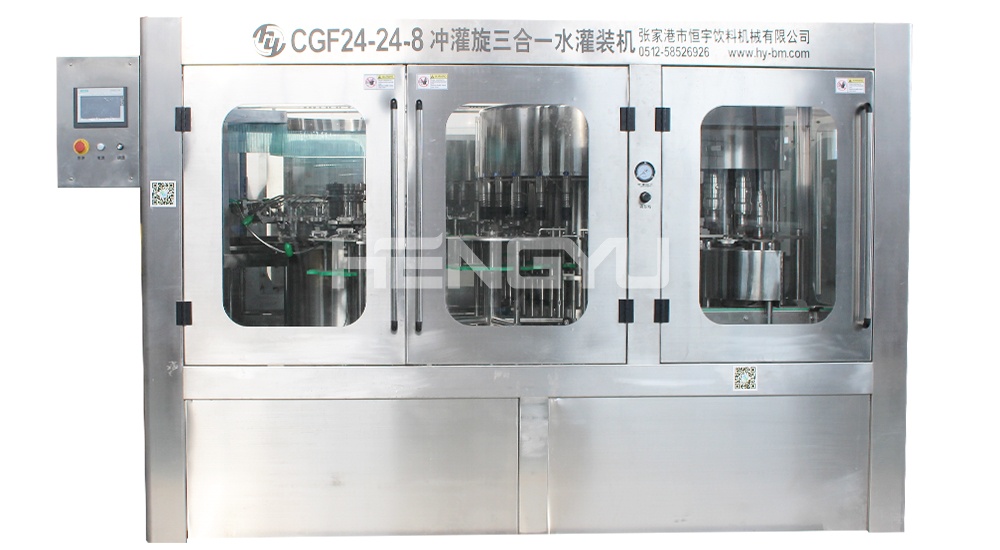
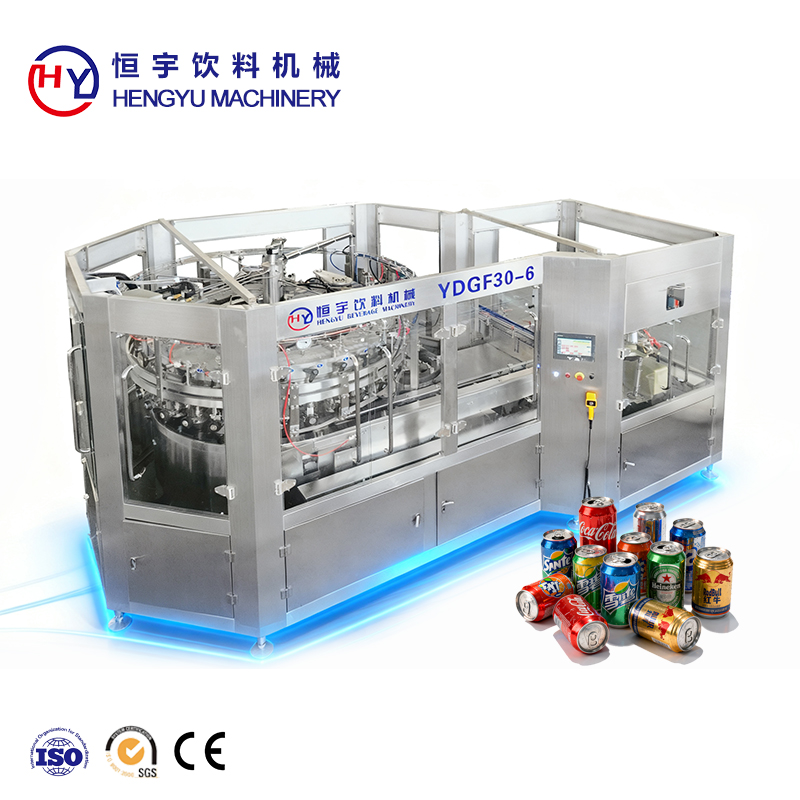
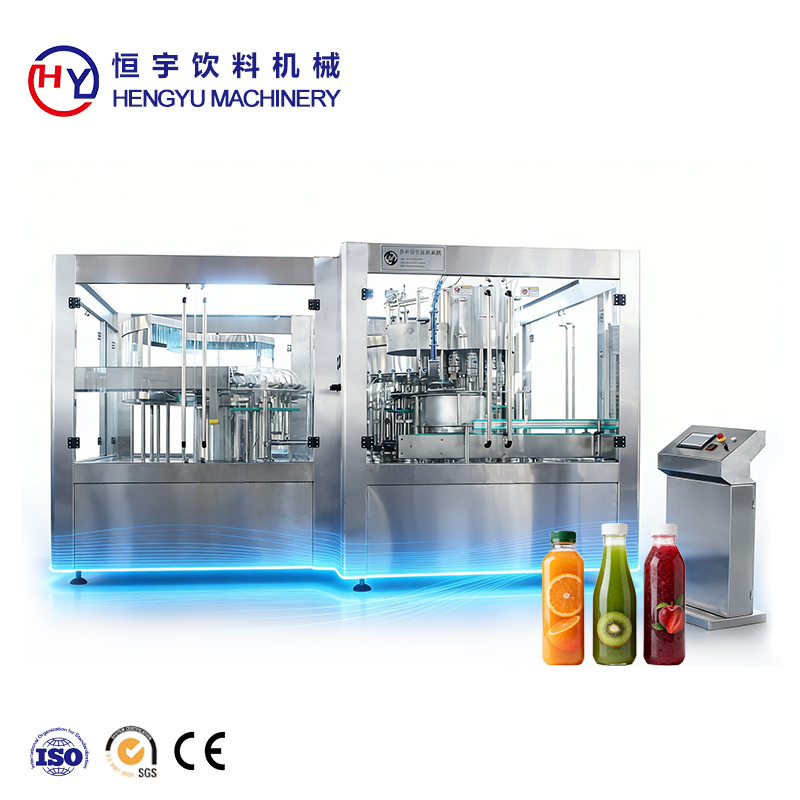
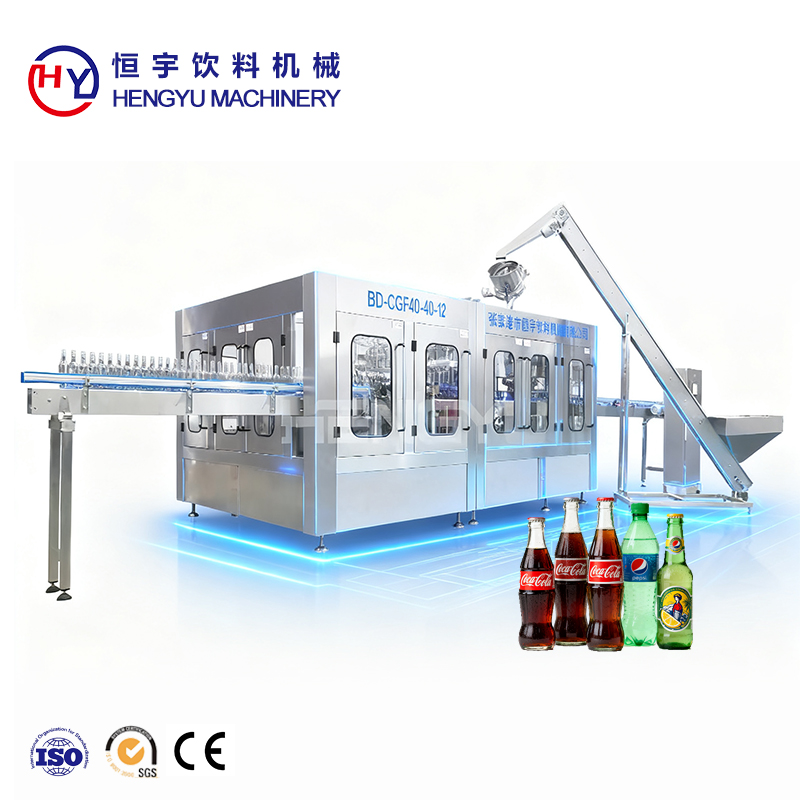
A drink filling machine represents an essential piece of automated equipment designed specifically to streamline the beverage production process by accurately dispensing liquids into containers of various sizes and materials. These sophisticated systems incorporate precision engineering to handle everything from water and juices to carbonated beverages and alcoholic drinks with remarkable efficiency. The primary function of a drink filling machine centers on delivering consistent fill levels while maintaining product integrity and preventing contamination throughout the packaging process. Modern drink filling machine technology utilizes advanced sensors and control systems that monitor fill volumes in real-time, ensuring each container receives the exact amount specified. The equipment typically integrates seamlessly with existing production lines, connecting bottle rinsing units, capping machines, and labeling systems to create a comprehensive packaging solution. Technological features of contemporary drink filling machine units include programmable logic controllers that allow operators to adjust parameters quickly for different product formulations and container specifications. Many systems employ servo-driven filling heads that provide exceptional accuracy even at high production speeds, while stainless steel construction ensures durability and compliance with food safety regulations. The versatility of these machines extends across numerous applications including bottled water facilities, soft drink manufacturers, dairy processing plants, brewery operations, and pharmaceutical liquid production. Whether handling still or carbonated beverages, hot-fill or cold-fill applications, a properly configured drink filling machine adapts to diverse production requirements. The automation these systems provide reduces labor costs significantly while improving output consistency and minimizing product waste. Investment in quality drink filling machine technology delivers long-term operational benefits through reduced downtime, lower maintenance requirements, and enhanced production flexibility that allows manufacturers to respond quickly to market demands and introduce new product lines efficiently.

New Products

Investing in a drink filling machine transforms your production capabilities by delivering measurable improvements across multiple operational dimensions that directly impact your bottom line. First and foremost, these systems dramatically increase production speed compared to manual or semi-automated processes, enabling your facility to meet growing market demand without proportional increases in labor expenses. The precision offered by modern drink filling machine technology eliminates the inconsistencies inherent in human operation, ensuring every bottle or container receives exactly the right amount of product, which directly reduces costly overfilling while maintaining compliance with regulatory requirements regarding package contents. This accuracy translates into significant material savings over time, as even small reductions in overfill percentages multiply substantially across millions of units produced annually. The automated nature of a drink filling machine also enhances workplace safety by reducing repetitive motion injuries and minimizing direct human contact with products, particularly important when handling hot liquids or beverages requiring strict hygiene protocols. Maintenance costs decrease substantially compared to older equipment models because contemporary designs feature modular components that simplify troubleshooting and replacement procedures, allowing your technical team to address issues quickly without extended production interruptions. The flexibility built into quality drink filling machine systems means you can switch between different container sizes and product types with minimal changeover time, enabling your business to diversify product offerings and respond rapidly to seasonal fluctuations or emerging market trends. Energy efficiency represents another practical advantage, as newer models incorporate power-saving features that reduce utility expenses while supporting corporate sustainability initiatives that increasingly influence consumer purchasing decisions. The data collection capabilities integrated into advanced drink filling machine controllers provide valuable production insights, tracking output rates, identifying bottlenecks, and generating reports that inform strategic decisions about capacity expansion and process optimization. Quality control improves dramatically because automated systems apply consistent torque to caps, maintain sterile filling environments, and reject defective containers before they enter distribution channels, protecting your brand reputation and reducing recall risks. The scalability of modular drink filling machine configurations allows you to start with capacity matching current needs while retaining options to expand throughput as your business grows, protecting your capital investment and avoiding premature obsolescence. Training requirements decrease since modern interfaces utilize intuitive touchscreen controls and visual diagnostics that help operators master essential functions quickly, reducing the learning curve for new employees and improving overall workforce productivity across your packaging operations.

Practical Tips

Glass Bottle Filling Machine vs Plastic Bottle Filling Machine

04

Mar

Glass Bottle Filling Machine vs Plastic Bottle Filling Machine

Material Properties Dictate Core Machine Design Glass fragility and thermal mass: why glass bottle filling machines require reinforced frames, shock-dampened conveyors, and precision neck-handling grippers Working with glass bottles means going th...
View More
How to Choose a Glass Bottle Filling Machine for Beverage Production

06

Mar

How to Choose a Glass Bottle Filling Machine for Beverage Production

Match Filling Technology to Beverage Type and Sensitivity Counter-Pressure Fillers for Carbonated Beverages and Beer Carbonated drinks like soda, sparkling water and beer need careful filling techniques to keep their fizz intact while avoiding exc...
View More
Can Sealing Machine Maintenance Tips

23

Mar

Can Sealing Machine Maintenance Tips

Daily and Weekly Preventive Maintenance for Your Can Sealing Machine Essential Daily Checks: Belt Tension, Sealing Bar Alignment, and Tape Head Cleanliness Starting every shift with a quick check on belt tension makes all the difference. If belts a...
View More
Automation Technology in Can Sealing Machines

24

Mar

Automation Technology in Can Sealing Machines

How Automation Enhances Precision and Reliability in Can Sealing Machines Core Automation Components: Servo Drives, Vision Systems, and Closed-Loop Feedback in Modern Can Sealing Machines Today's can sealing equipment reaches incredible levels of p...
View More

Get a Free Quote

Our representative will contact you soon.
Email
Name
Phone/WhatsApp
Required Product
Message
0/1000

drink filling machine

Advanced Volumetric Accuracy and Consistency Control

Advanced Volumetric Accuracy and Consistency Control

The volumetric precision engineered into contemporary drink filling machine systems represents a quantum leap beyond traditional filling methods, delivering accuracy levels that directly translate into profitability and regulatory compliance. These sophisticated mechanisms employ multiple redundant measurement technologies working in concert to guarantee each container receives the precise liquid volume programmed into the system parameters. Flow meters continuously monitor product movement through filling nozzles while pressure sensors detect back-pressure indicating proper seal formation between filling heads and container openings. The control algorithms processing this data make microsecond adjustments to valve timing, compensating for variables like temperature fluctuations affecting liquid viscosity or slight dimensional variations in container manufacturing. This intelligent responsiveness ensures consistency across every production run regardless of ambient conditions or material supply variations. The financial impact of this precision cannot be overstated, particularly for manufacturers operating at high volumes where even fractional milliliter reductions in overfill multiply into substantial annual savings. A drink filling machine calibrated to eliminate just two milliliters of unnecessary overfill per container saves 2000 liters across every million units produced, representing significant raw material cost avoidance that flows directly to operating margins. Beyond cost savings, this accuracy protects manufacturers from regulatory penalties associated with short-filling, as government agencies impose strict requirements regarding minimum fill volumes that protect consumers from deceptive packaging practices. The documentation capabilities built into modern drink filling machine controllers create automatic audit trails recording fill volumes for quality assurance purposes, providing evidence of compliance that satisfies regulatory inspections and supports due diligence in the event of consumer complaints. The consistency delivered by automated filling also enhances product quality by ensuring uniform flavor profiles and ingredient distribution, particularly important for beverages containing suspended particles or multiple liquid phases that must be dispensed in specific ratios. This consistency extends to container sealing operations that follow filling, as precise fill levels enable capping machines to apply closures without spillage or inadequate headspace that could compromise product shelf life. Operators appreciate the simplicity of adjusting fill parameters through intuitive interfaces that display real-time performance metrics, allowing quick recipe changes when transitioning between products without requiring extensive recalibration procedures that consume valuable production time.
Hygienic Design and Contamination Prevention

Hygienic Design and Contamination Prevention

The sanitary engineering incorporated throughout every aspect of a quality drink filling machine addresses the critical imperative of protecting consumable products from microbial contamination and foreign material intrusion that could endanger consumer health and devastate brand reputation. Food-grade stainless steel construction dominates these systems, selected for its non-porous surface characteristics that prevent bacterial colonization and its resistance to corrosion from cleaning chemicals and acidic beverage formulations. Every component that contacts product features smooth, crevice-free geometry designed specifically to eliminate dead spaces where residues might accumulate and harbor microorganisms between production runs. The filling nozzles themselves incorporate sophisticated designs that prevent dripping and minimize foam generation while ensuring complete drainage after each fill cycle, eliminating standing liquid that could become contaminated. Many advanced drink filling machine configurations include automated clean-in-place systems that circulate sanitizing solutions throughout product pathways according to programmable schedules, reducing manual cleaning labor while improving sanitization effectiveness through precisely controlled chemical concentrations, temperatures, and contact times. The enclosed filling environment shields products from airborne contaminants prevalent in manufacturing facilities, with positive pressure systems in critical zones preventing outside air infiltration that might introduce dust, insects, or microbial contamination. For applications requiring exceptional hygiene standards like aseptic filling of shelf-stable products, specialized drink filling machine variants incorporate sterilization chambers using hydrogen peroxide vapor or ultraviolet light to eliminate microorganisms from containers immediately before filling, while maintaining sterile product pathways through steam barriers and sterile air filtration. The validation documentation supporting these hygienic systems satisfies rigorous regulatory requirements imposed by agencies governing food and beverage safety, including detailed specifications for surface finishes, material certifications, and cleaning validation protocols. Operators benefit from design features that facilitate rapid disassembly for inspection and manual cleaning of components requiring periodic deep sanitization, with tool-free connections and clearly marked assembly sequences that minimize reassembly errors. The investment in hygienic drink filling machine technology provides insurance against the catastrophic financial consequences of product recalls triggered by contamination events, which can include direct costs of retrieving and destroying affected inventory plus long-term damage to consumer confidence that depresses sales for extended periods. The peace of mind delivered by validated sanitary systems allows quality assurance teams to focus resources on proactive improvements rather than reactive crisis management, fostering a culture of continuous enhancement that strengthens competitive positioning in markets where safety and quality drive purchasing decisions.
Production Flexibility and Rapid Changeover Capability

Production Flexibility and Rapid Changeover Capability

The adaptability engineered into modern drink filling machine platforms delivers transformative strategic advantages for beverage manufacturers navigating markets characterized by proliferating product variants and rapidly shifting consumer preferences. Unlike rigid legacy systems designed for single container formats and dedicated product formulations, contemporary filling solutions incorporate modular architecture enabling quick reconfiguration to accommodate diverse bottle shapes, closure types, and liquid characteristics without requiring specialized engineering intervention. The mechanical adjustments necessary to transition between different container sizes utilize tool-free positioning systems with clearly marked settings corresponding to standard industry formats, allowing production staff to complete changeovers in minutes rather than hours while minimizing errors that could damage equipment or waste materials. Recipe management software stores parameters for multiple products including fill volumes, filling speeds, and temperature requirements, enabling operators to recall complete setups with simple touchscreen selections that automatically reposition mechanical components and adjust control algorithms. This flexibility proves particularly valuable for contract packagers serving multiple clients with distinct specifications, as the drink filling machine adapts seamlessly between jobs without compromising the precision or throughput that customers demand. The ability to economically produce shorter runs of specialized products opens market opportunities previously viable only for large-volume offerings, enabling manufacturers to test new flavor profiles, target niche demographics, and respond to seasonal demand fluctuations with agility that would be impossible using dedicated single-purpose filling lines. Beverage entrepreneurs launching innovative products appreciate how accessible drink filling machine technology has become, with scalable systems available at various investment levels allowing businesses to match equipment capabilities to current production volumes while retaining expansion options as market acceptance grows. The standardized components used throughout quality filling systems ensure replacement parts remain available long-term and technical support continues even as manufacturers introduce newer models, protecting equipment investments and avoiding premature obsolescence that forces costly premature replacements. Training requirements diminish substantially when production facilities standardize on common drink filling machine platforms across multiple lines, as operators develop transferable skills applicable throughout the facility rather than learning unique procedures for each piece of legacy equipment. The diagnostic capabilities integrated into intelligent filling systems identify performance issues before they escalate into failures, with predictive maintenance alerts prompting timely interventions that prevent unexpected downtime during critical production periods when contract commitments or seasonal demand require maximum output. This reliability combined with flexibility creates operational resilience that insulates manufacturers from supply chain disruptions and equipment failures that could otherwise force production halts and unfulfilled customer orders damaging business relationships and revenue streams.