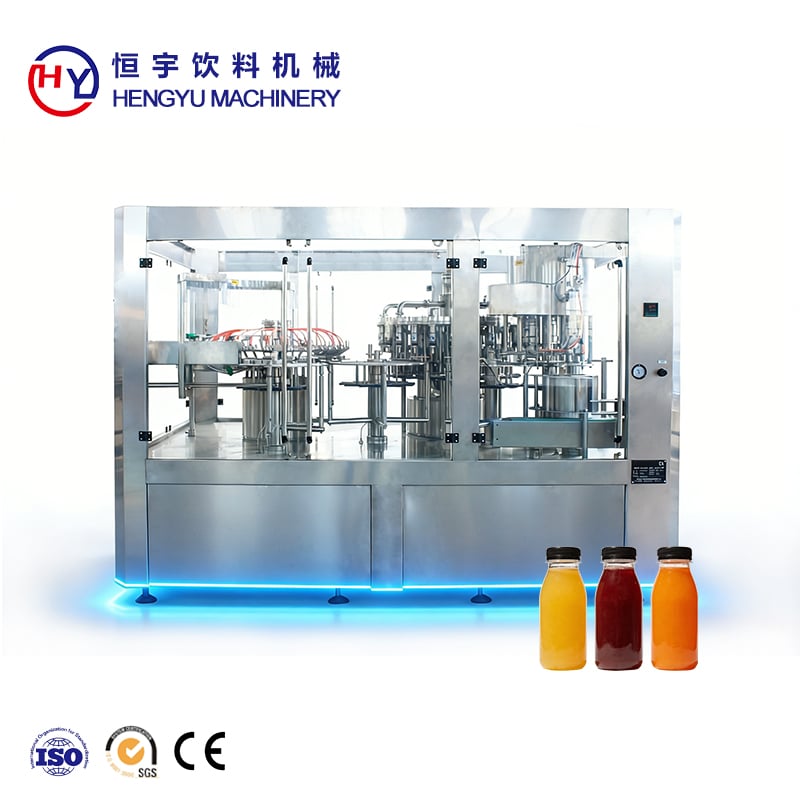
Versatile Container Compatibility for Maximum Production Flexibility
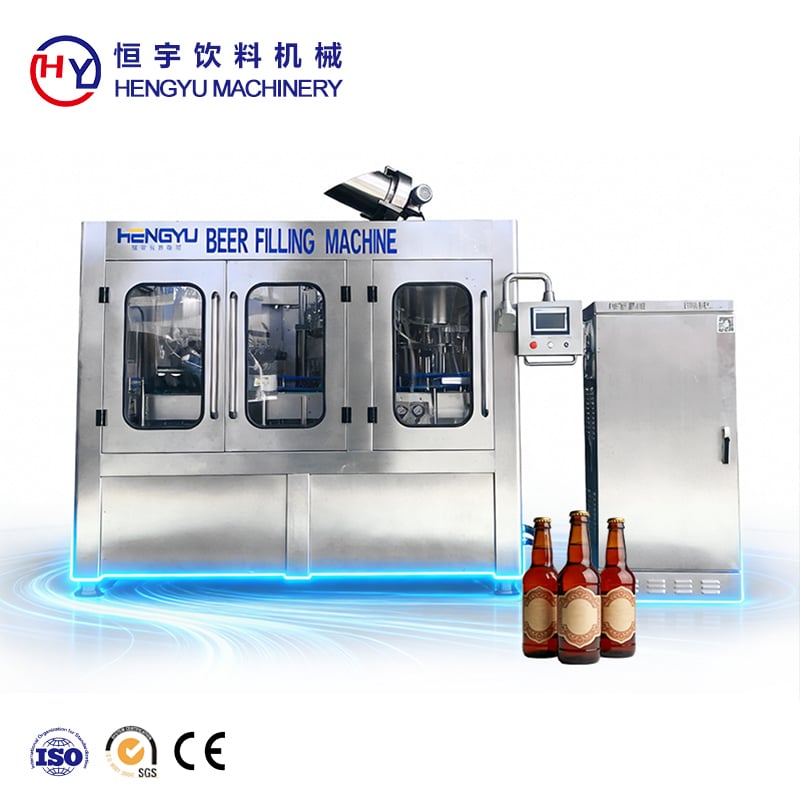
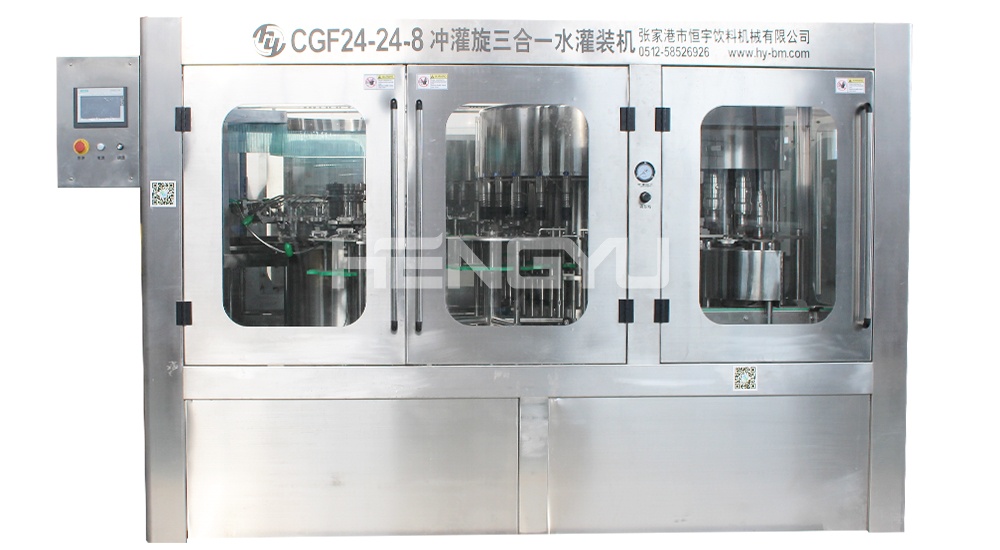
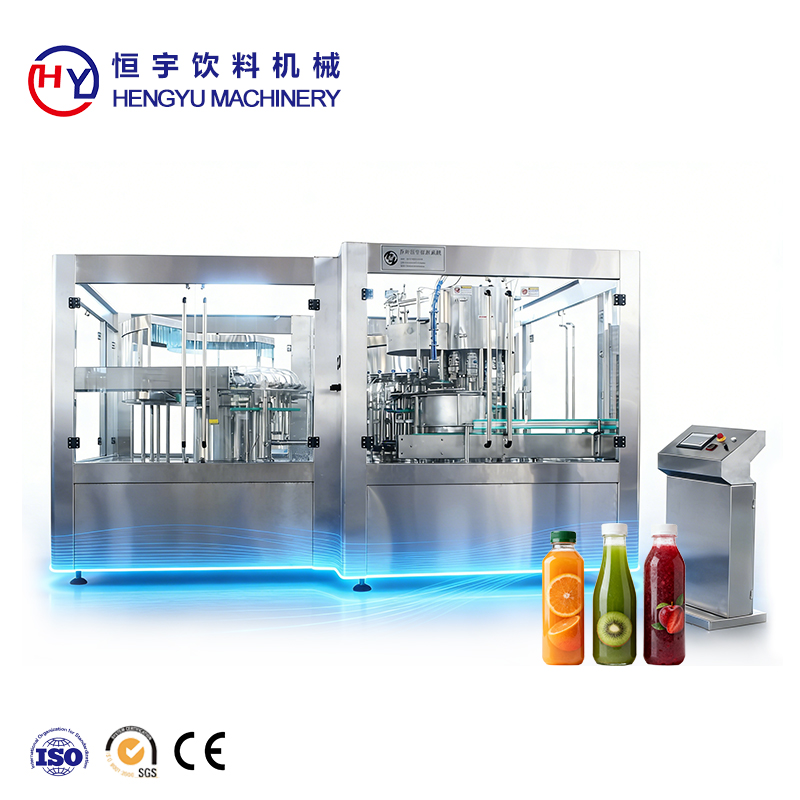
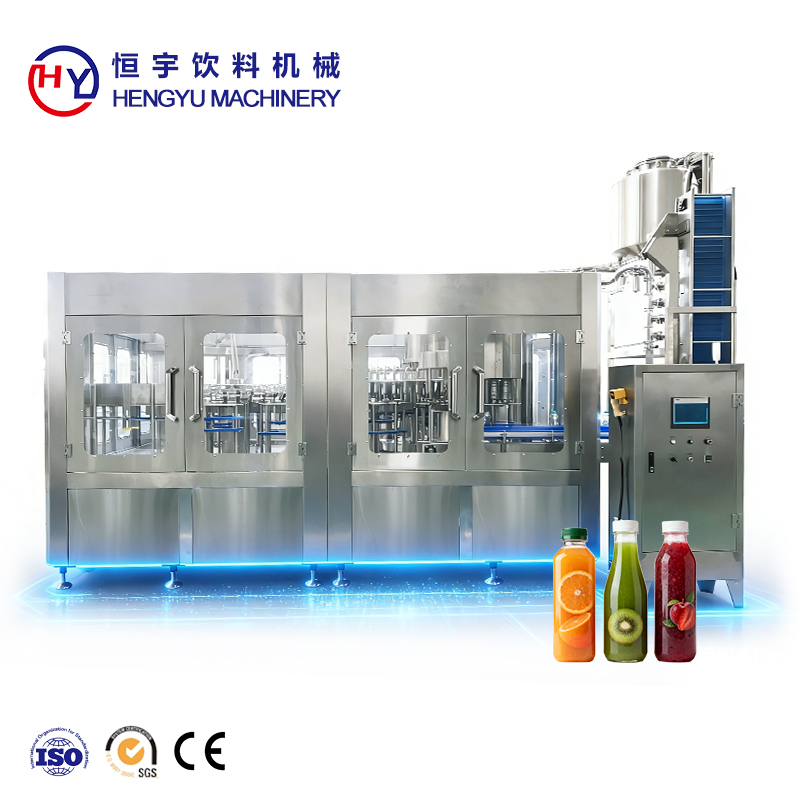
The versatile container compatibility engineered into modern juice filling machines delivers exceptional production flexibility that allows beverage manufacturers to respond quickly to market opportunities, consumer preferences, and distribution channel requirements without investing in multiple dedicated filling lines. This adaptability stems from sophisticated mechanical designs that accommodate dramatic variations in container dimensions, shapes, and materials through adjustable guide rails, variable-height filling nozzles, and intelligent sensing systems that automatically detect container presence and positioning. A single juice filling machine can typically handle container volumes ranging from small single-serve bottles of 200 milliliters up to large family-size jugs of 2 liters or more, with rapid changeover procedures that take minutes rather than hours. The mechanical adjustments required for different container sizes often feature tool-free designs with clearly marked settings that allow operators to reconfigure the equipment quickly based on production schedules. This capability proves invaluable for manufacturers producing diverse product portfolios that include multiple juice flavors, serving sizes, and packaging formats targeting different market segments. The material compatibility extends across glass bottles, which remain popular for premium juice brands emphasizing sustainability and product purity, PET plastic containers that offer lightweight portability and shatter resistance for active consumers, and increasingly popular alternative materials such as plant-based plastics and recyclable cartons. Advanced juice filling machines incorporate container detection systems that verify proper positioning before initiating the fill cycle, preventing spills and equipment damage that might otherwise occur with unusual bottle shapes or unstable containers. The shape versatility accommodates everything from traditional cylindrical bottles to contemporary square designs, uniquely contoured brand-specific packaging, and wide-mouth jars for thick smoothie products. This geometric flexibility enables brand differentiation through distinctive packaging that stands out on crowded retail shelves while utilizing the same core filling equipment. For businesses serving multiple distribution channels, the container compatibility of juice filling machines supports diverse packaging strategies such as glass bottles for premium retail placement, plastic containers for mass market distribution, and bag-in-box formats for food service applications, all processed on the same production line with minimal downtime between formats. The economic advantages of this versatility include reduced capital equipment requirements, lower facility space needs, simplified maintenance with fewer machines to service, and improved asset utilization as the same equipment supports multiple products rather than sitting idle between dedicated production runs. The strategic benefits extend to market responsiveness, as manufacturers can quickly introduce new package sizes or formats to test consumer reception without substantial infrastructure investments, accelerating innovation cycles and reducing the financial risk of new product development. For seasonal producers who experience demand fluctuations throughout the year, versatile juice filling machines enable efficient production of core products during peak seasons while accommodating smaller specialty runs during slower periods, maintaining equipment productivity across the annual cycle and improving return on investment calculations.

 CN
CN