Professional Bottled Water Filling Machine - Automated Solutions for Beverage Production

All Categories

bottled water filling machine

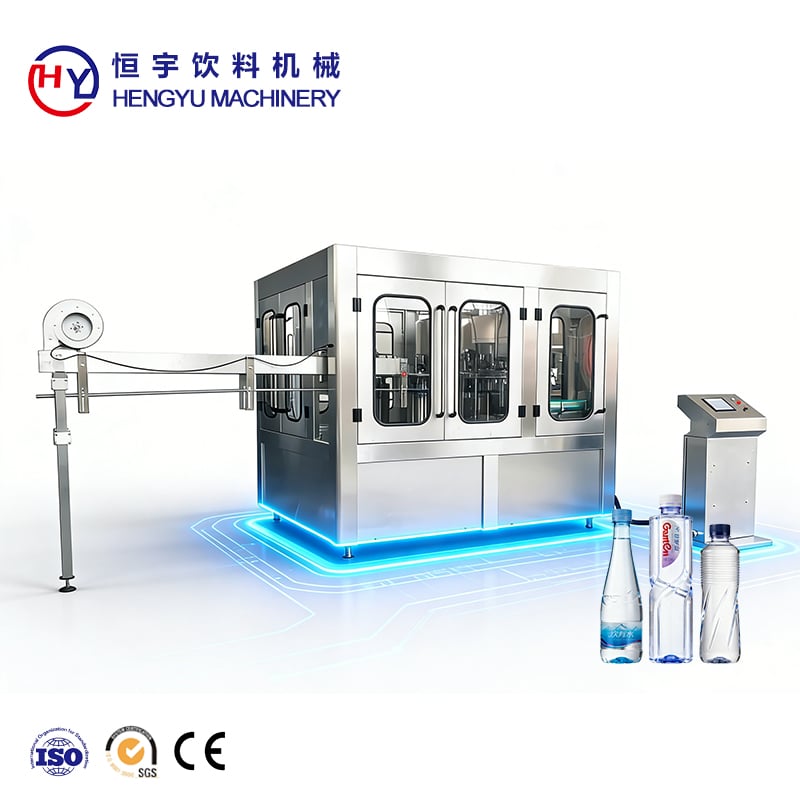
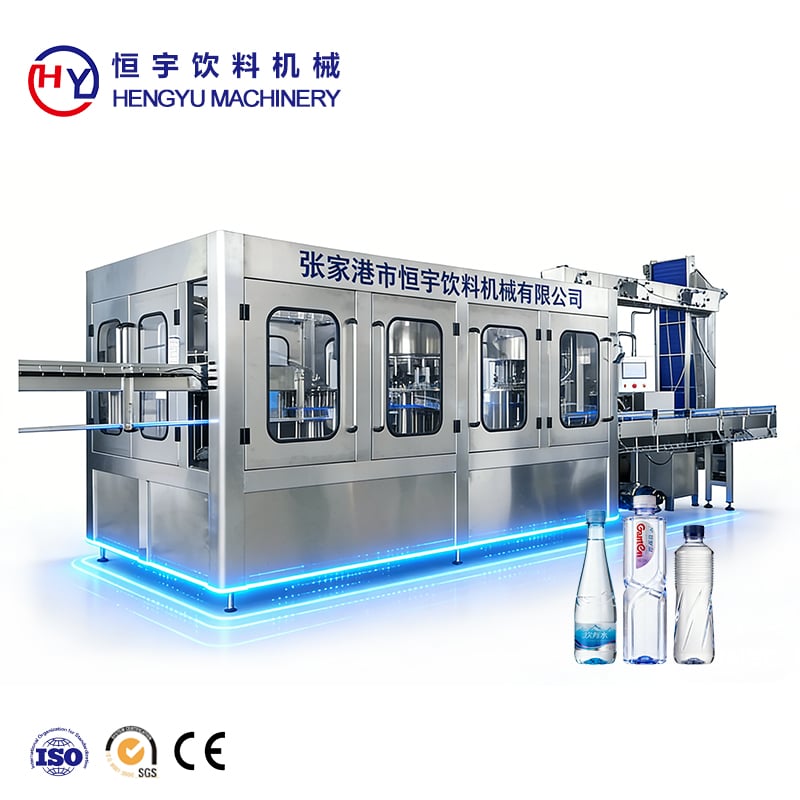
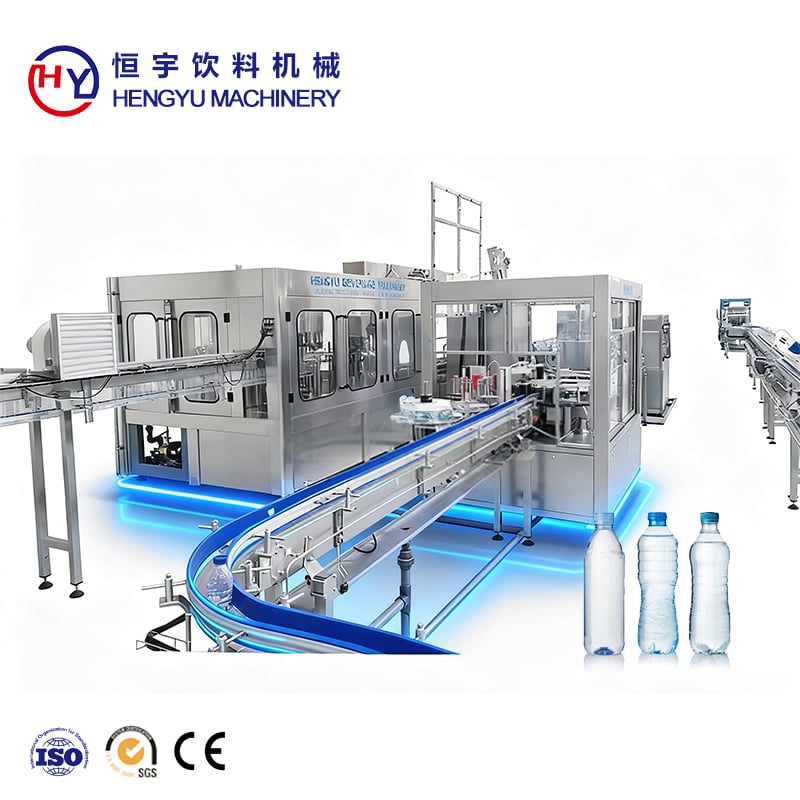
A bottled water filling machine represents a sophisticated automated production system designed to efficiently fill, cap, and seal bottles with purified or mineral water. This essential equipment serves as the backbone of modern beverage manufacturing operations, handling everything from small-scale production to large industrial output. The machine integrates multiple operational stages into one seamless workflow, incorporating rinsing, filling, capping, labeling, and packaging functions. Modern bottled water filling machines utilize advanced sensor technology and programmable logic controllers to ensure precise liquid measurement and contamination-free processing. These systems accommodate various bottle sizes and materials, including PET plastic, glass, and polycarbonate containers, making them versatile solutions for diverse production requirements. The technological architecture typically includes a bottle infeed conveyor system, air rinsing station, gravity or pressure filling valves, automatic capping unit, and output conveyor for subsequent packaging stages. Sanitation standards remain paramount, with machines constructed from food-grade stainless steel and incorporating CIP cleaning systems that maintain hygiene without disassembly. Production capacities range from 2,000 bottles per hour for small operations to over 30,000 bottles hourly for industrial-scale facilities. Touch-screen interfaces provide operators with intuitive control over filling volumes, speed adjustments, and diagnostic monitoring. The equipment employs servo motor technology for precise bottle positioning and consistent fill levels, reducing product waste and ensuring regulatory compliance. Emergency stop mechanisms and safety guards protect workers while maintaining continuous operation. Energy-efficient designs incorporate variable frequency drives that optimize power consumption based on production demands. The modular construction allows businesses to expand capacity by adding filling heads or integrating additional processing stations. Quality control sensors detect improper caps, underfilled bottles, and contamination, automatically rejecting defective units before they reach consumers. This comprehensive automation reduces labor costs, minimizes human error, and delivers consistent product quality that meets international beverage standards.

New Product Releases

Investing in a bottled water filling machine transforms production efficiency while delivering measurable cost savings that directly impact your bottom line. These automated systems dramatically reduce labor requirements, allowing a single operator to oversee processes that previously demanded multiple workers, cutting personnel expenses by up to 60 percent compared to manual filling operations. The precision filling technology eliminates overfilling waste, ensuring each bottle contains the exact specified volume, which translates to significant savings on raw materials over time. Speed represents another compelling advantage, with modern machines processing thousands of bottles hourly, enabling businesses to meet growing market demand without proportional increases in overhead costs. Consistency stands as a critical benefit, as automated systems maintain identical fill levels and quality standards across every bottle produced, building consumer trust and brand reputation. The machines operate continuously with minimal downtime, maximizing production hours and revenue generation potential throughout each shift. Sanitation capabilities surpass manual methods, with automated cleaning cycles and sealed filling environments preventing contamination that could trigger costly product recalls or damage brand credibility. Flexibility allows quick changeovers between different bottle sizes and formats, letting producers respond rapidly to market trends or customer preferences without expensive retooling. Energy-efficient designs reduce electricity consumption compared to older equipment, lowering operational costs while supporting environmental sustainability goals that resonate with modern consumers. The equipment requires minimal floor space relative to output capacity, optimizing facility utilization and potentially eliminating the need for expensive building expansions. Real-time monitoring systems provide instant visibility into production metrics, enabling managers to identify bottlenecks, optimize workflows, and make data-driven decisions that enhance profitability. Reduced product loss through automated quality control catches defects before bottles leave the facility, protecting revenue and preventing costly customer complaints. The machines integrate seamlessly with upstream purification systems and downstream packaging equipment, creating efficient end-to-end production lines that minimize handling and transportation within facilities. Lower maintenance requirements compared to multiple separate machines reduce repair costs and unplanned downtime that disrupts production schedules. Return on investment typically occurs within 18 to 24 months for medium-volume operations, after which the equipment generates pure profit through ongoing operational savings. The professional appearance of uniformly filled and sealed bottles enhances product presentation, supporting premium pricing strategies and competitive positioning in crowded marketplace environments.

Tips And Tricks

Glass Bottle Filling Machine vs Plastic Bottle Filling Machine

04

Mar

Glass Bottle Filling Machine vs Plastic Bottle Filling Machine

Material Properties Dictate Core Machine Design Glass fragility and thermal mass: why glass bottle filling machines require reinforced frames, shock-dampened conveyors, and precision neck-handling grippers Working with glass bottles means going th...
View More
How Bottled Water Production Lines Maintain Product Safety

12

Mar

How Bottled Water Production Lines Maintain Product Safety

Regulatory Foundations and the Multi-Barrier Safety Framework FDA, EPA, and ISO Standards Specific to Bottled Water Production Lines The bottled water industry works within a pretty strict set of regulations. The FDA has these things called Good Ma...
View More
Troubleshooting Can Filling Machine Production Issues

21

Mar

Troubleshooting Can Filling Machine Production Issues

Power, Control, and Electrical Faults in Can Filling Machines Machine won't power on: main supply, fuses, and emergency stop circuit checks If the can filling machine won't start at all, the first thing to do is check whether the main power supply ...
View More
Can Filling Machine Capacity Planning Guide

22

Mar

Can Filling Machine Capacity Planning Guide

Understanding Can Filling Machine Capacity: Theory vs. Real-World Performance Why Theoretical Capacity Rarely Matches Effective Output on Can Filling Lines When companies talk about canning speed at 100 cans per minute, they're referring to what ha...
View More

Get a Free Quote

Our representative will contact you soon.
Email
Name
Phone/WhatsApp
Required Product
Message
0/1000

bottled water filling machine

Advanced Automation Technology Maximizes Production Efficiency

Advanced Automation Technology Maximizes Production Efficiency

The bottled water filling machine incorporates cutting-edge automation technology that revolutionizes beverage production through intelligent process control and seamless integration of multiple operational stages. At the heart of this system lies a sophisticated programmable logic controller that orchestrates every aspect of the filling process with microsecond precision, from bottle positioning through final capping. Servo motors provide exact control over conveyor speeds and filling valve operations, ensuring perfect synchronization that prevents jams, spills, or quality issues that plague less advanced equipment. High-resolution sensors continuously monitor bottle presence, fill levels, cap placement, and dozens of other parameters, feeding real-time data to the control system that instantly adjusts operations to maintain optimal performance. This intelligent automation eliminates the inconsistencies inherent in manual operations, where worker fatigue, distraction, or skill variations create quality fluctuations that frustrate customers and waste resources. The touch-screen interface presents operators with intuitive visual controls that require minimal training, displaying production statistics, alert notifications, and adjustment options in clear graphical formats that anyone can understand quickly. Recipe management functions store parameters for different bottle sizes and product specifications, allowing operators to switch production runs with just a few screen taps rather than complex manual adjustments that consume valuable production time. The automation extends to quality assurance, with vision systems inspecting each bottle for proper fill levels, secure caps, and label placement, automatically diverting defective units to rejection bins without slowing the main production line. This level of automation dramatically reduces the skill level required for operators, lowering training costs and making qualified staff easier to find and retain in competitive labor markets. Predictive maintenance algorithms analyze equipment performance patterns to forecast component wear before failures occur, scheduling replacements during planned downtime rather than suffering unexpected breakdowns that halt production during critical periods. The system logs comprehensive production data that managers can analyze to identify efficiency opportunities, track batch quality for regulatory compliance, and demonstrate due diligence in case of customer inquiries. Remote monitoring capabilities allow technical experts to diagnose issues and adjust parameters without traveling to the facility, reducing service costs and minimizing disruption when problems arise.
Exceptional Hygiene Standards Ensure Product Safety and Compliance

Exceptional Hygiene Standards Ensure Product Safety and Compliance

Maintaining impeccable hygiene standards represents a non-negotiable requirement in beverage production, and the bottled water filling machine excels in this critical area through thoughtful design and specialized sanitation features. Every surface that contacts water or bottles consists of food-grade stainless steel that resists corrosion, prevents bacterial growth, and withstands repeated exposure to cleaning chemicals without degrading or contaminating products. The enclosed filling environment shields the water from airborne contaminants, dust particles, and environmental pollutants that compromise product purity in open systems. Automatic clean-in-place systems circulate hot water and approved sanitizing solutions through all product contact surfaces without requiring disassembly, completing thorough cleaning cycles in a fraction of the time manual cleaning demands while delivering superior results. HEPA filtration systems maintain positive air pressure within critical zones, creating barriers that prevent external contamination from entering the filling area even when bottles move through input and output stations. The bottle rinsing station inverts containers and blasts filtered air or sterile water through interiors, removing dust, particles, and potential contaminants before filling begins, ensuring that only pristine bottles receive your product. Ultraviolet sterilization options provide an additional safety layer, exposing bottles and caps to germicidal UV light that destroys bacteria, viruses, and other microorganisms without chemicals or heat that might affect product quality. The seamless construction eliminates crevices and joints where bacteria could hide and multiply, making every surface accessible to cleaning agents and visual inspection. Sanitary design extends to the capping system, which handles caps in enclosed hoppers that protect them from contamination until the moment they seal each bottle. Documentation systems record cleaning cycles, maintenance activities, and sanitation verification tests, creating audit trails that demonstrate compliance with FDA regulations, HACKERS principles, and international food safety standards. This comprehensive approach to hygiene protects consumer health, shields your brand from reputation damage, and prevents costly recalls that could devastate smaller operations. The equipment meets or exceeds requirements established by regulatory agencies worldwide, providing confidence when exporting products to international markets with stringent import standards. Regular validation testing confirms that sanitation protocols effectively eliminate potential pathogens, with built-in sampling ports allowing quality assurance staff to collect specimens for laboratory analysis without contaminating production areas. The hygiene capabilities transform compliance from a burden into a competitive advantage, allowing you to market products with credible safety claims that resonate with health-conscious consumers increasingly concerned about beverage purity and manufacturing standards.
Versatile Design Adapts to Diverse Production Requirements

Versatile Design Adapts to Diverse Production Requirements

The remarkable versatility of modern bottled water filling machines enables businesses to respond dynamically to changing market conditions, customer preferences, and production demands without investing in multiple specialized systems. Quick-change components allow operators to switch between bottle sizes ranging from small individual servings to large multi-gallon containers within minutes rather than hours, maximizing equipment utilization and enabling efficient short-run production that serves niche markets or seasonal demands. Adjustable filling heads accommodate bottles of varying heights and diameters, while programmable volume controls precisely dispense quantities from a few ounces to several liters with consistent accuracy across the entire range. This flexibility proves invaluable for businesses testing new product sizes or responding to customer requests for custom bottle formats that differentiate their brands in competitive markets. The machines handle different bottle materials with equal proficiency, processing lightweight PET plastic bottles that reduce shipping costs, premium glass containers that appeal to upscale consumers, and durable polycarbonate bottles for water cooler applications, all on the same production line. Modular architecture allows capacity expansion by adding filling valves, extending conveyor sections, or integrating secondary equipment like labelers and case packers as production volumes grow, protecting initial investments by eliminating the need to replace entire systems when scaling operations. The equipment adapts to various water sources and treatment methods, working effectively with municipal supplies, well water, reverse osmosis systems, and mineral water from natural springs, provided upstream filtration meets basic purity standards. Production speed adjustments accommodate quality requirements, with slower speeds for premium products requiring extra care and maximum speeds for high-volume commodity production where efficiency drives profitability. The filling technology itself offers options, with gravity filling systems for still water, isobaric filling for carbonated products, and hot filling capabilities for enhanced microbial control in certain applications, all potentially available on the same basic machine platform. Integration capabilities allow the bottled water filling machine to function as part of comprehensive production lines incorporating blow molding equipment that creates bottles on-site, reducing inventory costs and transportation expenses for empty containers. Label application systems can be synchronized with filling operations, applying pressure-sensitive labels, shrink sleeves, or printed film directly after capping to create finished products ready for case packing and distribution. The versatility extends to operational environments, with models designed for temperature-controlled clean rooms, humid tropical climates, or facilities with limited space that require compact footprints. This adaptability makes the equipment suitable for diverse business models, from startup beverage brands testing market acceptance to established companies expanding product lines or entering new geographic markets with localized production facilities.