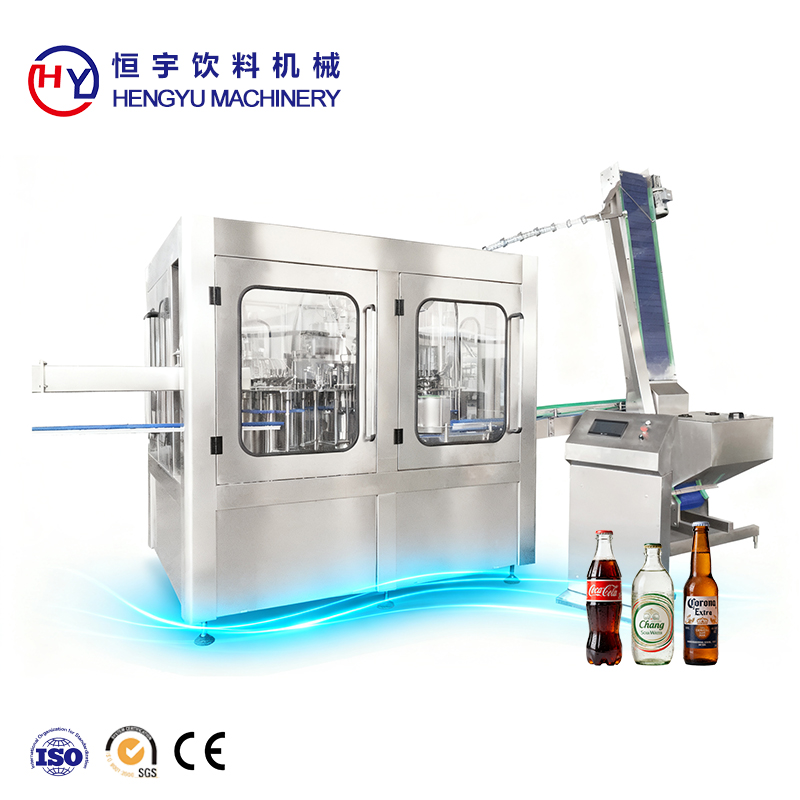
Professional Soda Packing Machine Solutions - High-Speed Automated Beverage Packaging Systems

All Categories

soda packing machine

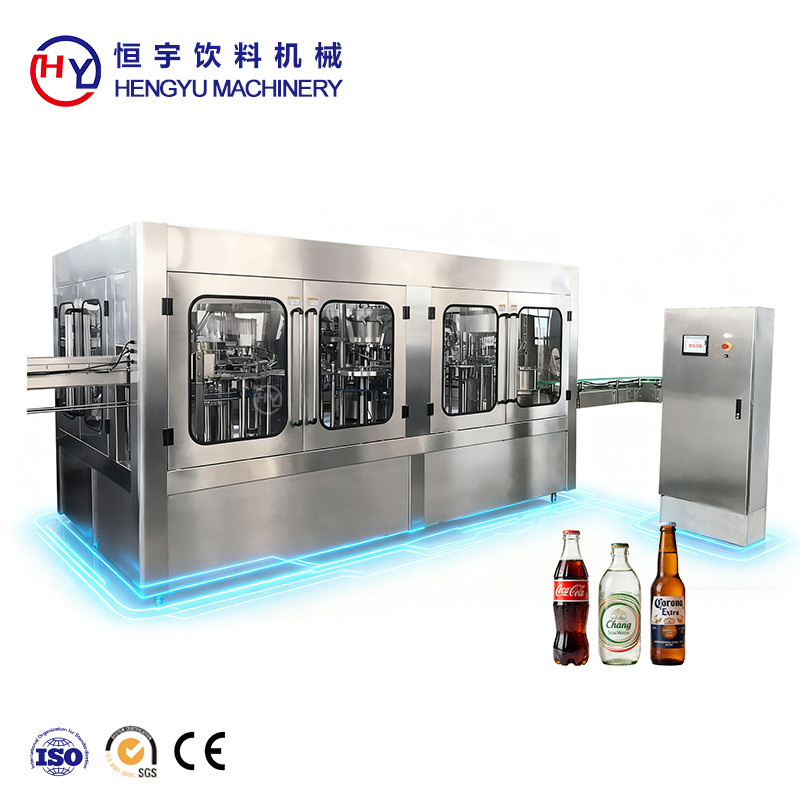
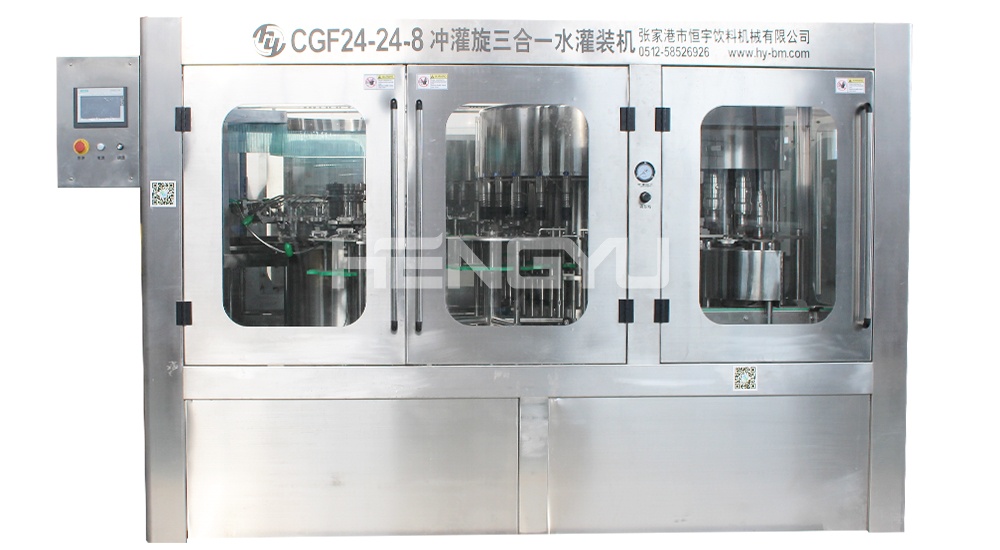
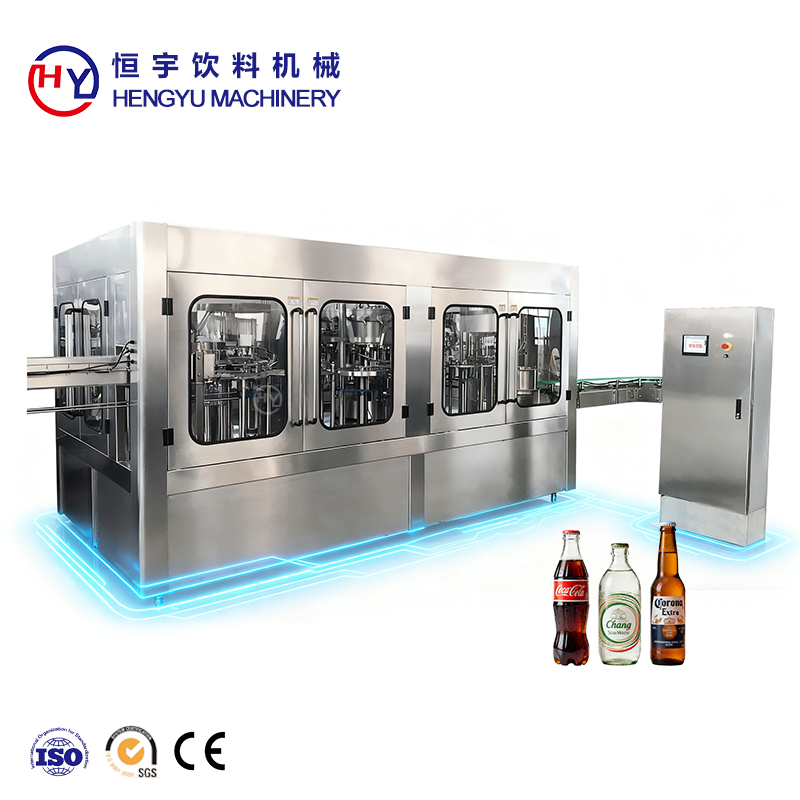
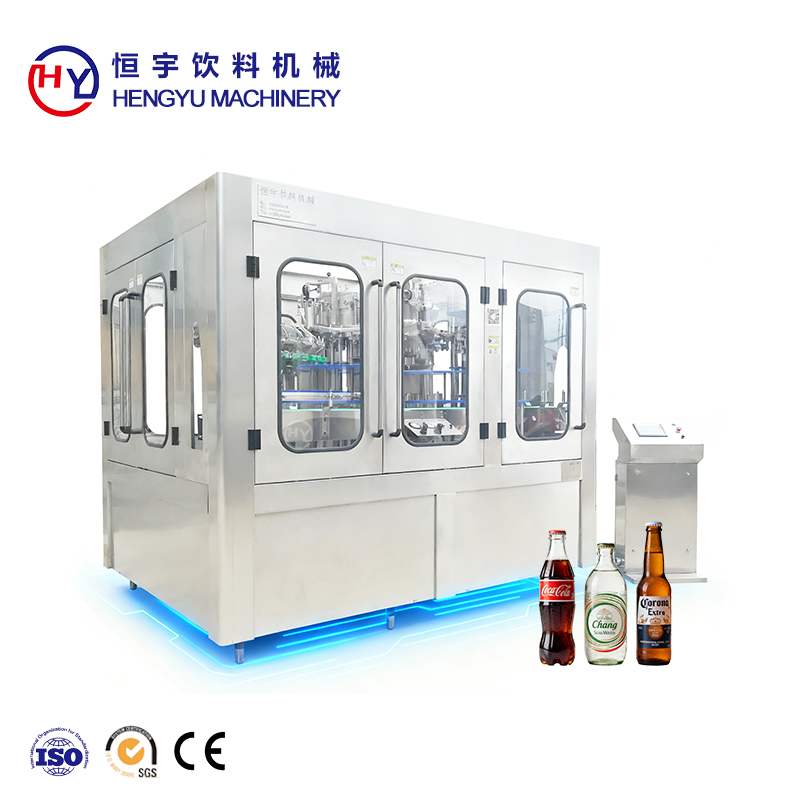
A soda packing machine represents an essential piece of automated equipment designed specifically for the beverage industry to streamline the packaging process of carbonated soft drinks. This sophisticated machinery handles the complete packaging cycle, from bottle arrangement to final sealed packaging, ensuring products reach consumers in pristine condition. The primary functions of a soda packing machine include automatic bottle feeding, grouping, wrapping, sealing, and output conveying, all executed with minimal human intervention. Modern soda packing machines incorporate advanced sensor technology that detects bottle presence, alignment, and packaging material positioning to maintain consistent quality throughout production runs. These systems can accommodate various packaging formats including shrink wrap, cardboard trays, corrugated cases, and multipack configurations, offering manufacturers flexibility to meet diverse market demands. The technological features embedded within contemporary soda packing machines encompass programmable logic controllers that allow operators to adjust parameters such as packaging speed, grouping patterns, and seal temperature through intuitive touchscreen interfaces. Servo motor systems provide precise movement control, ensuring gentle handling of bottles to prevent damage or excessive agitation that could compromise carbonation levels. Integration capabilities enable seamless connection with upstream filling lines and downstream palletizing equipment, creating a fully automated production environment. Applications for soda packing machines extend across bottling facilities of all scales, from regional producers to multinational beverage corporations. These machines process various bottle materials including PET plastic, glass, and aluminum cans in multiple sizes ranging from single-serve portions to family-size containers. The equipment proves particularly valuable in high-volume production environments where consistency, speed, and reliability directly impact profitability and customer satisfaction. By automating the packaging process, facilities achieve standardized output quality while reducing labor costs and minimizing product handling risks that could lead to contamination or breakage during the packaging stage.

New Product Recommendations

Implementing a soda packing machine delivers transformative benefits that directly enhance your bottom line and operational efficiency. First and foremost, these machines dramatically increase packaging speed compared to manual methods, with capabilities reaching up to 300 packages per minute depending on configuration and product specifications. This acceleration translates into higher daily output volumes, enabling your facility to fulfill larger orders and respond quickly to market demand fluctuations without requiring additional shifts or workforce expansion. The consistency achieved through automated packaging eliminates human error variables, ensuring every package meets identical specifications for appearance, seal integrity, and product count. This uniformity strengthens brand presentation on retail shelves and reduces customer complaints related to packaging defects or shortages. Labor cost reduction represents another significant advantage, as a single operator can oversee multiple soda packing machines simultaneously, reallocating workforce resources to value-added activities such as quality control and maintenance rather than repetitive manual packaging tasks. The machines optimize material usage through precise cutting and application of packaging films, eliminating the waste associated with manual wrapping techniques where operators might use excessive material to ensure adequate coverage. Energy efficiency built into modern designs reduces utility expenses, with standby modes that lower power consumption during production pauses and optimized heating elements that minimize electricity usage while maintaining proper sealing temperatures. Flexibility to switch between different package configurations without extensive downtime allows manufacturers to respond to promotional campaigns, seasonal variations, or new product launches with minimal disruption to production schedules. The equipment incorporates safety features including emergency stop functions, protective guards, and automatic shutdown protocols that protect operators from moving parts and hot surfaces, reducing workplace injury risks and associated compensation costs. Maintenance requirements remain manageable through accessible component designs and diagnostic systems that alert operators to potential issues before they escalate into costly breakdowns. Product protection improves substantially as automated systems handle bottles with calibrated gentleness, preventing the shock and vibration that manual handling might introduce, thereby preserving carbonation levels and liquid integrity. The packaging itself provides superior protection against environmental factors during storage and transportation, with tightly sealed wraps preventing dust accumulation and moisture intrusion. Return on investment typically materializes within eighteen to thirty-six months depending on production volumes, after which the cost savings and productivity gains represent pure profit enhancement for your operation.

Latest News

Glass Bottle Filling Machine vs Plastic Bottle Filling Machine

04

Mar

Glass Bottle Filling Machine vs Plastic Bottle Filling Machine

Material Properties Dictate Core Machine Design Glass fragility and thermal mass: why glass bottle filling machines require reinforced frames, shock-dampened conveyors, and precision neck-handling grippers Working with glass bottles means going th...
View More
How to Choose a Glass Bottle Filling Machine for Beverage Production

06

Mar

How to Choose a Glass Bottle Filling Machine for Beverage Production

Match Filling Technology to Beverage Type and Sensitivity Counter-Pressure Fillers for Carbonated Beverages and Beer Carbonated drinks like soda, sparkling water and beer need careful filling techniques to keep their fizz intact while avoiding exc...
View More
Can Filling Machine Capacity Planning Guide

22

Mar

Can Filling Machine Capacity Planning Guide

Understanding Can Filling Machine Capacity: Theory vs. Real-World Performance Why Theoretical Capacity Rarely Matches Effective Output on Can Filling Lines When companies talk about canning speed at 100 cans per minute, they're referring to what ha...
View More
Automation Technology in Can Sealing Machines

24

Mar

Automation Technology in Can Sealing Machines

How Automation Enhances Precision and Reliability in Can Sealing Machines Core Automation Components: Servo Drives, Vision Systems, and Closed-Loop Feedback in Modern Can Sealing Machines Today's can sealing equipment reaches incredible levels of p...
View More

Get a Free Quote

Our representative will contact you soon.
Email
Name
Phone/WhatsApp
Required Product
Message
0/1000

soda packing machine

Advanced Automation Technology That Transforms Production Efficiency

Advanced Automation Technology That Transforms Production Efficiency

The sophisticated automation technology integrated throughout modern soda packing machines represents a quantum leap forward from traditional packaging approaches, delivering unprecedented precision and reliability that revolutionizes beverage production operations. At the core of this advancement lies programmable logic controller systems that orchestrate every movement and function with microsecond timing accuracy, coordinating bottle infeed mechanisms, grouping assemblies, film application units, and sealing stations into a harmonious production flow. These intelligent control systems continuously monitor dozens of sensors positioned throughout the equipment, processing real-time data about bottle positions, packaging material tension, temperature readings, and mechanical performance parameters to make instantaneous adjustments that maintain optimal operating conditions regardless of production variables. The servo-driven motion control represents particularly noteworthy innovation, replacing older pneumatic and mechanical cam systems with electronically synchronized motors that deliver smooth acceleration profiles and precise positioning without the jerky movements that could disturb carbonated beverages or cause bottle instability. This refined motion control enables gentle product handling at high speeds, a seemingly contradictory combination that older technologies could not achieve effectively. Touchscreen human-machine interfaces simplify operation by presenting complex machine functions through intuitive visual displays, allowing operators to modify packaging configurations, adjust speed settings, or troubleshoot issues without consulting thick operation manuals or calling technicians for minor adjustments. Recipe management functionality enables storage of multiple production parameters as named presets, so switching from twelve-pack configurations to twenty-four-pack formats requires merely selecting the appropriate recipe rather than manually adjusting dozens of individual settings, reducing changeover time from hours to minutes. Vision systems employing high-resolution cameras and sophisticated image processing algorithms verify packaging quality by detecting missing bottles, misaligned labels, improperly sealed films, or foreign object contamination, automatically rejecting defective packages before they proceed to distribution channels. Predictive maintenance capabilities analyze vibration patterns, temperature trends, and cycle counts to forecast when components will require replacement, scheduling maintenance during planned downtime rather than suffering unexpected breakdowns during peak production periods. Communication protocols built into contemporary soda packing machines enable integration with enterprise resource planning systems, automatically transmitting production data, material consumption rates, and efficiency metrics to management dashboards that provide visibility into operations without requiring manual data collection and reporting efforts that consume valuable supervisor time.
Exceptional Versatility For Diverse Packaging Requirements

Exceptional Versatility For Diverse Packaging Requirements

The remarkable versatility engineered into advanced soda packing machines empowers beverage producers to address multiple market segments and packaging preferences with a single equipment investment, eliminating the historical need to purchase separate dedicated machines for different package types or bottle sizes. This flexibility begins with adjustable infeed systems featuring tool-free width and height modifications that accommodate bottle diameters ranging from slender energy drink containers to wide-body family-size formats, with transition between sizes completed during routine production breaks rather than requiring extended downtime or specialized technician intervention. Modular film handling systems accept various packaging materials including polyethylene shrink film, polypropylene wrap, and biodegradable alternatives, with temperature and tension parameters automatically adjusting to match material characteristics stored in the recipe database, ensuring optimal seal quality regardless of which sustainable packaging option your marketing team selects to align with corporate environmental commitments. Pattern flexibility allows creation of multiple grouping configurations from four-packs through thirty-six-packs, with cluster arrangements, linear rows, or custom geometric patterns all achievable through mechanical adjustment of guide rails and pusher spacing. Secondary packaging integration capabilities enable the same soda packing machine to insert bottle groups into corrugated trays before applying overwrap, or to create standalone shrink-wrapped multipacks without trays, providing options that address different retail channel requirements from club stores preferring bulk packaging to convenience outlets favoring smaller ready-to-stock formats. Bottle material compatibility extends across PET plastic, glass, aluminum cans, and emerging alternative materials, with grip pressure and handling speeds automatically calibrated to prevent damage to delicate containers while maintaining production throughput. Label orientation features ensure brand logos face outward on finished packages, enhancing shelf appeal and brand visibility in competitive retail environments where visual presentation influences consumer purchasing decisions within seconds of shelf exposure. The machines process both ambient and refrigerated products, with condensation management systems preventing moisture accumulation that could compromise packaging adhesion when handling cold bottles emerging from filling lines. Quick-change tooling systems enable production facilities to maintain dedicated changeover kits for their most common package formats, with color-coded components and foolproof installation designs that allow floor operators to complete format transitions independently without engineering support. Multi-lane configurations permit simultaneous packaging of different product varieties, maximizing throughput in facilities producing diverse flavor portfolios while maintaining complete segregation to prevent cross-contamination or mix-ups that could create fulfillment errors.
Robust Construction Ensuring Long-Term Reliability And Performance

Robust Construction Ensuring Long-Term Reliability And Performance

The industrial-grade construction methodology employed in manufacturing quality soda packing machines establishes a foundation for sustained performance that delivers consistent output over decades of demanding production schedules, representing a capital investment that continues generating value long after initial installation costs have been recovered through operational savings. Structural frameworks fabricated from heavy-gauge stainless steel provide the rigidity necessary to maintain precise mechanical alignments despite continuous vibration and dynamic loads, preventing the gradual misalignment issues that plague lighter-duty equipment and lead to progressively deteriorating package quality. Stainless steel surfaces meeting food-grade sanitation standards facilitate thorough cleaning protocols required in beverage facilities, resisting corrosion from washdown chemicals and humid environments while maintaining aesthetic appearance that reflects positively during customer facility tours and regulatory inspections. Sealed bearing assemblies throughout rotational components protect internal mechanisms from dust, liquid ingress, and contaminant intrusion, extending lubrication intervals and preventing premature wear that necessitates costly replacement of major assemblies. Industrial-rated electrical components specified for continuous-duty operation withstand the thermal stress of extended production runs without performance degradation, contrasting sharply with consumer-grade components that might appear in budget equipment offerings but fail prematurely under industrial workloads. Modular subsystem architecture facilitates maintenance by organizing machine functions into discrete replaceable units, allowing technicians to swap suspect modules quickly to restore production while troubleshooting the removed component offline without production pressure. Comprehensive parts availability through established distributor networks ensures replacement components remain accessible throughout the equipment's service life, avoiding the obsolescence problems associated with manufacturers who discontinue support for older models or exit the industry entirely. Engineering redundancy in critical systems such as dual-pathway emergency stops and backup sensor arrays provides fail-safe operation, preventing single-point failures from creating safety hazards or extended downtime that disrupts delivery commitments. Thermal management designs incorporating strategically positioned cooling fans and heat dissipation structures maintain optimal operating temperatures for electronic controls and motor drives, preventing thermal-induced failures that represent common causes of unexpected downtime in poorly designed equipment. The robust construction extends to consumable components such as cutting blades manufactured from premium tool steels that retain sharp edges through hundreds of thousands of cycles before requiring replacement, and heating elements constructed with commercial-grade resistance wire that maintains consistent temperature profiles throughout extended duty cycles. Transport systems employ heavy-duty conveyor chains rated for loads exceeding normal operational requirements, providing safety margins that prevent breakage even during occasional jam conditions when product accumulation creates temporary overload situations.