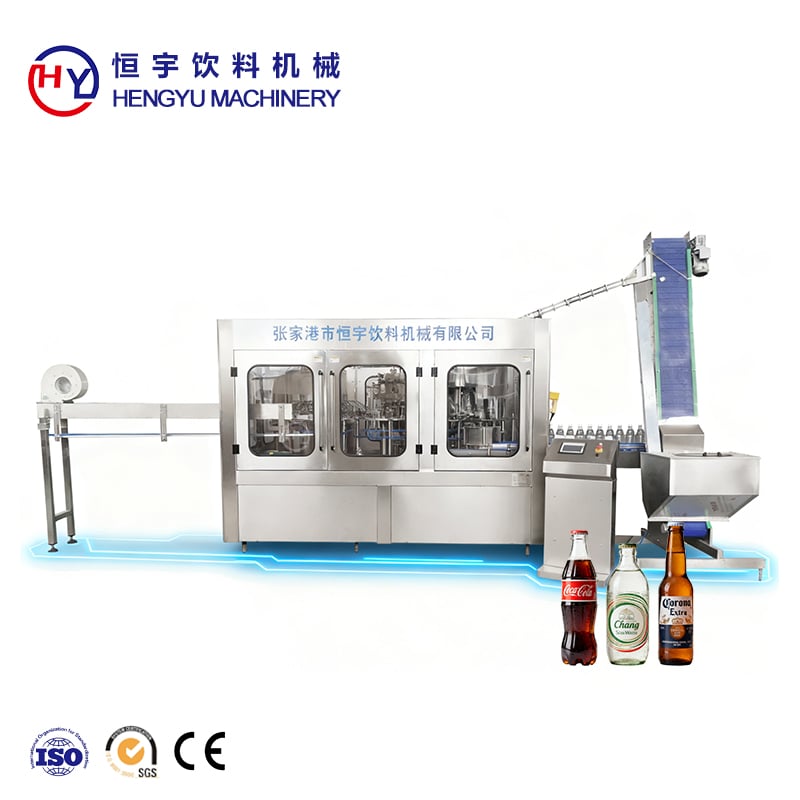
soft drink bottling machine
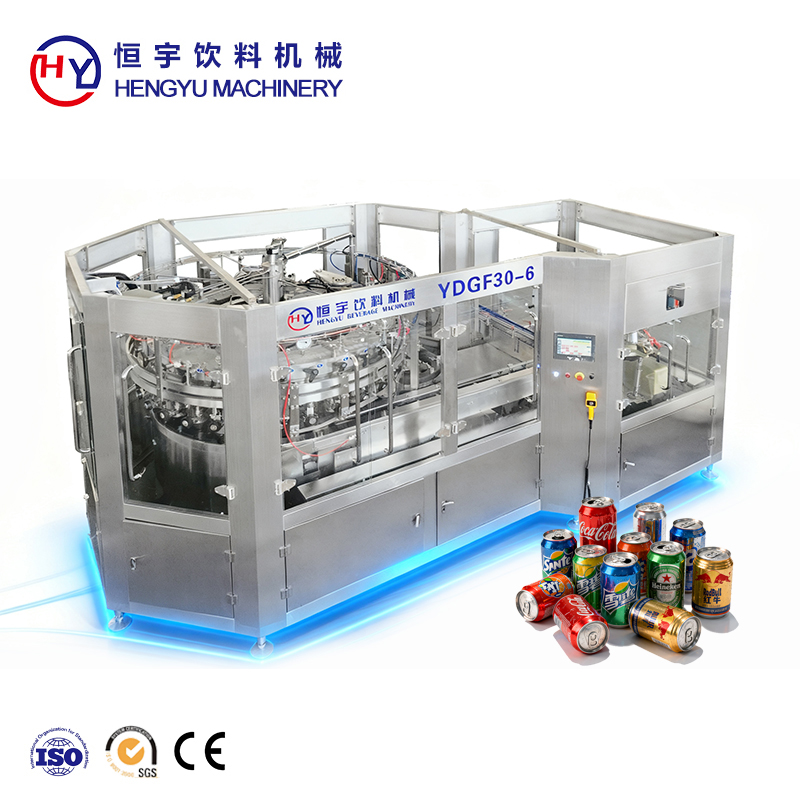
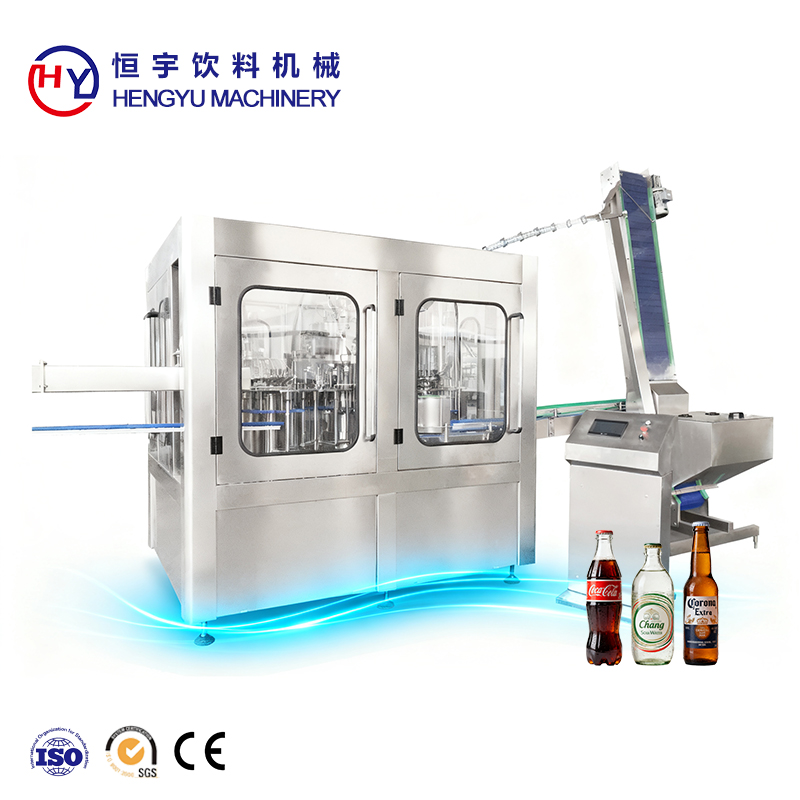
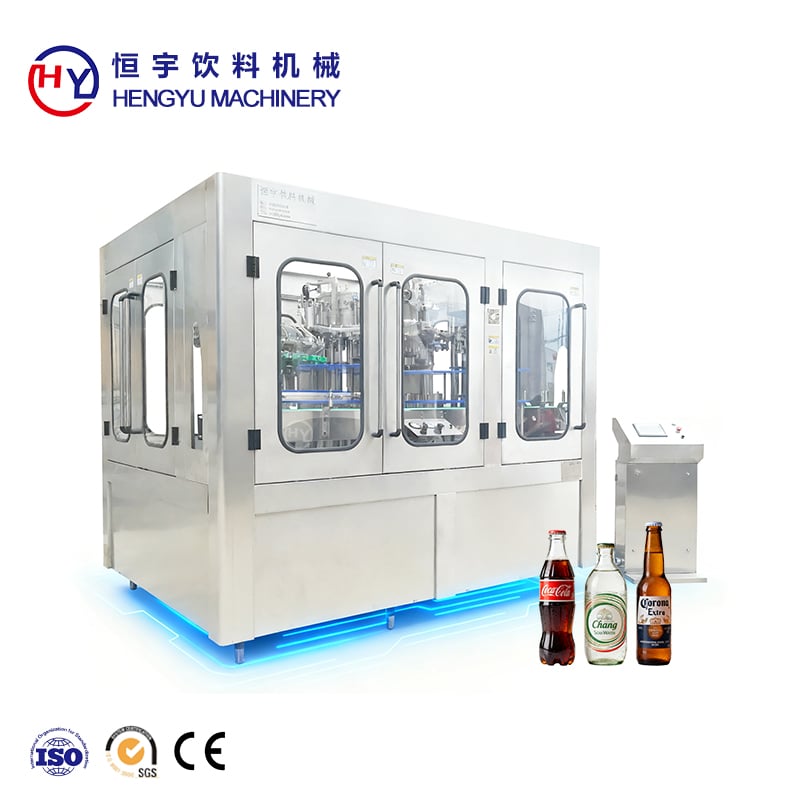
A soft drink bottling machine represents essential equipment for beverage production facilities that need to package carbonated and non-carbonated drinks efficiently. This automated system handles multiple stages of the bottling process, from container preparation through final packaging. Modern soft drink bottling machines integrate advanced technology to ensure consistent product quality while maintaining high production speeds. These machines work with various container types, including glass bottles, PET bottles, and aluminum cans, offering flexibility for different production requirements. The primary functions include rinsing containers to remove contaminants, filling precise volumes of beverage, capping or sealing containers securely, labeling products accurately, and preparing finished goods for distribution. The technological features of a soft drink bottling machine incorporate programmable logic controllers that allow operators to adjust settings for different product specifications. Sensors monitor every stage of production, detecting potential issues before they affect product quality. The filling systems use advanced measurement technology to ensure each container receives the exact amount of beverage, minimizing waste and maintaining consistency. Temperature control systems preserve carbonation levels in fizzy drinks, while pressure management ensures smooth operation throughout the filling process. Many contemporary soft drink bottling machines feature modular designs that allow manufacturers to expand capacity or modify configurations based on changing market demands. The applications of these machines span various beverage industry segments, from small craft soda producers to large multinational corporations. They handle everything from traditional cola and lemon-lime sodas to flavored sparkling waters, energy drinks, and sports beverages. Food service operations, contract packaging companies, and private label manufacturers rely on soft drink bottling machines to meet consumer demand for bottled beverages. The equipment supports both high-volume production runs and smaller batch operations, making it adaptable to different business scales and production strategies.

 CN
CN