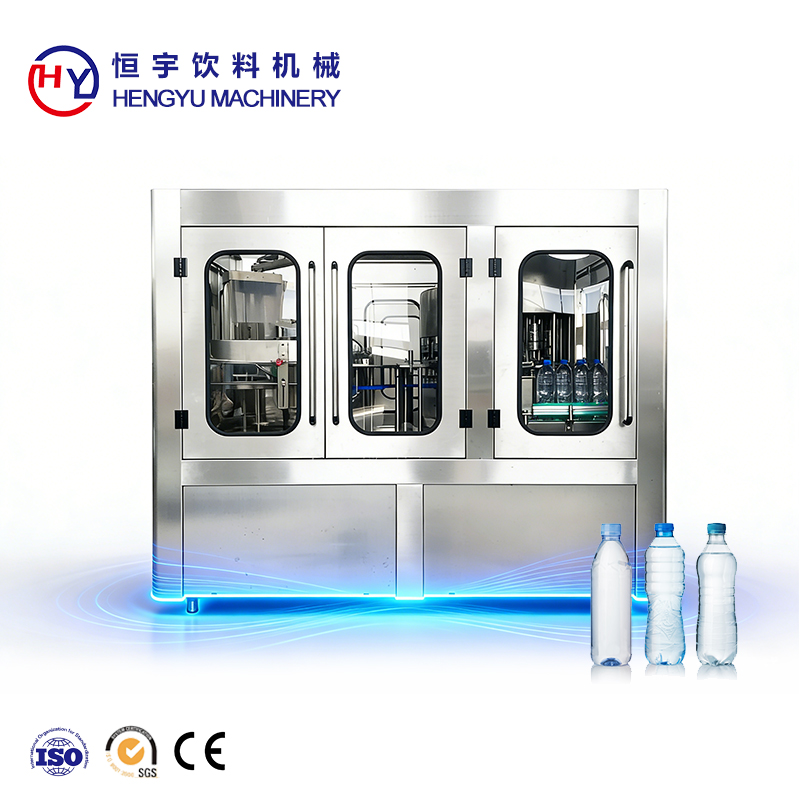
Complete Bottled Water Production Line Solutions - Advanced Manufacturing Systems for Pure Water Packaging

All Categories

bottled water production line

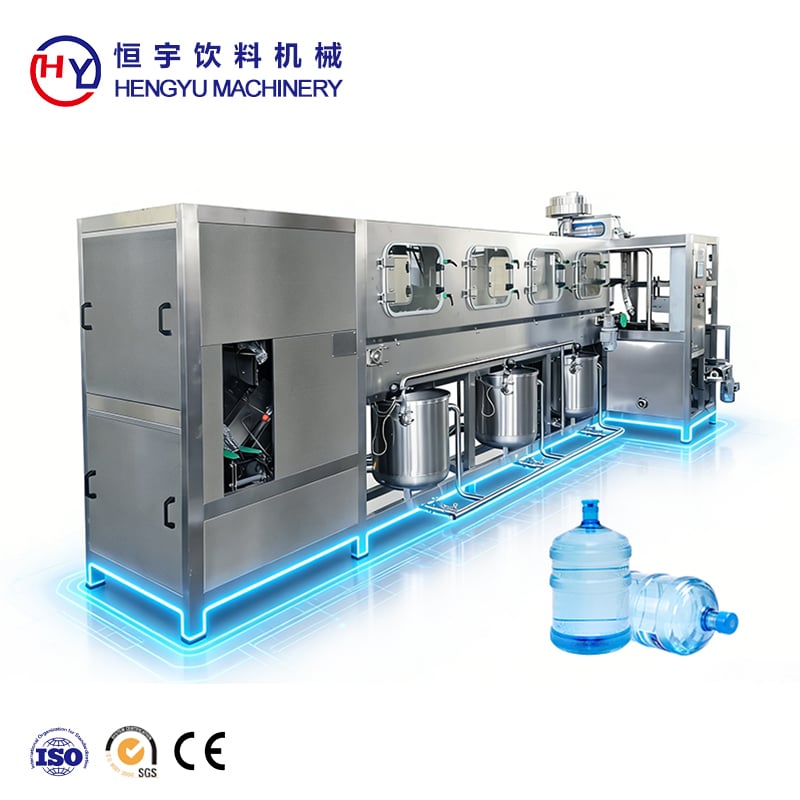
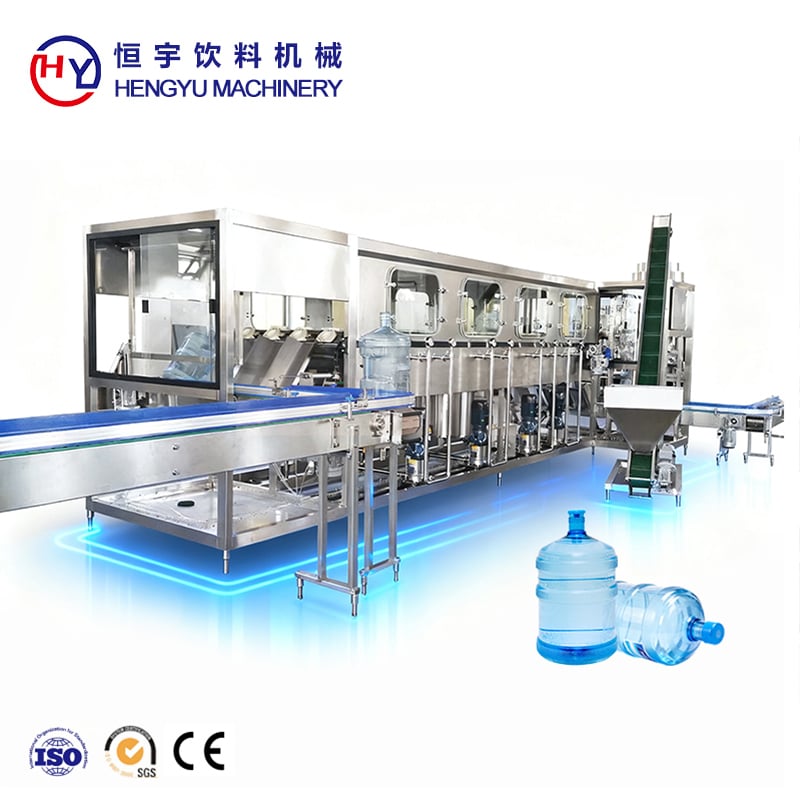
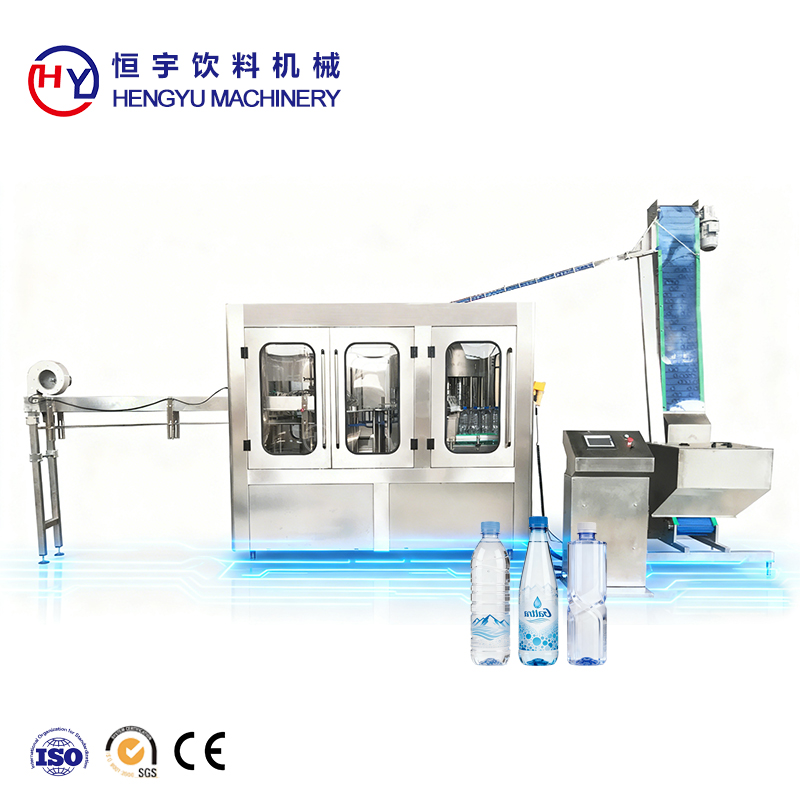
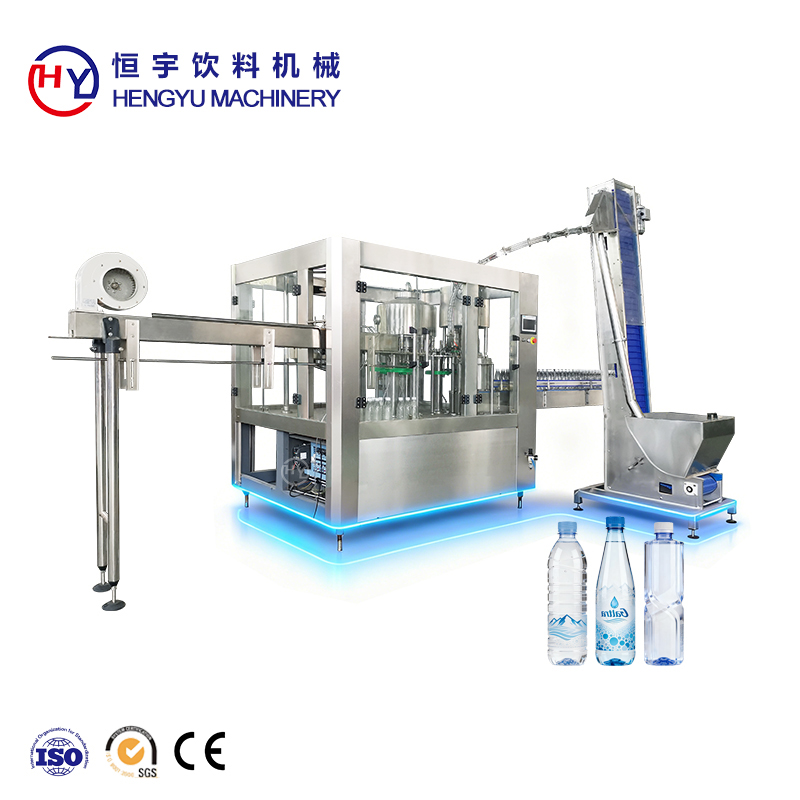
A bottled water production line represents a comprehensive automated system designed to transform raw water into packaged drinking water ready for distribution and consumption. This sophisticated manufacturing setup integrates multiple processing stages that work seamlessly together to ensure product quality, safety, and efficiency. The main functions of a bottled water production line encompass water treatment, bottle preparation, filling operations, capping mechanisms, labeling processes, and final packaging procedures. The technological features embedded within modern bottled water production lines include advanced filtration systems utilizing reverse osmosis technology, ultraviolet sterilization units that eliminate harmful microorganisms, ozone treatment capabilities for enhanced purification, and precision filling machines that maintain consistent volume accuracy. These production lines incorporate programmable logic controllers that enable operators to monitor and adjust parameters in real-time, ensuring optimal performance throughout the manufacturing process. The automation level varies depending on production capacity requirements, ranging from semi-automatic configurations suitable for small-scale operations to fully automated systems capable of producing thousands of bottles per hour. Applications of bottled water production lines span across various sectors including commercial beverage companies, municipal water authorities, hospitality industries, and private label manufacturers. The versatility of these systems allows for handling different bottle sizes, materials such as PET, glass, or HDPE, and various water types including purified, mineral, spring, or alkaline water. Modern bottled water production lines emphasize energy efficiency, reduced water wastage, minimal human intervention, and compliance with international food safety standards such as FDA, CE, and ISO certifications. The modular design of contemporary systems facilitates easy expansion, maintenance, and customization according to specific production requirements and market demands.

New Products

Investing in a bottled water production line delivers substantial benefits that directly impact your business profitability and operational success. The automation capabilities significantly reduce labor costs by minimizing the number of workers required to oversee production processes, allowing your team to focus on quality control and business growth initiatives rather than repetitive manual tasks. Production speed increases dramatically compared to manual operations, with modern systems capable of filling, capping, and labeling hundreds or even thousands of bottles every hour, which translates to higher output volumes and faster market delivery times. Consistency remains one of the most valuable advantages, as automated systems maintain uniform filling levels, secure cap placement, and precise label positioning across every single bottle produced, eliminating variations that could damage brand reputation or cause customer dissatisfaction. The enhanced hygiene standards achieved through enclosed processing environments and automated handling reduce contamination risks substantially, protecting consumers and helping you meet stringent regulatory requirements without additional monitoring expenses. Cost efficiency improves through optimized resource utilization, as modern bottled water production lines minimize water wastage during rinsing and filling operations, reduce energy consumption through intelligent power management systems, and decrease material waste by ensuring accurate bottle handling that prevents damage and rejects. Scalability provides tremendous flexibility for business expansion, allowing you to increase production capacity by adding modules or upgrading components without replacing the entire system, protecting your initial investment while accommodating market growth. Quality control mechanisms integrated throughout the production line automatically detect and reject defective bottles, incorrect fill levels, or improperly sealed caps before products reach consumers, reducing recall risks and maintaining brand integrity. The rapid return on investment becomes evident as increased production volumes, reduced labor expenses, and decreased waste collectively contribute to improved profit margins within relatively short timeframes. Operational reliability ensures consistent production schedules with minimal downtime, as modern equipment features robust construction, easily replaceable components, and predictive maintenance capabilities that identify potential issues before they cause production interruptions. Competitive positioning strengthens significantly when you can deliver high-quality bottled water at competitive prices while maintaining the flexibility to respond quickly to market demands, seasonal fluctuations, or custom packaging requirements that differentiate your products from competitors.

Tips And Tricks

Glass Bottle Filling Machine vs Plastic Bottle Filling Machine

04

Mar

Glass Bottle Filling Machine vs Plastic Bottle Filling Machine

Material Properties Dictate Core Machine Design Glass fragility and thermal mass: why glass bottle filling machines require reinforced frames, shock-dampened conveyors, and precision neck-handling grippers Working with glass bottles means going th...
View More
How Can Filling Machines Improve Beverage Production Speed

24

Mar

How Can Filling Machines Improve Beverage Production Speed

Filling Machine Type Determines Maximum Throughput Potential Gravity, Isobaric, and Piston Can Filling Machines: Speed vs. Precision Trade-offs Gravity fillers work well for delicate drinks such as juice, processing around 20 to 36 bottles every mi...
View More
Can Filling Machine Capacity Planning Guide

22

Mar

Can Filling Machine Capacity Planning Guide

Understanding Can Filling Machine Capacity: Theory vs. Real-World Performance Why Theoretical Capacity Rarely Matches Effective Output on Can Filling Lines When companies talk about canning speed at 100 cans per minute, they're referring to what ha...
View More
Can Sealing Machine Maintenance Tips

23

Mar

Can Sealing Machine Maintenance Tips

Daily and Weekly Preventive Maintenance for Your Can Sealing Machine Essential Daily Checks: Belt Tension, Sealing Bar Alignment, and Tape Head Cleanliness Starting every shift with a quick check on belt tension makes all the difference. If belts a...
View More

Get a Free Quote

Our representative will contact you soon.
Email
Name
Phone/WhatsApp
Required Product
Message
0/1000

bottled water production line

Advanced Multi-Stage Purification Technology Ensures Superior Water Quality

Advanced Multi-Stage Purification Technology Ensures Superior Water Quality

The sophisticated purification technology integrated into modern bottled water production lines represents a critical differentiator that directly impacts product quality and consumer safety. These systems employ multiple treatment stages working in coordinated sequence to remove impurities, contaminants, and microorganisms that could compromise water quality or pose health risks. The process typically begins with pre-filtration using sand filters and activated carbon units that eliminate larger particles, chlorine, and organic compounds affecting taste and odor. Subsequently, the water passes through reverse osmosis membranes featuring microscopic pores that block dissolved salts, heavy metals, bacteria, and viruses while allowing pure water molecules to pass through, achieving purification levels exceeding ninety-eight percent efficiency. Following reverse osmosis treatment, ultraviolet sterilization systems expose the water to high-intensity UV light that destroys DNA structures of remaining microorganisms, providing an additional safety barrier without introducing chemicals or affecting water taste. Many advanced bottled water production lines incorporate ozone treatment as a final purification step, where ozone gas dissolved in water provides powerful oxidation that eliminates residual contaminants and maintains water freshness throughout storage and distribution. The importance of this multi-stage approach cannot be overstated, as it ensures consistent compliance with international drinking water standards including WHO guidelines, EPA regulations, and local health authority requirements. For business owners, this technological sophistication translates to reduced liability risks, enhanced brand reputation, and the ability to market products with confidence in their safety and quality. Consumers increasingly prioritize health and safety when selecting bottled water brands, making superior purification capabilities a compelling competitive advantage that justifies premium pricing and builds long-term customer loyalty. The automated monitoring systems accompanying these purification technologies continuously measure critical parameters such as total dissolved solids, pH levels, conductivity, and microbial counts, generating documentation that facilitates regulatory compliance and quality assurance protocols. Investment in advanced purification technology within your bottled water production line demonstrates commitment to excellence, differentiates your brand in crowded markets, and provides the foundation for sustainable business growth built on consumer trust and product superiority.
High-Speed Automated Filling and Capping Systems Maximize Production Efficiency

High-Speed Automated Filling and Capping Systems Maximize Production Efficiency

The filling and capping components of a bottled water production line represent the operational heart where efficiency directly determines profitability and market competitiveness. Modern high-speed filling systems utilize precision volumetric or gravimetric technologies that deliver exact water quantities into each bottle with accuracy levels reaching plus or minus one percent, ensuring regulatory compliance and preventing costly overfilling that erodes profit margins. These automated systems accommodate various bottle sizes and shapes through quick-changeover mechanisms that reduce downtime between production runs, allowing manufacturers to respond rapidly to diverse market demands without significant productivity losses. The filling valves employ sophisticated designs that prevent dripping, foaming, and splashing while maintaining high flow rates, achieving optimal balance between speed and cleanliness that protects product integrity. Synchronization between filling and capping operations occurs through intelligent control systems that coordinate bottle movement, filling cycles, and cap application with microsecond precision, eliminating bottlenecks and maintaining continuous production flow. The capping mechanisms apply consistent torque to each bottle cap, creating secure seals that prevent leakage during transportation and storage while remaining easy for consumers to open, addressing both functional requirements and user experience considerations. Automated rejection systems immediately identify and remove bottles with improper fill levels, missing caps, or inadequate sealing before they enter packaging stages, maintaining quality standards without manual inspection requirements. The operational benefits extend beyond pure speed, encompassing reduced labor costs as fewer workers can oversee larger production volumes, decreased contamination risks through minimal human contact with products, and improved workplace safety by eliminating repetitive manual tasks that contribute to worker fatigue and injury. For business planning purposes, the capacity specifications of filling and capping systems directly influence revenue projections, with modern bottled water production lines offering configurations ranging from three thousand bottles per hour for smaller operations to twenty thousand bottles per hour for large-scale manufacturers. The scalability inherent in modular designs allows initial investment in baseline capacity with planned expansion capabilities, protecting capital resources while maintaining growth flexibility. Maintenance considerations favor automated systems, as predictive diagnostics identify component wear before failures occur, scheduled servicing follows clear protocols, and replacement parts remain readily available from manufacturers, minimizing unexpected downtime that disrupts delivery commitments and customer relationships.
Integrated Quality Control and Traceability Systems Guarantee Product Consistency

Integrated Quality Control and Traceability Systems Guarantee Product Consistency

Comprehensive quality control and traceability capabilities embedded throughout modern bottled water production lines provide essential safeguards that protect brand reputation, ensure regulatory compliance, and enable rapid response to any quality concerns that may arise. These integrated systems continuously monitor critical control points across the entire production process, from incoming water quality through final packaged product inspection, generating detailed documentation that demonstrates due diligence and facilitates regulatory audits. Automated inspection technologies employ advanced sensors, cameras, and measurement devices that examine every bottle for proper fill levels using high-precision scales or optical sensors, verify cap presence and correct positioning through vision systems, confirm label placement and print quality using image recognition algorithms, and detect foreign particles or contamination through sophisticated scanning technologies. The data collected from these inspection points flows into centralized management systems that track production batches, identify trends indicating potential quality drift before problems become widespread, and enable immediate corrective actions when parameters deviate from established specifications. Traceability functions assign unique identifiers to production batches, linking specific bottles to raw material sources, production dates and times, equipment used, operators on duty, and quality test results, creating comprehensive records that support product recalls if necessary and demonstrate accountability throughout the supply chain. For manufacturers, these capabilities reduce liability exposure by documenting compliance with food safety regulations, minimize financial losses from defective products through early detection and removal, and strengthen customer confidence through transparent quality assurance practices. The real-time monitoring dashboards provide production managers with instant visibility into operational performance, highlighting efficiency metrics, quality indicators, and maintenance requirements that inform decision-making and continuous improvement initiatives. Integration with enterprise resource planning systems enables seamless coordination between production operations, inventory management, and distribution logistics, optimizing overall business performance beyond manufacturing alone. The competitive advantages gained through robust quality control include ability to pursue premium market segments where quality expectations justify higher pricing, reduced customer complaints and returns that burden customer service resources, and enhanced bargaining position with retail partners who prioritize reliable suppliers with proven quality systems. Investment in comprehensive quality control and traceability transforms the bottled water production line from simple manufacturing equipment into a strategic business asset that supports long-term growth, protects brand equity, and demonstrates commitment to consumer welfare that resonates with increasingly discerning customers who research brands before making purchasing decisions.