Professional Bottle Water Filling Machine - Automated Bottling Solutions for Pure Water Production

All Categories

bottle water filling machine

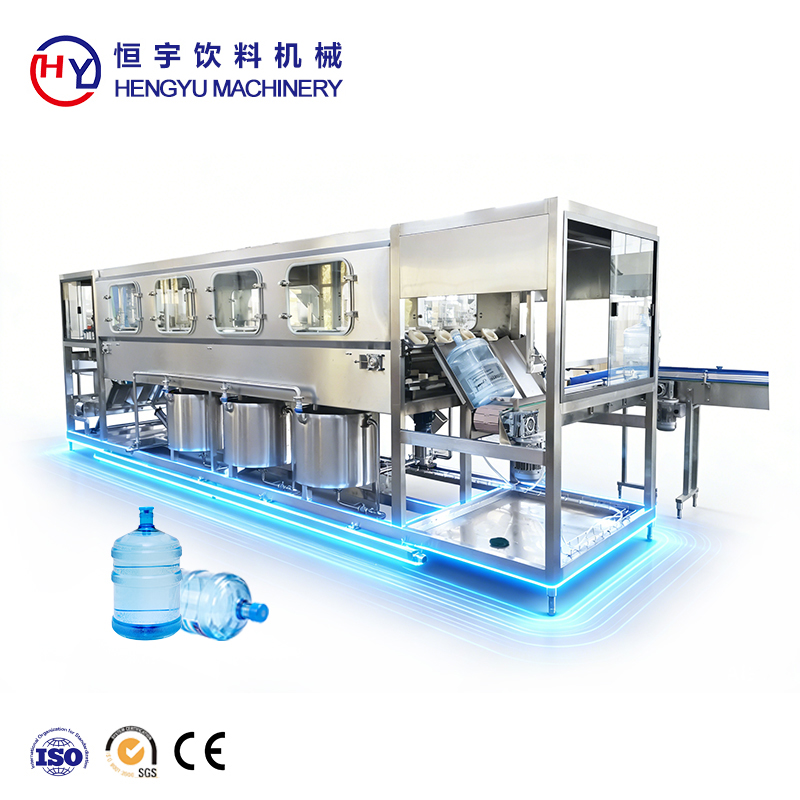
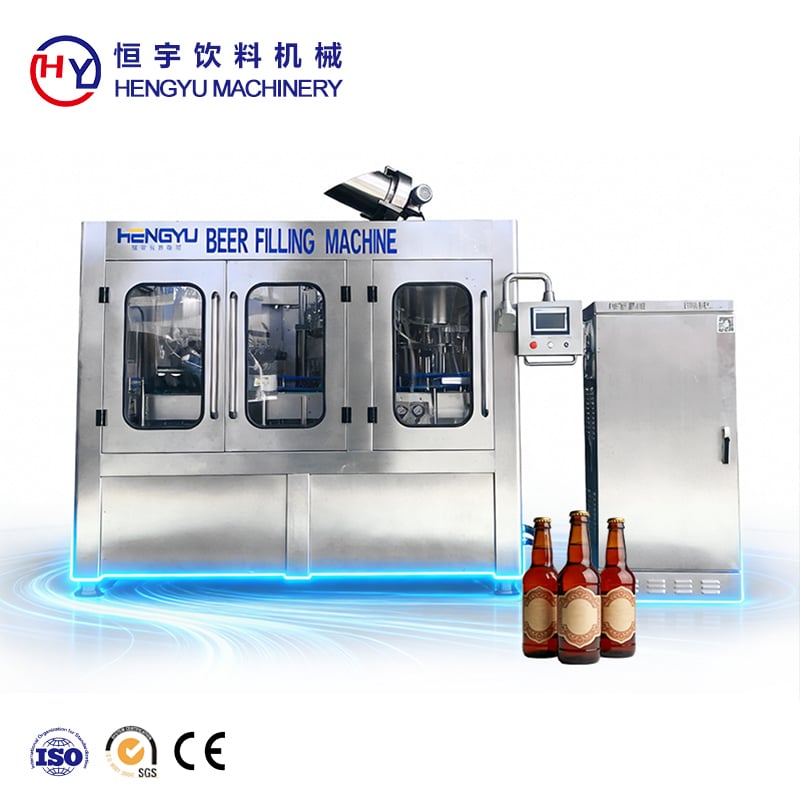
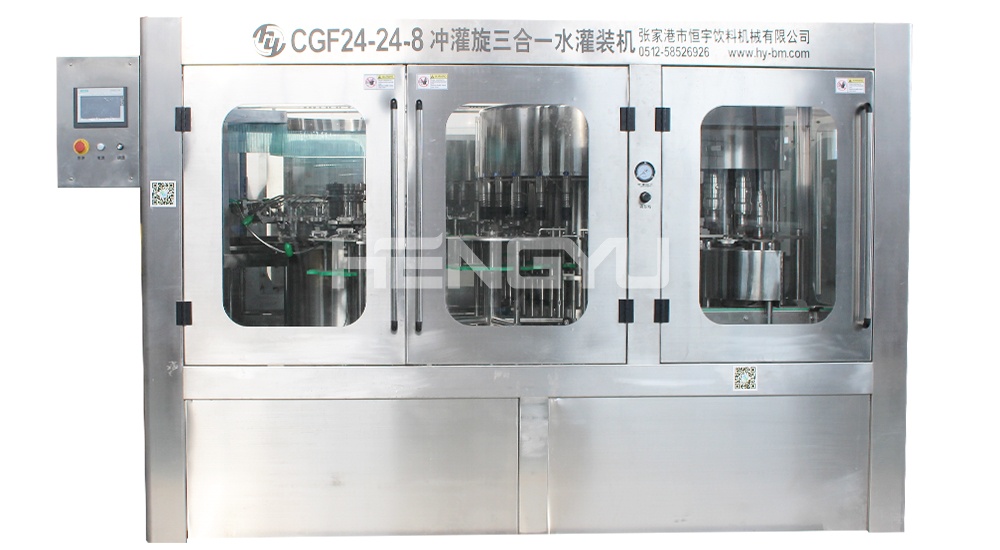
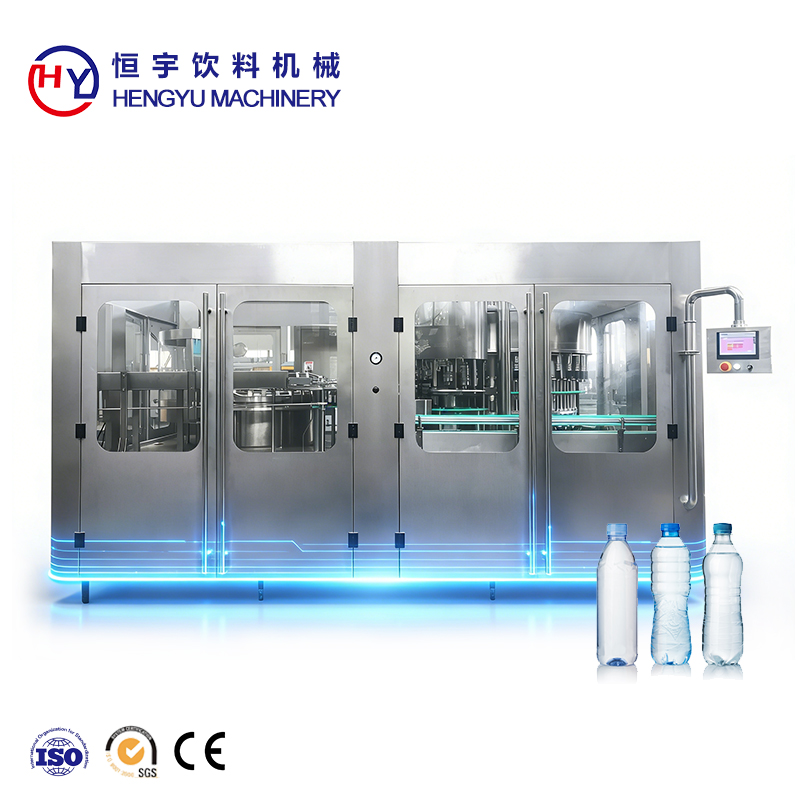
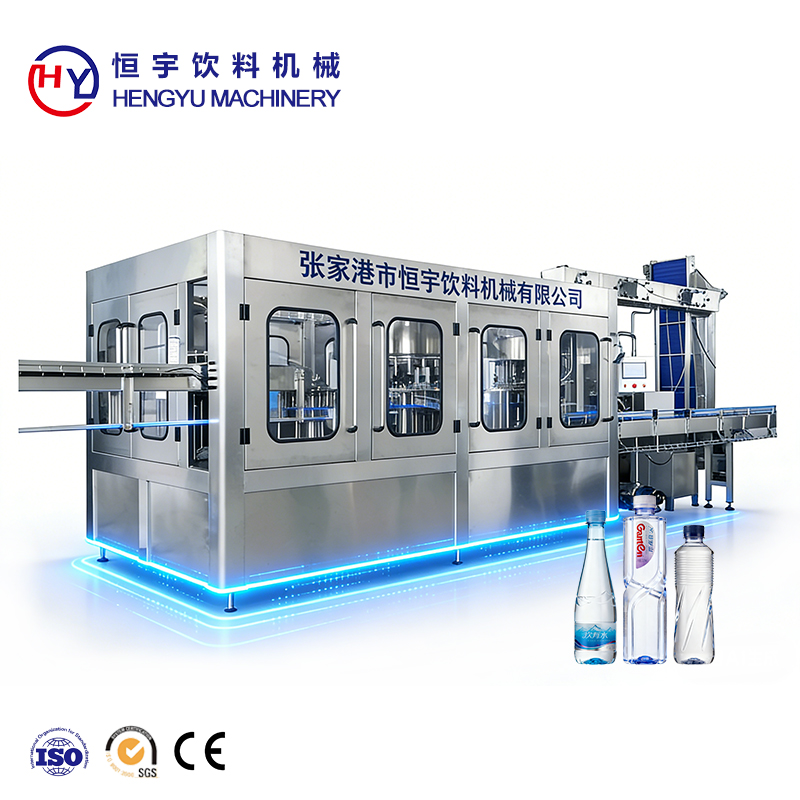
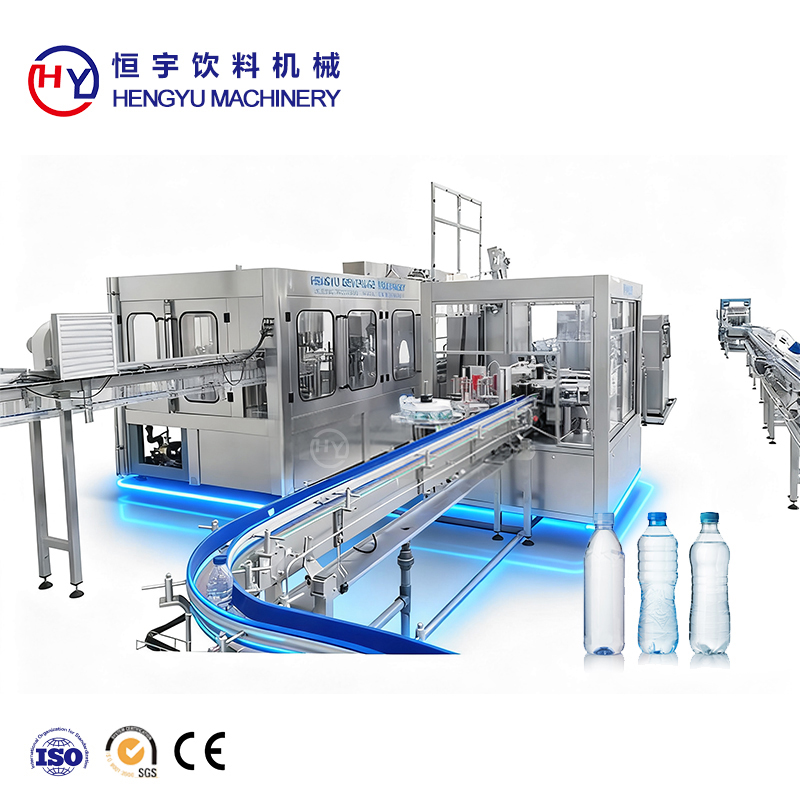
A bottle water filling machine represents a sophisticated automated solution designed to streamline the entire process of filling water into bottles of various sizes and materials. This essential equipment serves as the backbone of beverage production facilities, combining precision engineering with advanced automation to deliver consistent, hygienic, and efficient bottling operations. The primary function of a bottle water filling machine involves receiving empty bottles, rinsing them thoroughly, filling them with purified water to exact volumes, capping them securely, and preparing them for labeling and distribution. Modern bottle water filling machines incorporate cutting-edge technology such as programmable logic controllers, touch-screen interfaces, and sensor-based monitoring systems that ensure optimal performance throughout the production cycle. These machines can handle different bottle formats including PET bottles, glass bottles, and various container sizes ranging from small personal-use bottles to large commercial containers. The technological features embedded within a bottle water filling machine include automated bottle feeding systems, precision filling nozzles with anti-drip mechanisms, sterile filling environments maintained through filtered air systems, automatic cap placement and tightening mechanisms, and integrated quality control sensors that detect and reject improperly filled or capped bottles. Applications of bottle water filling machines span across multiple industries including mineral water production facilities, spring water bottling plants, purified drinking water manufacturers, flavored water production lines, and facilities producing functional water beverages. The versatility of these machines makes them indispensable for businesses ranging from small-scale local water bottling operations to large multinational beverage corporations. Contemporary bottle water filling machine designs emphasize food-grade stainless steel construction, ensuring durability and compliance with stringent hygiene standards. The equipment typically features modular designs allowing for easy maintenance, cleaning, and upgrades as production demands evolve. With production capacities ranging from hundreds to thousands of bottles per hour, a bottle water filling machine can be customized to meet specific operational requirements, making it an adaptable solution for diverse business scales and production volumes.

Popular Products

Investing in a bottle water filling machine delivers transformative benefits that directly impact your bottom line and operational efficiency. First and foremost, these machines dramatically increase production speed compared to manual filling methods, enabling your facility to produce thousands of bottles per hour with unwavering consistency. This acceleration in output means you can meet growing market demand, fulfill larger orders, and expand your customer base without proportionally increasing labor costs. The automation provided by a bottle water filling machine significantly reduces human error, ensuring every bottle receives the exact same volume of water with precision measured in milliliters. This consistency protects your brand reputation by guaranteeing customers receive the product quality they expect with every purchase. Labor cost reduction represents another substantial advantage, as a single operator can oversee a bottle water filling machine that would otherwise require multiple workers for manual filling operations. This efficiency allows you to reallocate human resources to other value-adding activities within your business while maintaining or even increasing production output. The hygienic advantages of automated bottle water filling machines cannot be overstated, as these systems minimize human contact with the product, reducing contamination risks and ensuring compliance with food safety regulations. The enclosed filling environment, combined with sterile air filtration and automated cleaning cycles, creates optimal conditions for maintaining water purity from filling through capping. Material waste reduction is another practical benefit, as the precise filling mechanisms eliminate overfilling and spillage, ensuring you maximize every liter of water and minimize costly waste. The consistent fill levels also mean you avoid regulatory issues related to underfilling, which can result in fines and damage to your business reputation. A bottle water filling machine offers remarkable flexibility, with quick changeover capabilities allowing you to switch between different bottle sizes and formats with minimal downtime. This adaptability enables you to diversify your product offerings and respond swiftly to market trends without requiring entirely separate production lines. Energy efficiency has become a hallmark of modern bottle water filling machine technology, with optimized power consumption that reduces operational costs while supporting environmental sustainability goals. The durability and reliability of quality machines translate to reduced maintenance expenses and fewer production interruptions, ensuring consistent revenue generation. Real-time monitoring capabilities built into contemporary bottle water filling machines provide valuable production data, enabling you to identify bottlenecks, optimize workflows, and make informed decisions about capacity planning. The professional appearance and consistent quality of machine-filled bottles enhance your brand image, helping you compete effectively in crowded marketplaces. Finally, the scalability offered by modular bottle water filling machine systems means your initial investment can grow with your business, with the ability to add filling heads, increase line speed, or integrate additional processing equipment as your production needs expand.

Practical Tips

Glass Bottle Filling Machine vs Plastic Bottle Filling Machine

04

Mar

Glass Bottle Filling Machine vs Plastic Bottle Filling Machine

Material Properties Dictate Core Machine Design Glass fragility and thermal mass: why glass bottle filling machines require reinforced frames, shock-dampened conveyors, and precision neck-handling grippers Working with glass bottles means going th...
View More
How to Choose a Glass Bottle Filling Machine for Beverage Production

06

Mar

How to Choose a Glass Bottle Filling Machine for Beverage Production

Match Filling Technology to Beverage Type and Sensitivity Counter-Pressure Fillers for Carbonated Beverages and Beer Carbonated drinks like soda, sparkling water and beer need careful filling techniques to keep their fizz intact while avoiding exc...
View More
How Can Filling Machines Improve Beverage Production Speed

24

Mar

How Can Filling Machines Improve Beverage Production Speed

Filling Machine Type Determines Maximum Throughput Potential Gravity, Isobaric, and Piston Can Filling Machines: Speed vs. Precision Trade-offs Gravity fillers work well for delicate drinks such as juice, processing around 20 to 36 bottles every mi...
View More
Automation Technology in Can Sealing Machines

24

Mar

Automation Technology in Can Sealing Machines

How Automation Enhances Precision and Reliability in Can Sealing Machines Core Automation Components: Servo Drives, Vision Systems, and Closed-Loop Feedback in Modern Can Sealing Machines Today's can sealing equipment reaches incredible levels of p...
View More

Get a Free Quote

Our representative will contact you soon.
Email
Name
Phone/WhatsApp
Required Product
Message
0/1000

bottle water filling machine

Advanced Precision Filling Technology Ensures Perfect Results Every Time

Advanced Precision Filling Technology Ensures Perfect Results Every Time

The precision filling technology integrated into modern bottle water filling machines represents a quantum leap forward in beverage production accuracy and reliability. At the heart of this technology lies sophisticated volumetric or gravimetric filling systems that measure and dispense water with exceptional accuracy, typically within tolerances of plus or minus one percent or better. This level of precision is achieved through multiple complementary technologies working in concert. Flow meters continuously monitor the volume of water passing through each filling nozzle, while pressure sensors ensure consistent delivery speed regardless of variations in supply pressure. The bottle water filling machine employs servo-driven filling valves that open and close with millisecond precision, controlling the exact moment filling begins and ends to achieve perfect fill levels. Anti-drip mechanisms prevent those frustrating last drops that can contaminate bottle exteriors or create hygiene concerns on the production line. Temperature compensation algorithms automatically adjust filling parameters based on water temperature, accounting for thermal expansion to maintain volume accuracy across varying ambient conditions. The precision offered by a bottle water filling machine extends beyond mere volume accuracy to include fill height consistency, which is particularly important for transparent bottles where visual uniformity matters greatly to consumer perception. Sensors positioned at strategic points along the filling station detect bottle presence, confirm proper positioning, and verify that each container is suitable for filling before the process begins. This intelligent detection prevents costly mistakes such as filling damaged bottles or initiating filling cycles when bottles are absent. The filling nozzles themselves feature specialized designs that create gentle, non-turbulent flow patterns, preventing foam formation and minimizing air incorporation that could affect product quality or shelf stability. For facilities producing both still and carbonated water products, advanced bottle water filling machines offer counter-pressure filling capabilities that maintain dissolved carbon dioxide levels during the filling process. The precision technology also encompasses sophisticated controls for CIP cleaning in place systems, ensuring that filling components maintain sanitary conditions between production runs without requiring manual disassembly. Automated calibration routines built into the bottle water filling machine verify filling accuracy at regular intervals, alerting operators if tolerances drift outside acceptable ranges and preventing the production of non-conforming products. This technological sophistication translates directly into reduced product giveaway, minimized waste, consistent regulatory compliance, and enhanced consumer satisfaction with every bottle that leaves your production facility.
Robust Hygienic Design Guarantees Product Safety and Quality

Robust Hygienic Design Guarantees Product Safety and Quality

The hygienic design philosophy embedded in quality bottle water filling machines addresses the fundamental requirement of beverage production: delivering safe, pure products to consumers while maintaining the highest sanitary standards throughout processing. Every component that contacts water or bottles is constructed from food-grade stainless steel, typically 304 or 316 grades, which resist corrosion, prevent bacterial colonization, and withstand repeated exposure to cleaning chemicals and sanitizing agents. The surface finishes on these stainless steel components are meticulously polished to remove microscopic crevices where microorganisms might otherwise harbor, creating smooth, easily cleanable surfaces that support thorough sanitation. The bottle water filling machine incorporates specialized design elements such as sloped surfaces that prevent liquid pooling, self-draining configurations that eliminate standing water between production runs, and minimal horizontal surfaces that could accumulate contaminants. Seals and gaskets use FDA-approved materials specifically formulated for food contact applications, resisting degradation while maintaining their integrity through thousands of production cycles. The filling environment itself benefits from positive pressure systems that introduce filtered air into the filling zone, creating a protective barrier against airborne contaminants and ensuring that only purified air contacts open bottles during filling. HEPA filtration removes particulates as small as 0.3 microns, effectively eliminating dust, spores, and other potential contamination sources from the production atmosphere. The bottle water filling machine features enclosed filling stations that shield bottles from environmental exposure during the critical moments when they are open and most vulnerable to contamination. Automated bottle rinsing systems integrated into the filling line ensure that containers are thoroughly cleaned immediately before filling, removing any dust, debris, or residues that may have accumulated during transportation and storage. These rinsing systems typically employ multiple rinses with sterile water or air, inverting bottles to allow contaminants to drain away completely. CIP systems built into the bottle water filling machine automate the cleaning process, circulating precisely formulated cleaning solutions through all product-contact surfaces according to validated protocols that ensure complete sanitation. Temperature and concentration sensors verify that cleaning solutions meet specifications, while flow sensors confirm adequate circulation throughout the system. Documentation systems automatically record cleaning cycles, providing the traceability required for food safety audits and regulatory compliance. The hygienic advantages extend to the capping process, where automated cap handling systems minimize human contact with closures, preventing contamination introduction at this final critical control point. Sterile cap delivery systems maintain closures in protected environments until the moment they are applied to filled bottles. These comprehensive hygienic design features collectively ensure that every bottle water filling machine operates as a guardian of product quality, protecting consumer health while supporting your brand reputation.
Exceptional Operational Flexibility Adapts to Your Growing Business Needs

Exceptional Operational Flexibility Adapts to Your Growing Business Needs

The operational flexibility built into contemporary bottle water filling machines provides businesses with the adaptability required to thrive in dynamic market conditions where consumer preferences shift rapidly and product portfolios must evolve continuously. This flexibility begins with the fundamental capability to handle multiple bottle formats without requiring extensive reconfiguration or equipment replacement. Quick-change systems allow operators to switch between different bottle heights, diameters, and materials in remarkably short timeframes, often measured in minutes rather than hours. Adjustable conveyor guide rails accommodate various bottle widths, while height-adjustable filling heads position nozzles at optimal levels for different container sizes. The bottle water filling machine incorporates tool-free adjustment mechanisms that eliminate the need for specialized skills or extensive training, empowering line operators to execute format changes independently without requiring maintenance technicians. This rapid changeover capability enables businesses to operate shorter production runs economically, responding to niche market opportunities or seasonal demand variations without incurring prohibitive setup costs. Recipe management systems store filling parameters for different products and bottle formats, allowing operators to recall proven settings instantly rather than manually adjusting multiple variables and risking setup errors. The flexibility extends to production speed, with variable frequency drives enabling the bottle water filling machine to operate across a wide range of output rates. This speed adjustability proves invaluable when launching new products with uncertain demand, allowing you to start with conservative production rates and gradually increase output as market acceptance grows. During periods of maintenance or when running partially staffed shifts, you can reduce line speed to match available resources without shutting down production entirely. Modular architecture represents another dimension of flexibility, as bottle water filling machine systems can be configured with varying numbers of filling heads to match production requirements precisely. Businesses can begin with a smaller configuration that matches initial capacity needs, then add filling heads as production volumes grow, protecting initial capital investment while maintaining scalability. Integration capabilities allow the bottle water filling machine to connect seamlessly with upstream and downstream equipment including bottle blow molding machines, labeling systems, case packing equipment, and palletizing robots. Standardized communication protocols enable data exchange between equipment, facilitating coordinated operation and centralized monitoring. The flexibility also encompasses the ability to fill different water types including still spring water, purified water, mineral water, and lightly carbonated products on the same equipment with appropriate parameter adjustments. For businesses considering product line expansion, this versatility means existing equipment can support new offerings without requiring parallel production lines. User-friendly interfaces with intuitive touchscreen controls make the bottle water filling machine accessible to operators with varying skill levels, reducing training time and supporting workforce flexibility. Multilingual display options accommodate diverse workforces, while role-based access controls protect critical parameters from unauthorized changes while allowing operators appropriate adjustment authority. This exceptional operational flexibility ultimately translates into competitive advantage, enabling your business to respond swiftly to market opportunities, optimize asset utilization, and grow production capacity in alignment with business development rather than being constrained by rigid equipment limitations.