Bottle Water Machine Price Guide: Costs, Benefits and Smart Investment Tips for 2024

All Categories

bottle water machine price

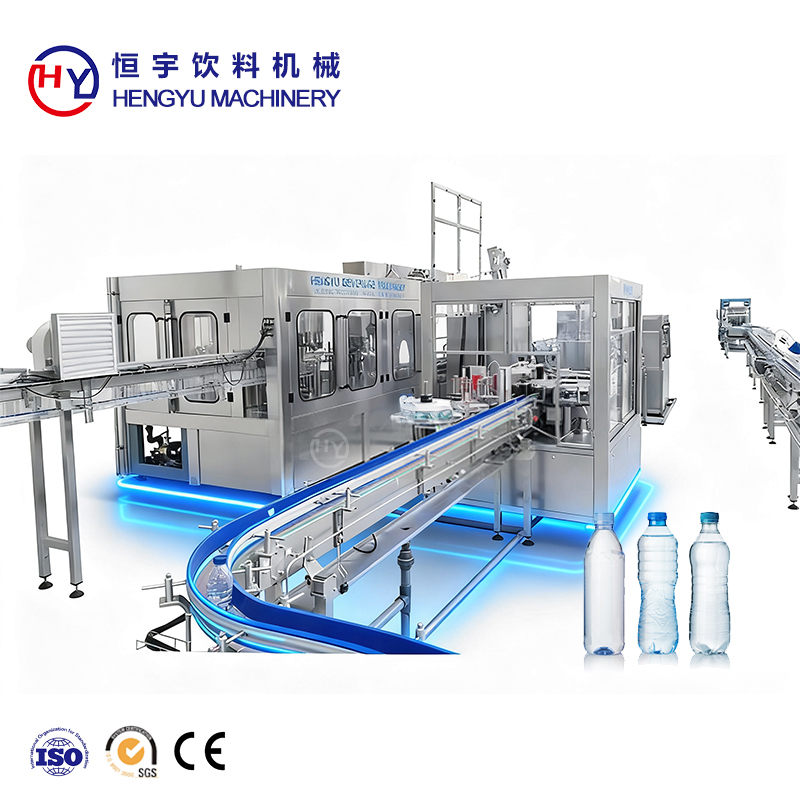
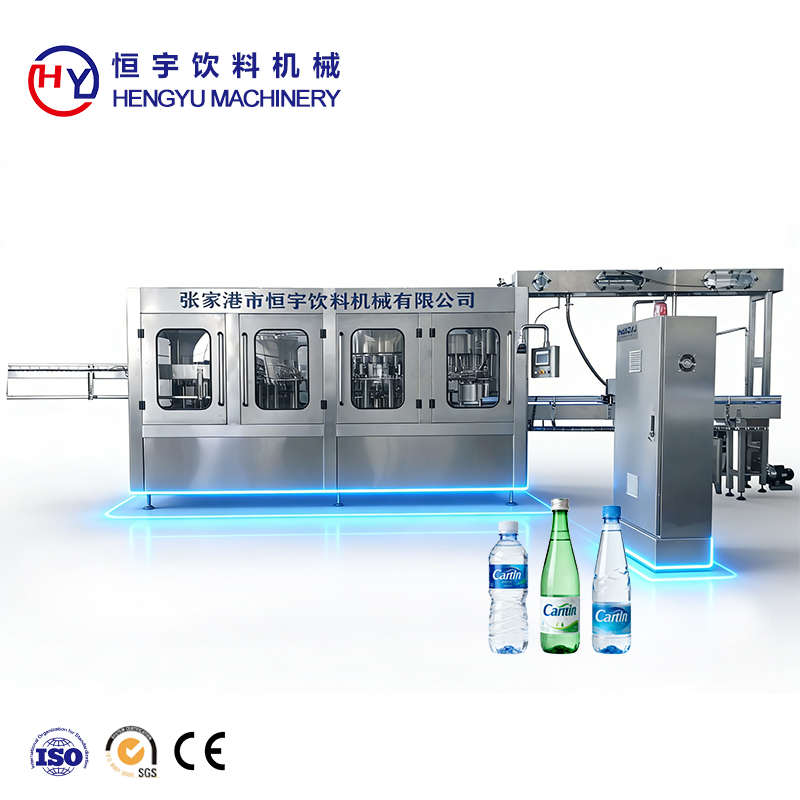
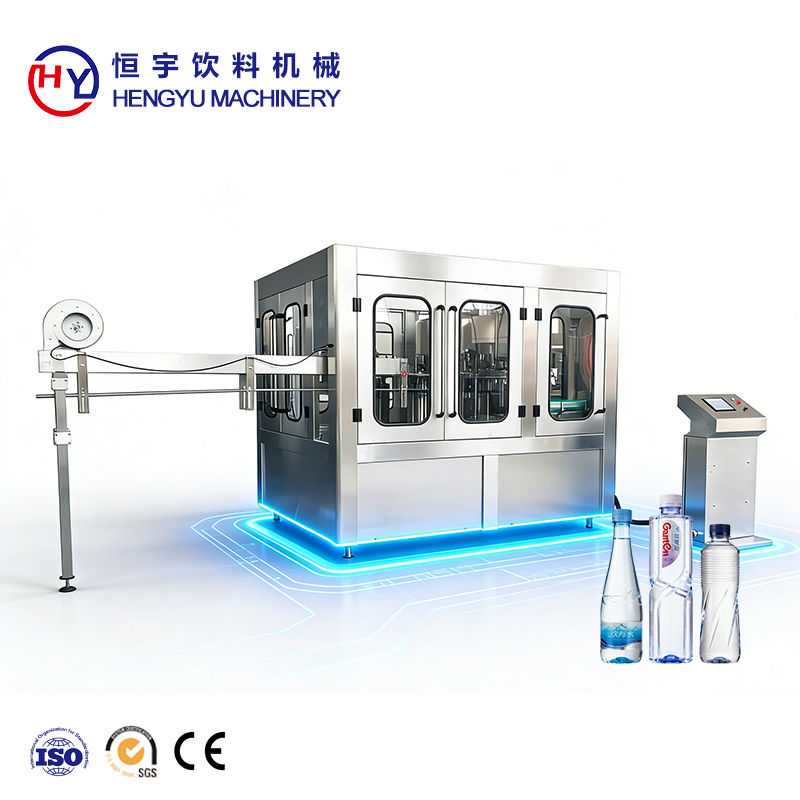
Understanding bottle water machine price requires examining multiple factors that influence cost and value. These automated systems represent essential equipment for businesses ranging from small bottling startups to large-scale beverage production facilities. The bottle water machine price typically reflects the capacity, automation level, and technological sophistication of the equipment. Entry-level semi-automatic machines designed for small operations may start around fifteen thousand dollars, while fully automated production lines for commercial facilities can exceed several hundred thousand dollars. The main functions of these machines include bottle rinsing, filling, capping, labeling, and sealing operations. Modern systems integrate advanced PLC control technology that ensures precise liquid measurement and consistent filling accuracy. Many units feature touchscreen interfaces that allow operators to adjust production parameters quickly and monitor real-time performance metrics. Technological features vary significantly across different bottle water machine price points. Higher-priced models incorporate servo motor systems for enhanced speed control, stainless steel construction for durability and hygiene compliance, and automated quality inspection systems using sensors and cameras. These machines accommodate various bottle sizes and materials including PET plastic, glass, and specialized containers. Applications span diverse sectors including purified drinking water production, mineral water bottling, flavored water manufacturing, and pharmaceutical-grade water packaging. The bottle water machine price also reflects additional capabilities such as UV sterilization systems, ozone treatment integration, and CIP cleaning protocols. Production capacity represents another crucial factor, with machines ranging from five hundred bottles per hour for small operations to twenty thousand bottles per hour for industrial facilities. Energy efficiency features, maintenance requirements, and warranty coverage further influence the overall bottle water machine price. When evaluating costs, businesses must consider not only initial purchase expenses but also installation costs, operator training, spare parts availability, and long-term operational efficiency to determine true value and return on investment.

New Product Releases

Investing in quality equipment at a competitive bottle water machine price delivers substantial practical benefits that directly impact business profitability and operational success. First, automation reduces labor costs significantly by minimizing the number of workers needed for production. A single operator can supervise modern filling lines that previously required multiple personnel, redirecting human resources toward quality control and business development activities. This efficiency translates into lower overhead expenses and improved profit margins over time. Second, consistent production quality ensures customer satisfaction and brand reputation. Machines maintain precise filling volumes that comply with regulatory standards and eliminate costly product recalls or customer complaints. The bottle water machine price for quality equipment pays dividends through reduced waste and higher first-pass quality rates. Third, production speed capabilities allow businesses to scale operations and meet growing market demand without proportional increases in labor or facility space. Faster cycle times mean more bottles produced per shift, maximizing facility utilization and revenue generation potential. Fourth, flexibility in handling different bottle sizes and product types provides competitive advantages. Companies can diversify product lines and respond to market trends without purchasing entirely new equipment. Adjustable settings accommodate seasonal variations and custom orders efficiently. Fifth, hygiene standards built into properly priced machines protect consumer health and ensure regulatory compliance. Stainless steel contact surfaces, automated cleaning cycles, and contamination prevention features safeguard product integrity and prevent costly shutdowns or penalties. Sixth, energy-efficient designs reduce utility costs over the equipment lifespan. Modern machines optimize power consumption during operation and standby modes, contributing to sustainability goals while lowering operating expenses. Seventh, user-friendly interfaces reduce training time and operator errors. Intuitive controls mean new staff become productive quickly and experienced operators work more efficiently. Eighth, reliable construction minimizes downtime and maintenance expenses. Quality components and robust engineering mean fewer breakdowns and longer service intervals. The bottle water machine price for dependable equipment avoids the hidden costs of frequent repairs and production interruptions. Ninth, data collection capabilities enable process optimization and quality tracking. Production metrics help managers identify improvement opportunities and demonstrate compliance during audits. Tenth, strong manufacturer support including technical assistance, spare parts availability, and upgrade paths protects the investment. Choosing equipment at a fair bottle water machine price from reputable suppliers ensures long-term operational continuity and business growth potential.

Latest News

Glass Bottle Filling Machine vs Plastic Bottle Filling Machine

04

Mar

Glass Bottle Filling Machine vs Plastic Bottle Filling Machine

Material Properties Dictate Core Machine Design Glass fragility and thermal mass: why glass bottle filling machines require reinforced frames, shock-dampened conveyors, and precision neck-handling grippers Working with glass bottles means going th...
View More
Increasing Capacity in Bottled Water Production Lines

09

Mar

Increasing Capacity in Bottled Water Production Lines

Diagnosing Bottlenecks in Your Bottled Water Production Line Measuring Throughput Gaps: Bottling Speed, Changeover Time, and OEE Analysis To get a handle on where production is falling short, look at three key performance indicators. Start by compa...
View More
How Can Filling Machines Improve Beverage Production Speed

24

Mar

How Can Filling Machines Improve Beverage Production Speed

Filling Machine Type Determines Maximum Throughput Potential Gravity, Isobaric, and Piston Can Filling Machines: Speed vs. Precision Trade-offs Gravity fillers work well for delicate drinks such as juice, processing around 20 to 36 bottles every mi...
View More
Automation Technology in Can Sealing Machines

24

Mar

Automation Technology in Can Sealing Machines

How Automation Enhances Precision and Reliability in Can Sealing Machines Core Automation Components: Servo Drives, Vision Systems, and Closed-Loop Feedback in Modern Can Sealing Machines Today's can sealing equipment reaches incredible levels of p...
View More

Get a Free Quote

Our representative will contact you soon.
Email
Name
Phone/WhatsApp
Required Product
Message
0/1000

bottle water machine price

Cost-Effectiveness and Return on Investment Excellence

Cost-Effectiveness and Return on Investment Excellence

The bottle water machine price represents more than an initial capital expenditure; it constitutes a strategic investment that generates measurable financial returns through multiple mechanisms. Understanding the true cost-effectiveness requires analyzing both immediate operational savings and long-term value creation. Quality bottling equipment dramatically reduces per-unit production costs by automating repetitive tasks that would otherwise require manual labor. A business producing ten thousand bottles daily saves substantial wages compared to hand-filling operations while achieving faster throughput. The payback period for equipment purchased at a competitive bottle water machine price typically ranges from eighteen months to three years depending on production volume and market conditions. Energy efficiency features embedded in modern machines further enhance cost-effectiveness. Variable frequency drives optimize motor performance, reducing electricity consumption by up to thirty percent compared to older fixed-speed systems. Water recycling systems capture and reuse rinsing water, lowering utility bills and supporting environmental sustainability initiatives. These operational savings accumulate continuously throughout the equipment lifespan, which often exceeds ten years with proper maintenance. Material waste reduction represents another significant financial advantage. Precision filling technology ensures accurate liquid volumes, eliminating overfilling that erodes profit margins bottle by bottle. Automated quality rejection systems catch defective containers before they reach consumers, preventing expensive recalls and protecting brand reputation. The bottle water machine price for equipment with advanced sensors and control systems delivers consistency that manual processes cannot match. Maintenance cost considerations also factor into overall cost-effectiveness. Reliable machines from established manufacturers require less frequent repairs and have readily available replacement parts. Scheduled preventive maintenance extends equipment life and prevents catastrophic failures that halt production. Businesses should evaluate total cost of ownership rather than focusing solely on the initial bottle water machine price. Comprehensive warranties and service agreements provide financial protection against unexpected repair expenses. Production flexibility adds another dimension to return on investment. Machines capable of handling multiple bottle formats allow businesses to respond to market opportunities without additional capital expenditure. Seasonal demand fluctuations or promotional campaigns requiring different packaging sizes become manageable with adjustable equipment settings. This adaptability maximizes asset utilization and revenue generation across diverse product lines. The bottle water machine price for versatile equipment delivers superior returns compared to single-purpose machines with limited applications.
Advanced Technology Integration for Superior Performance

Advanced Technology Integration for Superior Performance

Modern bottle water machine price points reflect sophisticated technological integration that revolutionizes production capabilities and quality standards. These advanced features separate premium equipment from basic models and deliver tangible performance advantages. Programmable logic controllers serve as the intelligent backbone of contemporary filling systems, managing complex sequences with microsecond precision. Operators configure production parameters through touchscreen human-machine interfaces that display real-time status information and diagnostic alerts. This technology eliminates guesswork and enables rapid changeovers between different product specifications. Recipe management systems store settings for various bottle types, allowing operators to switch production runs with minimal downtime. The bottle water machine price for PLC-equipped systems reflects their ability to optimize cycle times and maintain consistent output quality regardless of operator experience levels. Servo motor technology represents another critical advancement justifying higher bottle water machine price ranges. Unlike conventional pneumatic or hydraulic systems, servo drives provide exact positioning control and smooth acceleration profiles. This precision proves essential for filling operations where liquid levels must meet strict tolerances. Servo systems also reduce mechanical wear by eliminating harsh stops and starts, extending component life and reducing maintenance requirements. Variable speed capabilities allow fine-tuning of production rates to match upstream and downstream processes, creating balanced production lines without bottlenecks. Vision inspection systems integrated into premium equipment detect defects that human inspectors might miss during high-speed production. Cameras capture multiple images of each bottle, analyzing fill levels, cap placement, label alignment, and container integrity. Artificial intelligence algorithms learn to identify subtle quality variations and automatically reject non-conforming products. This technology ensures consistent brand presentation and regulatory compliance while reducing labor costs associated with manual inspection. The bottle water machine price for vision-equipped systems delivers quality assurance that protects market reputation and customer satisfaction. Sanitary design features reflect food safety technology advances. Stainless steel construction with electropolished surfaces prevents bacterial growth and facilitates effective cleaning. CIP systems circulate cleaning solutions through product contact areas without disassembly, saving time and ensuring thorough sanitation. Some machines incorporate UV light sterilization or ozone treatment to eliminate microbial contamination risks. These hygienic technologies justify premium bottle water machine price levels by ensuring product safety and extending shelf life. Connectivity features enable Industry four point zero integration. Ethernet connections link machines to enterprise resource planning systems, providing production data for inventory management and scheduling optimization. Remote monitoring capabilities allow technical support teams to diagnose issues without site visits, reducing downtime and repair costs.
Scalability and Production Capacity Advantages

Scalability and Production Capacity Advantages

The relationship between bottle water machine price and production capacity represents a critical consideration for businesses planning growth trajectories and market expansion. Equipment scalability determines whether initial investments support future business development or become limiting constraints requiring costly replacements. Understanding capacity options helps companies select machines that balance current needs with anticipated growth. Entry-level machines typically process five hundred to two thousand bottles hourly, suitable for startup operations, regional brands, or specialty water products with limited distribution. These systems occupy minimal floor space and require modest utility connections, making them ideal for facilities with infrastructure limitations. The bottle water machine price for small-capacity equipment allows entrepreneurs to enter the bottled water market with manageable capital requirements while establishing production capabilities and market presence. As businesses expand, mid-range machines handling three thousand to eight thousand bottles hourly provide substantial capacity increases without the complexity of full industrial systems. These units often feature modular designs that allow adding rinsing stations, filling heads, or capping units to boost throughput incrementally. This scalability protects initial investments by enabling capacity expansion through equipment upgrades rather than complete replacement. The bottle water machine price for modular systems reflects their adaptability and long-term value proposition. High-capacity industrial lines processing ten thousand to twenty thousand bottles hourly serve regional distributors and national brands requiring consistent high-volume production. These sophisticated systems integrate multiple process stages into continuous automated workflows with minimal human intervention. Bottle infeed systems, air conveyors, accumulation tables, and automated palletizing equipment create seamless production flows from empty containers to finished packaged products ready for distribution. The bottle water machine price for industrial-scale equipment reflects comprehensive automation that maximizes labor productivity and minimizes per-unit costs. Capacity planning must also consider product diversity requirements. Some businesses need machines that switch between multiple bottle sizes throughout production shifts to serve varied market segments. Quick-change tooling systems and automated adjustment mechanisms reduce changeover times from hours to minutes, maintaining high overall equipment effectiveness despite format variations. The bottle water machine price for flexible systems exceeds single-format equipment but delivers superior utilization rates and revenue potential across diverse product portfolios. Future-proofing investments requires evaluating upgrade paths and expansion options. Reputable manufacturers design equipment families with compatible components that integrate as businesses grow. Initial purchases of basic models can evolve into comprehensive production lines through systematic additions that leverage existing infrastructure. This modular approach spreads capital expenditure over time while maintaining operational continuity. The bottle water machine price structure from forward-thinking suppliers supports phased growth strategies that align equipment investments with business development milestones and cash flow realities.