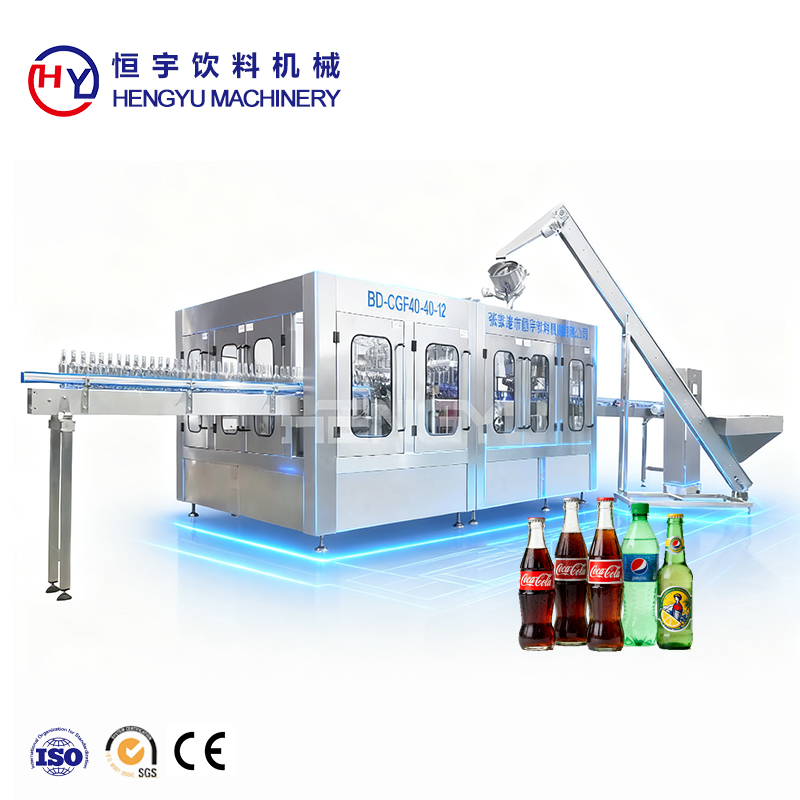
Flexible Scalability and Production Adaptability
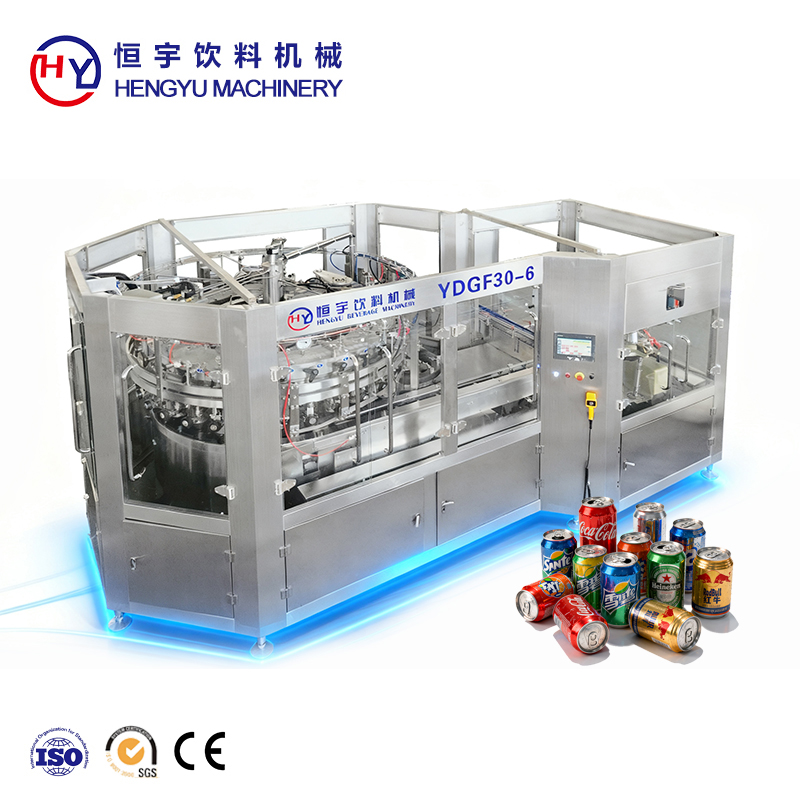
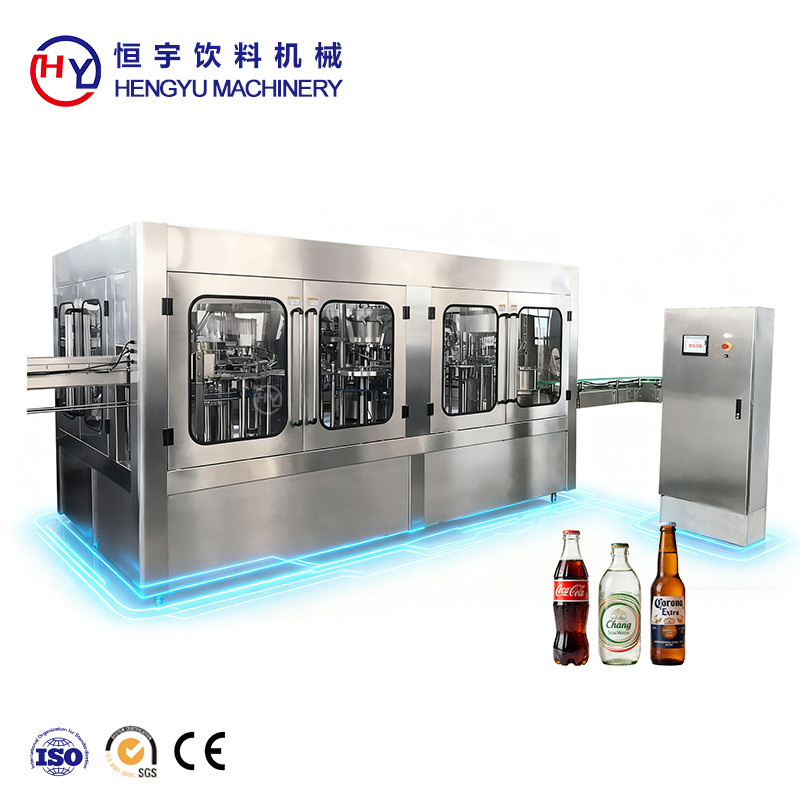
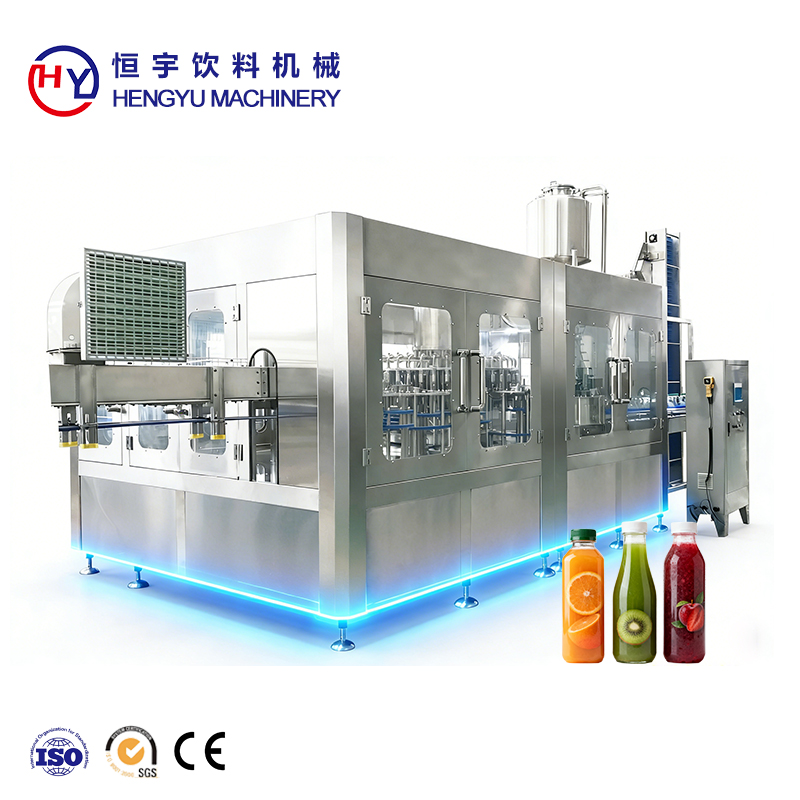
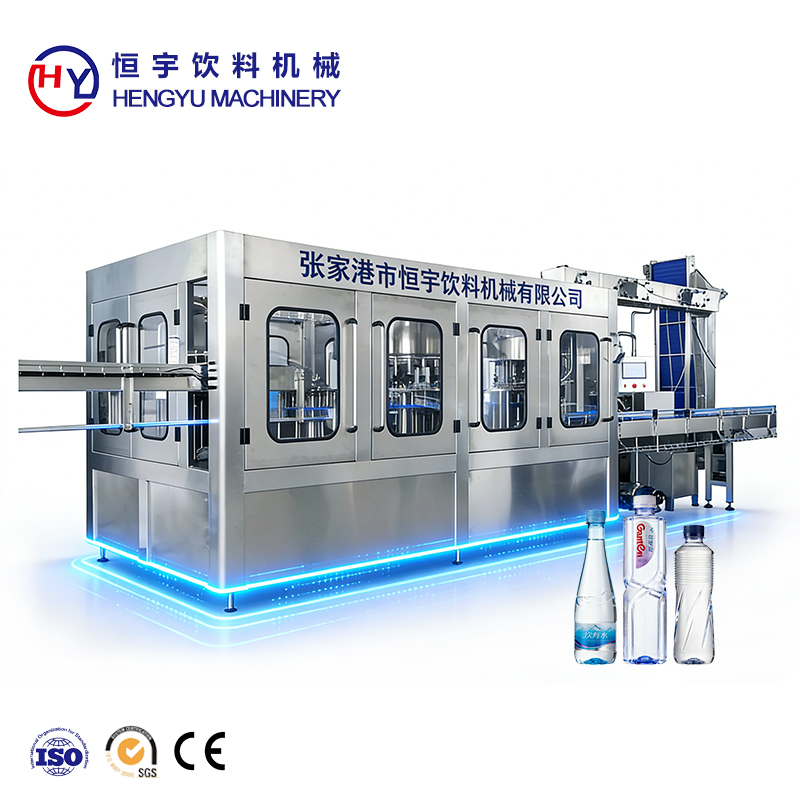
The inherent flexibility and scalability of a drink bottling machine provides businesses with strategic advantages that extend far beyond immediate production needs, supporting growth trajectories and market responsiveness that define successful beverage operations. Modular architecture allows companies to begin with basic configurations matching current volume requirements, then add components such as additional filling heads, automated cappers, labeling systems, or case packers as production demands expand. This incremental investment approach preserves capital while ensuring equipment capabilities align with business scale, avoiding the inefficiency of oversized systems operating below capacity or undersized equipment creating bottlenecks. The drink bottling machine accommodates diverse container formats through adjustable guides, changeable filling nozzles, and reconfigurable conveyor systems that transition between bottle sizes, shapes, or materials within minutes rather than hours. Businesses can efficiently serve multiple market segments, offering products in various package sizes from single-serve portions to family-sized containers without maintaining separate production lines for each format. Product formulation flexibility enables the same equipment to handle different beverage types including still water, carbonated soft drinks, juices with pulp, alcoholic beverages, and dairy-based drinks by adjusting filling parameters, selecting appropriate nozzle configurations, and implementing suitable cleaning protocols between runs. This versatility proves invaluable for craft beverage producers experimenting with seasonal offerings, limited editions, or custom formulations that would be economically unfeasible with dedicated single-product equipment. Speed adjustability allows operators to optimize throughput based on factors such as product characteristics, container fragility, or downstream packaging capacity, ensuring the drink bottling machine integrates seamlessly within overall production workflows. Businesses can run premium products requiring gentler handling at reduced speeds, then increase rates for standard items, maximizing equipment utilization across diverse product portfolios. The adaptability extends to technological upgrades as manufacturers design systems accepting software updates, sensor enhancements, and control system improvements that incorporate innovations without requiring complete equipment replacement. Companies investing in a drink bottling machine gain future-proof capabilities that evolve alongside industry developments in automation, data analytics, and quality monitoring. Integration capabilities allow the bottling equipment to connect with upstream preparation systems and downstream packaging machinery, creating synchronized production lines where components communicate to optimize overall efficiency. Businesses implementing Industry 4.0 concepts benefit from machines providing real-time production data, predictive maintenance alerts, and remote monitoring capabilities that enable proactive management. The scalability proves particularly valuable for contract packagers serving multiple clients with varying requirements, as quick changeover capabilities and format flexibility maximize billable production time while minimizing non-productive setup periods.

 CN
CN