juice packing machine price
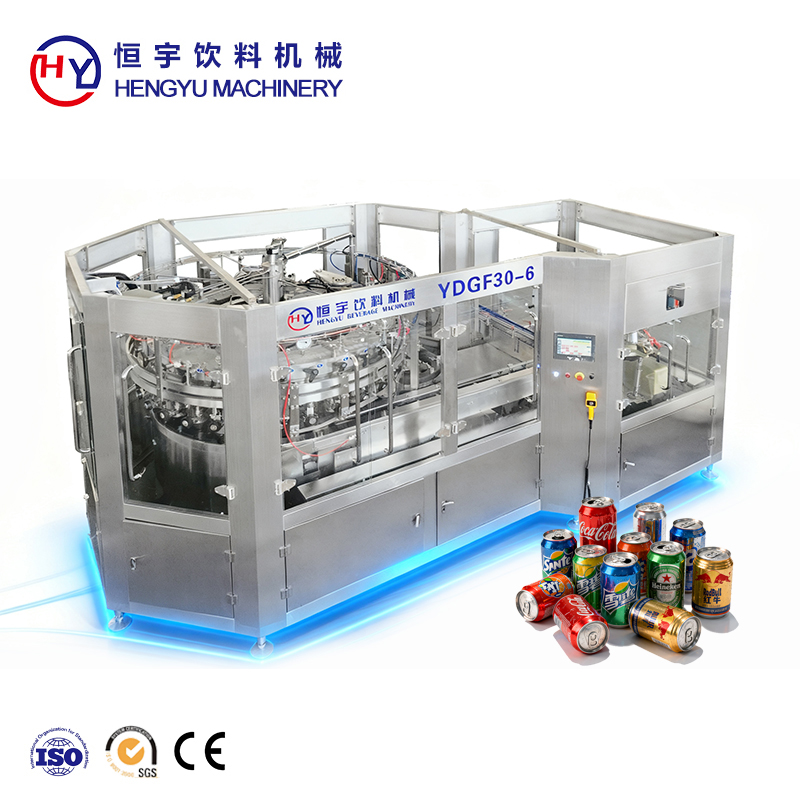
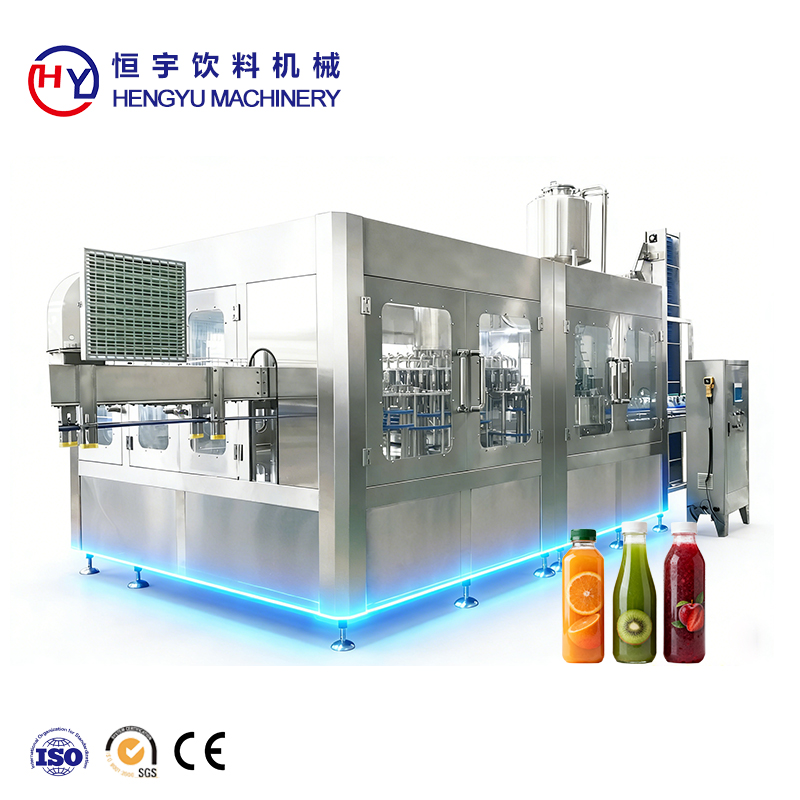
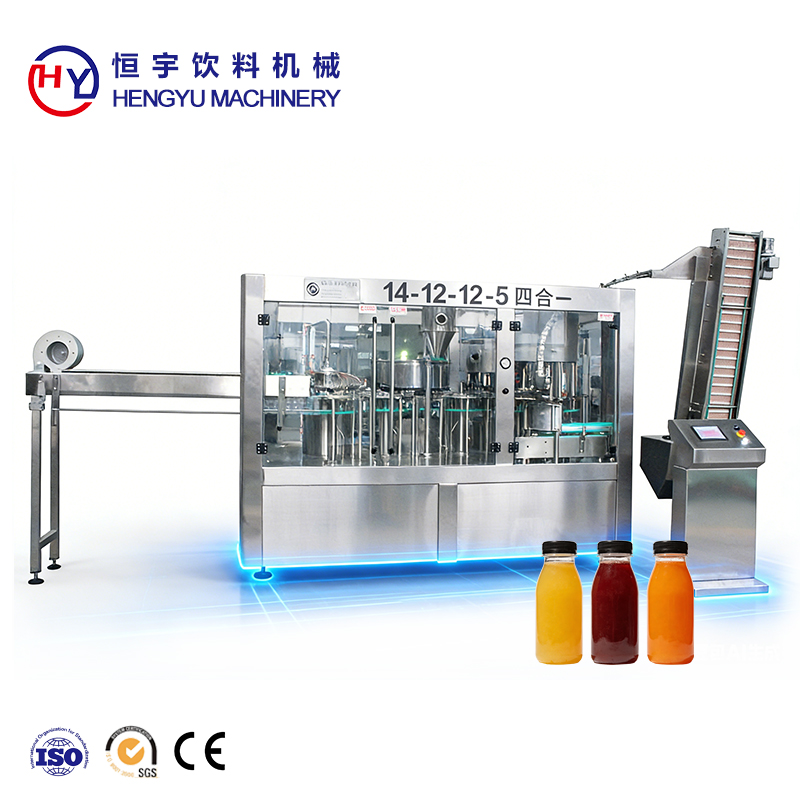
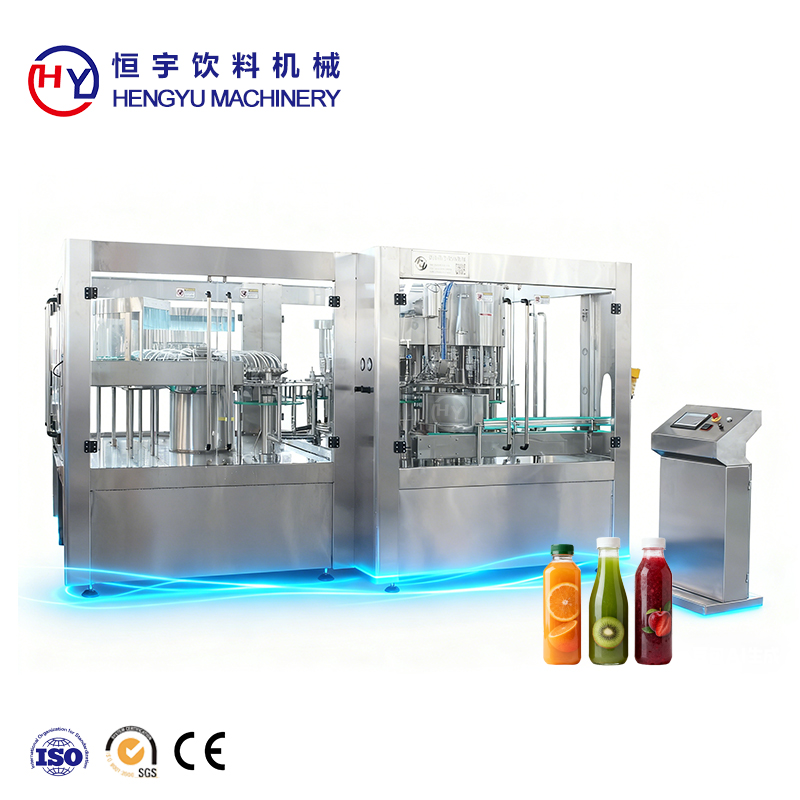
Understanding the juice packing machine price requires a comprehensive look at what these sophisticated systems offer to beverage manufacturers and processing facilities. The juice packing machine price varies significantly based on capacity, automation level, and technological sophistication, typically ranging from several thousand dollars for semi-automatic units to hundreds of thousands for fully automated production lines. These machines serve as essential equipment for businesses looking to package fresh juices, concentrated beverages, and various liquid products efficiently and hygienically. The main functions of modern juice packing systems include automatic bottle feeding, precise liquid filling, secure capping or sealing, labeling, and final packaging into cartons or shrink wrap. Technological features that influence the juice packing machine price include programmable logic controllers for precision operation, servo motor systems for accurate filling volumes, stainless steel construction for food safety compliance, and touchscreen interfaces for easy operation. Advanced models incorporate hot filling capabilities for extended shelf life, aseptic filling technology for preservative-free products, and multi-head filling systems that dramatically increase production speed. Applications span across small artisanal juice producers, medium-sized regional beverage companies, and large-scale industrial manufacturers serving national and international markets. The juice packing machine price also reflects additional capabilities such as handling various container sizes from small pouches to large bottles, accommodating different packaging materials including PET bottles, glass containers, Tetra Pak cartons, and flexible pouches. Integration with existing production lines, cleaning-in-place systems, and quality control sensors further impact the overall investment. When evaluating the juice packing machine price, buyers should consider not just the initial capital expenditure but also operational efficiency gains, labor cost reductions, product waste minimization, and the machine's ability to meet regulatory standards for food safety and hygiene, making it a strategic investment for business growth and profitability.

 CN
CN