Filling Water Machine Solutions - Automated Precision Filling Equipment for Beverage and Liquid Production

All Categories

filling water machine

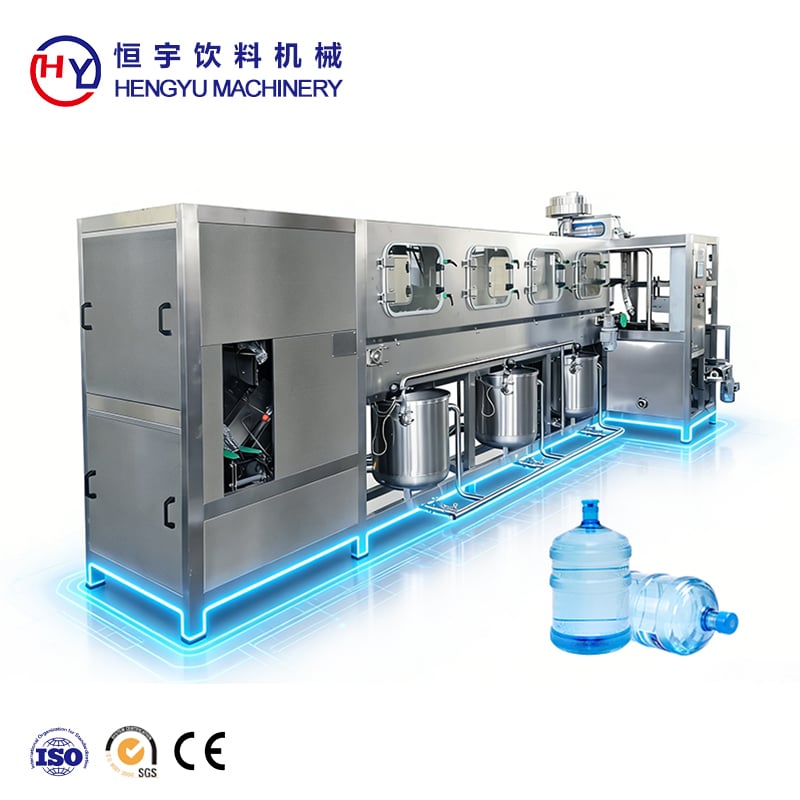
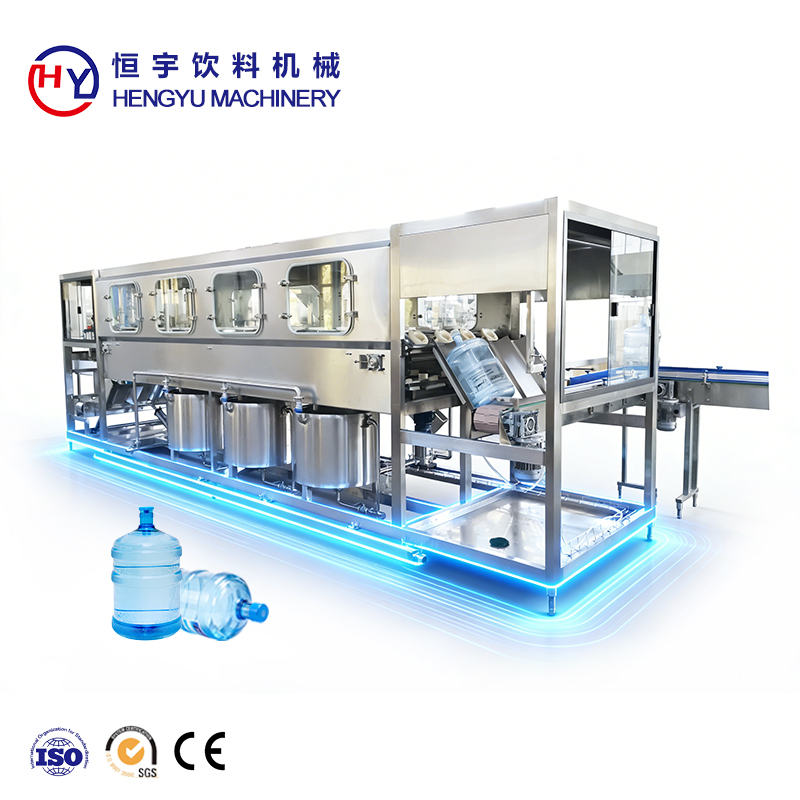
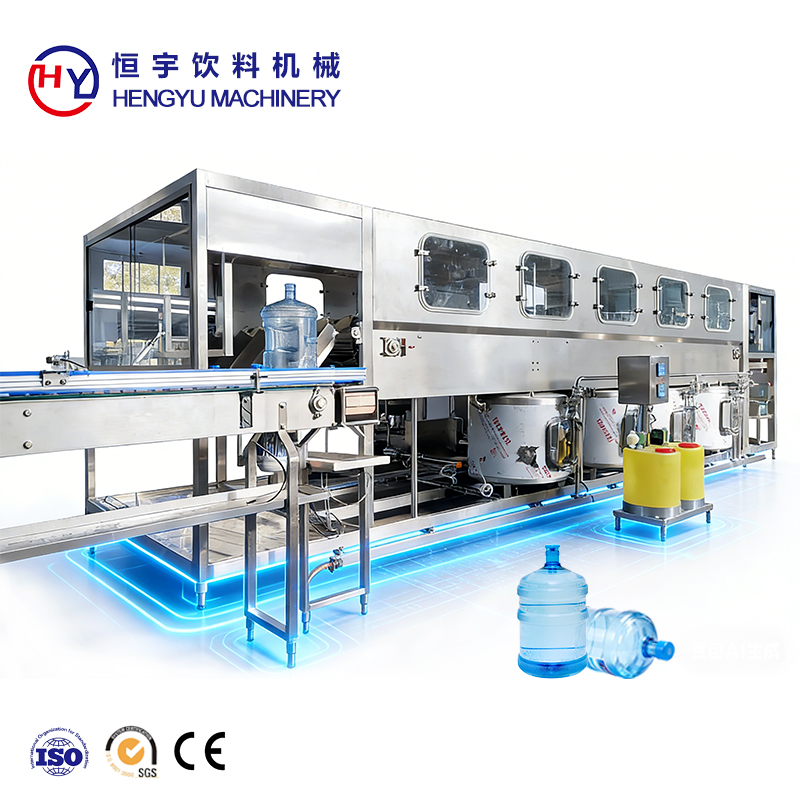
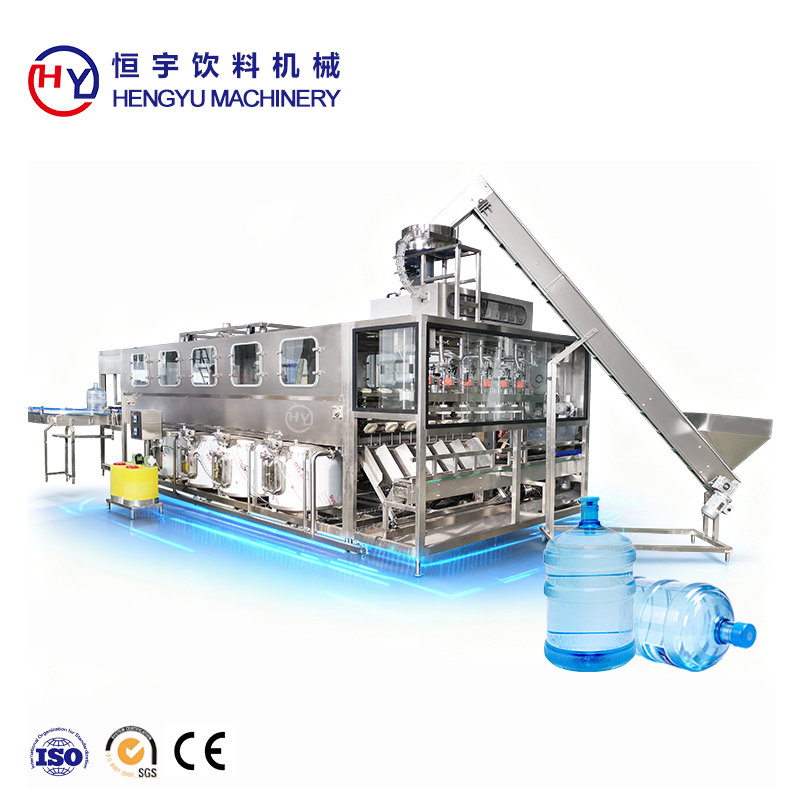
A filling water machine represents an essential piece of industrial equipment designed to automate the process of dispensing precise quantities of water or other beverages into containers of various sizes. These sophisticated systems have revolutionized beverage production facilities, bottling plants, and manufacturing operations by replacing manual filling methods with automated precision. Modern filling water machine technology incorporates advanced sensors, programmable logic controllers, and precision valves that work together to ensure consistent fill levels across thousands of units per hour. The equipment typically consists of multiple filling heads arranged in a circular or linear configuration, each capable of independently controlling flow rates and volumes. Filling water machine systems utilize different filling principles including gravity filling, pressure filling, vacuum filling, and piston filling, with each method suited to specific container types and product characteristics. The machines feature stainless steel construction that meets food safety standards and hygiene requirements, ensuring product purity throughout the filling process. Integration capabilities allow these systems to connect seamlessly with upstream and downstream equipment such as rinsing machines, capping systems, labeling units, and packaging lines, creating comprehensive production workflows. Modern filling water machine designs incorporate touch-screen interfaces that simplify operation, recipe management, and real-time monitoring of production metrics. The equipment accommodates diverse container formats including plastic bottles, glass bottles, pouches, cartons, and specialized packaging, with quick-changeover features that minimize downtime when switching between different products or container sizes. Applications span numerous industries including bottled water production, soft drink manufacturing, juice processing, dairy operations, pharmaceutical liquid packaging, and chemical filling operations. The versatility of filling water machine technology makes it indispensable for businesses ranging from small craft beverage producers to large-scale multinational bottling corporations seeking to optimize production efficiency and maintain consistent product quality.

New Products

Investing in a filling water machine delivers substantial operational benefits that directly impact your bottom line and competitive position in the marketplace. The primary advantage lies in dramatically increased production speed compared to manual filling methods, with modern systems capable of filling hundreds or even thousands of containers per hour depending on configuration and container size. This productivity boost allows businesses to meet growing demand without proportionally increasing labor costs, creating economies of scale that improve profitability. Precision represents another critical benefit, as filling water machine technology eliminates the inconsistencies inherent in manual filling processes. Each container receives exactly the specified volume within tolerances measured in milliliters, reducing product giveaway that occurs when overfilling and preventing underfilling that could trigger regulatory compliance issues or customer dissatisfaction. This accuracy translates to significant cost savings over time, particularly for operations processing millions of units annually. Labor efficiency improves markedly when operations transition to automated filling systems, as workers previously dedicated to repetitive manual filling tasks can be redeployed to higher-value activities such as quality control, equipment maintenance, or production planning. The reduced physical demands also decrease workplace injuries associated with repetitive motion and heavy lifting, lowering workers compensation costs and improving employee satisfaction. Hygiene standards reach new heights with properly designed filling water machine systems, as the enclosed filling environment minimizes human contact with products and reduces contamination risks. Stainless steel construction and clean-in-place capabilities ensure equipment can be thoroughly sanitized between production runs, meeting stringent food safety regulations and protecting brand reputation. Flexibility built into modern filling water machine designs enables businesses to respond quickly to market opportunities by switching between product types, adjusting fill volumes, or accommodating new container formats with minimal downtime. This adaptability protects your capital investment by extending equipment useful life even as product portfolios evolve. Quality consistency improves across all production batches because filling water machine operations eliminate variations caused by operator fatigue, skill differences, or attention lapses that affect manual processes. Customers receive uniform products that reinforce brand reliability and encourage repeat purchases. Data collection capabilities integrated into contemporary filling water machine systems provide valuable production insights, tracking fill rates, downtime incidents, maintenance needs, and quality metrics that inform continuous improvement initiatives. These analytics help identify bottlenecks, optimize maintenance schedules, and justify additional capital investments with concrete performance data. The professional appearance and operational efficiency of automated filling equipment also enhances your company image when customers or investors tour facilities, demonstrating commitment to quality and modern manufacturing practices.

Practical Tips

Glass Bottle Filling Machine vs Plastic Bottle Filling Machine

04

Mar

Glass Bottle Filling Machine vs Plastic Bottle Filling Machine

Material Properties Dictate Core Machine Design Glass fragility and thermal mass: why glass bottle filling machines require reinforced frames, shock-dampened conveyors, and precision neck-handling grippers Working with glass bottles means going th...
View More
How Bottled Water Production Lines Maintain Product Safety

12

Mar

How Bottled Water Production Lines Maintain Product Safety

Regulatory Foundations and the Multi-Barrier Safety Framework FDA, EPA, and ISO Standards Specific to Bottled Water Production Lines The bottled water industry works within a pretty strict set of regulations. The FDA has these things called Good Ma...
View More
Troubleshooting Can Filling Machine Production Issues

21

Mar

Troubleshooting Can Filling Machine Production Issues

Power, Control, and Electrical Faults in Can Filling Machines Machine won't power on: main supply, fuses, and emergency stop circuit checks If the can filling machine won't start at all, the first thing to do is check whether the main power supply ...
View More
Can Sealing Machine Maintenance Tips

23

Mar

Can Sealing Machine Maintenance Tips

Daily and Weekly Preventive Maintenance for Your Can Sealing Machine Essential Daily Checks: Belt Tension, Sealing Bar Alignment, and Tape Head Cleanliness Starting every shift with a quick check on belt tension makes all the difference. If belts a...
View More

Get a Free Quote

Our representative will contact you soon.
Email
Name
Phone/WhatsApp
Required Product
Message
0/1000

filling water machine

Advanced Precision Technology That Eliminates Waste and Ensures Perfect Fill Levels

Advanced Precision Technology That Eliminates Waste and Ensures Perfect Fill Levels

The precision engineering incorporated into modern filling water machine systems represents a quantum leap beyond traditional filling methods, delivering accuracy that directly impacts profitability and regulatory compliance. At the heart of this precision lies sophisticated sensor technology that continuously monitors fill levels in real-time, making instantaneous adjustments to valve timing and flow rates to compensate for variations in container positioning, product temperature, or supply pressure fluctuations. These sensors employ multiple measurement principles including ultrasonic level detection, pressure differential monitoring, and weight-based verification to ensure each container receives exactly the programmed volume. The filling water machine control systems process sensor feedback through advanced algorithms that learn normal operating parameters and automatically detect anomalies that might indicate equipment drift or component wear, alerting operators before quality issues affect finished products. Servo-driven filling valves provide precise open-close timing measured in milliseconds, enabling the equipment to handle viscous products, foaming liquids, and delicate formulations that require gentle handling to preserve product characteristics. The precision delivered by filling water machine technology eliminates the costly product giveaway that occurs with less accurate systems, where overfilling to ensure minimum volume requirements results in giving away product valued at millions of dollars annually for high-volume operations. Conversely, the technology prevents underfilling incidents that trigger regulatory penalties, force expensive product recalls, or damage brand reputation through customer complaints about short-filled containers. Modern filling water machine designs incorporate recipe management systems that store filling parameters for different products and container sizes, enabling operators to switch between production runs with a few touchscreen selections rather than manual adjustments prone to error. These digital recipes ensure consistency across shifts and production lines, eliminating variations caused by different operator interpretations of setup procedures. The precision capabilities extend to specialized applications such as counter-pressure filling for carbonated beverages, where maintaining exact pressure differentials prevents product degradation and carbonation loss. For pharmaceutical and nutraceutical applications, filling water machine precision meets stringent regulatory requirements for dosage accuracy, supporting compliance with good manufacturing practices and validation protocols.
Robust Construction and Hygienic Design That Protects Product Quality and Brand Reputation

Robust Construction and Hygienic Design That Protects Product Quality and Brand Reputation

The construction quality and hygienic design principles embedded in professional filling water machine systems provide the foundation for consistent product safety and long-term operational reliability. Equipment manufacturers utilize food-grade stainless steel throughout product contact surfaces, selecting alloys with specific corrosion resistance properties matched to the pH levels and chemical characteristics of products being filled. This material selection prevents metallic contamination, resists degradation from repeated cleaning chemical exposure, and maintains smooth surface finishes that eliminate harboring points for bacterial growth. The filling water machine architecture incorporates sanitary design principles including sloped surfaces that prevent liquid pooling, radius corners that eliminate dead spaces difficult to clean, and readily accessible components that simplify inspection and maintenance activities. These design features prove particularly valuable during changeovers between different products, where thorough cleaning becomes essential to prevent cross-contamination and allergen transfer. Many filling water machine configurations include integrated clean-in-place systems that circulate cleaning solutions and sanitizing agents through product pathways without equipment disassembly, reducing cleaning time while improving effectiveness and documentation. The automated cleaning cycles follow validated protocols that ensure consistent results regardless of operator involvement, supporting audit requirements and food safety certifications. Enclosed filling environments protect products from airborne contaminants, dust particles, and environmental conditions that could compromise quality, with some filling water machine installations incorporating laminar flow hoods or positive pressure zones that further enhance contamination control. The robust mechanical construction extends beyond product contact areas to include heavy-duty frames, precision bearings, and commercial-grade motors engineered for continuous operation in demanding production environments. This industrial-strength construction translates to minimal unplanned downtime and extended service life measured in decades rather than years, protecting capital investments and ensuring production reliability. Equipment designers build accessibility into filling water machine layouts, positioning service points, adjustment mechanisms, and inspection ports where maintenance personnel can efficiently perform routine tasks without extensive disassembly or production disruption. Quick-change tooling and modular component designs enable rapid replacement of wear items such as filling nozzles, seals, and valve assemblies, minimizing downtime impacts when consumable parts require renewal. The hygienic construction standards upheld in quality filling water machine manufacturing align with international food safety regulations and industry certifications including 3-A Sanitary Standards, EHEDG guidelines, and FDA requirements, providing documentation and design verification that simplifies regulatory approvals and facility audits.
Flexible Integration and Scalability That Grows With Your Business Operations

Flexible Integration and Scalability That Grows With Your Business Operations

The integration capabilities and scalable architecture built into contemporary filling water machine systems provide businesses with adaptable solutions that accommodate current production needs while preserving pathways for future expansion and operational evolution. Modern equipment designs embrace open communication protocols and standardized interfaces that enable seamless integration with upstream preparation equipment, downstream packaging machinery, and facility-wide manufacturing execution systems. This connectivity transforms isolated filling operations into coordinated production cells where equipment shares operational data, synchronizes activities, and responds collectively to changing production requirements. The filling water machine control systems communicate through industrial ethernet protocols, exchanging information about production rates, quality measurements, and maintenance status with plant supervisory systems that optimize overall facility performance. Recipe data flows automatically from formulation databases to filling equipment, eliminating manual data entry errors and ensuring production activities match approved specifications. Quality data captured by filling water machine sensors feeds statistical process control systems that identify trends and trigger interventions before process variations produce defective products. This integration extends to enterprise resource planning systems that consume production data for inventory management, scheduling optimization, and cost accounting purposes, providing real-time visibility into manufacturing operations. The scalable nature of filling water machine technology allows businesses to start with configurations matching current volumes and systematically expand capacity as market demand grows. Modular designs enable adding filling heads, increasing line speeds, or incorporating additional features without replacing entire systems, protecting initial investments while supporting growth trajectories. Businesses operating multiple production facilities benefit from standardizing on common filling water machine platforms, gaining advantages through consolidated spare parts inventories, cross-trained maintenance personnel, and shared process knowledge that accelerates troubleshooting and improvement initiatives. The flexibility extends to product handling, with filling water machine systems accommodating format changes through adjustable guide rails, interchangeable filling nozzles, and programmable motion controls that adapt to different container heights and diameters. This versatility proves particularly valuable for contract manufacturers serving diverse clients with varying packaging requirements, or brand owners testing new product concepts without committing to dedicated single-purpose equipment. Advanced filling water machine installations incorporate vision systems and rejection mechanisms that automatically remove defective containers, integrate coding equipment for date marking and batch tracking, and coordinate with accumulation tables that buffer production flow variations between upstream and downstream processes.