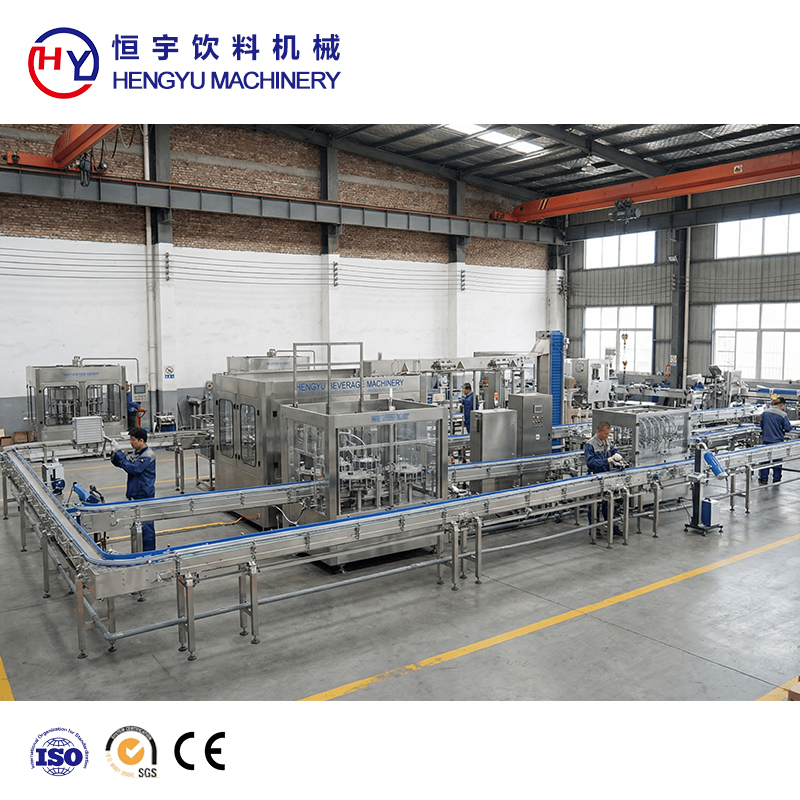
Water Bottling Equipment - Advanced Automated Filling Systems for Beverage Production

All Categories

water bottling equipment

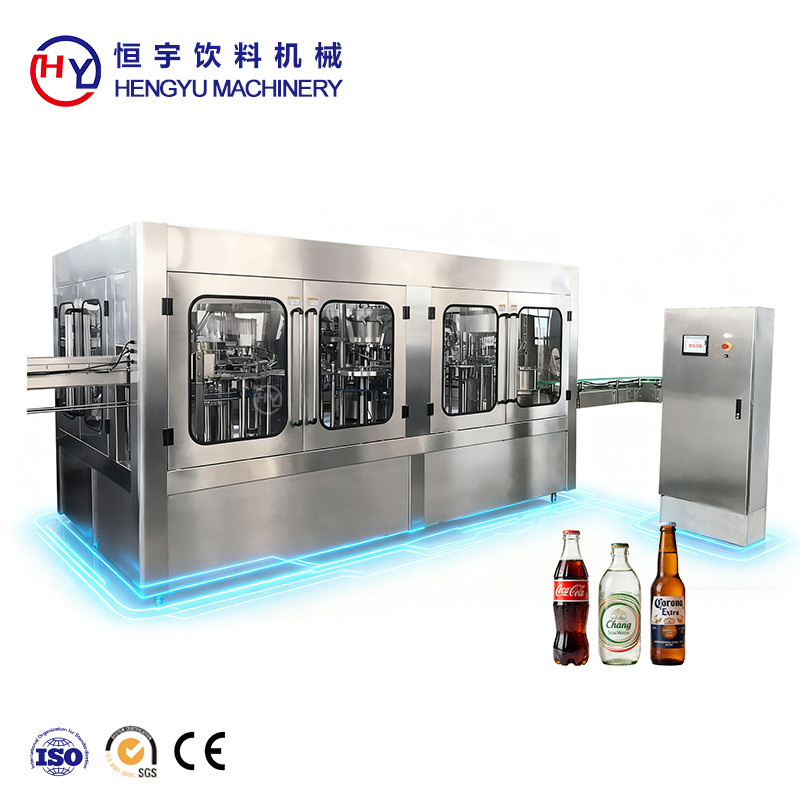
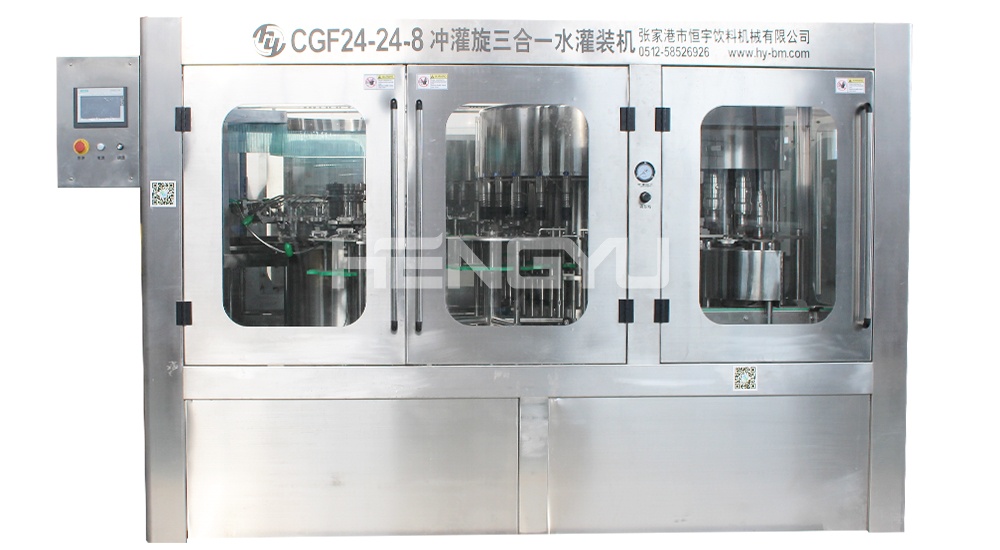
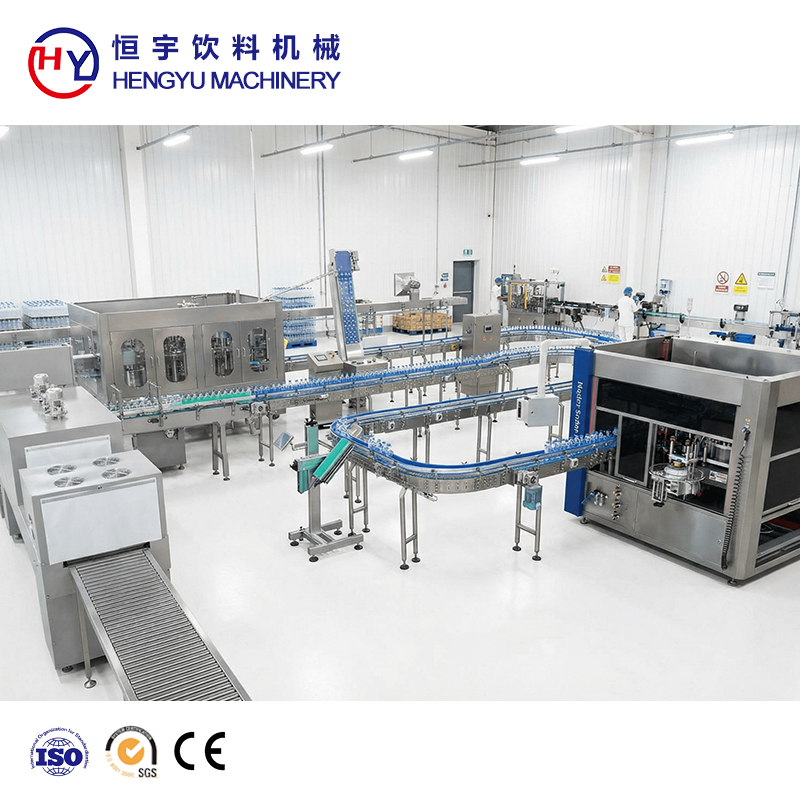
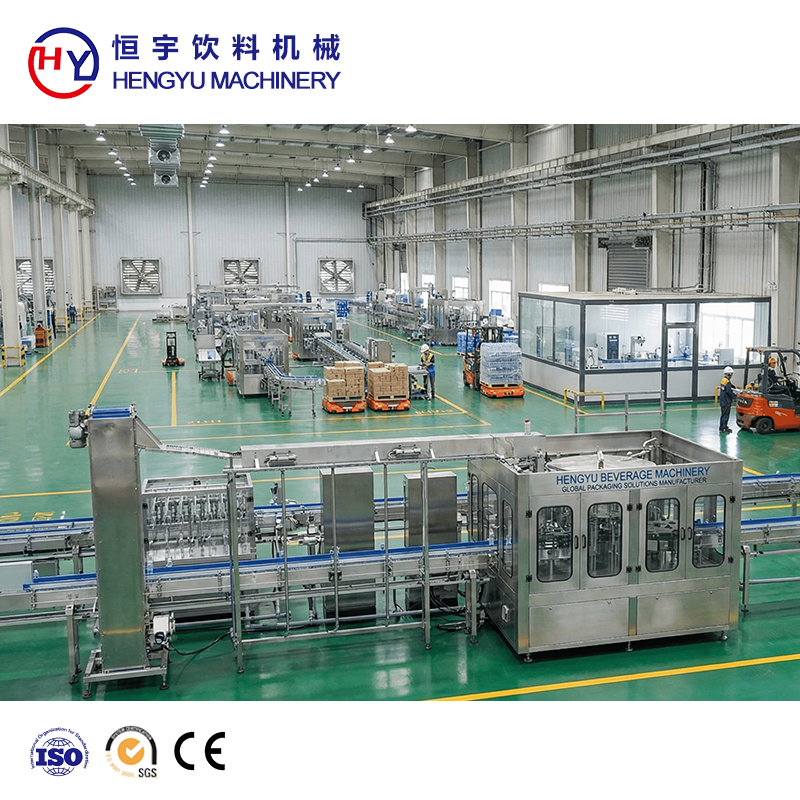
Water bottling equipment represents a sophisticated solution designed to automate the process of filling, capping, and packaging drinking water into bottles of various sizes. This specialized machinery encompasses multiple integrated components that work together seamlessly to ensure efficient production lines for beverage manufacturers. The primary functions include rinsing empty bottles to remove contaminants, filling them with purified water at precise volumes, sealing containers with appropriate caps or closures, labeling products with brand information, and preparing finished goods for distribution. Modern water bottling equipment incorporates advanced control systems that monitor every stage of production, ensuring consistency and quality throughout the operation. The technological features embedded within these systems include programmable logic controllers that allow operators to adjust filling speeds, automated inspection cameras that detect defects or contamination, servo-driven filling valves that maintain accuracy to within milliliters, and touchscreen interfaces that simplify machine operation and troubleshooting. Applications for water bottling equipment span across numerous sectors including commercial bottled water production facilities, beverage manufacturing plants, pharmaceutical companies requiring sterile water packaging, hospitality industries managing their own branded water products, and municipal water authorities distributing emergency supplies. The equipment accommodates diverse bottle formats ranging from small single-serve containers to large multi-gallon jugs, with quick-changeover capabilities that minimize downtime when switching between product types. Energy-efficient designs reduce operational costs while maintaining high output rates, and modular construction allows businesses to expand capacity by adding components as demand grows. Sanitary design principles ensure all product-contact surfaces meet food safety standards, with easy disassembly for thorough cleaning and maintenance. The integration of water bottling equipment into production facilities transforms manual processes into streamlined operations, significantly improving productivity while reducing labor requirements and human error.

Popular Products

Investing in water bottling equipment delivers substantial practical benefits that directly impact your bottom line and operational efficiency. First and foremost, automation dramatically increases production capacity compared to manual filling methods, enabling your facility to process thousands of bottles per hour depending on the system configuration you choose. This enhanced throughput means you can meet larger orders, expand into new markets, and respond quickly to seasonal demand spikes without hiring additional staff or extending work shifts. The precision of automated water bottling equipment ensures every container receives the exact amount of product specified, eliminating overfilling that wastes resources and underfilling that violates regulatory requirements or disappoints customers. This accuracy translates to better cost control and improved profit margins on every unit produced. Quality consistency represents another significant advantage, as the equipment maintains identical standards across every bottle, regardless of operator fatigue or human variability. Your customers receive the same reliable product experience with each purchase, building brand trust and encouraging repeat business. The reduction in labor costs constitutes a major financial benefit, as automated systems require fewer workers to operate compared to manual bottling lines. Employees can be reassigned to higher-value tasks such as quality control, equipment maintenance, or business development rather than repetitive filling duties. Safety improvements protect your workforce, as water bottling equipment handles the physically demanding aspects of lifting, moving, and filling heavy containers, reducing workplace injuries and associated compensation claims. Modern equipment designs incorporate user-friendly controls that minimize the learning curve for operators, allowing new staff to become productive quickly without extensive training periods. The hygienic construction of professional water bottling equipment prevents contamination risks that could compromise product safety, protecting your brand reputation and avoiding costly recalls. Built-in monitoring systems provide real-time data about production metrics, equipment performance, and potential maintenance needs, enabling proactive management that prevents unexpected breakdowns. Flexibility to handle multiple bottle sizes and formats without purchasing entirely new equipment gives you the agility to diversify your product line as market opportunities arise. Energy-efficient components reduce utility consumption, lowering operating expenses while supporting environmental sustainability goals that resonate with eco-conscious consumers. The compact footprint of many water bottling equipment systems maximizes use of available factory space, allowing you to maintain or increase production capacity without expensive facility expansions. Faster production cycles mean shorter lead times from order placement to delivery, improving customer satisfaction and potentially capturing business from competitors with slower fulfillment.

Practical Tips

How to Choose a Glass Bottle Filling Machine for Beverage Production

06

Mar

How to Choose a Glass Bottle Filling Machine for Beverage Production

Match Filling Technology to Beverage Type and Sensitivity Counter-Pressure Fillers for Carbonated Beverages and Beer Carbonated drinks like soda, sparkling water and beer need careful filling techniques to keep their fizz intact while avoiding exc...
View More
Can Filling Machine Technology for Carbonated Beverages

20

Mar

Can Filling Machine Technology for Carbonated Beverages

Isobaric Filling Principles: How Can Filling Machines Preserve Carbonation Under Pressure The Physics of CO₂ Solubility and Why Counter-Pressure Is Non-Negotiable The way carbon dioxide dissolves in drinks basically follows what we call Henry's Law...
View More
Troubleshooting Can Filling Machine Production Issues

21

Mar

Troubleshooting Can Filling Machine Production Issues

Power, Control, and Electrical Faults in Can Filling Machines Machine won't power on: main supply, fuses, and emergency stop circuit checks If the can filling machine won't start at all, the first thing to do is check whether the main power supply ...
View More
Automation Technology in Can Sealing Machines

24

Mar

Automation Technology in Can Sealing Machines

How Automation Enhances Precision and Reliability in Can Sealing Machines Core Automation Components: Servo Drives, Vision Systems, and Closed-Loop Feedback in Modern Can Sealing Machines Today's can sealing equipment reaches incredible levels of p...
View More

Get a Free Quote

Our representative will contact you soon.
Email
Name
Phone/WhatsApp
Required Product
Message
0/1000

water bottling equipment

Advanced Automation Technology Streamlines Production

Advanced Automation Technology Streamlines Production

The incorporation of cutting-edge automation technology within water bottling equipment fundamentally transforms how beverage manufacturers approach production efficiency and operational management. At the heart of these systems lies sophisticated programmable logic controllers that orchestrate every aspect of the bottling process with precision timing and flawless coordination. These intelligent control systems manage the synchronized movement of bottles through multiple stations, automatically adjusting speeds and sequences based on real-time conditions to maintain optimal flow without bottlenecks or jams. Servo-motor driven filling nozzles deliver exceptional accuracy, measuring product volumes to within fractions of a milliliter to ensure regulatory compliance and eliminate costly product giveaway. The automation extends to quality assurance through integrated vision inspection systems that examine every bottle as it moves along the production line, automatically detecting and rejecting containers with defects such as improper fill levels, missing caps, crooked labels, or foreign particles. This automated quality control happens at production speeds, screening 100 percent of output without slowing throughput or requiring dedicated inspection personnel. Touchscreen human-machine interfaces provide operators with intuitive control over all system parameters, displaying critical information about production counts, operating speeds, alarm conditions, and maintenance schedules in easily understood visual formats. Recipe management functions allow quick changeovers between different product specifications by simply selecting pre-programmed settings rather than manually adjusting dozens of individual components. The automation technology embedded in water bottling equipment includes self-diagnostic capabilities that continuously monitor system health, identifying potential problems before they cause breakdowns and providing maintenance staff with specific guidance about which components require attention. Automatic cleaning-in-place systems further enhance efficiency by sanitizing all product-contact surfaces without disassembling equipment, reducing downtime between production runs while ensuring consistent hygiene standards. Remote monitoring capabilities allow management to track production metrics from anywhere via internet connectivity, enabling data-driven decisions about scheduling, staffing, and capacity planning. The advanced automation technology incorporated into modern water bottling equipment delivers measurable returns through increased output, reduced waste, lower labor costs, improved quality consistency, and enhanced operational visibility that collectively strengthen your competitive position in the marketplace.
Versatile Configuration Adapts to Business Growth

Versatile Configuration Adapts to Business Growth

Water bottling equipment designed with versatile configuration options provides manufacturers with the flexibility to adapt their production capabilities as business conditions evolve, protecting equipment investments over the long term while supporting growth strategies. Modular architecture represents the foundation of this versatility, allowing companies to start with a basic system configuration that meets current production requirements, then expand capacity by adding components such as additional filling heads, faster conveyor systems, or secondary packaging modules as sales volumes increase. This scalable approach eliminates the need to replace entire production lines when expanding, preserving capital for other business priorities while ensuring continuous operation of existing equipment. The ability to handle multiple bottle formats constitutes another dimension of versatility, as modern water bottling equipment accommodates containers ranging from small single-serve bottles to large multi-gallon jugs through adjustable guide rails, variable-height filling stations, and interchangeable capping heads. Quick-change tooling systems enable operators to switch between bottle sizes in minimal time, often less than thirty minutes, maintaining productivity even when production schedules require frequent format changes to meet diverse customer orders. Material compatibility extends the versatility further, with equipment capable of processing bottles made from PET plastic, glass, or other approved food-contact materials without modification. This material flexibility allows manufacturers to respond to consumer preferences, environmental considerations, or cost optimization strategies by changing packaging materials while continuing to use the same water bottling equipment. Speed adjustability provides operational flexibility, enabling production rates to be matched precisely to downstream packaging capacity, warehouse receiving capabilities, or order fulfillment requirements without creating bottlenecks or excess inventory. The versatile configuration of water bottling equipment supports product differentiation strategies by accommodating various closure types including screw caps, sports caps, flip-tops, or tamper-evident seals that appeal to different market segments. Integration capabilities allow the equipment to connect seamlessly with upstream water treatment systems and downstream packaging machinery such as case packers, shrink wrappers, or palletizers, creating complete production lines optimized for your specific workflow. Customization options enable manufacturers to specify particular features that address unique product characteristics, facility constraints, or regulatory requirements without engineering entirely custom solutions. The investment protection provided by versatile water bottling equipment ensures your production assets remain relevant and productive as your business grows, market conditions shift, or product portfolios expand, delivering value far beyond the initial purchase.
Sanitary Design Ensures Product Safety and Compliance

Sanitary Design Ensures Product Safety and Compliance

The sanitary design principles incorporated throughout water bottling equipment serve as critical safeguards protecting product safety, consumer health, and brand reputation while ensuring compliance with increasingly stringent food safety regulations. Every component that contacts the water during the bottling process features construction from food-grade stainless steel or approved polymers that resist corrosion, prevent chemical interactions with the product, and withstand repeated exposure to aggressive cleaning agents used in sanitation protocols. Surface finishes meet pharmaceutical-grade standards with smooth, crevice-free designs that eliminate potential harboring sites for bacteria, mold, or other contaminants that could compromise product purity. Seamless construction techniques minimize joints and connections where residues might accumulate, while those connections that are necessary incorporate hygienic tri-clamp fittings or other sanitary coupling methods that facilitate complete drainage and thorough cleaning. The equipment design follows sloped surfaces and rounded corners throughout to promote complete liquid evacuation, preventing stagnant pools where microbial growth could occur between production runs. Enclosed filling zones protect the product from environmental contaminants such as airborne particles or dust, with optional laminar airflow systems providing additional protection for sensitive applications. Clean-in-place systems integrated into water bottling equipment automate the sanitation process by circulating cleaning solutions through all product pathways, ensuring consistent and thorough disinfection without requiring time-consuming disassembly. Validation capabilities document cleaning effectiveness through temperature monitoring, chemical concentration verification, and contact time recording, creating the audit trails required by food safety certification programs. Quick-disconnect designs for those components requiring manual cleaning enable easy removal and reinstallation, reducing maintenance time while ensuring all surfaces receive proper attention. Materials selection extends beyond product-contact surfaces to structural components, with corrosion-resistant finishes protecting the equipment from moisture exposure in humid bottling environments. The sanitary design of water bottling equipment addresses regulatory requirements established by agencies such as the FDA, ensuring your production facility meets current good manufacturing practices and passes inspections without corrective action notices. Validation documentation provided by equipment manufacturers demonstrates compliance with industry standards, supporting your quality management systems and third-party certifications. The comprehensive approach to sanitary design embedded in professional water bottling equipment protects public health, prevents costly product recalls, maintains brand integrity, and provides the confidence that your bottling operations meet the highest standards of food safety and regulatory compliance.