Water Bottle Packing Plant Price Guide: Costs, Benefits & ROI Analysis 2024

All Categories

water bottle packing plant price

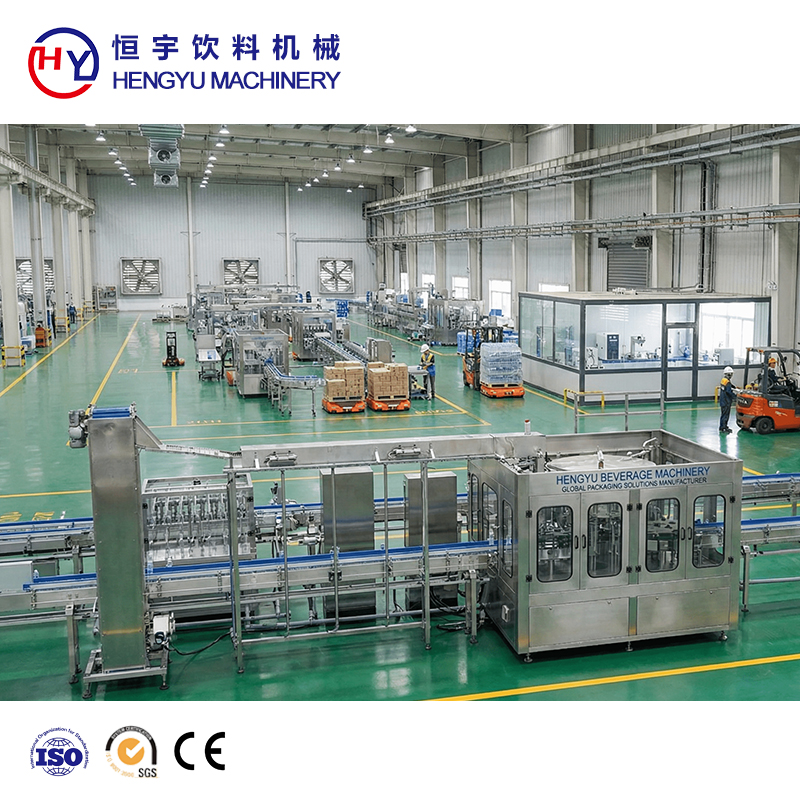
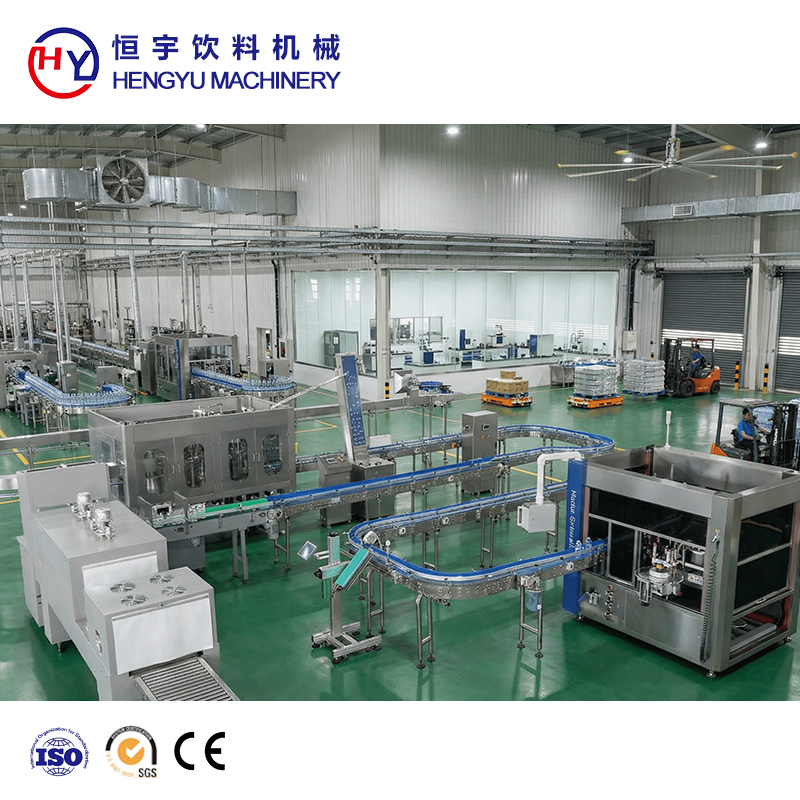
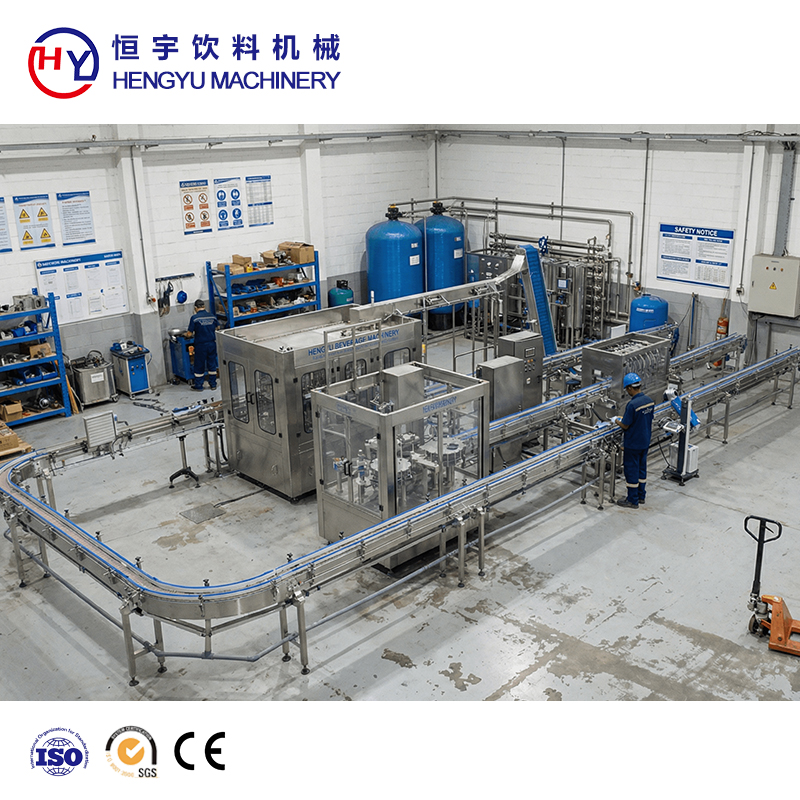
Understanding the water bottle packing plant price requires examining multiple factors that influence the overall investment in automated bottling operations. A water bottle packing plant represents a comprehensive production system designed to handle the complete packaging process from empty bottle handling through final product preparation for distribution. The water bottle packing plant price typically encompasses several integrated components including bottle unscrambling machines, filling equipment, capping systems, labeling units, shrink wrapping machinery, and palletizing solutions. Modern facilities range from semi-automated setups suitable for small businesses to fully automated high-speed production lines capable of processing thousands of bottles per hour. The main functions of these plants include bottle orientation and feeding, precise liquid filling with volumetric or gravimetric control, secure cap application with torque monitoring, accurate label placement, quality inspection systems using vision technology, batch coding and date stamping, multi-pack bundling or case packing, and final palletization for warehouse storage. Technological features have evolved significantly with the integration of programmable logic controllers for seamless operation coordination, touchscreen human-machine interfaces for simplified operation, servo-driven mechanisms ensuring precision and repeatability, stainless steel construction meeting food safety standards, quick-changeover systems accommodating different bottle sizes, and remote monitoring capabilities enabling predictive maintenance. The water bottle packing plant price varies considerably based on production capacity specifications, level of automation desired, quality of components selected, and customization requirements. Applications span across bottled drinking water production facilities, mineral water packaging operations, flavored water manufacturing plants, spring water bottling companies, and purified water distribution centers. Investment considerations for the water bottle packing plant price must account for immediate equipment costs, installation and commissioning expenses, operator training requirements, ongoing maintenance budgets, and expected return on investment timelines that typically range from three to five years depending on production volumes and market conditions.

New Products

Investing in a water bottle packing plant offers numerous practical benefits that directly impact your bottom line and operational efficiency. First and foremost, automation significantly reduces labor costs by minimizing the number of workers needed on the production floor, allowing your existing workforce to focus on quality control and supervisory roles rather than repetitive manual tasks. The water bottle packing plant price may seem substantial initially, but the labor savings alone often justify the investment within the first two years of operation. Production speed increases dramatically compared to manual or semi-automated processes, with modern systems capable of filling, capping, and packing anywhere from 3000 to 36000 bottles per hour depending on the configuration you choose. This enhanced throughput means you can fulfill larger orders, respond quickly to market demand fluctuations, and grow your business without proportional increases in staffing. Consistency represents another major advantage, as automated systems deliver uniform filling levels, consistent cap tightness, and precise label placement on every single bottle, eliminating the variation inherent in human operations and reducing product waste from overfilling or quality rejections. The water bottle packing plant price includes advanced control systems that monitor every aspect of production, providing real-time data on output rates, downtime incidents, and maintenance needs, empowering you to make informed decisions about production scheduling and equipment optimization. Space utilization improves through efficient layout design that integrates multiple functions into a compact footprint, particularly important for facilities with limited floor space or those planning future expansion. Energy efficiency has become a priority in modern equipment design, with newer systems consuming significantly less electricity per bottle produced compared to older machinery, translating to lower utility costs and reduced environmental impact that resonates with increasingly eco-conscious consumers. Flexibility built into contemporary systems allows quick changeovers between different bottle sizes, shapes, and closure types, enabling you to diversify your product line without purchasing entirely separate production equipment. The water bottle packing plant price reflects these versatile capabilities that protect your investment against changing market preferences. Safety features integrated throughout modern plants protect your workers from potential hazards through guarding, emergency stops, and ergonomic design that reduces physical strain. Quality assurance mechanisms including weight checkers, vision inspection systems, and leak detection equipment catch defects before products leave your facility, protecting your brand reputation and minimizing costly recalls. Finally, the scalability of modular systems means you can start with essential components that fit your current budget and production needs, then add advanced features or increase capacity as your business grows, making the water bottle packing plant price accessible to operations of various sizes.

Practical Tips

Increasing Capacity in Bottled Water Production Lines

09

Mar

Increasing Capacity in Bottled Water Production Lines

Diagnosing Bottlenecks in Your Bottled Water Production Line Measuring Throughput Gaps: Bottling Speed, Changeover Time, and OEE Analysis To get a handle on where production is falling short, look at three key performance indicators. Start by compa...
View More
How Can Filling Machines Improve Beverage Production Speed

24

Mar

How Can Filling Machines Improve Beverage Production Speed

Filling Machine Type Determines Maximum Throughput Potential Gravity, Isobaric, and Piston Can Filling Machines: Speed vs. Precision Trade-offs Gravity fillers work well for delicate drinks such as juice, processing around 20 to 36 bottles every mi...
View More
Can Filling Machine Capacity Planning Guide

22

Mar

Can Filling Machine Capacity Planning Guide

Understanding Can Filling Machine Capacity: Theory vs. Real-World Performance Why Theoretical Capacity Rarely Matches Effective Output on Can Filling Lines When companies talk about canning speed at 100 cans per minute, they're referring to what ha...
View More
Automation Technology in Can Sealing Machines

24

Mar

Automation Technology in Can Sealing Machines

How Automation Enhances Precision and Reliability in Can Sealing Machines Core Automation Components: Servo Drives, Vision Systems, and Closed-Loop Feedback in Modern Can Sealing Machines Today's can sealing equipment reaches incredible levels of p...
View More

Get a Free Quote

Our representative will contact you soon.
Email
Name
Phone/WhatsApp
Required Product
Message
0/1000

water bottle packing plant price

Customizable Production Capacity Matching Your Business Growth Stage

Customizable Production Capacity Matching Your Business Growth Stage

One of the most compelling aspects when evaluating the water bottle packing plant price is the ability to select production capacity that aligns precisely with your current operational requirements while maintaining flexibility for future expansion. Unlike one-size-fits-all solutions, modern water bottle packing plants offer modular configurations that allow businesses to invest appropriately for their present circumstances without overpaying for unnecessary capacity or limiting growth potential. Entry-level systems designed for small to medium enterprises typically process between 3000 to 6000 bottles per hour, providing an accessible water bottle packing plant price point for startups, regional distributors, or companies testing new market segments. These compact systems maintain professional production standards while fitting within modest facility spaces and operating budgets. As businesses establish market presence and demand increases, mid-range configurations handling 8000 to 18000 bottles hourly represent the sweet spot for many growing operations, delivering substantial productivity improvements that support regional or multi-state distribution networks. The water bottle packing plant price for these intermediate systems reflects added sophistication in automation, faster processing speeds, and enhanced integration between production stages. For large-scale manufacturers supplying national markets or operating multiple product lines simultaneously, high-speed installations processing 24000 to 36000 bottles per hour or more provide the throughput necessary to maintain competitive positioning in demanding markets. What makes this capacity customization particularly valuable is the ability to implement production lines in phases, starting with core filling and capping functions then progressively adding labeling automation, case packing equipment, palletizing robots, and warehouse integration as revenue growth justifies additional investment. This staged approach to managing the water bottle packing plant price transforms what might seem like a prohibitive capital expenditure into manageable incremental investments tied directly to revenue growth and proven market demand. Furthermore, reputable equipment manufacturers design their systems with upgrade pathways that protect initial investments, allowing key components like filling machines and control systems to be enhanced rather than replaced entirely when capacity expansion becomes necessary. The long-term value proposition extends beyond mere bottle-per-hour specifications to encompass operational flexibility that accommodates seasonal demand variations, special production runs, and product line extensions without requiring completely separate production infrastructure. Businesses benefit from matching their water bottle packing plant price commitment to realistic production forecasts based on existing contracts, market research, and conservative growth projections rather than speculative capacity that may sit idle for extended periods.
Advanced Technology Integration Reducing Operational Costs and Waste

Advanced Technology Integration Reducing Operational Costs and Waste

The technological sophistication embedded within contemporary water bottle packing plants justifies careful evaluation of the water bottle packing plant price against the substantial operational savings these systems deliver throughout their productive lifespan. Modern installations incorporate precision filling technology utilizing electromagnetic flowmeters, mass flow controllers, or servo-driven piston fillers that achieve filling accuracy within plus or minus one percent of target volume, virtually eliminating product giveaway that accumulates into significant cost savings across millions of bottles annually. When comparing the water bottle packing plant price across different suppliers, the filling accuracy specifications deserve close attention because even small improvements in precision directly impact profitability, with a half-percent reduction in overfilling potentially saving tens of thousands of dollars yearly for medium-volume producers. Integrated quality control systems employ high-resolution cameras and sophisticated image processing algorithms to inspect each bottle for proper fill levels, correct cap placement, label positioning and print quality, foreign object contamination, and bottle integrity, automatically rejecting defective units before they enter distribution channels. This automated inspection capability reduces reliance on manual quality checks that are inherently inconsistent and labor-intensive while providing comprehensive production records for regulatory compliance and traceability requirements. The water bottle packing plant price includes programmable recipe management systems that store parameters for different products, bottle sizes, and packaging configurations, enabling operators to switch between production runs through simple touchscreen selections rather than manual adjustments requiring specialized technical knowledge and extended downtime. Energy management features optimize compressed air usage, minimize idle motor operation, and incorporate variable frequency drives that adjust motor speeds based on actual production demands rather than running continuously at maximum power consumption. These efficiency improvements lower electricity costs while extending equipment lifespan through reduced mechanical stress during operation. Predictive maintenance capabilities built into advanced control systems monitor critical parameters like vibration signatures, temperature variations, and cycle counts, alerting maintenance personnel to developing issues before catastrophic failures occur that could halt production for extended periods. The water bottle packing plant price encompasses not just the physical machinery but also sophisticated software platforms that connect production data to enterprise resource planning systems, providing management with real-time visibility into manufacturing efficiency, material consumption rates, and per-unit production costs. This data-driven approach to operations management identifies optimization opportunities that might otherwise remain hidden in aggregate production statistics, enabling continuous improvement initiatives that progressively reduce operating expenses year after year.
Compliance and Safety Features Protecting Your Investment and Workforce

Compliance and Safety Features Protecting Your Investment and Workforce

Regulatory compliance and workplace safety represent critical considerations that significantly influence the true value proposition behind any water bottle packing plant price evaluation. Modern food and beverage packaging facilities operate under stringent regulatory frameworks including FDA guidelines in the United States, European Union food safety directives, and various international standards that govern materials, sanitation procedures, and production practices. Equipment designed specifically for potable water packaging incorporates food-grade stainless steel construction throughout product contact areas, typically 304 or 316 grade materials that resist corrosion while facilitating thorough cleaning and sanitization between production runs. The water bottle packing plant price from reputable manufacturers reflects this premium material selection and specialized fabrication techniques that ensure compliance with applicable regulations, protecting your business from costly violations, production shutdowns, or product recalls that could devastate brand reputation and financial stability. Sanitary design principles embedded throughout these systems minimize crevices, dead legs, and areas where bacteria or contaminants might accumulate, with smooth surfaces, minimal horizontal planes, and accessible components that enable effective cleaning-in-place procedures or manual sanitation protocols. Comprehensive safety features protect workers from the numerous potential hazards present in high-speed automated packaging environments, including guarding around pinch points and rotating components, emergency stop systems accessible from multiple locations throughout the production line, light curtains and presence detection systems that halt equipment when personnel enter dangerous zones, and lockout-tagout provisions that prevent accidental startups during maintenance activities. The water bottle packing plant price encompasses engineering and certification costs associated with meeting OSHA requirements and industry safety standards that demonstrate due diligence in protecting employee welfare. Ergonomic considerations influence equipment design to minimize repetitive motion injuries, reduce reaching and lifting requirements, and position control interfaces and maintenance access points at comfortable working heights. Noise reduction measures including insulated enclosures and vibration dampening protect hearing health in facilities where multiple pieces of high-speed equipment operate simultaneously. Documentation packages accompanying professional installations include detailed operating procedures, maintenance schedules, spare parts listings, electrical schematics, and pneumatic diagrams that support safe ongoing operations while facilitating troubleshooting when issues arise. Training programs often included in the water bottle packing plant price ensure operators understand proper equipment operation, recognize potential safety hazards, and can perform routine maintenance tasks without creating risks to themselves or colleagues. Traceability features enable lot tracking and batch identification essential for managing quality issues or conducting targeted recalls if problems emerge after products enter distribution channels, with date coding, serialization, and production record integration protecting your business from the catastrophic costs associated with broad-based recalls affecting entire production periods. The comprehensive approach to compliance and safety embedded within quality water bottle packing plants represents insurance against operational, legal, and reputational risks that could far exceed the initial equipment investment, making thorough evaluation of these features essential when comparing water bottle packing plant price proposals from competing suppliers.